Table of Contents
Quick Summary
- AC and DC Fans in HVAC Systems Modern homes now rely on energy-efficient whole-house ventilation systems instead of basic window AC units.
- Efficient climate control depends on advanced mechanical components, such as high-performance motors and fans.
- Traditional AC motors consume more energy, produce higher noise, and wear out faster.
- DC and EC motors offer variable-speed control, improved airflow, and significantly lower energy consumption.
- These advanced fans support smart home automation, server rack cooling, and AV cabinet ventilation.
- Specialised IP-rated and high-temperature EC fans are essential for kitchens, bathrooms, and attic spaces.
- Upgrading ventilation components reduces electricity bills and HVAC maintenance costs.
- Energy-efficient EC/DC systems also help homes comply with modern building standards and sustainability goals.
The modern residential landscape has evolved a lot from the days of basic window air conditioning units. Today’s homes are built with comprehensive, energy-efficient whole-house ventilation and intelligent climate control systems and energy efficient HVAC fans. This shift needs a deeper understanding of the underlying mechanical components that drive these networks.
For homeowners, architects, and MEP (Mechanical, Electrical, and Plumbing) contractors, the focus has moved toward optimizing performance while minimizing energy consumption. Integrating these systems seamlessly into a smart home design means prioritizing high-performance hardware over legacy equipment.
The true efficiency of these modern networks relies heavily on the motors and EC fans for HVAC systems working behind the scenes. Upgrading these core elements is the key to unlocking superior airflow, whisper-quiet operation, and long-term sustainability.
Core Technologies are Explained: AC vs. DC vs. EC Components
A modern home ventilation system designing as well as understanding the internal mechanical components is crucial. Traditional alternating current models are rapidly being replaced by more efficient alternatives.
For instance, modern EC fan technology for ventilation and DC fans offers superior speed control and can reduce energy consumption significantly while maintaining optimal airflow. When evaluating components for whole-house systems, custom range hoods, or smart home servers, consulting the technical specifications from a specialized ACDCFan can help MEP contractors select the precise IP-rated or high-temperature-resistant models required for demanding residential zones.
The Limitations of Traditional AC Motors
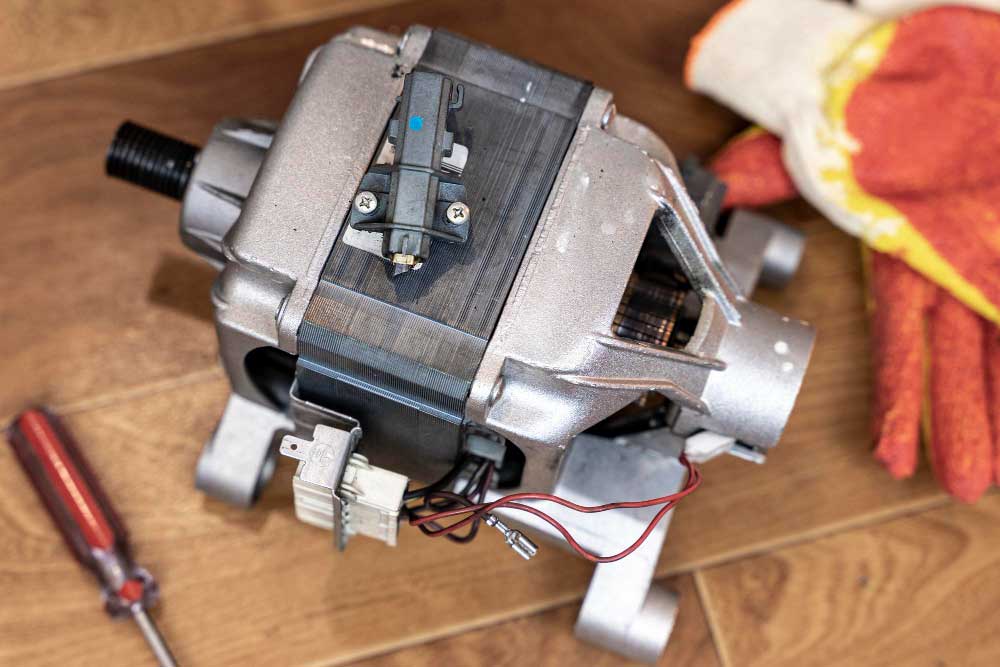
Historically, Alternating Current (AC) motors were the industry standard for residential ventilation. However, they come with distinct mechanical limitations that hinder modern efficiency goals.
- High Energy Consumption: AC motors operate at a constant speed, drawing maximum power regardless of the actual cooling demand.
- Excessive Noise: The lack of variable speed control often generates loud noise. It results in disruptive operation.
- Shorter Lifespan: Continuous high-friction operation leads to faster mechanical wear and tear.
Why DC and EC are the New Standards?
To combat these inefficiencies, Direct Current (DC) and Electronically Commutated (EC) motors have emerged as the new industry benchmarks.
EC technology merges the best of both the niches. It runs primarily on a standard AC power supply, but ultimately uses a built-in rectifier to convert it to DC voltage to run DC motor fans for home ventilation. The system allows precise variable speed control, drastically cutting energy usage.
Furthermore, the frictionless design of these brushless motors ensures a quieter environment and a significantly extended operational lifespan.
Strategic Applications for Advanced Ventilation in Modern Homes
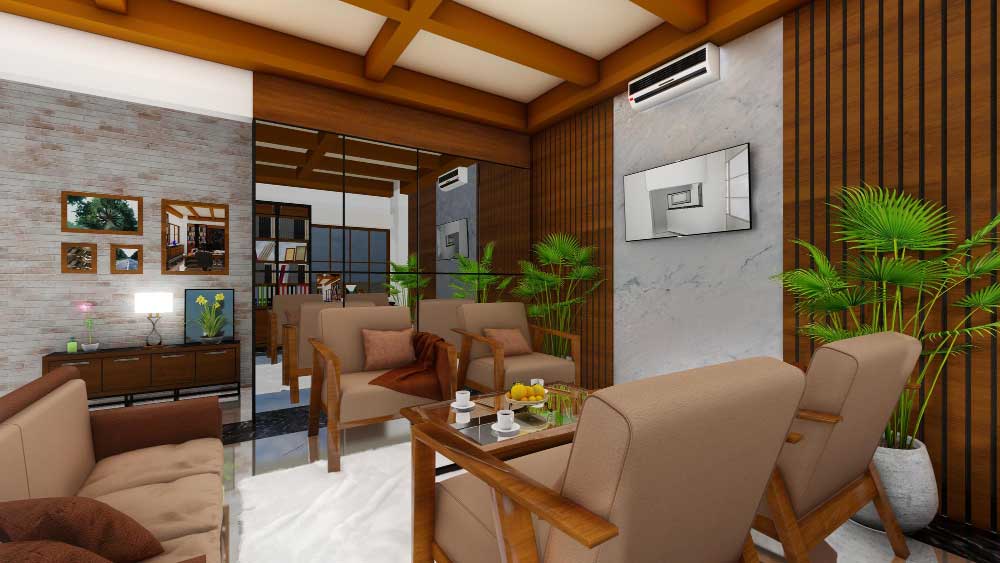
1. Smart Home Automation and Server Rack Cooling
Residential properties are becoming more connected nowadays. As a consequence, homes now frequently feature complex IT hubs and automation centres. These setups require continuous, reliable cooling to prevent hardware failure.
- Dedicated Server Rooms: High-performance DC fans provide targeted cooling for home servers, but it does not spike the electric bill.
- AV Cabinets: Compact, quiet fans prevent audio-visual equipment from overheating in enclosed spaces.
- Integration: These advanced fans can be wired directly into smart thermostats. It offers the facility to adjust speeds automatically based on real-time thermal data.
2. High-Moisture and High-Heat Zones
Not all rooms in a house share the same environmental demands. Kitchens, bathrooms, and attics experience extreme fluctuations in temperature and humidity.
For these zones, standard fans simply will not survive. MEP contractors must utilise fans with an IP68 rating for complete waterproof and dustproof protection. Similarly, high-temperature-resistant EC fans are essential for exhausting severe heat from customised kitchen range hoods or poorly insulated attic spaces. A smart home HVAC ventilation system offers increased efficiency at lower energy cost.
3. Measuring the ROI of Upgrading Your Ventilation System
Investing in advanced EC and DC fan technology carries a slightly higher upfront cost, but the return on investment (ROI) is undeniable. Homeowners immediately can enjoy benefit from a drastic reduction in monthly electrical consumption. As these motors run cooler and feature frictionless operation, the hardware degrades at a much slower rate. This translates to fewer emergency repairs and a reduced need for costly routine HVAC maintenance.
Ultimately, if a user builds a ventilation infrastructure with commercial-grade components, it can increase the overall property value and ensure the HVAC system operates efficiently for decades.
4. 2026 Building Standards and Eco-Friendly Compliance
Upgrading residential ventilation isn’t just about localized comfort; it is heavily tied to global sustainability goals and stringent building codes. Modern regulations increasingly demand lower baseline energy consumption for residential MEP systems.
The implementation of advanced mechanical ventilation and energy-efficient motors aligns directly with the guidelines set by the U.S. Department of Energy. It emphasizes that optimizing home airflow can drastically cut annual utility expenditures while ensuring indoor air quality meets strict health parameters. Meeting these 2026 standards is no longer optional for new builds; it is a fundamental requirement.
Key Takeaways
| Area | Key Takeaway | Impact/Data |
| HVAC Technology | Replace legacy AC with EC/DC | Drastically cuts energy and wear |
| IT/AV Cooling | Deploy variable-speed DC fans | Prevents costly server hardware failures |
| Extreme Zones | Install IP68 high-temp EC fans | Survives severe heat and moisture |
| 2026 Compliance | Mandate EC/DC for new builds | Meets strict DOE building standards |
Conclusion
The shift from basic AC to advanced EC and DC motor technology is redefining residential climate control. For homeowners and MEP contractors alike, paying close attention to the internal mechanical components of a ventilation system is just as important as the external design.
Simple upgrading to durable, variable-speed, and high-efficiency fans, modern homes can achieve unparalleled air quality, significant cost savings, and strict compliance with the future of green building standards.
Also Read: A Guide to Designing a Smart HVAC System for Your Home
FAQs on AC and DC Fans in HVAC Systems
1. What Is the Difference between the AC, DC, & EC Fans in an HVAC System?
AC fans run at a fixed speed, which consumes more power. In contrast, DC and EC fans offer variable-speed control, better efficiency, quieter operation, and longer lifespan.
2. Are EC Fans More Energy-Efficient than Traditional AC Fans?
Yes. EC fans use electronically controlled brushless motors, which can reduce electricity consumption by 30–70% compared with conventional AC fans.
3. Why are DC Fans Used in Modern Home Ventilation Systems?
DC fans provide precise speed control, lower energy usage, and quieter airflow, making them ideal for smart homes, server cabinets, and whole-house ventilation.
4. Can Upgrading to EC or DC Fans Improve HVAC Performance?
Upgrading improves airflow control, reduces noise, and lowers energy consumption. It can extend the lifespan of the HVAC system by reducing motor stress and overheating.
5. Are EC and DC Fans Required for Energy-Efficient Building Standards?
Many modern building codes and sustainability standards encourage EC or DC fan technology because they help reduce overall HVAC energy consumption and the HVAC system’s carbon footprint.
Author & Expert Review
Written By:  Swagata Chatterjee | SEO Content Writer & Editor
| Credentials: MA (Calcutta University, Kolkata). Experience: Content Writer and Editor with 19 years’ experience of business content writing and editing, currently writing SEO-optimized, readers’-friendly articles for Gharpedia, part of SDCPL. Expertise: Specializes in writing well-researched content on lifestyle, home décor, , lifestyle, safety, home appliances and gadgets, on-site SEO Optimization, blending technical accuracy with general reader’s ability to learn the topics. Find her on : Linkedin |
Verified By Expert: Avni Desai Environmental Engineer, SDCPL | M.E. (Environmental Engineering)
This article has been reviewed for environmental, MEP, and building services accuracy by Avni Desai, an Environmental Engineer at Sthapati Designers & Consultants Pvt. Ltd. (SDCPL). With over 8 years of experience in water supply, wastewater management, infrastructure design, and building services, she brings practical expertise in MEP services, sustainable solutions, design planning, and on-site practices. Her professional services include planning and design of water supply systems, sewage and wastewater treatment systems (STP/WTP), drainage, rainwater harvesting, and other sustainable building services. Her review ensures the content aligns with environmental standards, efficient services planning, and real-world applicability.
Find her on: LinkedIn