Table of Contents
Quick Summary
- Adaptive reuse architecture lowers lifetime operating costs, and also reduce demolition waste and energy consumption and make both financially and environmentally responsible.
- Early structural assessments, soil testing, and engineering coordination prevent failures and avoid expensive retrofits later.
- Reinforcement methods, for example, carbon fibre, FRP, and foundation upgrades extend structural life without the burden of full replacement.
- Whole-life cost analysis balance restoration expenses with long-term savings and related incentives.
- Durable materials, accessible systems, and mechanical fasteners simplify maintenance and repairs.
- Flexible layouts and natural ventilation improve efficiency and adaptability.
- Detailed documentation guarantees smoother future upgrades.
- Successful conversions of historic and industrial buildings prove that adaptive reuse strengthens communities and preserves value.
Adaptive reuse architecture is gaining popularity.Buildings often cost far more to operate than to construct — sometimes two to three times more over their lifetime. That reality alone makes adaptive reuse architecture a financially and environmentally intelligent choice.
The urgency becomes clearer when you look at the numbers. The U.S. building industry produced 169 million tons of construction and related demolition debris in 2015. However, residential and commercial buildings consumed about 40% of total U.S. energy in 2020. These figures highlight the need for more responsible design strategies.
Adaptive reuse challenges the outdated “take-make-dispose” model by giving existing structures a new purpose instead of sending them to landfills. In this piece, you’ll explore practical ways to minimize future repairs through smart adaptive reuse interior design — reducing long-term maintenance costs and improving overall returns.
Engineering Decisions that Prevent Costly Structural Failures
Structural integrity is the lifeblood of successful adaptive reuse architecture. Your engineering phase decisions will affect a building’s longevity and performance throughout decades of service.
1. Why Structural Integrity Starts before Installation
Structural planning should start well before construction begins. A proper assessment helps avoid common pitfalls that can get pricey to fix later. Geological surveys and soil testing must happen before any design work to avoid inappropriate foundations and wrong calculations that could lead to structural failure. Smart climate system planning helps design heating and cooling systems that match the building’s actual performance instead of being updated later.
Getting qualified engineers involved early helps spot weak points from material wear, design flaws, increased loads, or structural changes. Quick fixes to meet tight deadlines often lead to poor designs that end up failing structurally.
2. Material Strengthening Strategies for Demanding Environments
It is essential to strengthen the existing structures in adaptive reuse projects when the goal is to extend lifespan without full replacement. Proven strategies of adaptive reuse structural reinforcement methods help reinforce load-bearing systems while preserving the original framework.
Carbon fibre reinforcement offers an exceptional strength-to-weight ratio and can strengthen concrete, steel, wood, and masonry elements. Fiber-reinforced polymers (FRP) combine high-strength fibres with durable polymer matrices. It creates corrosion-resistant solutions. Foundation upgrades, for example, underpinning or micropiles, has the ability to redistribute loads to more stable soil layers.
In steel-intensive projects, contractors may also rely on heat treatment services to improve metal strength, relieve internal stress, and secure long-term performance. Controlled processes like preheating, post-weld heat treatment, bakeouts, and solution annealing, etc. apply precise thermal conditioning. It helps structural components to withstand pressure, environmental exposure, and time.
Carbon fibre strengthening typically involves bonding CFRP strips or sheets to structural surfaces, adding capacity without significant additional weight.
3. Planning for Load, Climate, and Time
Climate has changed noticeably in engineering terms and is changing faster than predicted. Historical climate data doesn’t accurately show what conditions a building will face during its lifetime. Architects and engineers need future-facing climate data. This helps them design buildings that can handle both today’s environmental conditions and tomorrow’s weather patterns.
Space heating and cooling make up about 50% of energy use in an average home and adaptive reuse interior design strategies can impact on it. Accurate heating and cooling load calculations based on final architectural plans become significant. These calculations work alongside coordinated placement of mechanical systems and proper matching between insulation levels and equipment capacity.
These engineering decisions should be your priority in adaptive reuse architecture projects. This approach will help you create structures that stay sound, efficient, and adaptable for generations.
4. Planning Your Adaptive Reuse Project
The path to success in adaptive reuse architecture needs careful planning and a clear comprehension of existing structure challenges like an adaptive reuse building design guide. Your project’s vision might look simple at first, but you’ll need to make complex decisions about structural integrity, space use, and long-term costs.
5. Assess the Existing Building Structure
A full structural assessment forms the foundations of any successful adaptive reuse project. Advanced technologies like 3D laser scanning create precise models of existing buildings. These models help different teams work together and make sure new changes merge naturally with original structures. Non-destructive testing methods with portable sensors can show how a structure behaves. Engineers use this data to understand old buildings’ dynamic properties.
Teams must analyse structural needs, check code compliance, review zoning rules, and evaluate existing mechanical, electrical, and plumbing systems. Money spent on probes, surveys, and investigations before design work can save you from expensive surprises later.
6. Define Your Space Requirements
Your intended use should match what the existing building offers. As one expert noted, “If you have to change a lot of the fabric of the existing building, you could easily get into situation where you’re spending more and getting less”. Think over these factors when defining your requirements:
- Floor plate dimensions and their compatibility with your intended use.
- Ceiling heights and structural configurations.
- Window patterns and natural light access.
- Accessibility requirements and potential variances needed.
Buildings with existing courtyards or light wells work best, especially for office conversions. Unlike new construction, adaptive reuse needs design flexibility to handle unexpected findings during construction.
7. Calculate Whole Life Costs
Adaptive reuse costs go beyond initial construction expenses. Restoration costs remain a big challenge due to hazardous materials, the need for special expertise, and sustainability goals. Value engineering, phased renovation, and material reuse can help lower these financial burdens. Measuring environmental benefits, particularly embodied carbon emissions savings, shows why adaptive reuse makes more sense than new construction. Local governments might offer financial incentives through tax breaks, reduced parking requirements or density bonuses.
8. Engage Engineers and Specialists Early
Architects and engineers should work together from the start. This approach isn’t just about better design—it’s a business strategy that affects cost, schedule, and long-term project success. Late-stage redesigns cause some of the biggest hidden construction costs. When architects create designs without engineering input, problems often show up during detailed design or construction. These issues lead to expensive fixes. Early expert involvement changes design from a step-by-step process to a coordinated effort. The result? Buildings that work well, look great, and arrive on time.
Design Strategies to Minimise Future Repairs
Smart design choices help buildings stand strong against time. Your adaptive reuse project will need fewer repairs and last longer if you make the right decisions early.
1. Select Durable and Low-Maintenance Materials
The right materials are the foundations of maintenance-free adaptive reuse architecture. Building materials that resist weather, warping, and aging have emerged from new manufacturing technologies. Here are some proven options that work:
- Cellular PVC trim boards that won’t rot, yet you can paint them affordably
- Fiber cement siding products like HardiePlanks come pre-finished with 25-year warranties
- Composite decking materials eliminate the constant refinishing and repair that traditional wood needs
Note that even the best materials need proper installation to work well. As they say: there’s no substitute for quality work. If you are wondering how to reduce building maintenance costs, adaptive reuse architecture is the right solution.
2. Separate Building Systems for Easy Access
Long-term repair gets easier when building systems own their accessible pathways. Quick changes and easy system access come from modular partition walls. You may want to see prefabricated cable tray systems that keep wiring neat, protected, and available without special maintenance tools.
This system separation lets you fix one part without touching others—and that saves time and money throughout the building’s life.
3. Design for Flexible Floor Plans
A building’s lifespan grows when its layout can adapt. Buildings with open spaces, tall ceilings, and movable partitions meet changing business needs better. You’ll need:
- Extra structural support under shop areas for future machinery
- Partition walls you can move for quick changes
- Large public spaces you can divide as needed
This approach protects your adaptive reuse project as occupancy patterns and uses change.
4. Plan for Natural Ventilation and Thermal Control
Adaptable spaces often clash with traditional ventilation. Large ducts can make it hard to use removable walls, while holes create sound and fire safety problems. Standard systems might also struggle with changing ventilation needs as spaces shift function.
Space heating and cooling eat up about 50% of energy in typical buildings. Natural ventilation strategies cut this use and give you better indoor air quality.
5. Use Mechanical Fasteners Over Adhesives
Adhesives spread stress evenly across larger areas, but mechanical fasteners bring special benefits to adaptive reuse projects. They let you:
- Take things apart quickly when needed
- Join different materials together
- Remove and replace parts easily
But drilling holes for mechanical fasteners can weaken materials and focus stress in one spot. The best solution might mix both types, based on your requirements.
6. Document Everything for Future Reference
Good documentation works like the building’s repair manual and a guide on sustainable adaptive reuse architecture solutions. Write down the list of all materials, systems, and construction details to help future maintenance teams. This becomes extra valuable in adaptive reuse projects, as old building parts mix with new additions.
Implementation and Adaptive Reuse Architecture Case Studies
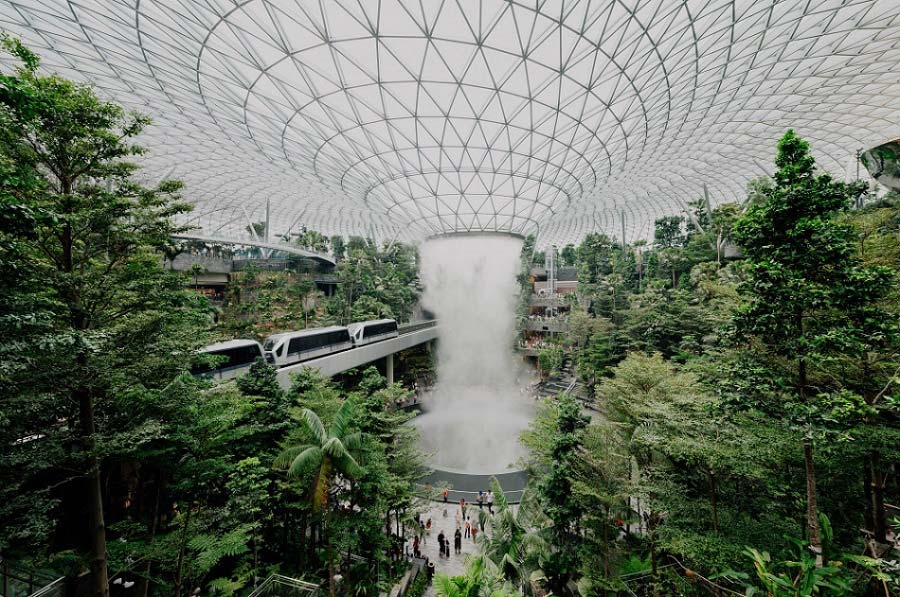
Real-life examples teach us valuable lessons about successful adaptive reuse architecture implementation. Architects and developers in a variety of contexts have discovered innovative ways to give existing structures a new purpose.
Working with Historic Buildings
Historic preservation method represents a meaningful approach toward adaptive reuse architecture. There are many projects that maintain the exterior aesthetics, but adapt interior functions to serve communities better. Balancing energy performance with preservation requirements becomes crucial while working with historically important buildings. Historic designations might restrict certain aspects of projects, yet they can make projects financially viable through tax credits.
Converting Industrial Spaces to Residential Use
Old factories and warehouses make exceptional candidates for residential conversion. The high ceilings in these industrial buildings, which often reach 15 feet, allow deeper floorplates than modern construction. Large windows flood these industrial buildings with natural light – a design feature from the pre-electricity era. The Adaptive Reuse Ordinance of 1999 in Los Angeles resulted in about 20,000 new housing units from existing buildings.
Adaptive Reuse Interior Design Considerations
Modern needs should blend with a building’s character during interior adaptations. Raised floors integrate new systems while preserving historic integrity. Deep buildings become more functional through embedded spaces and creative vertical layouts. The project’s historical narrative grows richer when materials from structural alterations find new life as decorative elements.
Learning from Successful Adaptable Architecture Projects
Ortlieb’s Bottling House in Philadelphia is a prime example of industrial-to-office conversion. This 1948-factory-building now houses an architecture firm that thrives with the structure’s high ceilings and natural ventilation. Austin’s Highland Mall evolved from a failing shopping center into a bustling college campus.
These successful projects clarify the importance of matching existing structures with their intended new functions.
Conclusion
Adaptive reuse architecture provides a practical response to modern building challenges. It preserves history while delivering measurable financial and environmental returns. ‘
Early engineering decisions, ranging from structural assessments to material reinforcement contributes a critical role in reducing future repair costs and in extending a building’s functional lifespan significantly.
Careful planning, durable materials, flexible layouts, and well-documented systems help prevent costly surprises and simplify long-term maintenance.
Projects, which can thoughtfully transform industrial or historic structures has already proven how adaptable design strengthens communities and protects architectural heritage.
When buildings evolve instead of face demolition, these structures create lasting value and more resilient spaces for the future.
Also Read: 20 Incredible Adaptive Reuse Projects in India and the World
FAQs on Adaptive Reuse Architecture
1. What Are the Key Steps in Planning an Adaptive Reuse Architecture Project?
The main steps of an adaptive reuse architecture project are: structural assessment, feasibility study, code-compliance review, cost analysis, and the design of flexible layouts suited to the new function.
2. Is Adaptive Reuse Cheaper than New Construction?
Yes, adaptive reuse often reduces material and demolition cost, and foundation costs and hazards. It also lowers long-term maintenance expenses and may qualify for tax incentives.
3. What Types of Buildings are Best Suited for Adaptive Reuse?
Warehouses, factories, offices, schools, and historic buildings work best because of their strong structures, open layouts, and flexible design potential.
4. How Does Adaptive Reuse Reduce Future Repair and Maintenance Costs?
It strengthens existing structures, uses durable materials, improves system access, and integrates modern engineering to prevent failures and costly repairs.
5. What are the Biggest Challenges in Adaptive Reuse Projects?
Common challenges include structural limitations, code compliance, hidden damage, outdated systems, and integrating modern requirements with existing designs.
Author & Expert Review
Written By:  Swagata Chatterjee | SEO Content Writer & Editor
| Credentials: MA (Calcutta University, Kolkata). Experience: Content Writer and Editor with 19 years’ experience of business content writing and editing, currently writing SEO-optimized, readers’-friendly articles for Gharpedia, part of SDCPL. Expertise: Specializes in writing well-researched content on lifestyle, home décor, , lifestyle, safety, home appliances and gadgets, on-site SEO Optimization, blending technical accuracy with general reader’s ability to learn the topics. Find her on : Linkedin |
Verified By Expert:  Mansi Shah – Architect & Architectural Content Writer, SDCPL | B.Arch.
This article has been reviewed for architectural and interior design accuracy by Mansi Shah, an Architect associated with Sthapati Designers & Consultants Pvt. Ltd. (SDCPL). With over 25 years of professional experience in architectural planning, design development, detailing, and on-site execution of residential, commercial, and institutional projects, she brings deep expertise in architecture and interior planning, material selection, construction practices, and building bylaws. Her review ensures the content reflects practical design principles, interior space efficiency, and industry-aligned architectural standards.
Find him on: LinkedIn