Table of Contents
Quick Summary
- Explores how theatrical lighting and composition elevate home design visuals
- Explains why cinematic storytelling works so well in kitchens and open-plan interiors
- Breaks down how AI tools replace complex interior rendering workflows
- Shows how layered lighting, textures, and hero elements create emotional impact
- Walks through a step-by-step AI workflow from prompt writing to final poster
- Highlights real-world uses for AI interior posters in portfolios and client pitches
Home design thrives on illusion, making spaces feel grander than their square footage. Imagine a single dramatic spotlight illuminating a gorgeous painted kitchen backsplash, with a self-confident velvet-upholstered island stool in the foreground of your compact kitchen. Suddenly, it evokes a fancy palace banquet hall, a cozy farmhouse gathering, or a serene spa retreat. This same magic now captivates screens through striking posters of kitchen redesigns, open-plan living, and interior decor, building atmosphere before the first cabinet door swings open.
AI image editor and editors make this accessible without hiring a full interior design team. Whether revamping shaker-style kitchen cupboards or envisioning an open-plan haven, these tools deliver professional-grade imagery that turns concepts into immersive visuals.
Home Interiors as Theatrical Art Edits
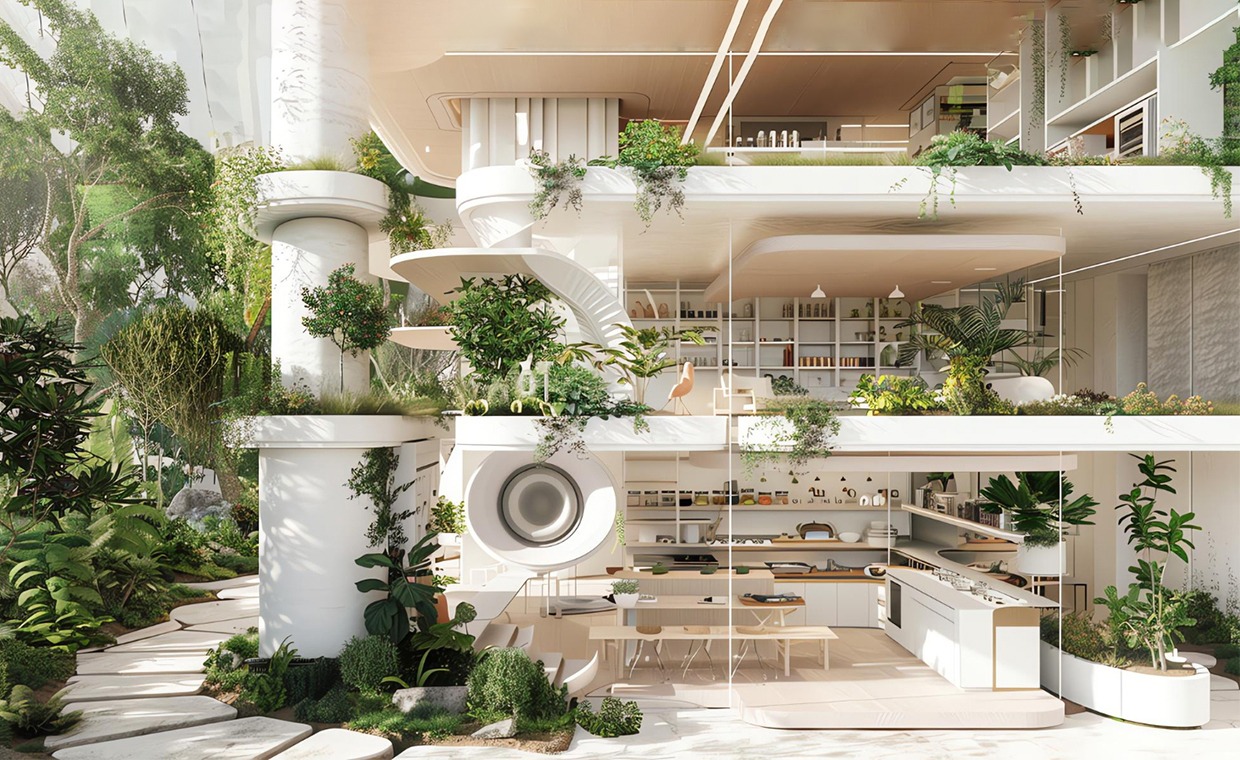
Forget flat, one-dimensional sketches of standard kitchen layouts or open-plan drafts. Today’s AI tools let you layer in details so vivid that viewers feel compelled to reach out and touch the screen. A compelling poster can conjure a family dinner scene, spark dining table ideas, build expectations for multifunctional living, or celebrate a trendy cabinet update through masterful element placement.
Leverage AI platforms to realize bold interior fantasies like slim shaker cabinets shimmering under stage lights, bringing them vividly to life. Incorporate a dresser into a charming kitchen makeover, craft a mood board igniting drama in an open-plan living room, or build a poster for your portfolio. The goal? Captivate attention and stir emotions tied to home life. At its best, your design isn’t just visual-it’s immersive interior storytelling, a well-acted home tour.
Why Theatrical Art Feels Filmic in Residential Design
The secret to layered art in home design posters lies here: real homes are built in layers. Natural light filters through open-plan windows, kitchen islands protrude with textured shaker fronts, walls recede into detailed backsplash shadows, and clothes drape over bar stools. Replicate this in your poster, and you bridge the gap from blueprint to a breathing, lived-in interior.
Theater-inspired overlays in home design posters use stage-like compositions:
- An emotional focal “hero” element, like a sleek, slim shaker cabinet door bathed in a soft pendant glow.
- Background elements set the room’s mood, such as warm wood paneling in kitchens or expansive glass walls in open-plan spaces.
- Floods of light or color for atmosphere-an amber evening glow around kitchen zones or cool blues over multitasking living areas.
- Subtle details like steam from a countertop diffuser, grained cabinet wood, or gently folded linen napkins on an island add a lived-in charm.
With AI tools, creation is intentional: generate interiors precisely, then refine ambiences tailored to home trends, from furniture decor to open-plan layouts. Features like smart inpainting let you tweak specifics without disrupting harmony-enhance the shine on slender shaker edges for a luxurious feel, add light splashes in recessed areas, or erase distracting appliance cords in one go.
Advanced Techniques in Scenic Interior Generation
This is where interiors get thrilling. Sophisticated AI features across generators allow pinpoint edits: boost cabinet hardware details for upscale appeal, darken shadows in a romantic pantry nook within an open-plan space, or layer sunset hues on a breakfast bar’s cabinetry. A few quick adjustments, and it matches your vision perfectly.
Use built-in photo enhancer to sharpen quality for large prints or showroom displays. Rough sketches evolve into polished posters ready for studio walls, client pitches, or inspiration boards. Test micro-effects like steam wisps or textured grains, creating atmospheres that feel authentic and aspirational.
From Concept to Interior Aesthetic Narrative
Every standout home design poster starts with a spark in your mind. Ask: What impression do I want in the first two seconds on a Pinterest board, design app, or model home wall? For coziness, angle warm spotlights over bumpy shaker cabinets with soft shadows pooling around bar stools. For modernity, blend large windows with open shelving and smooth, minimalist cabinetry. Nail the emotional hook for kitchens or living spaces, and AI tools amplify it with theatrical depth.
AI Stagecraft: Turning Home Ideas into Poster-Ready Interiors
AI transforms fleeting ideas into shareable realities perfect Instagram stars for kitchen trends, open-plan gallery walls, or custom decor portfolios. Here’s a streamlined process using any robust AI image generator:
Step 1: Craft a Detailed Prompt for Your Home Design Poster
Launch your chosen AI tool’s creative interface and input a rich prompt detailing key element: room layouts like kitchen islands or open spaces, lighting, cabinet styles, and mood. Vivid language ensures the AI captures your dream accurately.
Example for a kitchen cabinet poster: “A striking slim shaker cabinet in deep walnut finish stands alone under a blazing spotlight in a dark-stage open-plan kitchen, surrounded by plush velvet-clothed bar stools and flowing curtains framing huge windows, mist curling from a countertop diffuser at the base, warm golden light streaming across textured backsplash tiles, styled like a movie interior design cover full of gold tones, bright colors, and trend-setting 2026 vibes.”
Step 2: Set Parameters and Generate
With prompt ready, select a model suited to your style (realistic for photo-like renders, artistic for stylized posters), aspect ratios (tall for Instagram stories, wide for open-plan layouts, square for prints), and resolution (1K for quick tests, 2K+ for pro results). Generate posters, and watch your theatrical kitchen or living room materialize, refine iterations as needed.
Step 3: Customize and Download
Image in hand? Dive into inpainting or out painting tools: refine cabinet door profiles, add track lighting shadows, highlight hero elements like hardware pulls with expand/remove/retouch options. Iterate until it embodies your signature style. Download high-res versions for decor mockups or personal collections.
Bringing Theatrical Cuts to Real-Home Reality
Post-poster, applications explode in home design. Overlay prints on kitchen models, integrate into open-plan redesign plans, or showcase stage-inspired cabinet makeovers for immediate impact. Digital versions offer flexibility: swap shaker styles from flat-panel to slim, alter island materials, test open-plan furniture flows no costly revisions needed.
These shine for:
- Cabinet trend reveals or open-plan transformations as social teasers.
- Kitchen and living space concepts in client pitches.
- Layered home stories in portfolios.
- Seasonal decor lookbooks with theatrical moods.
Why Theatrical Art Matters in Digital Home Design
3D tours dominate online, but don’t dismiss the poster a single captivating image can imply a full walkthrough. It narrates space, pins the style (slim shaker contemporary? Open-plan rustic chic?), and pulls viewers into personalized kitchen or living room fantasies.
The Final Curtain Call with AI Interiors
Home design’s genius blends vivid fantasy with precise execution. It starts as a raw room vibe, layers in cabinet trends, open-plan flows, lighting, and texture, then perfects the presentation. AI tools democratize this for aspiring pros or decor enthusiasts craving movie-like room vibes. Stir your original kitchen or open-plan idea into poster reality, and earn applause no interior should be less than its stage.
Also Read: 15 Innovative home design and decor applications
FAQs – AI Interior Design Art
1. What is theatrical interior design art?
It is a visual approach that uses dramatic lighting, composition, and mood to make interior spaces feel cinematic and emotionally engaging.
2. Can AI really replace traditional interior renders?
AI does not replace technical drawings, but it excels at creating mood-driven visuals quickly for presentations and marketing.
3. Which rooms work best for AI-generated posters?
Kitchens, open-plan living areas, and feature walls work especially well because lighting and focal points add strong drama.
4. Are AI interior posters suitable for client presentations?
Yes, they help clients emotionally connect with a design concept before committing to physical changes.
5. Do I need design experience to use AI interior tools?
No, clear prompts and basic visual understanding are enough to create compelling results.
Author & Expert Review
Written By:  Gaurav Mishra | Civil Engineer & Content Writer
| Credentials: B.E. (Mahavir Swami College, Surat), Registered with Bhagwan Mahavir University (BMU). Experience: Civil Engineer with 5+ years of content writing experience, currently writing impactful articles for Gharpedia, part of SDCPL. Expertise: Specializes in writing well-researched content on residential construction, construction materials, design planning, on-site practices, and safety, blending technical accuracy with everyday clarity. Find him on: LinkedIn |
Verified By Expert:  Farhan Shaikh – Senior Manager – Architect, SDCPL | Associate Member – IIA
This article has been reviewed for architectural and interior design accuracy by Farhan Shaikh, Senior Manager – Architect at Sthapati Designers & Consultants Pvt. Ltd. As the lead for all architectural and interior projects at SDCPL and an Associate Member of the Indian Institute of Architects (IIA), he brings hands-on experience in architectural planning, interior design, project coordination, and sustainable strategies. His review ensures the content reflects practical design considerations, industry best practices, and real-world applicability across both architecture and interior spaces.
Find him on : Linkedin