Table of Contents
Quick Overview
Here is the quick summary of benefits of a roof built for coastal living:
- Coastal-specific roofs are built for durability and weather resistance.
- Salt and corrosion-resistant materials extend roof lifespan.
- Improved insulation helps with year-round energy efficiency.
- Reduced maintenance and long-term cost savings.
- Enhances home value, appearance, and homeowner peace of mind.
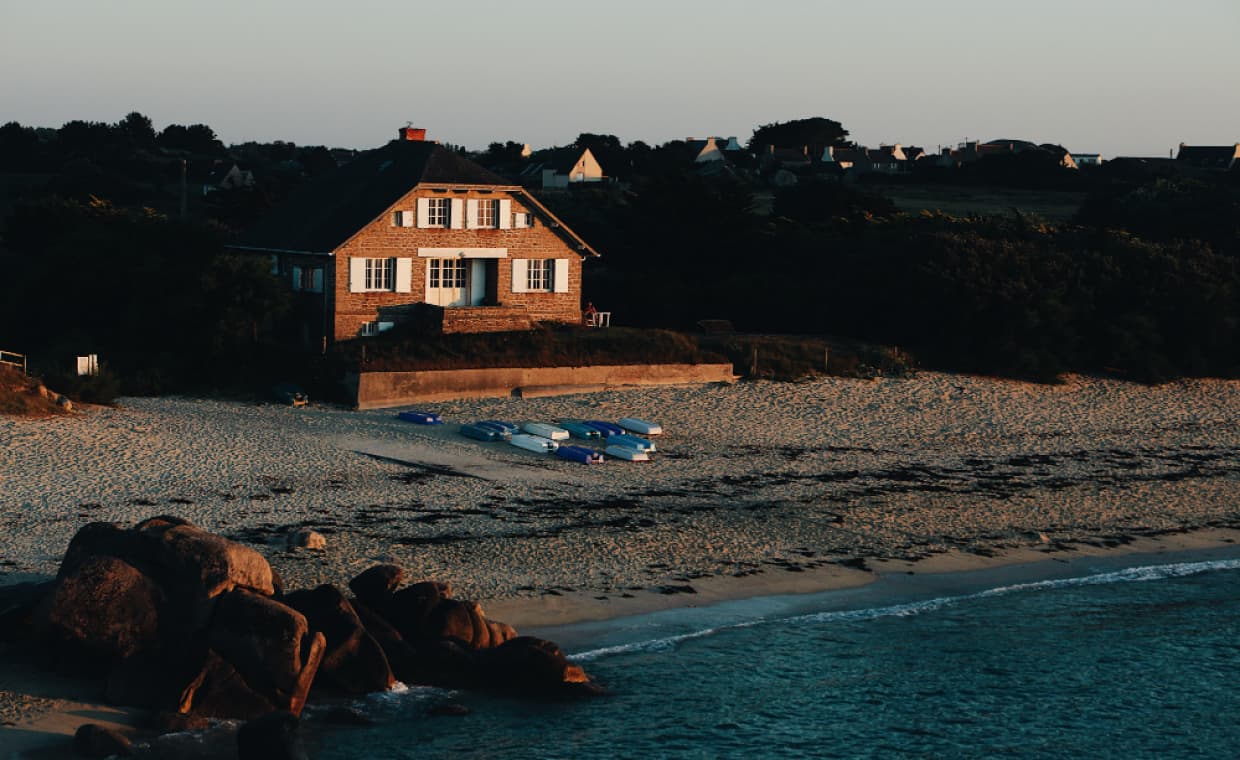
Coastal places promise a lifestyle filled with ocean views, salty air, and a climate that oscillates between calm and intense. The surroundings are undoubtedly beautiful, but they also have unique demands on the homes, especially the roofs. Coastal environments wear down your homes faster, requiring frequent repairs and structural refinements that inland homes would hardly ever need. That is why choosing a roof built for coastal living offers both meaningful and long-term benefits.
Built to withstand Maritime Weather
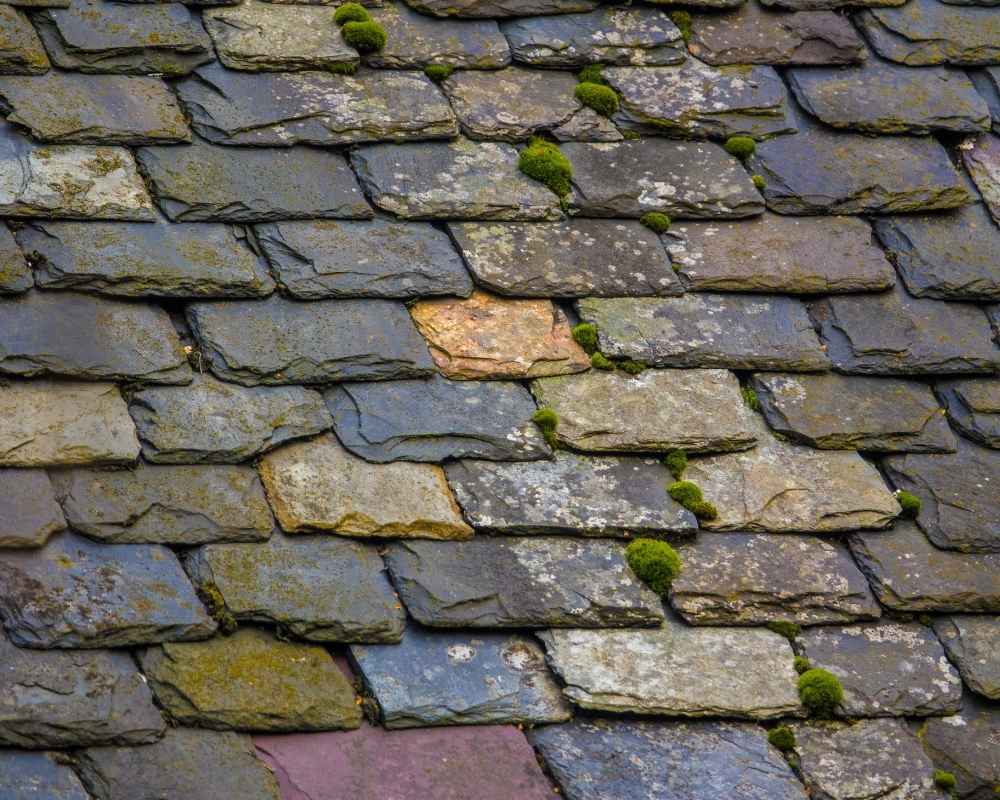
Wind-driven rain, powerful gusts, moisture-laden air, and freeze-thaw cycles are common in coastal regions and often put roofing systems to the test. A standard roof can withstand for a few years, but over time, these weather elements can cause deterioration in the construction’s weak points.
The materials used for coastal climates are durable and resilient. One example is the natural slate. It resists warping, cracking, and even water absorption. It also helps maintain the strength amidst harsh winters and blustery autumn storms. If you are a homeowner, when exploring options in roofing Dartmouth, you will realize that durability is not only a preference but a necessity in a maritime setting.
Protection Against Salt Exposure
A majority of premature roof ageing near the coast is due to salt in the air. This salt can corrode the metals, degrade the coatings, and weaken fasteners. Roofing systems designed for coastal environments address this problem through corrosion-resistant components and materials that are naturally unaffected by salt exposure. All this eliminates the chances of structural stress while also helping to maintain the roof’s integrity. And this is true even for homes that sit directly in the path of ocean winds.
Improved Energy Efficiency Year-Round

A coastal roof built robustly not only withstands the weather but also lasts. It also supports a comfortable indoor temperature. Interestingly, premium roofing materials offer better insulation, thereby helping regulate heat transfer. This enables the homes to stay cooler in summer and warmer in winter. These energy-efficiency related qualities of roofing systems stand out to homeowners in coastal regions.
Finding Guidance for Coastal Roofing Choices
Homeowners can derive the maximum benefits of a quality roofing system when they choose providers like Artisanroofing.ca. It is crucial to have a clear understanding of the materials, techniques, and considerations specific to these kinds of climates before you begin the roof work for coastal homes. You can make better decisions based on long-term performance instead of short-term fixes.
Residing at the coast will present spectacular scenery, sea air and a leisurely way of living. Nevertheless, there are other special problems in coastal environment affecting home owners- particularly regarding roofing. Great winds, salt-infused air, bright sunshine, and heavy rainfall have the potential to greatly reduce the life of a normal roof. The investment that is very prudent and offers long-lasting security, reliability, and tranquility is to select a roof that is specifically intended to be used in coastal living.
Constructed to Resist Rugged Coastal Conditions
Roofs along the coast are designed to withstand harsh climatic conditions that are typical of the ocean. Storms and hurricanes cause strong winds, which are easily able to lift or destroy the traditional roofing materials. Roofs of coastal-grade consist of a design that is resistant to the wind, fasteners that have increased strength, and heavier building materials such that even when extreme weather occurs, the roof would still be safe. This has increased building stability, which minimizes the exposure to expensive repairs and emergency replacement.
High-end Salt and Moisture Resistance
Salt corrosion is one of the greatest dangers to the roofs of the coastal regions. Metal components can be corroded, weakened, and degrade at a faster rate with salt particles that are transported by sea air. Roofs constructed to withstand coastal habitation are made of corrosion resistant materials like aluminum, stainless steel, coated metal or altered shingles. These materials eliminate rusting and rotting which prolongs the life of the roof and preserves its integrity even in the future.
Saving of Costs and Minimized Maintenance in the Long-Term
Whereas coat-related roofing materials might be more expensive in the short term, they can save a lot of money in the long term. Such roofs would also need fewer repairs and less frequent maintenance than the normal ones. They are durable thus lowering chances of leakages, moulds and structural damages. In the long run, the homeowners will experience reduced repair costs, replacement, and insurance claims, and coastal roofing option becomes cost-effective.
Better Energy Conservation and Interior Comfort
Rooftops along the coastlines are frequently constructed in a manner that conserves energy. Reflective surfaces and adequate ventilation will control the temperatures of the indoors by lowering the heat consumption of the strong sunlight at the coastal parts. This is because it will lead to reduced cooling expenses in the hot season and better living conditions throughout the year. A green roof also helps to achieve less carbon foot print therefore it is an environmentally responsible choice.
Added Property Value and Beauty
The roof constructed in a seashore environment does not merely work effectively, it is attractive as well. The roofing materials that are used on the coastal areas come in a huge array of style and colour that are complimentary to the seashore buildings. A long-lasting roof that is waterproof will increase the curb appeal and will help the potential purchasers to be confident that the house is well constructed and will not fall. This will go a long way in adding value on resale particularly where the real estate in the coastal areas is competitive.
Peace of Mind: Coastal Homeowners
The best advantage of a coastal-ready roof might be, perhaps, peace of mind. The knowledge that your place is secure to salt air, storms and moisture will give you the privilege to enjoy the seaside without worrying always. A strong roof is safe, comfortable, and reliable over a long period of time.
Final Words
When you choose a roof built for coastal living, you are taking the necessary step in ensuring resilience, comfort and longevity. The right material can easily overcome weather changes, and the presence of salt in the air. A well-chosen roof is one of the most essential elements of a house. Find out who are the leading service providers in the city and get in touch with them at the earliest. Make sure to ask all the necessary questions right at the start so that when the work starts there is no confusion or any kind of doubts.
A roof that is selected to withstand the coastal environment is an investment in both longevity and effectiveness and in the value of the long run. Having excellent weather resistance, reduced maintenance requirements, and improved protection, coastal roofing solutions offer to the homeowners lasting rewards that are indeed one that withstands the test of time.
Also Read: Which Roofing Option is Right for Your Home?
FAQs on Benefits of a Roof Built for Coastal Living
01. Why do Coastal Homes Need Special Roofing?
Coastal homes face salt air, strong winds, moisture, and storms that wear roofs faster than inland environments.
02. What Roofing Materials are Best for Coastal Areas?
Durable, corrosion-resistant materials like natural slate, coated metals, aluminum, stainless steel, and modified shingles.
03. How does Coastal Roofing Impact Home Resale Value?
Coastal-ready roofs can enhance curb appeal and provide buyers with confidence in durability, potentially increasing resale value in coastal markets.
04. How do I Choose a Contractor for Coastal Roofing?
Look for local contractors with demonstrated experience in coastal environments, references from coastal projects, knowledge of salt-resistant materials, and familiarity with regional wind and weather codes.