Table of Contents
Quick Summary
- This guide explains why choosing the right kitchen slab is essential for both daily use and long-term value.
- It covers key selection factors such as durability, hygiene, heat resistance, and maintenance.
- The article highlights how modern engineered surfaces outperform traditional materials in performance and safety.
- Design tips help match slab colours and finishes with different kitchen styles.
- Readers gain clarity on selecting a slab that balances aesthetics, functionality, and durability.
The kitchen is the most dynamic part of your home. It is where families gather, meals are prepared, and creativity comes to life. With constant movement, heat, spills, and daily cleaning, every element of the kitchen must be selected thoughtfully, especially the countertop. Choosing the best kitchen slab material is not just about style. It is about performance, hygiene, durability, and long-term value.
Modern homes demand surfaces that combine beauty with advanced functionality. From sleek minimalist designs to warm natural textures, kitchens today are expected to handle both aesthetics and heavy usage. This guide helps you explore what truly matters when selecting the perfect kitchen slab and how you can make an informed decision for your home.
Why Your Kitchen Slab Matters More Than You Think?
A kitchen slab handles everything, from hot pots and heavy appliances to chopping, spills, stains, and frequent wiping. This is the one surface you interact with every single day, so the material must be:
- Strong enough to last for decades
- Hygienic and safe for food
- Resistant to heat, stains, scratches, and chemicals
- Easy to clean and maintain
- Visually pleasing and aligned with modern design trends
If these factors are ignored, the countertop may show early signs of damage, uneven color patches, cracks, or hygiene issues. That is why choosing the best kitchen slab material is essential for a trouble-free and stylish kitchen.
Key Factors to Consider Before Selecting Your Kitchen Slab
Every kitchen has different needs. Here are the most important factors to guide your selection.
1. Durability and Strength
Your slab should withstand all kinds of activity, from light meal prepping to heavy-duty tasks. The strength of a kitchen surface depends on:
- How the material is formed
- Its resistance to scratches and impact
- Its ability to handle temperature changes
Modern engineered surfaces perform exceptionally well here due to higher hardness, uniformity, and resistance to cracking. Natural stones offer good strength but may have unpredictable weak spots.
2. Hygiene and Cleanliness
The kitchen is a space where hygiene can never be compromised. Surfaces that absorb liquids, oils, or food particles can develop stains or microbial growth over time.
The best kitchen slab material must be:
- Non-porous
- Antibacterial
- Liquid-repellent
- Easy to clean
Non-porous surfaces prevent liquids from seeping into the slab, keeping the slab food-safe and odour-free.
3. Heat Resistance
In busy kitchens, hot pans or trays may be placed accidentally on the counter. Some surfaces crack, discolour, or get damaged under high heat. A good kitchen slab must tolerate temperature variations without bending, burning, or changing appearance.
Materials fired at extremely high temperatures offer superior heat resistance and remain reliable even in intense cooking environments.
4. Stain and Chemical Resistance
Daily exposure to cleaning liquids, spices, acidic juices, and oils can shorten a slab’s lifespan. A kitchen slab must not react to such substances.
Choose a material that:
- Resists stains
- Does not react to detergents
- Maintains its finish after repeated cleaning
This ensures that spills do not become permanent marks.
5. Scratch and Abrasion Resistance
Even with chopping boards, kitchen slabs often face accidental scratches from knives, cutlery, or cookware. A material with high hardness ensures your countertop stays smooth and elegant even after years of use.
Look for slabs with advanced scratch-resistant technology to maintain a fresh, polished appearance.
6. UV Resistance
If your kitchen has large windows or receives direct sunlight, the slab should remain unaffected by UV radiation. Some materials fade or darken, which affects the overall kitchen look.
UV-resistant materials maintain the original colour and brightness even with daily sun exposure.
7. Maintenance Requirements
Modern families prefer surfaces that are easy to clean and require minimal maintenance. Some slab materials require sealing, polishing, or special cleaning agents. Others stay beautiful with just a simple wipe.
Choosing a slab with low maintenance needs saves time, effort, and cost in the long run.
8. Aesthetic Versatility
Your countertop plays a huge role in setting the mood of your kitchen. The best kitchen slab material should offer styles that match various themes, like:
- Modern minimal
- Industrial chic
- Natural stone inspired
- Soft pastel interiors
- Bold contemporary looks
A wide variety of colours, textures, and patterns gives you the freedom to personalise your kitchen.
Popular Materials Homeowners Consider
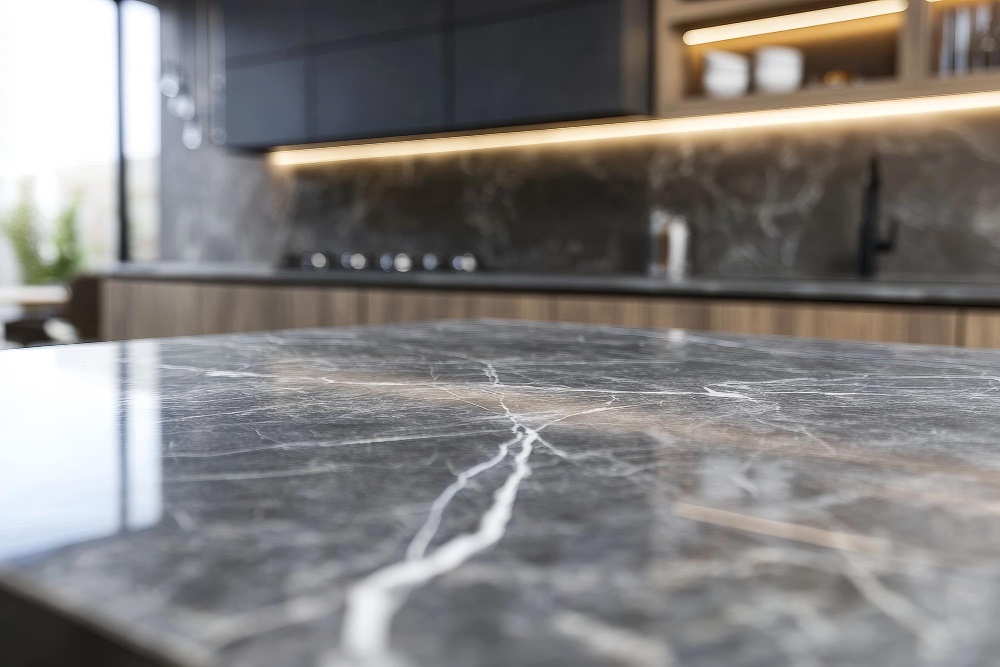
Several materials are available today, but not all meet modern performance expectations. Homeowners often look for:
- Slabs that combine durability and elegance
- Surfaces that are hygienic and long-lasting
- Shades that match cabinets, walls, and flooring
While natural stone offers beauty, its maintenance requirements, porosity, and limitations make engineered surfaces a practical and advanced choice for modern homes.
Why Engineered Surfaces Are a Top Choice for Today’s Kitchens?
Engineered slabs developed using advanced technology have quickly become the first preference for many modern homeowners. These surfaces are crafted from natural minerals and refined using controlled manufacturing methods to achieve:
- Non-porous surfaces
- Antibacterial protection
- High resistance to heat and chemicals
- Strong scratch and abrasion resistance
- Liquid repellent finish
- Consistent design and superior strength
Because of these features, engineered surfaces solve many problems associated with natural stones, making them one of the most reliable choices for busy kitchens.
Matching the Slab to Your Kitchen Design
Every kitchen has its own personality. Here is how you can choose smartly:
- For bright and open kitchens, choose soft whites, light greys, or pastel tones.
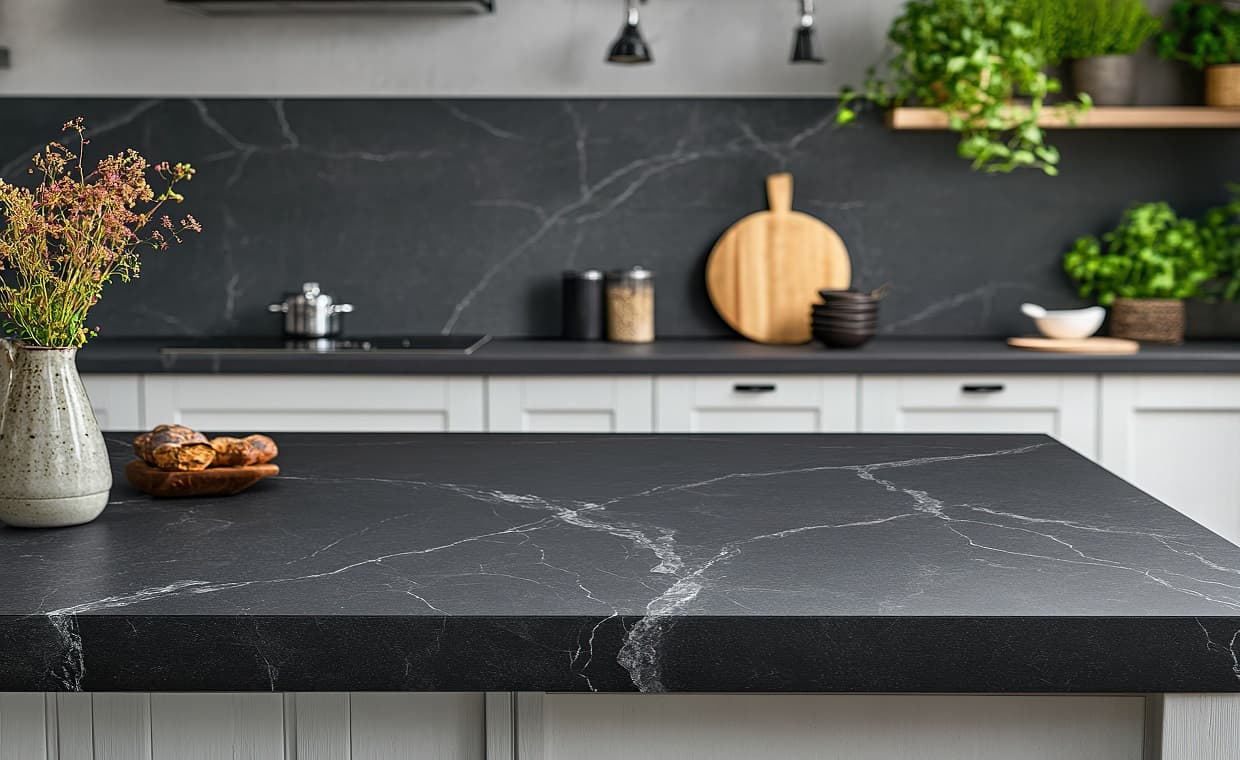
- For bold designs, choose dark charcoal, graphite, or deep marble finishes.
- For minimal interiors, smooth matte finishes work beautifully.
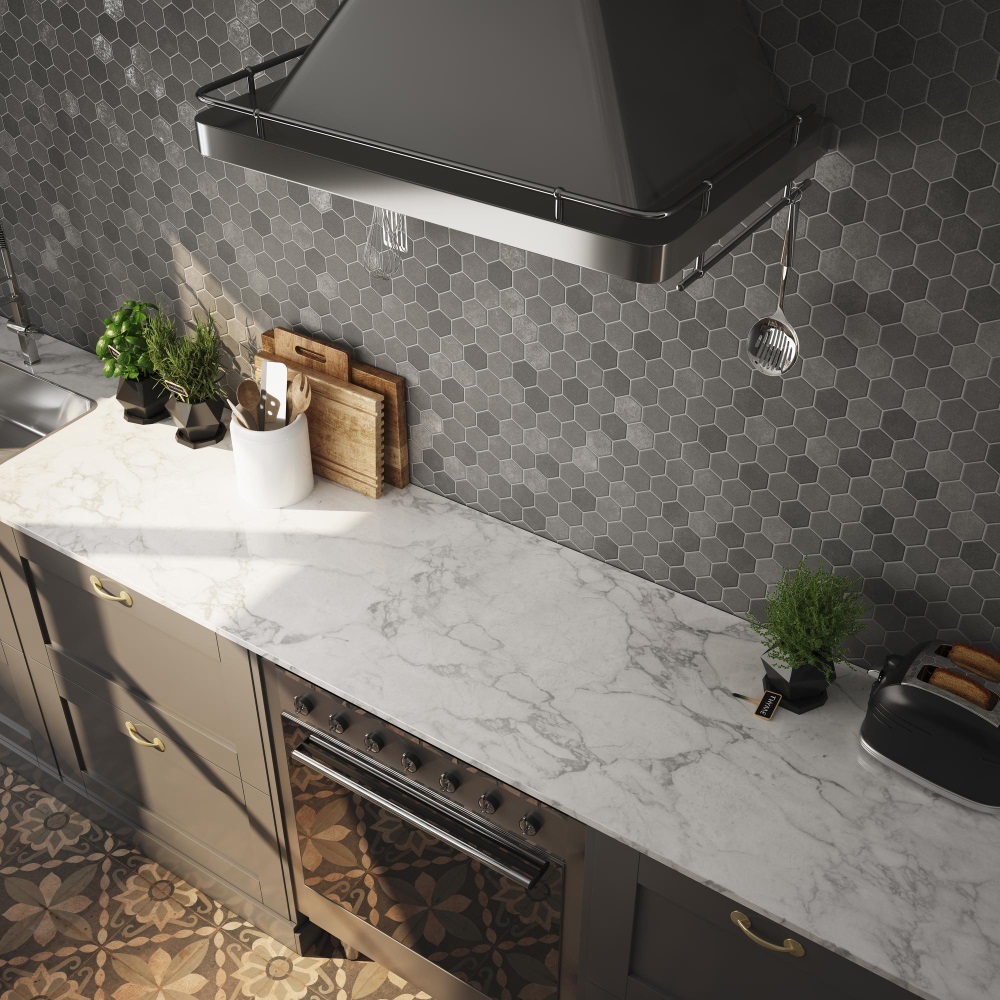
- For stone-inspired themes, selectveined or marble-look slabs.
- For high-activity kitchens,pick materials with the highest resistance to scratches and stains.
The right slab will balance functionality and style while blending effortlessly with cabinets, appliances, and flooring.
Choosing a Surface Built for Long-Lasting Beauty
Kitchen slabs are long-term investments. Whichever material you choose must stay strong, hygienic, and visually appealing for many years. Investing in advanced materials ensures you get value in terms of performance, safety, convenience, and aesthetics.
Engineered surfaces developed through high-temperature firing and modern manufacturing technologies, such as those used by brands like Neotra Advanced Surfaces, deliver reliable durability and often come with certifications like NSF and IGBC for added assurance. These innovations offer a long-lasting solution with minimal maintenance and maximum reliability.
Final Thoughts
Selecting the best kitchen slab material for a modern home requires more than comparing colours. You must consider hygiene, heat resistance, stain safety, scratch durability, UV protection, and maintenance. Modern engineered surfaces combine all these qualities, making them ideal for today’s kitchens where performance and design go hand in hand.
If you want a slab that enhances your kitchen visually while delivering long-lasting beauty and reliable performance, choosing an advanced engineered surface will help you achieve the perfect balance between style and functionality.
Also Read: Finding the Right Modern Counter Stools for Compact Living Spaces
FAQs – Best Kitchen Slab Material
1. What is the best kitchen slab material for modern homes?
The best kitchen slab material for modern homes is one that is durable, non-porous, hygienic, and resistant to heat, stains, and scratches, such as advanced engineered surfaces.
2. Why is hygiene important when choosing a kitchen slab?
Hygiene is important because kitchen slabs come into direct contact with food, spills, and moisture, and non-porous materials prevent bacterial growth and odours.
3. Are engineered kitchen slabs better than natural stone?
Engineered kitchen slabs offer better consistency, lower maintenance, and higher resistance to stains, heat, and scratches compared to many natural stones.
4. How do I choose a kitchen slab that matches my interior design?
Select slab colours and finishes based on your kitchen style, lighting, cabinet colour, and overall design theme to ensure visual harmony.
5. Do kitchen slabs require regular maintenance?
Low maintenance slabs only need simple daily cleaning, while some natural stones may require sealing and specialised care over time.