Table of Contents
Quick Overview
- Building renovation types: minor repairs, intermediate repairs, major repairs, reconstruction and comprehensive maintenance.
- Minor repairs emphasize flexibility and rapid response; portable jib cranes aid in efficient material handling.
- Major repairs often require cranes; DRS wheel blocks system offers safe, stable heavy-duty hoisting.
- Standard process: Inspection, planning, material procurement, construction, final acceptance, and ongoing maintenance.
- Precautions: Safety first, material compatibility, professional teams, environmental care, and budget control.
Regular building renovation and maintenance are crucial for ensuring the functionality, to extend the service life, and to enhance the value of buildings. Depending upon their condition and damage, building renovations are categorized into different types, while standardized processes and scientific precautions guarantee efficient and safe maintenance. This guide will give you insights into the core content for practical reference.
Five Common Types of Building Renovation
1. Minor Repair Projects: Daily Refined Maintenance

Focused on maintaining basic building functions, minor repairs address sporadic daily damages promptly. Featuring scattered, random tasks with low technical requirements, small workload, and cost-effectiveness, they demand quick responsiveness. Maintenance scope includes roof repair, door or window maintenance, floor restoration, wall plastering touch-ups, partial structural repairs, equipment servicing, and drainage unblocking, typical examples: roof leak patching, door or window repair, and plumbing troubleshooting. For such scattered, fast-response tasks, portable jib cranes have no fixed foundation and are highly mobile, enabling easy access to narrow spaces and efficiently hoisting materials and tools for high-altitude operations like roof repairs. They reduce labor intensity and improve safety, perfectly aligning with the “flexibility and rapid response” core of minor repairs.
2. Intermediate Repair Projects: Partial Function Restoration
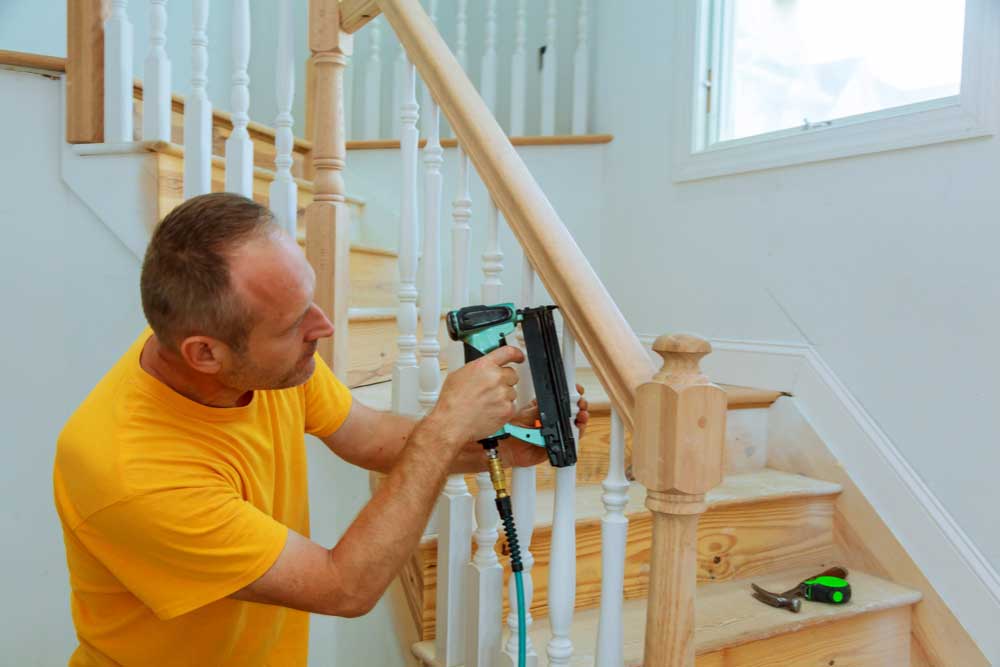
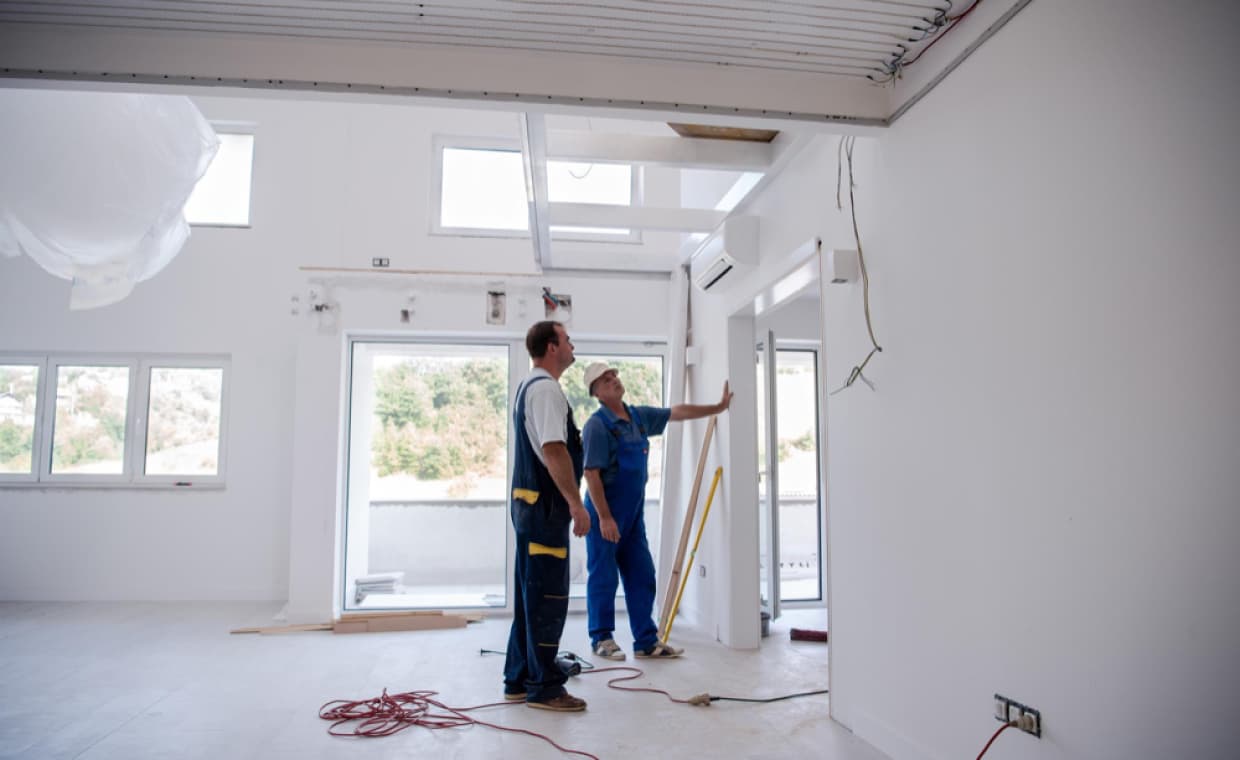
Targeting partial structural or functional recovery, intermediate repairs apply to buildings with slight main structure damage or non-compliant facilities. With concentrated work areas, moderate scale, and regular cycles, their cost is generally within 20% of the new construction cost of similar structures. Scope covers hazard remediation, general damage repair, and public equipment maintenance or upgrades, e.g., full-building door or window replacement, floor or staircase repairs, and pipeline overhauls.
3. Major Repair Projects: Comprehensive In-depth Restoration
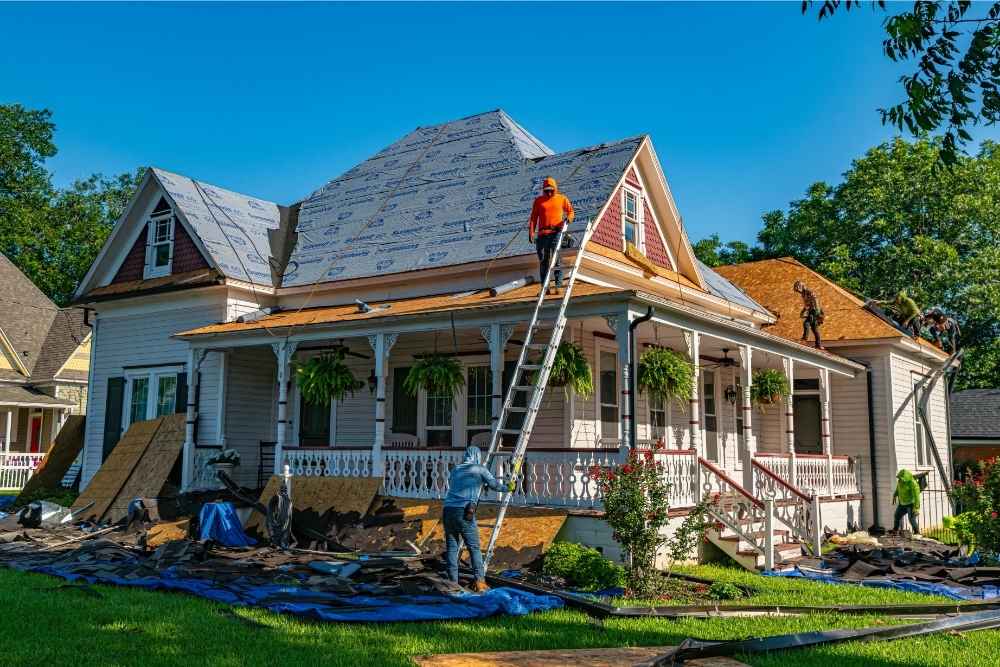
Aiming to fully restore overall building performance, major repairs suit structures with severe main structure or public equipment damage. Characterized by concentrated, large-scale tasks, high costs, and long construction periods, they involve main structure restoration, public facility updates, partial reconstruction, and seismic reinforcement e.g., main structure repairs, pipeline replacement, and local structural modifications. These projects often require cranes for heavy component hoisting. As a core crane component, DRS wheel blocks system offers a wide load range, easy installation or maintenance, and stable operation. It eliminates installation errors, protects wheel and bearing layouts, and ensures safe, efficient heavy-duty operations.
4. Reconstruction Projects: Complete Rebuild & Renewal
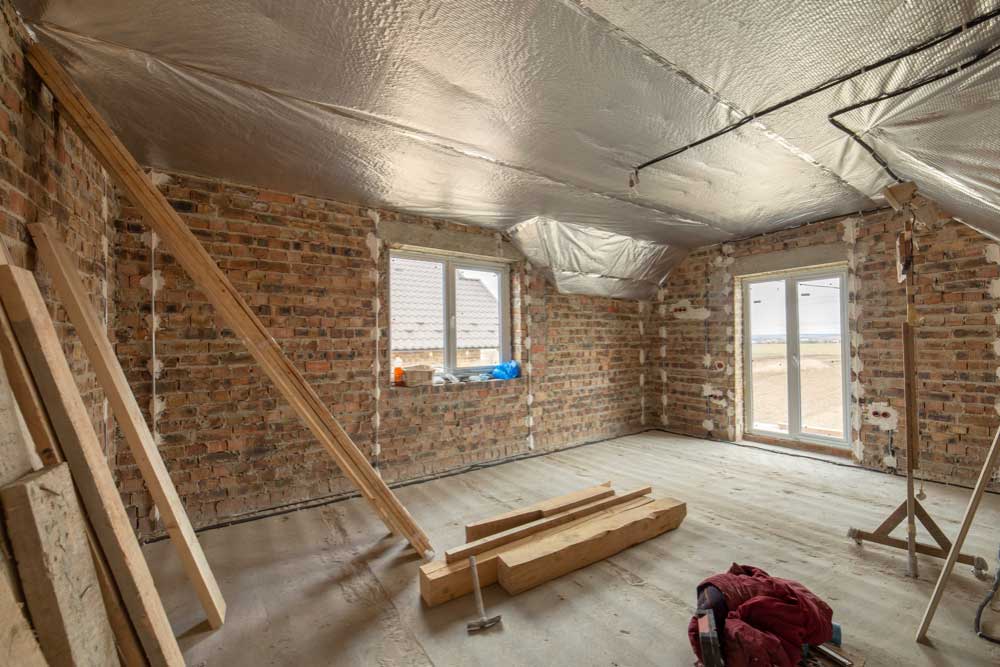
For buildings with collapsed main structures or collapse risks, reconstruction involves full-scale renovation to restore usability. Typical cases: dangerous building remediation and landscape transformation, requiring thorough planning and professional construction.
5. Comprehensive Maintenance Projects: Systematic Multi-Dimensional Renovation
Focused on overall function improvement, these projects involve systematic repairs and structural adjustments across multiple building systems. With large workloads, high costs, and long cycles, they synchronize multiple tasks like plumbing or electrical upgrades, wall renovation, and floor replacement. In shared communities, boards may use a maintenance project loan to keep work moving without forcing rushed budget decisions mid-project, classic example: old residential community renovation addressing roof leaks, wall cracks, outdated doors or windows, and aging pipelines.
Standard Processes & Key Precautions for Building Maintenance
1. Five Core Processes
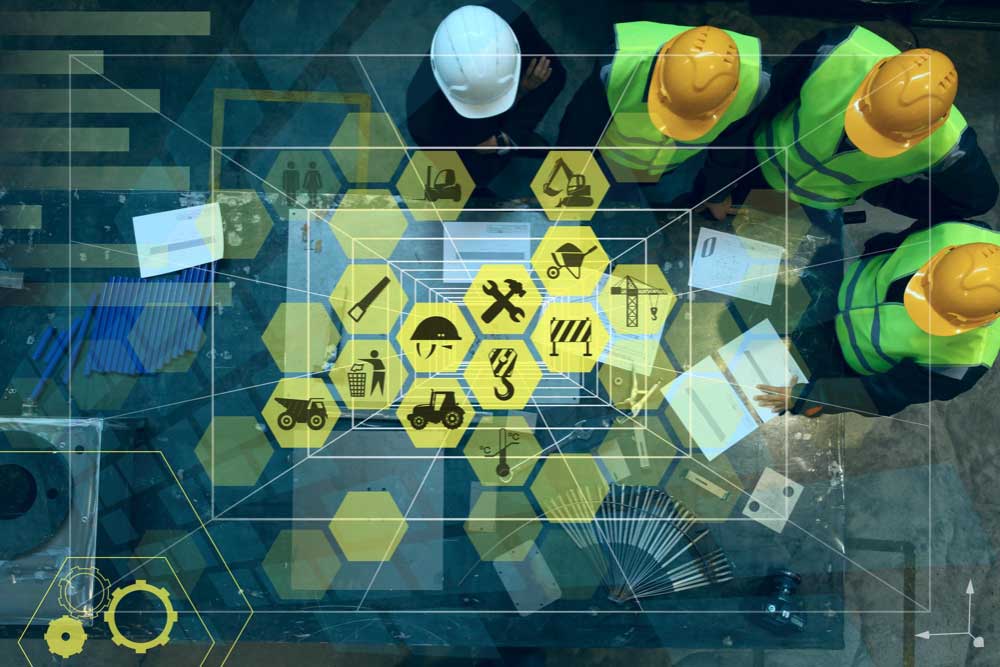
- Inspection & Evaluation: Professionals conduct comprehensive checks to identify damaged areas (exteriors, roofs, pipelines) and assess damage levels/priorities.
- Plan Formulation: Develop detailed plans covering renovation type, materials, construction techniques, budget, and timelines, accounting for potential risks.
- Material Procurement: Source high-quality, original-material-matching products to ensure consistency and durability.
- Construction Implementation: Execute plans in compliance with safety and quality standards, adapting strategies to renovation types (e.g., quick response for minor repairs, structural safety focus for major ones).
- Acceptance & Long-term Maintenance: Conduct strict quality inspections and establish regular maintenance schedules to prevent recurring issues.
2. Five Key Precautions
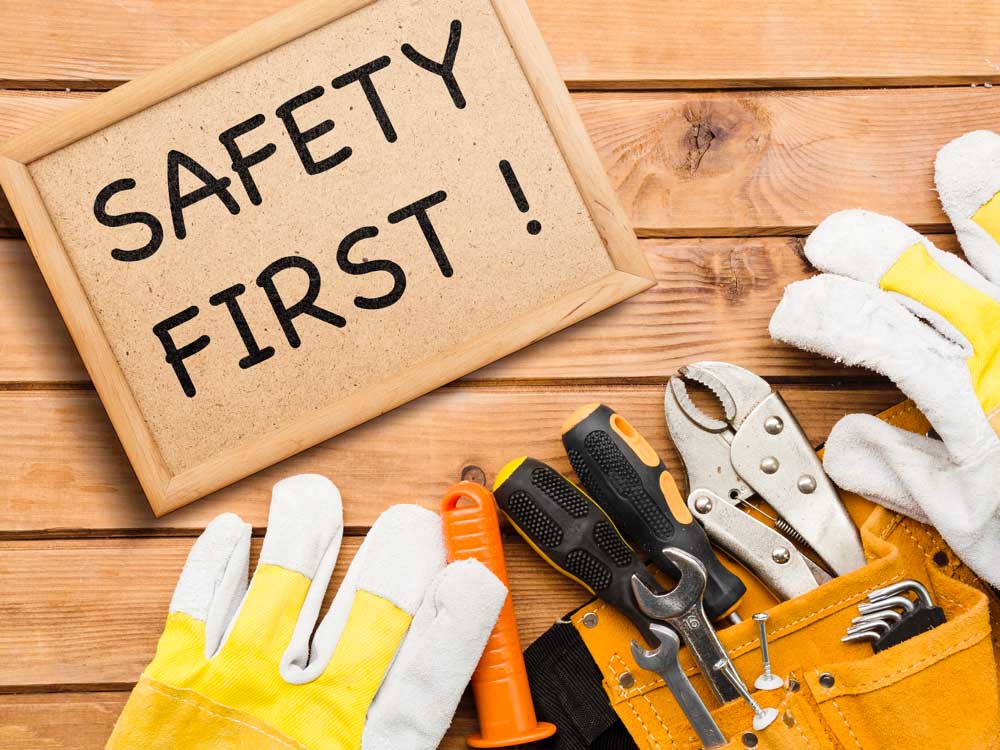
- Safety First: Adhere to safety norms, especially for high-altitude or structural work, using certified protective equipment.
- Material Compatibility: Select materials matching the original building’s performance and specifications.
- Professional Construction: Hire qualified teams with expertise in different renovation types.
- Environmental Protection: Dispose of construction waste properly and minimize noise/dust pollution.
- Budget Control: Optimize costs without compromising quality through accurate evaluation and scientific material selection.
Conclusion
Building renovation and maintenance span the entire structure lifecycle. Scientific classification ensures targeted decision-making, while standardized processes and precautions guarantee effective results. Whether minor touch-ups or large-scale reconstruction, matching the right renovation type, following processes, and prioritizing safety/quality are key to ensuring building safety, extending service life, and maximizing asset value.
Also Read: Building a New House vs. Renovating an Old One
FAQs on Building Renovation and Maintenance
1. Why Regular Building Maintenance is Important?
It ensures safety, extends building life, and keeps functionality intact.
2. When is Reconstruction Needed?
When the main structure is collapsed or at risk of collapse, reconstruction is required.
3. What are the Core Renovation Processes?
Core renovation processes include inspection, planning, material procurement, construction, and acceptance with ongoing maintenance.