






Table of Contents
Quick Summary
- Buying a House in Melbourne 2026 is a good choice.
- Melbourne remains a high-growth property market driven by strong population increase and infrastructure development
- 2026 Melbourne Real Estate market is stabilised, offering better entry opportunities for buyers after interest rate fluctuations
- Growth corridors (north, south-east, west, Geelong) provide affordability, space, and new community infrastructure
- Key buying factors: transport access, school zones, nearby amenities, builder reputation, and development stage
- Property options include house & land packages, display homes, and established homes in maturing estates
- Display homes offer premium, move-in-ready benefits with upgrades included
- Buying process: budget planning, area research, site visits, legal support, and final decision-making
Buying a House in Melbourne 2026 is a smart buying decision. Melbourne is one of the most dynamic property markets in Australia. Also, it is and one of its most rewarding cities in which to put down roots. It’s a city of distinct neighbourhoods, expanding growth corridors, world-class infrastructure, and a quality of life that consistently ranks among the best on the planet. But it’s also a market that rewards preparation.
If you want to buy a house in Melbourne in 2026, you need to understand Melbourne property market trends 2026 that it involves a smart navigation of a landscape shaped by changing interest rates, continued population growth, and an expanding urban fringe offering genuine value for families and first home buyers. The good news: for those who do their research and understand where to look, the opportunities are real — and the pathway to owning a home here is more accessible than many people assume.
This guide walks prospective buyers through the key considerations, the most promising growth areas, the types of properties available, and the practical steps that make the process manageable.
Understanding Melbourne’s Property Market in 2026
Melbourne’s property market has long been characterised by strong long-term growth underpinned by consistent population demand. According to the Victorian Government’s population data, Victoria’s population is projected to reach over 10 million by 2051. Melbourne is expected to absorb the vast majority of that growth. This sustained demand continues to support property values across the metropolitan area, particularly in outer growth corridors where new housing supply meets genuine buyer need. Hence Buying a House in Melbourne 2026 is a smart idea of investment and relocation to this city.
For buyers considering houses to buy in Melbourne, 2026 presents a market that has stabilised after the rate volatility of recent years. New estates are active, builders are delivering quality stock, and first home buyer incentives continue to make entry into the market more achievable for those who haven’t yet taken the step.
Understanding the broad market is one thing: it is about knowing where within Melbourne to focus your search is where the real work begins and checking houses for sale in Melbourne 2026.
The Best Areas to Buy a House in Melbourne
Several regions consistently emerge as strong options for different buyer profiles.
Melbourne’s Growth Corridors: Where Families Are Heading
The outer growth corridors to Melbourne’s North, South-East, West, and in the Geelong, region have become the destination of choice for families and first home buyers seeking space, value, and access to quality community infrastructure. New master-planned estates in these areas offer something the established suburbs rarely can: a blank canvas — brand new homes, landscaped streetscapes, parks, schools, and retail all being built together.
| Region | Key Areas | Profile | Best Suited For |
| North | Donnybrook, Sunbury, Craigieburn | Growing estates, wide blocks, affordable land | First home buyers, young families |
| South East | Berwick, Clyde North, Officer, Lilydale | Established communities, great schools, amenities | Families, upsizers, lifestyle buyers |
| West | Tarneit, Aintree, Werribee | Fast-growing, excellent highway access | Commuters, families, investors |
| Geelong | Armstrong Creek, Leopold | Coastal lifestyle, strong infrastructure investment | Lifestyle seekers, sea-changers |
What Makes a Growth Corridor Area Worth Buying In?
Not all outer Melbourne estates are created equal. When evaluating a location, buyers should consider the following factors before committing:
- Proximity to existing and planned transport links — train lines, freeway access, and future public transit corridors significantly affect liveability and resale value
- School zoning — access to quality state schools is a priority for families and consistently influences property demand in an area
- Retail and services — estates with nearby shopping centres, medical facilities, and community hubs attract more buyers and hold value more reliably
- Builder and developer reputation — who is building in the estate matters. Established builders with a track record in the region deliver stronger outcomes than lesser-known operators
- Stage of development — buying in an early stage of a well-designed estate often means stronger capital growth as the community matures around you
Types of Houses to Buy in Melbourne
Melbourne’s residential market offers a broad spectrum of property types, and understanding the options helps buyers match their purchase to their actual lifestyle needs rather than getting swept up in what looks appealing on paper.
New House and Land Packages
For buyers who want to customise their home and lock in a clear budget, house and land packages Melbourne in new estates remain one of the most popular entry points into the Melbourne market. The buyer selects a block of land and a home design, signs a fixed-price build contract, and waits for the home to be completed. It’s a clean, transparent process — and the result is a brand-new home built to current energy and construction standards.
Display Houses for Sale in Melbourne
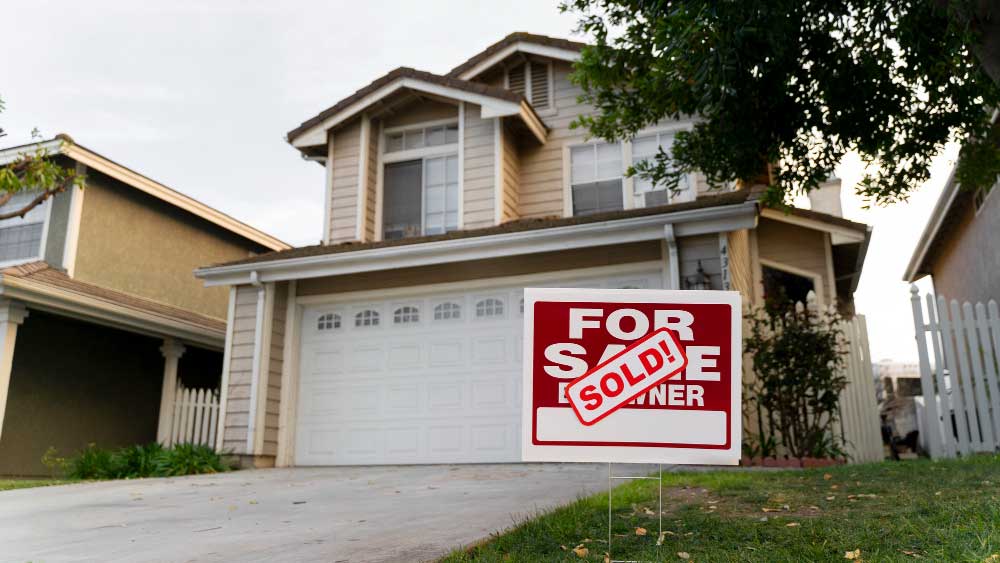
A less widely understood but genuinely compelling option is purchasing a display house for sale in Melbourne. Display homes are fully completed, professionally styled properties that builders use to showcase their designs to prospective buyers. When a display period ends — or sometimes earlier, when builders sell during an active leaseback period — these homes become available to purchase as residential properties, which includes best suburbs to buy in Melbourne too.
The appeal is significant. A display home comes with every upgrade and premium inclusion already installed. The landscaping is finished. The interiors are styled to the highest standard the builder offers. And the buyer knows exactly what they’re getting — because they’ve walked through it. For buyers who want a finished, move-in-ready home without the wait or uncertainty of a new build, a display home purchase is well worth considering.
Established Homes in Maturing Estates
In estates that have been developing for five to ten years, buyers can sometimes find established homes from the original build period available for resale. These properties offer the benefit of an already-formed community — neighbours, parks, schools, and local shops all in place — combined with the lower price point that can come from buying second-hand in a still-growing corridor.
Practical Steps for Buying a House in Melbourne

People who are ready to move from considering to committing, the process of buying a house in Melbourne involves a broadly consistent path. Here’s a practical overview of the process and the first home buyer Melbourne guide:
1. Establish Your Budget and Finance Criteria
Speak with a mortgage broker or lender early. It will help you to understand your borrowing capacity. It will be easier to get a clear idea about the first home buyer grants or stamp duty concessions in Victoria, and what deposit is required for the type of purchase you’re considering.
2. Research Your Preferred Regions
Use the overview above as a starting point, then dig deeper into specific estates, school zones, transport links, and the builders active in each area. Reading estate masterplans and community development timelines is time well spent.
3. Visit display homes
Regardless of whether a buyer intends to purchase a display home or build new, walking through a range of display homes is one of the most valuable things they can perform initially in the buying process.
It calibrates expectations around space, quality, and layout in a way that the screen display of floor plans simply cannot really compete.
4. Engage a conveyancer or solicitor
Victorian property transactions require legal representation for contract review and settlement. If it is possible to engage a conveyancer early, it ensures contracts are reviewed before signing and the legal process proceeds smoothly.
5. Make your decision and move forward
Once the research is done, the finance is in place, and the right property or design has been found, the path to owning a Melbourne home is well-defined. The most important step is committing to the decision and move forward.
Melbourne Remains One of Australia’s Best Places to Buy a Home
For buyers willing to do the work, the Melbourne property market in 2026 offers genuine opportunity. Growth corridors across the city’s North, South-East, West, and Geelong region are delivering well-planned communities and quality housing at accessible price. Display homes offer a premium, ready-to-live-in alternative to traditional builds. And the city itself — with its economy, infrastructure, lifestyle, and projected population growth — continues to underpin property values for the long-term growth and convenience.
Summing Up
Whether it’s a house and land package in a new estate, a finished display home, or a resale in a maturing community, there is a pathway to homeownership in Melbourne that suits every buyer type. The key is knowing where to look — and being ready to act when the right opportunity presents itself.
Also Read: Know the Basics: Your Key Guide to Buying a House for the First Time
FAQs on Buying a House in Melbourne
1. Is 2026 A Good Time to Buy a House in Melbourne?
For most buyers — particularly those with stable employment and a clear budget — 2026 presents a reasonable entry point. The market has stabilised after a period of interest rate adjustments, new housing supply in outer growth corridors is active, and first home buyer support measures remain available in Victoria. Long-term population growth continues to underpin Melbourne property values.
2. What is the Best Area to Buy a House in Melbourne in 2026?
The best area depends on lifestyle priorities and budget. Melbourne’s northern corridor (Donnybrook, Sunbury) offers affordable land in growing communities. The south-east (Berwick, Clyde North, Officer) provides established infrastructure and strong school zones. The west (Tarneit, Aintree) suits commuters and families seeking value close to freeway access. Geelong offers a lifestyle-focused alternative with strong infrastructure investment underway.
3. What Grants or Incentives Are Available for Buying a House in Melbourne?
Victoria offers several support measures for eligible first home buyers, including the First Home Owner Grant for new homes and stamp duty concessions for properties under a certain value threshold. Eligibility criteria and amounts can change, so buyers should consult the State Revenue Office Victoria directly for current information.
4. How Long Does the Process of Buying a House in Melbourne Typically Take?
For a house and land package, from signing a build contract to settlement can take 12 to 24 months depending on land registration timelines and construction schedules. Purchasing an existing or display home involves a more standard settlement process of 30 to 90 days. Engaging a conveyancer early and having finance pre-approved keeps the process on track regardless of the property type.
5. What Should Buyers Look for in Houses to Buy in Melbourne’s Outer Suburbs?
Key factors include land size and block orientation, proximity to transport links and future infrastructure, school zone quality, the reputation of the estate developer and home builder, access to retail and community services, and the overall masterplan and stage of development. Visiting estates in person — and walking through display homes — gives buyers a much clearer picture than online research alone.
Author & Expert Review
Written By:  Swagata Chatterjee | SEO Content Writer & Editor

| Credentials: MA (Calcutta University, Kolkata). Experience: Content Writer and Editor with 19 years’ experience of business content writing and editing, currently writing SEO-optimized, readers’-friendly articles for Gharpedia, part of SDCPL. Expertise: Specializes in writing well-researched content on lifestyle, home décor, , lifestyle, safety, home appliances and gadgets, on-site SEO Optimization, blending technical accuracy with general reader’s ability to learn the topics. Find her on : Linkedin |
Verified By Expert:  Shekhar J. Parikh – Co Founder – Gharpedia | Director – SDCPL

This article has been reviewed for technical and execution accuracy by Shekhar J. Parikh, Director and Consulting Engineer at Sthapati Designers & Consultants Pvt. Ltd. With over 40 years of experience in civil engineering, project execution, and construction management across Gujarat and Maharashtra, he ensures the content reflects practical site knowledge, quality control standards, and industry best practices, while also supporting informed decision-making for property buy, sell, and rent considerations.
Find him on : Linkdin