Table of Contents
Quick Summary
- Common mistakes in private home design occur for several reasons. Rushed planning, poor space analysis, and negligence on long-term lifestyle needs are some of them.
- Inadequate natural light and ventilation can reduce comfort. It increases energy dependence.
- Poor storage planning leads to cluttered living spaces over time.
- Incorrect room sizing affects daily functionality and furniture placement.
- If you overlook electrical, lighting, and plumbing layouts, it often causes costly post-construction changes.
- Ignoring local climate and site conditions impacts durability and thermal comfort.
- Excessive focus on aesthetics over usability reduces practicality.
- Lack of future-proofing makes homes unsuitable for changing family needs.
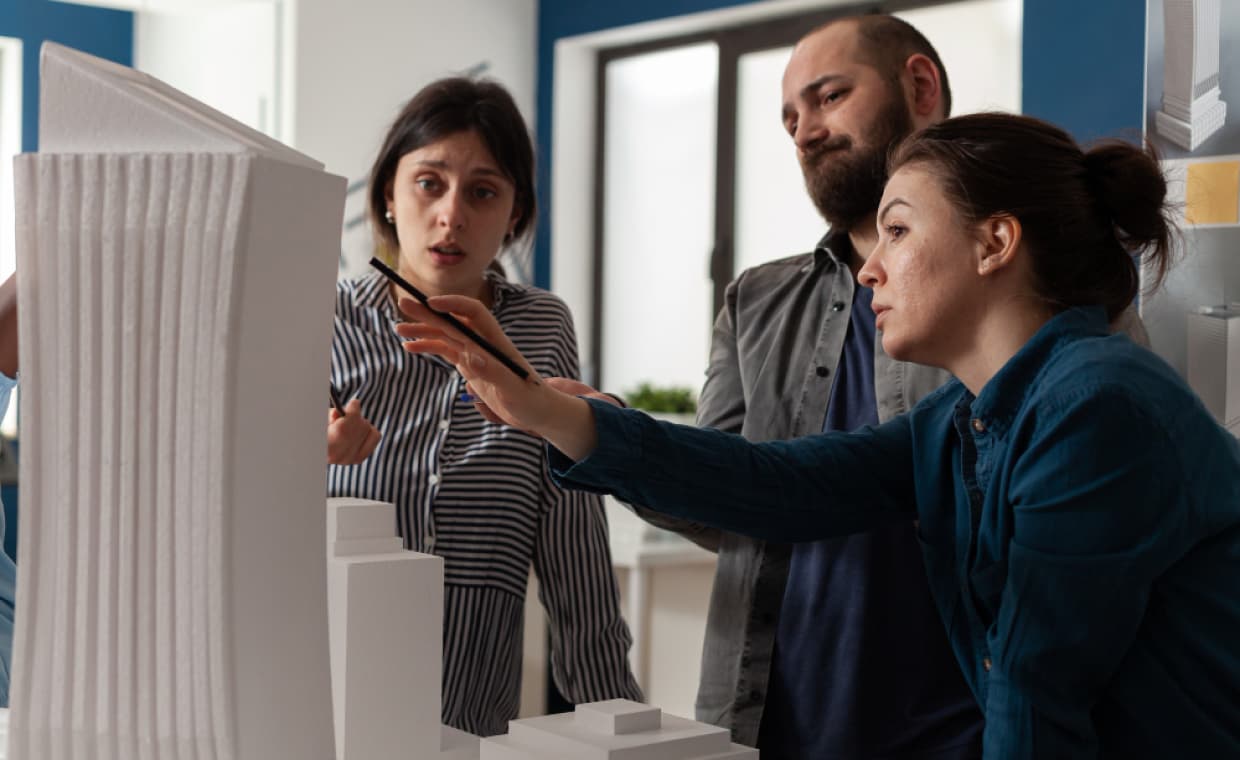
Common mistakes in private home design is a hindrance. Building a private house rarely fails because of construction work itself. Most problems begin much earlier, at the planning stage, when everything seems easy to change. On a computer screen, a floor plan looks organized and logical. But once the walls are built, those decisions become part of everyday life, and changing them is far from simple.
After moving in, daily routines start to reveal things no drawing could ever show. You may notice that moving between rooms feels awkward, that some spaces are barely used while others always feel cramped. At that point, fixing even small mistakes becomes expensive and time-consuming. Therefore, it is better to keep watch on the private home design mistakes to avoid problems later.
When a Layout Looks Good but Does Not Work
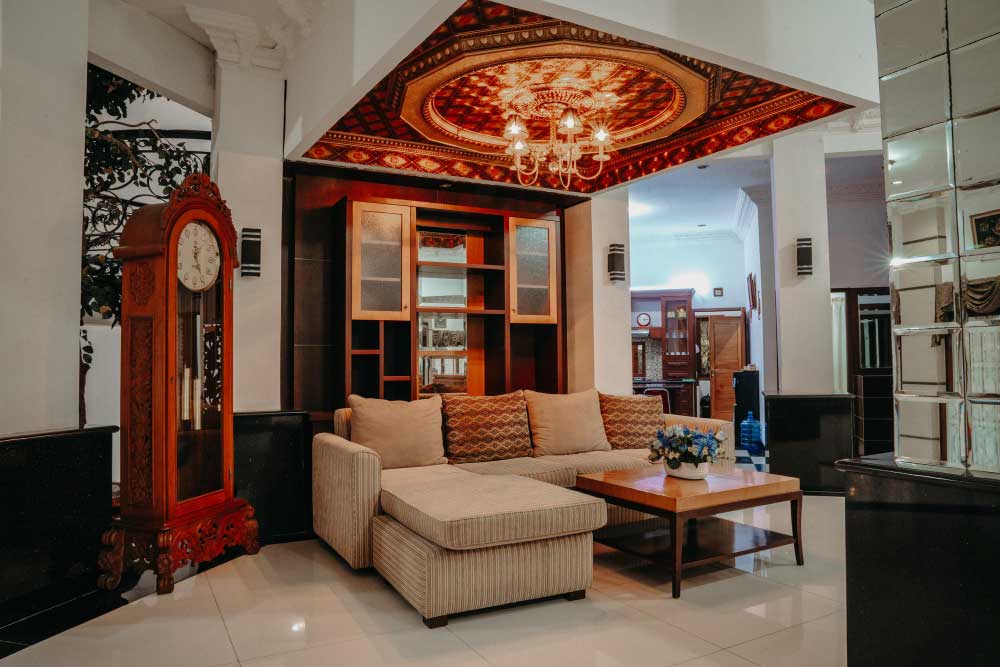
A common mistake is believing that a neat floor plan guarantees comfortable living. Proportions may be technically correct and rooms grouped logically, yet the house can still feel inconvenient. Many 2D layouts ignore how people actually move through a home during a rushed morning or a quiet evening.
Problems become noticeable quickly as common mistakes in private home design:
- You have to walk too far between the kitchen and the pantry.
- Guests need to pass through private areas just to find a bathroom.
- The kitchen feels cut off from the rest of the house instead of being part of shared daily life.
These details do not look like mistakes during plan reviews, but they define how the house feels every single day. These are home planning mistakes homeowners regret afterwards.
The Weight of Documentation

In real architectural practice, a large amount of time is spent on paperwork instead of actual design to avert residential design errors and solutions of these problems. Writing explanatory notes, technical justifications, and handling constant revisions can take hours that should be spent improving layouts and spatial decisions.
For independent architects and small studios, this administrative load often becomes a serious distraction. To stay focused on technical work and architecture itself, many professionals turn to external support, including essay writing services of all types, to handle project descriptions and written materials. Delegating this part of the work allows designers to concentrate on identifying design issues before they are literally set in concrete. common home layout planning mistakes are the factors designers have to be aware about.
Lighting Problems that Appear too Late
Lighting is often treated as a secondary concern during design. Window sizes are usually chosen early, but less thought is given to facade orientation or how sunlight moves throughout the year. The result is rooms that stay gloomy most of the day or spaces that become uncomfortably hot in the afternoon.
Artificial lighting often follows a standard, uninspired approach. Fixtures are placed evenly across ceilings instead of where light is actually needed. Over time, this leads to poorly lit work areas and harsh shadows that make the home feel tiring rather than comfortable.
Utility Spaces that were Never Properly Planned
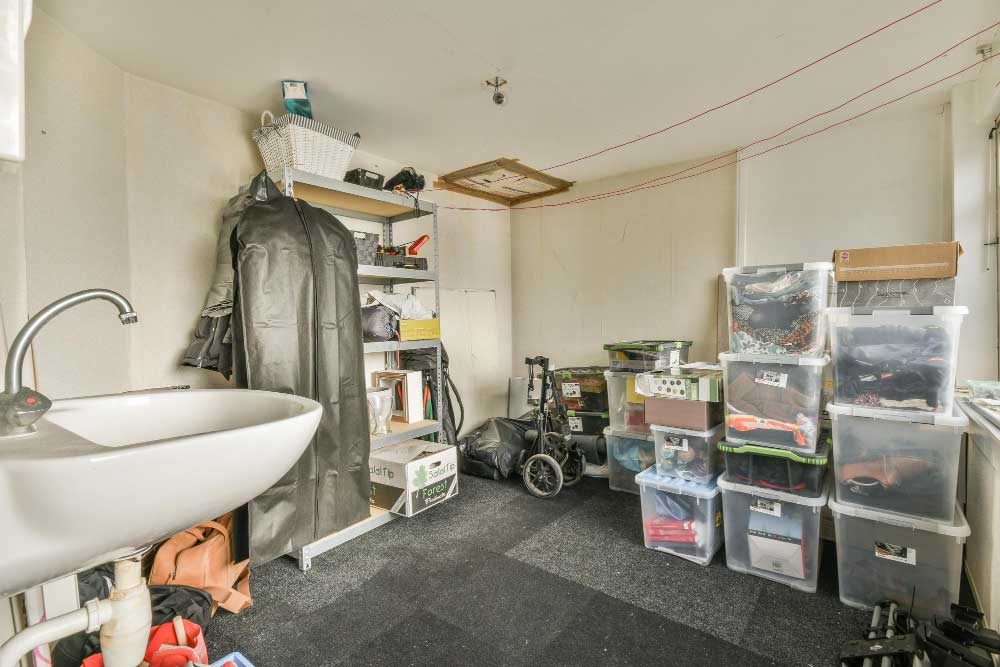
Early discussions usually focus on living rooms and primary bedrooms. Because of this, storage rooms, laundry areas, and technical spaces are reduced or ignored to save space, which is one of the common mistakes in private home design.
The consequences become clear soon after moving in:
- Seasonal items have no designated place and end up stored in living areas.
- Cleaning supplies are scattered around the house because there is no utility closet.
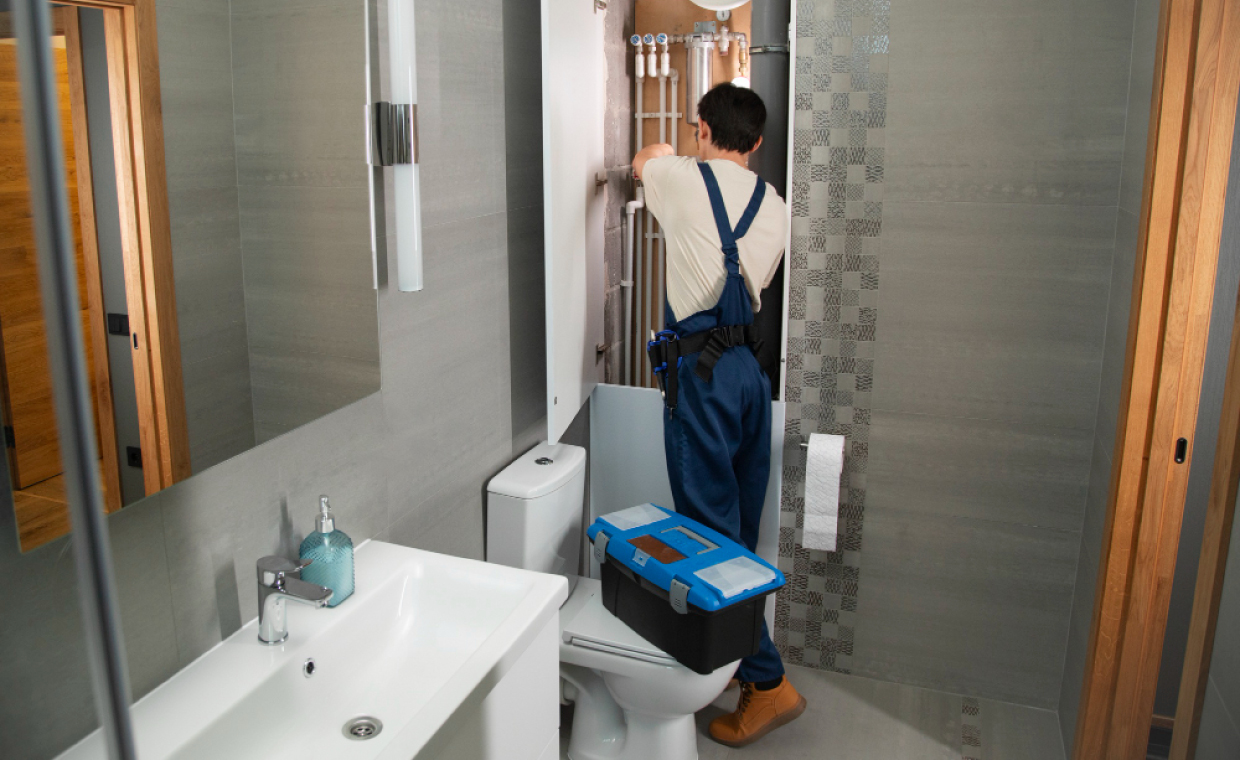
- Accessing the water heater or electrical panel becomes unnecessarily difficult.
These are not dramatic failures, but over time they noticeably reduce how functional the home feels. These are house design mistakes that cost money for improvisation.
Designing for Today Instead of Planning for Change
Many projects are approved too quickly, without considering how life may change. A rigid layout with no allowance for future electrical expansion or space for a home office creates long-term limitations.
Homes are often designed for a specific moment, while real life continues to evolve. When flexibility is not part of the initial planning, even small changes years later can turn into major and costly renovations. These are indeed common mistakes in private home design.
Why These Issues Only Appear after Moving In
Designing a home is ultimately a series of assumptions. Drawings cannot fully predict habits or preferred movement patterns. Until people actually live in the space, many design weaknesses remain hidden.
Final Thoughts
Common mistakes in private home design make homes non performing at its best. Homes that perform best over time are not the ones that looked most perfect on paper. They are the ones designed with flexibility and a realistic understanding of everyday life. Avoiding late-stage problems is not about producing a flawless drawing, but about making practical, thoughtful decisions long before the first foundation is poured.
Also Read: 15 Innovative Home Design and Decor Applications
FAQs on Common Mistakes in Private Home Design
1. What are the Most Common Mistakes in Private Home Design?
Some of the most common mistakes in private house design are Poor space planning, inadequate ventilation, insufficient storage, poor lighting layouts, and ignoring future family needs cause long-term problems.
2. Why do Home Design Mistakes become Visible after Construction?
Many issues appear during the daily use. If movement, storage, lighting, and comfort expectations are not thoroughly tested, the anomalies may start mushrooming later.
3. How can I Avoid Costly Mistakes in Private Home Design?
It is possible to minimise the problems by hiring experienced professionals, planning layouts carefully, prioritise functionality, review drawings thoroughly, and consider long-term lifestyle requirements before finalizing designs.
4. Is Poor Lighting a Typical Home Design Mistake?
Yes, inadequate natural and artificial lighting can considerably affect comfort, energy efficiency, and visual appeal of the residents. It becomes mandatory the problem rectification, which costs expensive corrections later.
5. Should Future Expansion be Considered in Private Home Design?
Absolutely, planning for future rooms, aging residents, or technology upgrades prevents structural changes and major expenses later.
Author & Expert Review
Written By:  Swagata Chatterjee | SEO Content Writer & Editor
| Credentials: MA (Calcutta University, Kolkata). Experience: Content Writer and Editor with 19 years’ experience of business content writing and editing, currently writing SEO-optimized, readers’-friendly articles for Gharpedia, part of SDCPL. Expertise: Specializes in writing well-researched content on lifestyle, home décor, , lifestyle, safety, home appliances and gadgets, on-site SEO Optimization, blending technical accuracy with general reader’s ability to learn the topics. Find her on : Linkedin |
Verified By Expert:  Farhan Sheikh – Senior Manager – Architect, SDCPL | Associate Member – IIA
This article has been reviewed for architectural and interior design accuracy by Farhan Shaikh, Senior Manager – Architect at Sthapati Designers & Consultants Pvt. Ltd. As the lead for all architectural and interior projects at SDCPL and an Associate Member of the Indian Institute of Architects (IIA), he brings hands-on experience in architectural planning, interior design, project coordination, and sustainable strategies. His review ensures the content reflects practical design considerations, industry best practices, and real-world applicability across both architecture and interior spaces.
Find him on : Linkedin