Table of Contents
Quick Overview
Here is the quick summary on choosing wood for furniture:
- Choosing the right wood is deciding factor for furniture durability and overall appearance.
- Common mistakes include overlooking wood types, grade, moisture content, and grain pattern.
- Using poor-quality of wood can lead to warping, weak joints, and finishing issues.
- Moisture and humidity greatly affect wood stability over a period of time.
- Grain direction and texture influence strength and ease of construction.
- Compatibility with finishes and joinery methods is often neglected.
- Proper evaluation of wood thickness, layers, and surface quality ensures long-lasting furniture.
Choosing the right wood for furniture plays a major role on your home’s style and the lifespan of each piece. Many of you overlook the factors that affect both appearance and performance. Selecting the correct type and grade of wood requires attention. However, the wrong choice may lead to problems in the final finishing of furniture. Being aware of common mistakes while choosing wood for furniture helps ensure enhances your home.
Generally, you often focus on colour or look, ignoring important aspects such as moisture content, grain patterns, or how the wood interacts with finishes. Brands like CenturyPly and Greenply provide options that balance appearance and functionality.
Common Mistakes to Avoid while Choosing Wood for Furniture
The following are some of the most common mistakes that you can avoid when selecting the right wood for furniture:
1. Ignoring the Differences in Wood Types and Their Properties
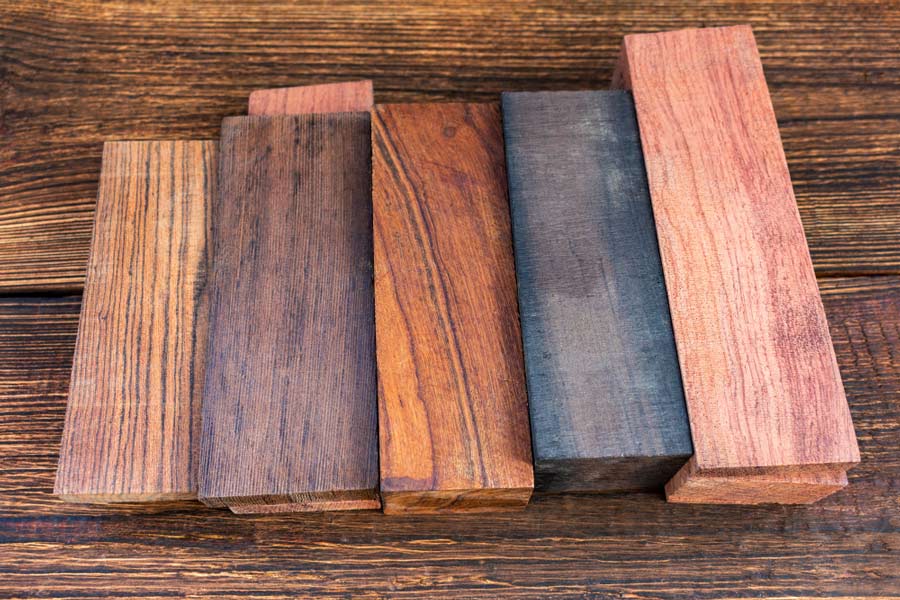
Choosing wood without knowing its characteristics can cost you furniture that underperforms or may fails to maintain its design. Hardwood and softwood have different weights, flexibilities, and how finishes absorb into the surface. If you are not considering these factors, it may compromise stability and appearance. Paying attention to grain, texture, and strength is essential. Choosing the right type of wood ensures consistent quality and helps preserve both the look and structural integrity of your furniture.
2. Overlooking the Quality and Grade of Wood
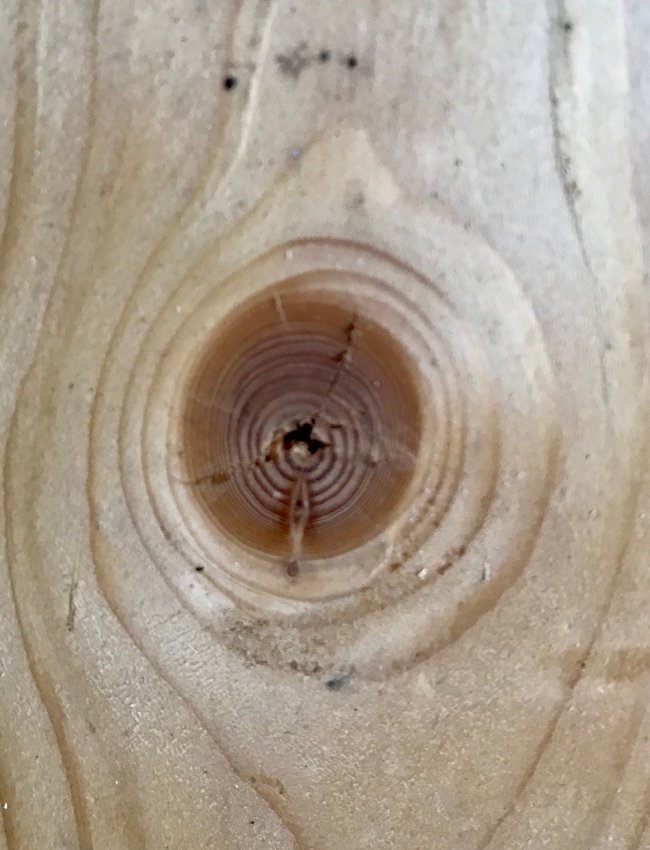
Most of the time, you ignore the grade and quality of wood while choosing wood for furniture. Using bad quality wood can result in wood with uneven density, knots, or hidden defects, which reduce the strength and cause irregularity during the making of furniture. Ignoring these factors can lead to furniture that does not perform as you desired. Choosing good-quality wood ensures that each piece of wood is solid and suitable for its intended use.
3. Neglecting the Effects of Moisture and Humidity while Choosing Wood
Moisture content in wood affects its expansion, contraction, and long-term performance. If your rooms have higher humidity, it can cause untreated wood to warp, twist, or split over a period of time. Choosing wood suitable for interior conditions is important for furniture. Using termite-resistant plywood is most suitable in the kitchen or basement, where damp conditions may attract pests. If you are aware of moisture behaviour, it helps to prevent problems and keep your furniture structurally sound over a period of time.
4. Ignoring the Importance of Wood Texture and Grain Pattern
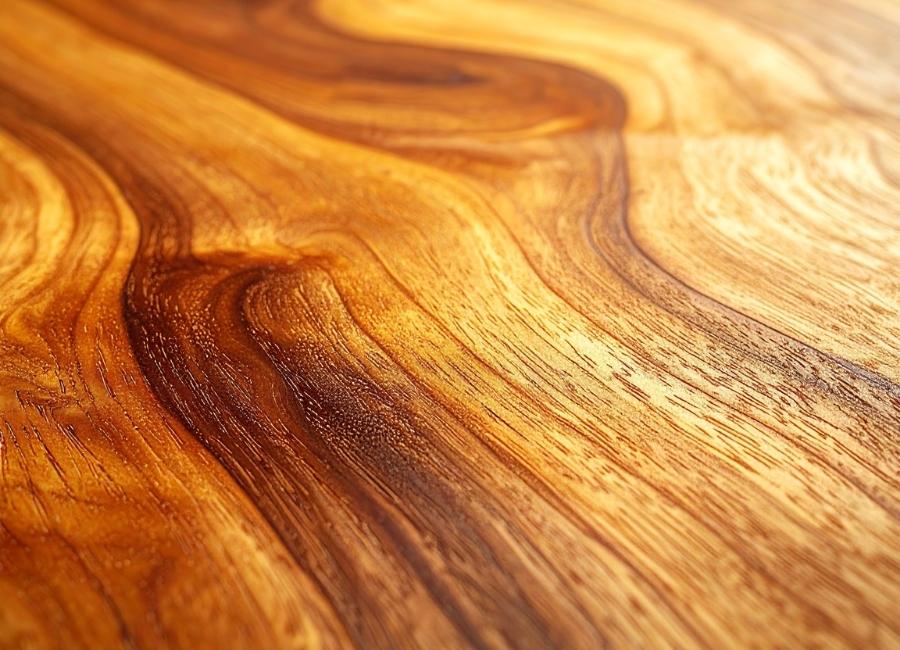
Sometimes you may overlook the grain direction and texture that may affect the strength and handling of wood materials. Straight grains can resist splitting, while wavy or interlocked grains can create uneven joints or alignment problems. Ignoring these features may result in furniture that does not assemble correctly or perform as intended.
5. Choosing Wood Based on Appearance Only
Selecting wood solely for its colour or surface pattern, ignoring how the wood performs in furniture construction. Depending only on looks can hide irregularity in thickness, grain, or overall quality, affecting how pieces fit and function. This mistake can lead to unexpected problems during finishing. Selecting the correct wood size helps ensure each works well for its intended furniture.
6. Overlooking Wood Compatibility with Finishes and Joinery Techniques
Sometimes you choose wood without considering how it interacts with paints, varnishes, or adhesives. Incompatible wood can lead to uneven coatings or weakened joints. Early Planning of finishing requirements can prevent these problems. Selecting the best wood for furniture ensures that it works well with joinery methods, keeping joints secure and finishes consistent while avoiding common mistakes that compromise the final furniture quality.
7. Overestimate the Budget as Compared to the Wood Quality
Focusing only on cost can make you select wood that varies in consistency and strength. Low-grade wood may perform unpredictably which may cause problems during making. Evaluating the type and grade ensures furniture matches its intended purpose. Choosing mid-range to high-quality plywood sheets avoids mistakes caused by prioritising price over material quality, keeping furniture functional and dependable.
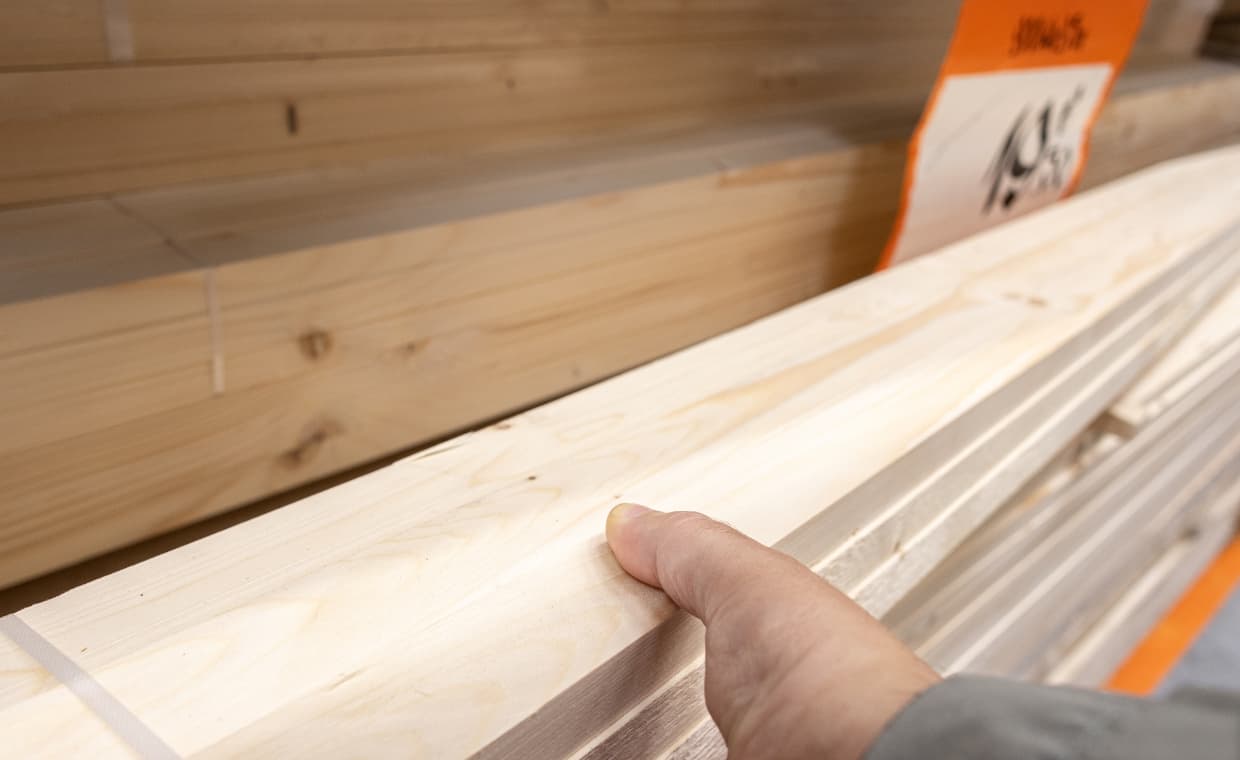
8. Forgetting Sample Checks and Touch Tests Before Buying
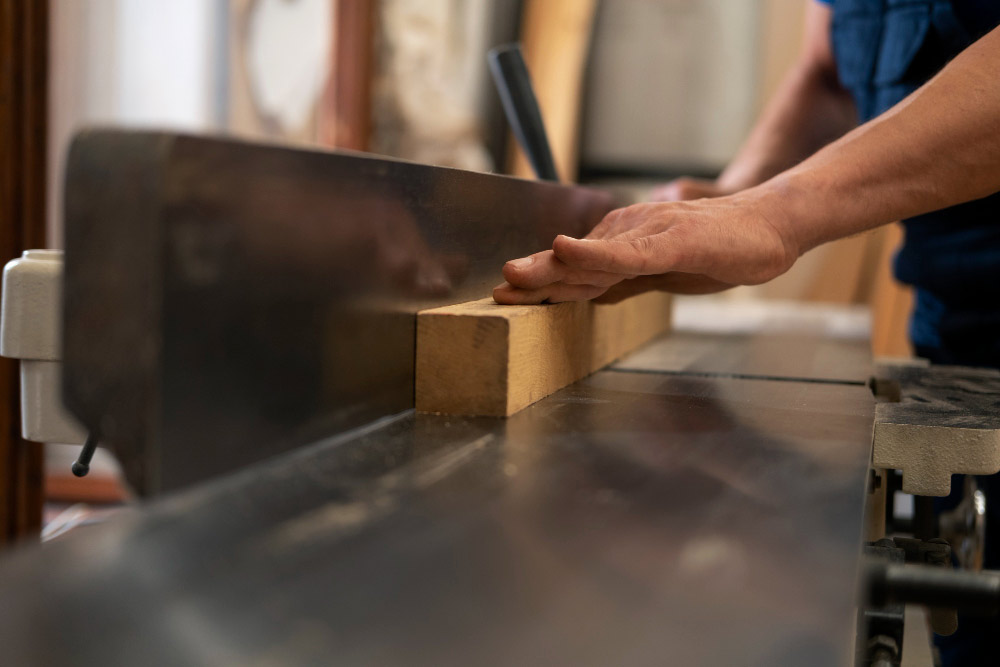
You may buy wood in large quantities without examining samples first. If you fail to check texture, edges, or flexibility, it may have defects like knots, warping, or uneven edge. This mistake often results in pieces that do not fit or perform as expected. Testing samples and choosing the right woof types helps to prevent mistakes and ensures wood suit their intended furniture applications.
How to Choose the Right Plywood for Furniture?
Selecting the right plywood helps your furniture remain strong and fit for its intended purpose.
- Checking Layer Composition: Ensure the plywood has uniform, well-bonded layers for consistent strength and minimal warping.
- Inspect the Plyboard Thickness: Choose a thickness that matches the furniture type to maintain stability and support.
- Inspect the Quality: Smooth, defect-free surfaces reduce sanding or adjustments during construction.
- Confirm Certification: Certified boards guarantee proper processing standards and safer, long-lasting use.
Conclusion
Understanding common mistakes to avoid while choosing wood helps to make better decisions that support furniture quality and durability. Considering factors like wood type, grade, moisture response, and finishing ensures pieces perform as intended. Choosing plywood from popular brands can provide guidance in material selection, helping furniture remain well-crafted and suited to its intended design and use.
Also Read: Wood Options for Your Furniture | GharPedia
FAQs on Choosing Wood for Furniture
01. What is the Most Common Mistake You Make When Choosing Wood?
You focus only on colour or surface pattern and overlook factors like grain, moisture tolerance, and board quality.
02. How to Choose the Plywood for Furniture?
Always check the board thickness, core quality, and type to ensure furniture is strong and suitable for its intended purpose.
03. Are There Specific Plywood Options for Damp Areas?
Boards such as Greenply 710 Marine Plywood suit areas exposed to moisture, providing better resistance and long-term usability.
04. Is it Important to Check Wood Samples Before Purchase?
Of course. Feeling the texture, checking edges, and testing flexibility can help you to reveal hidden defects before assembly.
05. How does the Grain Pattern Affect the Selection of Furniture?
Different grains influence strength and handling, so considering orientation and texture helps maintain consistent performance and alignment.
Author & Expert Review
Written By:  Kinjal Mistry | Civil Engineer & Senior Content Writer
| Credentials: B.E. (Dharmsinh Desai University, Nadiad, Gujarat). Experience: Civil Engineer with 9 years of content writing experience, currently writing impactful articles for Gharpedia, part of SDCPL. Expertise: Specializes in writing well-researched content on home improvement, sustainability, building materials, home interior, DIY, and plumbing technology with everyday clarity. Find her on: LinkedIn |
Verified By Expert:  Ravin Desai – Co Founder – Gharpedia | Co Founder – 1 MNT | Director – SDCPL
This article has been reviewed for technical accuracy by Ravin Desai, Co-Founder of Gharpedia and Director at Sthapati Designers & Consultants Pvt. Ltd. With a B.Tech. in Civil Engineering from VNIT Nagpur and an M.S. in Civil Engineering from Clemson University, USA, and over a decade of international and Indian experience in the construction and design consultancy sector, he ensures all technical content aligns with industry standards and best practices.
Find him on: LinkedIn