Table of Contents
Quick Overview
Here is the quick summary of choosing high quality materials for luxury furniture:
- Choose solid, well-joined wooden frames for strength.
- Check real wood, stone, glass, or thick veneer for tough surfaces.
- Look for quality upholstery: good springs/webbing, high-density foam, durable fabrics, and higher-grade leather.
- Ensure protective finishes and sturdy hardware such as smooth slides, strong hinges.
- Use weather-resistant frames, fabrics, and finishes outdoors.
- Prefer durable, repairable, and sustainable materials.
- Match materials to room use, sunlight, kids/pets, and maintenance habits.
- Inspect craftsmanship closely and ask questions to judge true value, not just price.
Selecting the right materials makes luxury furniture last, look refined, and feel good to use. This guide shows how to judge what goes into each piece. It keeps the focus on clear facts and simple checks that anyone can apply at a store or online clearly.
Start with Structure

The frame is the skeleton of a chair, sofa, bed, or table. A strong frame gives shape and stops wobble. Solid hardwood is the baseline for long term use. Oak, ash, maple, and teak are common. They resist dents and hold joints well.
Look for kiln dried wood. Dry wood moves less with seasons and holds glue better. Moist wood can twist or crack. Ask if the frame is joined with mortise and tenon, dowels with glue, or corner blocks. Screws alone are not a good sign for load points. A drawer box should use dovetail joints. A table base should not flex when pressed.
Metal frames can be excellent too. Stainless steel fights rust. Powder coated aluminium keeps weight low. Edges should be smooth and even welds. For mixed wood and metal, check that contact points have pads to prevent creaking.
Surfaces that you Touch
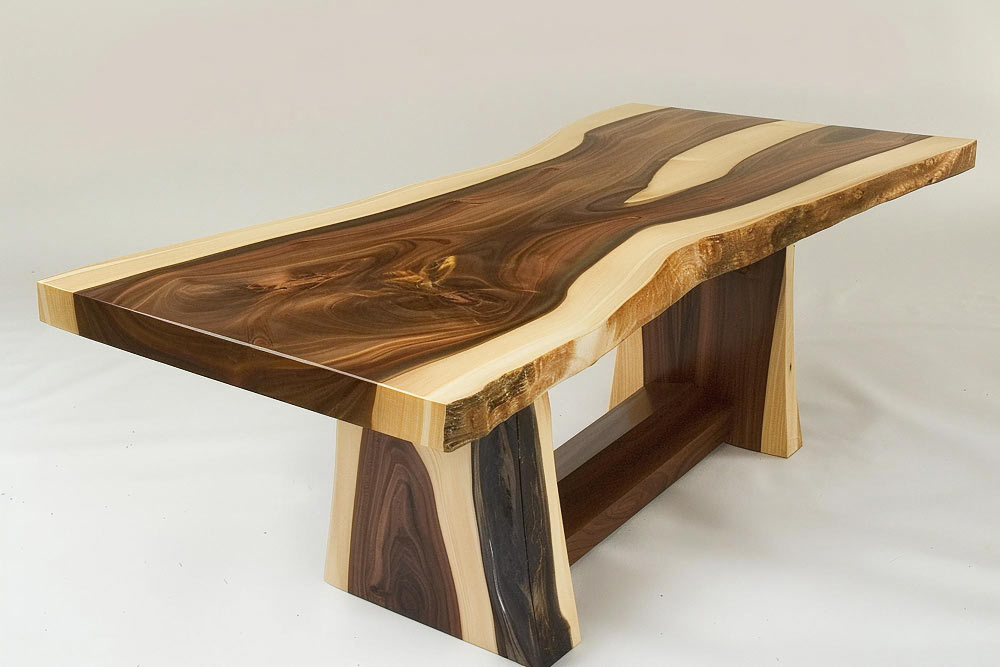
Fine wood tops and cabinet faces should show clear grain and even colour. If the surface looks like a repeating print, it could be a thin veneer or foil wrap. Veneer can be good when thick and set onto a stable core. Ask for the veneer thickness. A thick veneer allows sanding and repair later.
Stone brings cool touch and a sense of weight. Marble has organic veining but can stain if unsealed. Choose a honed finish for a soft glow or a polished finish for more reflect. Granite is harder and needs less care. Quartz uses crushed stone in a resin mix for steady colour and stain resistance.
Glass is smooth and light in look. Tempered glass is safer since it breaks into small pieces. Ask for the thickness. Thicker sheets hold up to daily knocks.
Upholstery that Performs

Seat comfort starts with the support platform. Webbing and sinuous springs both work when tensioned well. Hand tied coil springs give a deep, even sit. Over the support sits foam and fiber. High density foam keeps shape and resists sag. Some makers blend foam with down for a plush top layer. Check cushion covers for zippers so they can be rotated and cleaned.
Fabric choice drives both look and life. Natural fibres like linen and cotton breathe. Wool resists wrinkles and stays warm. Performance blends mix polyester or acrylic to fight stains and sunlight. Ask for a rub test figure. Higher numbers point to longer life.
Leather has grades that vary a lot. Full grain is the top layer and shows natural marks. It is strong and ages well. Top grain is sanded slightly for a smoother touch. Split leather uses inner layers and is less durable. Bonded leather is made from scraps with a binder and should be avoided for long term use. Good leather feels warm and shows fine pores rather than a plastic shine.
Finishes that Protect
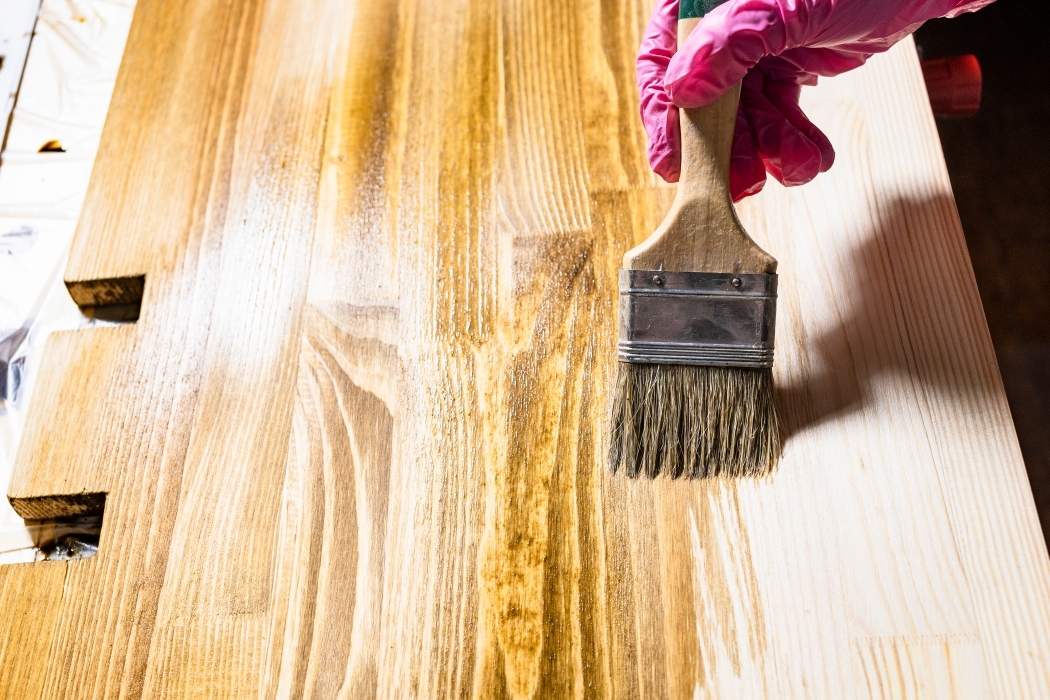
A finish seals the surface from moisture, stains, and sun. On wood, oil gives a soft glow and keeps the natural feel. Lacquer and polyurethane give a tougher shell and can be matte or glossy. A quality finish feels even across edges with no drips. On metal, a powder coat resists chips better than simple paint. On outdoor pieces, look for UV stable finishes.
Hardware that Lasts
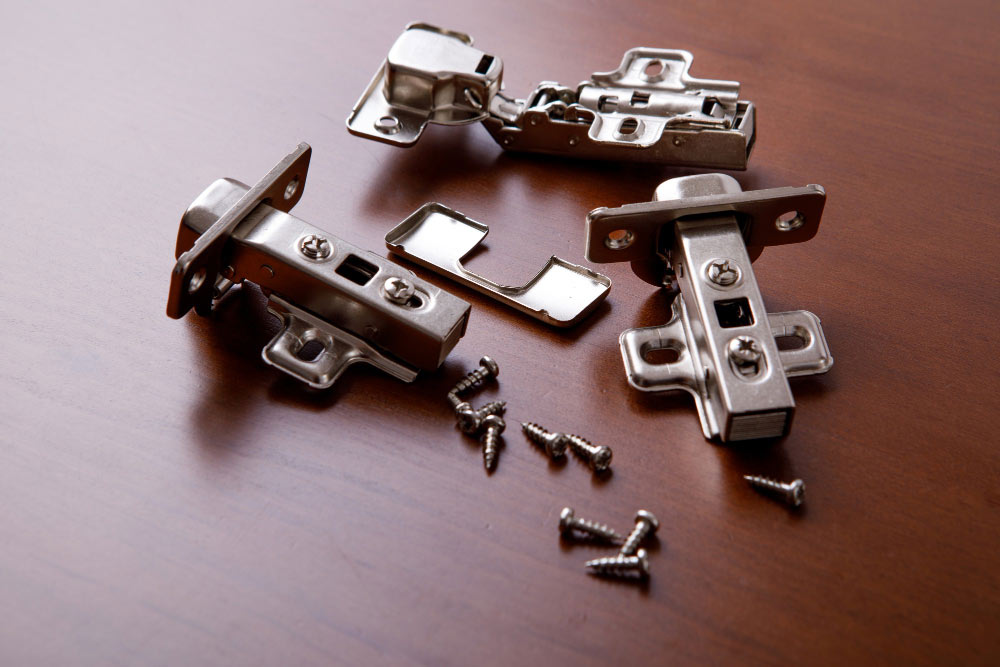
Small parts do big work. Soft close drawer slides, solid brass pulls, and strong door hinges add to daily ease. Slides should run smooth and quiet. Hinges should feel firm. Screws and fittings should be of stainless steel or brass in damp spaces.
Outdoor Needs are Different
Outside, rain, sun, and salt test every material. Teak is a standard for exterior frames since its oils resist rot. When left to age, it turns a soft silver tone. Powder coated aluminium frames resist rust and are easy to move. High-grade stainless-steel suits coastal homes when kept clean.
Outdoor fabrics should shed water and block UV. Solution dyed acrylic is a leading choice. It keeps color over many seasons and dries fast. Cushions for patios should use quick drain foam that lets water pass through and air out.
For design driven outdoor spaces that still need real world strength, see ranges like Vondom outdoor furniture. The brand is known for bold shapes with strong weather ready materials.
Sustainable Choices
Luxury can be kind to the planet when buyers ask the right questions. A long service life is the first step in reducing waste. Solid wood that can be repaired beats low grade composites. Ask if wood comes from well managed forests. Many makers use water-based finishes with low odour.
Recycled metal content is easy to use without losing strength. Reclaimed wood can add character with nail marks and varied grain. Fabrics made from recycled fibres have improved a lot. They feel soft while keeping bottles and waste out of dumps. Packaging matters too. Cardboard and simple paper wrap are easier to recycle than plastic foam.
Shoppers in Greece can find curated choices and clear guidance at stores that know the makers and the methods. One example is Armeniakos which presents refined lines across living, dining, and outdoor settings.
Craft that Shows in the Details
Even with fine raw materials, the build quality tells the truth. Cabinet doors should line up with even gaps. Drawers should slide straight and stop flush. Chairs should sit flat on the floor. The undersides and back panels should be neat, not rough or sharp.
Ask to see a sample or a floor model. Run fingers along edges. Lift cushions. Sit for a full minute and feel the support. Good furniture invites touch and gives confidence quickly.
How to Match Materials with Use
Different rooms create different demands. A dining table needs a tough top that resists heat and stains. A stone or heat-resistant engineered surface can help. A coffee table in a family room should shrug off spills. A sofa in a sunny room needs fabric that stands up to light. In a bedroom, warmth and quiet feel more important.
Think about who will use the piece. Children and pets add wear from bumps and claws. In those homes, tight weave fabrics and rounded edges are smart. Darker colours hide marks, while mid tones hide dust. Glossy finishes show fingerprints. Matte hides them better.
Care and Maintenance
Even the best materials need simple care. Keep wood out of direct heat and wipe spills quickly. Use coasters under hot mugs and pads under hot pots. Dust with a soft cloth. For stone, use cleaners that match the sealant. Acidic fluids like lemon juice can etch marble, so wipe them fast. For leather, clean with a soft damp cloth and condition a few times each year. For fabric, vacuum now and then to lift dust from the weave. Rotate cushions to spread wear.
Moving heavy pieces takes care too. Lift rather than drag. Use felt pads on feet to protect floors. Check screws and joints once a year and tighten if needed.
Budget and Value
Luxury does not mean the highest price tag every time. Value comes from material strength, fine craft, and good design. A mid-priced item with solid wood, real leather, and careful finishing can outlast a flashy item that hides a weak core. Ask clear questions, test samples, and read product pages in full. The right choice lowers long term cost.
Final Checklist for Smart Buyers
Check the frame material and the way it is joined. Check the surface layer and thickness. Check the support system and cushion fill. Ask about fabric wear tests and fibre content. Learn the leather grade, not just the look. Ask about finish type and care steps. Inspect hardware and glide action. Match the material choice to the room and the users. Plan simple care from day one.
Bringing it All Together
The best luxury furniture uses honest materials and honest craft. Wood that is dry and well joined. Metal that is smooth and clean. Fabric and leather that suit the room and the users. Finishes that protect without hiding the natural feel. Hardware that works each time. When each part is right, the whole piece feels calm, strong, and inviting.
Use this guide as a short path to better choices. Ask for details, trust your hands and your eyes, and choose pieces that will serve for many years.
Also Read: What Defines Luxury Furniture? A Guide to Craftsmanship, Heritage & Design
FAQs on Choosing High Quality Materials for Luxury Furniture
01. How to Choose Sustainable Luxury Furniture?
Seek managed-forest wood, water-based finishes, recycled metals or fabrics, reclaimed wood. Prioritize repairable, long-life pieces; recyclable packaging.
02. What are the Best Materials for Durable and Long-Lasting Luxury Furniture?
Solid wood, leather and high-quality metals are best materials for long-lasting luxury furniture.
03. How to Spot True Value in Luxury Pieces?
Focus on solid materials, craft, and design over price, mid-range with real wood/leather outlasts flashy weak builds. Use checklist: frame, surfaces, upholstery, finishes, hardware, room fit.