Table of Contents
Quick Summary
- Countertop Reverse Osmosis Water Purifier is now a ready solution for clean and hygienic drinking water unlimited at home.
- Switched from heavy bottled water jugs to a countertop reverse osmosis (RO) water purifier for daily drinking needs.
- Main reasons included storage inconvenience, handling effort, and doubts about bottled water hygiene.
- Countertop RO systems use multi-stage filtration: sediment, activated carbon, and an RO membrane.
- TDS testing showed a major improvement, dropping from 200+ ppm in tap water to under 20 ppm.
- Water tasted cleaner, improving tea and coffee flavor noticeably.
- Gained confidence using RO water for drinking, cooking, and washing produce.
- Enjoyed instant access to potable water without boiling.
- The upgraded model like SimPuremay suit renters due to its compact, non-permanent design.
Hi everyone, Mia here.
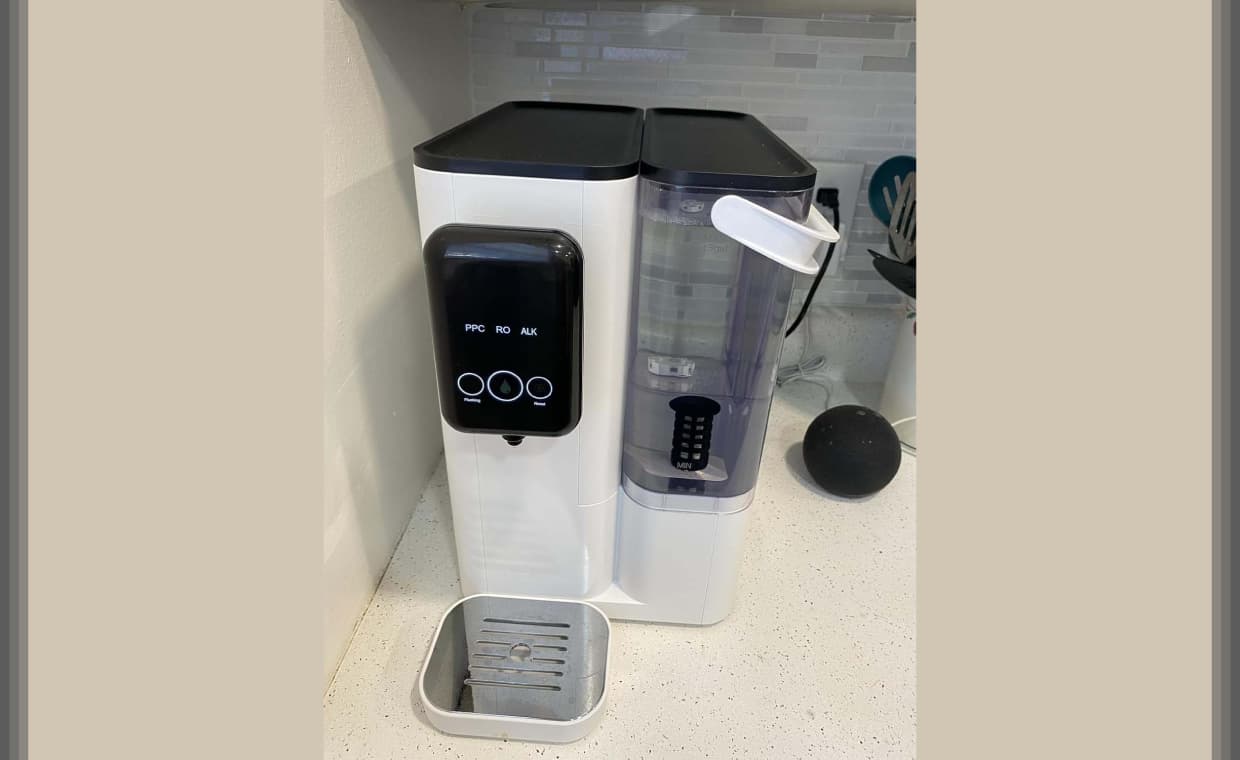
I want to share with you all a small but meaningful change we have implemented at home over the past six months. We have switched from bottled water jugs to a countertop reverse osmosis drinking water system (RO) water purifier.
Why I Moved Away from Bottled Water
Like many households, we relied on large water jugs for years as potable drinking water at home. They worked for us, but they were inconvenient to store and obviously, heavy to replace. Honestly, I was never 100% confident about how clean those bottles really were. I started looking for something more reliable and discovered countertop reverse osmosis systems designed to produce potable drinking water straight from the tap.
How Countertop RO Systems Make Water Truly Potable
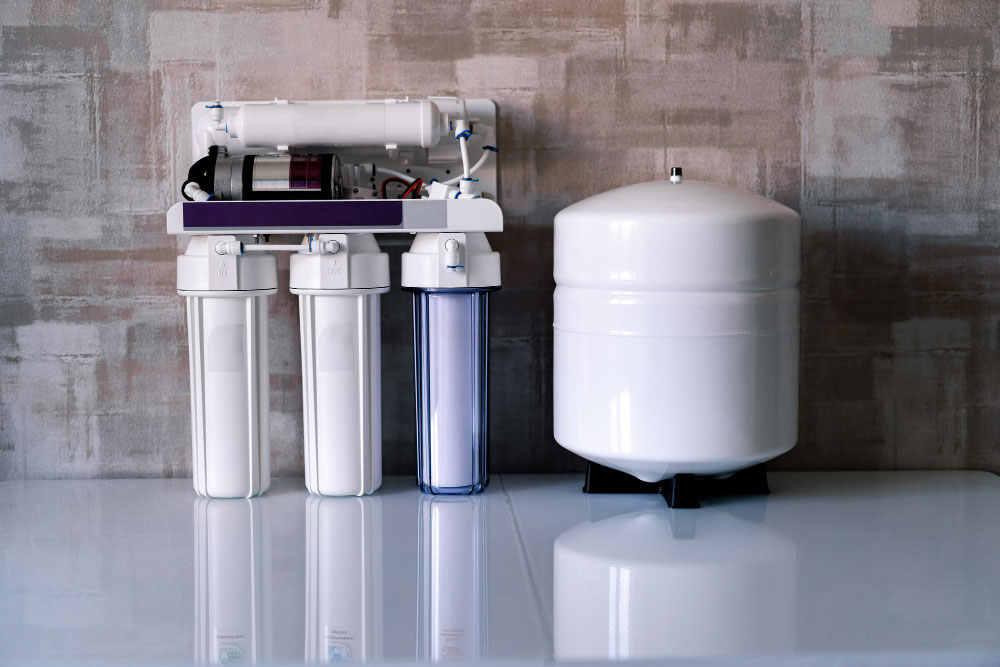
I was immensely interested with the scope of filtration depth of the RO system. A typical countertop reverse osmosis water filter uses multiple stages. The range includes sediment filtration, activated carbon, and a fine RO membrane that removes dissolved solids at a molecular level.
I tested the difference myself using a basic TDS meter. Our tap water averaged above 200 ppm. But, when I checked the reverse osmosis drinking water system generated RO-filtered water, it consistently showed readings below 20 ppm. On its own, this difference in metered data explained why the RO-filtered water tasted noticeably cleaner and smoother.
If anyone curious about how RO membranes work in detail, this simple overview explains it well.
Small Lifestyle Changes I Didn’t Expect
Once we made the change with countertop RO water purifier, a few subtle improvements stood out:
- Better Coffee and Tea: We started enjoying better taste of tea and coffee. Without chlorine and minerals interfering, flavours feel more balanced.
- More Confidence in Daily Use: I now use this RO-water for drinking, cooking, and rinsing produce without hesitation.
- Instant Access to Clean Water: We are exempted from the responsibility of boiling and cooling. Clean water is available on demand, unlimited.
A Realistic Take

Countertop RO water purifier systems aren’t perfect. There is a gentle sound during filtration, and some wastewater is produced (which we reuse for plants). But for our home, the benefits clearly outweigh the drawbacks.
I’ve recently noticed that more Reverse Osmosis (RO) drinking water system brands are entering market lately. We’ve been using a countertop RO model from SimPure, which focuses on compact designs and NSF-rated filtration components. I won’t turn this into a product review. This RO water purifier for renters is a perfect choice as well as it is perfect for anyone who doesn’t want permanent installation of the machine in their home as a healthy alternative to bottled water jugs.
Are you exploring options? If yes, this page will offer you a good overview of a modern countertop RO design: SimPure
Conclusion
Overall, moving to a countertop RO water purifier felt less like a “purchase” and more like a quiet lifestyle upgrade.
Also Read: The Importance of Water Quality in and Around Your Home
FAQs on Countertop Reverse Osmosis Water Purifier
1. Is Countertop Reverse Osmosis Water Safe for Daily Drinking?
Yes. Countertop RO systems remove dissolved solids, chlorine, and impurities. It produces low-TDS potable water suitable for everyday drinking and cooking.
2. Does A Countertop RO System Waste a Lot of Water?
Some wastewater is produced during the water filtration. However, it’s minimal and can be reused for cleaning, mopping, or watering household plants.
3. Do Countertop RO Purifiers Need Permanent Installation?
No. Most countertop RO systems are plug-and-play, making them ideal for renters or homes without space for under-sink installations.
4. How does RO Water Improve Coffee and Tea Taste?
The RO filtration process removes chlorine and excess minerals. RO water converts natural coffee and tea flavors to be extracted evenly, without leaving bitterness or a chemical aftertaste.
5. How often do Countertop RO Filters Need to be Replaced?
RO membranes typically last 1–2 years, depending on water quality and daily usage. However, it is wise to service the membrane to retain the best water quality.
Author & Expert Review
Written By:  Swagata Chatterjee | SEO Content Writer & Editor
| Credentials: MA (Calcutta University, Kolkata). Experience: Content Writer and Editor with 19 years’ experience of business content writing and editing, currently writing SEO-optimized, readers’-friendly articles for Gharpedia, part of SDCPL. Expertise: Specializes in writing well-researched content on lifestyle, home décor, , lifestyle, safety, home appliances and gadgets, on-site SEO Optimization, blending technical accuracy with general reader’s ability to learn the topics. Find her on : Linkedin |
Verified By Expert:  Ravin Desai – Co Founder – Gharpedia | Co Founder – 1 MNT | Director – SDCPL
This article has been reviewed for technical accuracy by Ravin Desai, Co-Founder of Gharpedia and Director at Sthapati Designers & Consultants Pvt. Ltd. With a B.Tech. in Civil Engineering from VNIT Nagpur and an M.S. in Civil Engineering from Clemson University, USA, and over a decade of international and Indian experience in the construction and design consultancy sector, he ensures all technical content aligns with industry standards and best practices.
Find him on : Linkedin