Table of Contents
Quick Overview
Here is the quick summary on Cracked and Fogged Glass:
- Small cracks and fogged glass can quickly worsen if timely precautions are not taken.
- Damage glass can affect on safety, energy-efficiency, and insulation performance.
- Commonly observed damages in glass include temperature changes, impact, aging glass, and poor installation.
- Minor chips and seal failures can be repaired; severe damage requires replacement.
- Regular inspections and quick repairs help to extend the life of glass.
- Well-maintained windows and doors can increase your property and aesthetic.
Glass damage in the window and door often starts with small such as hairline cracks, a foggy patch between panes, or a chip near the window frame. Most of the time you might notice these issues but postpone addressing them, assuming they are purely cosmetic. That assumption can lead to bigger problems. Cracked and fogged glass damage requires immediate action; knowing when to repair or replace can protect your home’s safety, energy-efficiency, and value.
Why Should You Never Ignore Cracked and Fogged Glass?

A small crack in a window doesn’t stay small for a long time. Temperature changes cause glass to expand and contract, turning minor damage into spreading fractures. What begins as a barely visible line can span an entire pane within weeks, especially during seasonal transitions.
Damage windows can create hazards for children and pets who might lean against weakened panes. Cracked glass also loses its structural integrity, making it easier to shatter. Fogged glass is a sign of seal failure, meaning moisture has penetrated between panes. This moisture can degrade insulation properties, forcing your HVAC system to work hard and drives up energy costs.
Common Causes of Residential Glass Damage
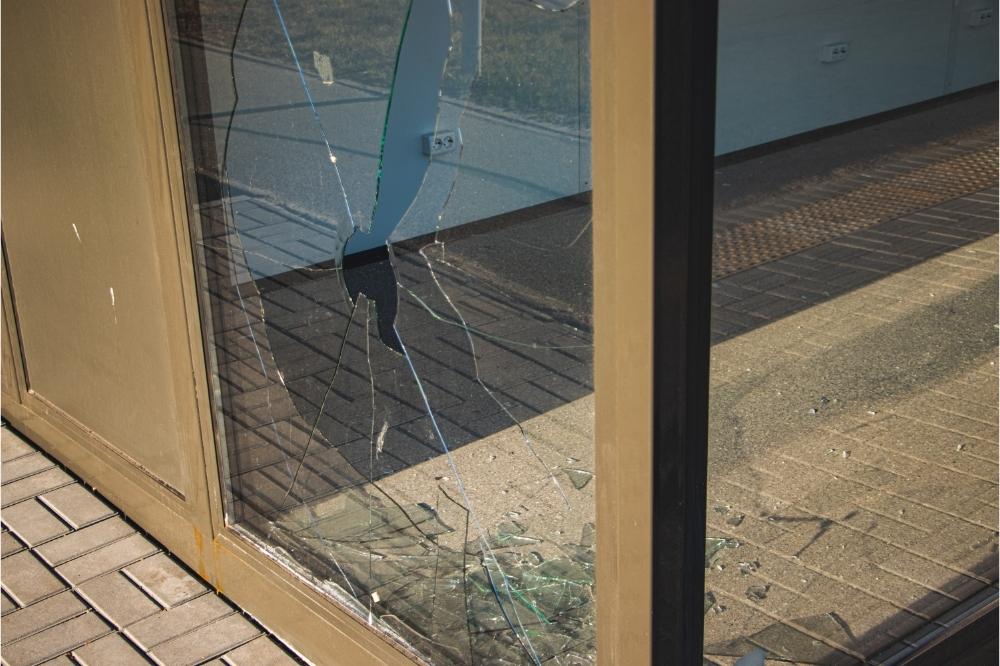
Understanding residential glass damages helps to prevent future problems such as:
- Temperature Fluctuations: Rapid heating or cooling can create expansion differentials that crack your glass, particularly in windows with direct sun exposure or poor installation.
- Accidental Impact: Moving of furniture, door slams, sports equipment, and everyday household activity can chip or crack glass surfaces of door and window.
- Foundation Shifts and Building Settlement: Even minor structural movement can trouble windows frames.
- Aging Glass and Inadequate Installation: Older glass loses its resilience after some period of time, while improper installation can create stress points that eventually get fail.
When to Repair or Replace Glass in Doors and Windows?
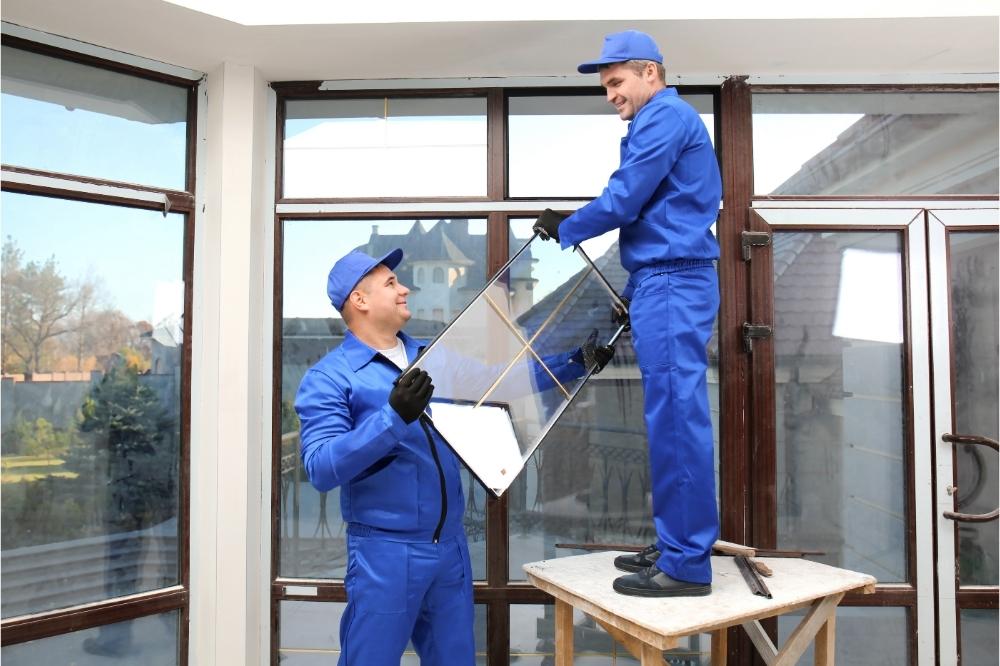
Not all residential glass damage requires full replacement. Small chips under an inch, surface cracks that haven’t penetrated both panes, and seal failures in double-pane windows often repairable. A window glass repair company can inject resin into chips, reseal fogged units, or replace individual damaged panes.
when cracks get bigger, replacement is essential, damage penetrates more than one layer or the frame gets compromised. Shattered safety glass, extensive thermal stress patterns, or damage near edges can be repaired. Trying to repair irreparable damage is wastes money & time and leaves your home vulnerable.
Preventative Measures to Extend the Glass Lifespan
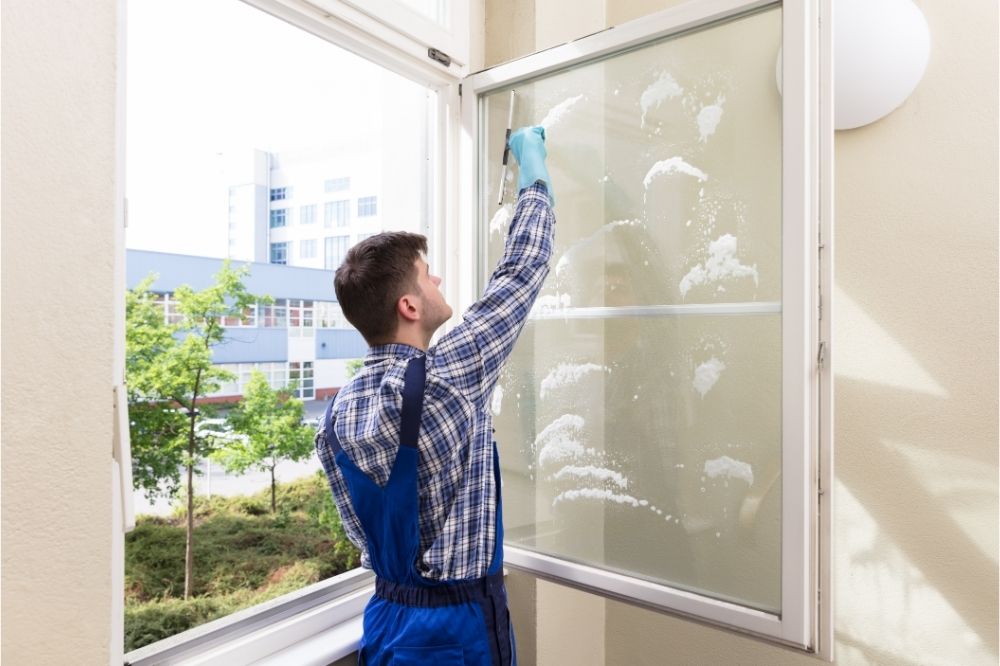
Keeping the following practices in mind will extend the home’s glass fixtures life:
- Regular Checking: Inspect the doors and windows regularly for early signs of seal failure, frame deterioration, or stress cracks.
- Impact Protection: Install window films in high-traffic areas and use door stops to prevent slam damage.
- Regular Cleaning: Use appropriate door and window cleaners and soft materials. Avoid using harsh chemicals cleaners and abrasive tools that can create microscopic damage lead to weakened glass over a time.
- Immediate Attention: Address minor chips and cracks immediately before they spread in your glass frame.
Retain Long-Term Home Value
Your property value depends upon maintenance quality. If the home buyers notice cracked windows and fogged glass immediately, consider it sign of rejection. Proactive glass maintenance shows overall property care and prevents your last-minute replacement costs before the listing starts.
Effective glass repairs mainly balance three priorities: maintaining curb appeal, ensuring family safety and preserving efficiency. Treating your glass maintenance as an integral part of your home care protects your daily comfort and long-term investment.
FAQs on Cracked and Fogged Glass
01. Can Cracked or Fogged Glass be Repaired, or Does it Require Full Replacement?
Minor chips, small hairline cracks, and seal failures can often be repaired. Larger cracks, frame damage, or shattered glass usually require replacement.
02. Why Fogged Glass Increases the Energy Cost of Your Home?
Fogged glass indicates seal failure, allowing moisture between panes that degrades insulation. This forces HVAC systems to work harder, driving up heating and cooling expenses.
03. Does Glass Damage Affect Home Value?
Cracked or fogged glass signals neglect to buyers, reducing curb appeal and property value. Proactive maintenance preserves safety, efficiency, and investment worth.
Author & Expert Review
Written By:  Kinjal Mistry | Civil Engineer & Senior Content Writer
| Credentials: B.E. (Dharmsinh Desai University, Nadiad, Gujarat). Experience: Civil Engineer with 9 years of content writing experience, currently writing impactful articles for Gharpedia, part of SDCPL. Expertise: Specializes in writing well-researched content on home improvement, sustainability, building materials, home interior, DIY, and plumbing technology with everyday clarity. Find him on: LinkedIn |
Verified By Expert:  Ravin Desai – Co Founder – Gharpedia | Co Founder – 1 MNT | Director – SDCPL
This article has been reviewed for technical accuracy by Ravin Desai, Co-Founder of Gharpedia and Director at Sthapati Designers & Consultants Pvt. Ltd. With a B.Tech. in Civil Engineering from VNIT Nagpur and an M.S. in Civil Engineering from Clemson University, USA, and over a decade of international and Indian experience in the construction and design consultancy sector, he ensures all technical content aligns with industry standards and best practices.
Find him on: LinkedIn