Table of Contents
Quick Summary
- Electrical warning signs in your home should never be ignored, as they may indicate serious wiring or circuit problems.
- Flickering or dimming lights often signal loose wiring, overloaded circuits, or unstable voltage.
- Frequent circuit breaker trips suggest that the electrical system in your home is struggling to handle the overload problem.
- Burning smells or scorch marks near outlets can indicate overheated wires and pose a fire hazard.
- Warm or buzzing outlets and switches may indicate faulty connections or damaged wiring.
- Sparking outlets or appliance shocks are clear safety warnings.
- Old or damaged wiring increases the risk of electrical failure.
- If you notice any abovementioned signs, contact a qualified electrician immediately to inspect and fix the problem in your electrical system.
Electrical warning signs in your home are mostly subtle but they speak of major anomalies in your electrical system.
A brushed off flickering light or an unusual warm outlet may not seem serious to many of us in the first instance. That’s exactly how electrical issues slip under the radar until they turn into severe hazards. Many homeowners ignore early warning signs because they seem small or random.
However, dimming lights, odd switch behaviour, or tripped breakers often point to deeper problems lurking in the walls. In this article, you’ll learn the signs of hidden dangerous electrical problems in houses to watch for, to keep your home electricity hazard-safe.
Everyday Warning Signs You Shouldn’t Ignore
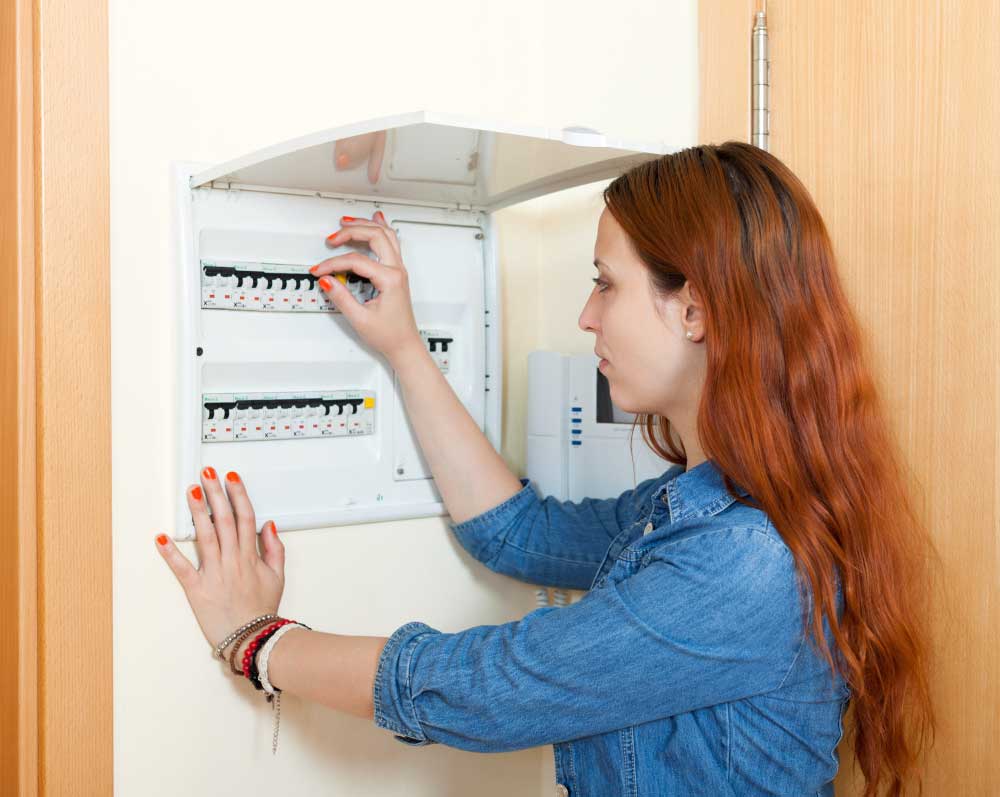
Some electrical red flags seem minor, but they can reveal bigger problems happening behind the scenes. Recognising these hints early can help you act before the situation becomes more serious.
Many homeowners first notice these issues when searching for emergency services during unexpected outages or sudden changes in electrical performance.
These disruptions can feel random at first. But these problems often point to deeper issues that have been brewing quietly over time, especially in old properties. The same can be said about the systems that haven’t been inspected recently.
Here are a Few Early Signs that Deserve Your Attention:
- Lights that flicker without a clear reason
- Outlets that feel warm when touched
- Breakers that trip more than once in a short time
Even though these signs of electrical problems in your home, like symptoms may appear harmless, they often indicate loose wiring, overloaded circuits, or aging components. Once these signs appear, they rarely disappear on their own and can quickly escalate into much more dangerous issues.
Serious Electrical Symptoms that Require Fast Action
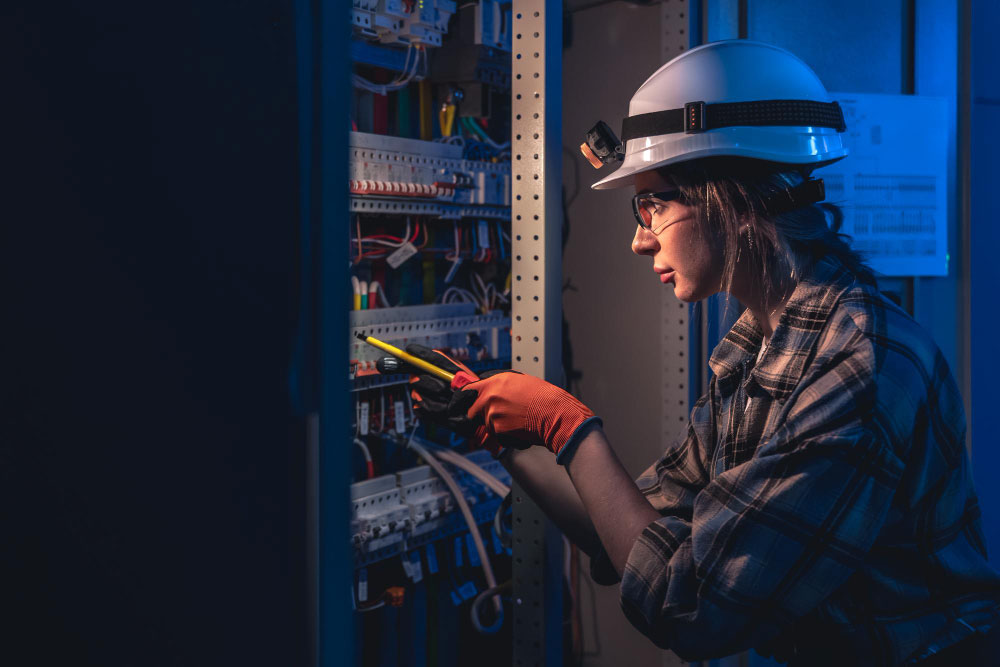
Some warning signs are harder to miss and need immediate attention. When your electrical system produces odours, discoloration, or unusual sounds, it’s often signalling an urgent issue that could worsen quickly if ignored. Addressing these symptoms as electrical safety tips early can help prevent dangerous failures.
1. Burning Odours
A burning or melting smell coming from an outlet or switch is one of the most alarming warning signs. It is usually an indicator of overheated wires or insulation that has started to break down. The problem often escalates faster than many homeowners expect. These signs of faulty electrical wiring should be checked and rectified immediately by an expert electrician.
2. Discolouration or Scorch Marks
If you notice brown or black marks around switches or outlets, heat has likely been building up for some time. It indicates that the wiring underneath is becoming unsafe. It is a necessity to identify the heat-source. Otherwise, the risk of short circuit prevails.
3. Additional Signs That Something Is Wrong
Electrical problems don’t always show up dramatically. Sometimes, they appear as odd appliance behaviour or unexpected sensations when you interact with outlets. These subtle issues might seem harmless at first. But actually, these are home electrical safety warning signs. They can indicate about a worn-out wiring, or circuits that are working harder than they should.
Here are a Few Smaller but Still Important Warning Signs:
- Appliances that lose power randomly
- Switches that feel loose or make clicking sounds
- Small shocks when plugging in devices
These small clues can help you catch problems before they turn into major electrical failures. Staying alert to unusual behaviour in your system can make a big difference over time, especially in older homes where hidden electrical wear is more common.
Stay Alert to Protect Your Home
It is safe and smart idea to pay attention to the warning signs of electrical problems is one of the best ways to keep your home safe. If you see flickering lights, discoloured outlets, or buzzing switches, your home is trying to tell you something is wrong.
It is essential that you should identify these symptoms early, so that you can avoid the burden of costly repairs and reduce the risk of electrical hazards.
Conclusion
When to call an electrician at home? If you notice any of these red flags, contact a licensed professional electrician. Only an expert can help you address these problems before it grows. Your home relies on a healthy electrical system, and staying aware is the first step in keeping it reliable.
Also Read: Understand Home Electrical System Basics and How it Works
FAQs on Electrical Warning Signs in Your Home
1. What are the Most Common Electrical Warning Signs in a Home?
Frequent breaker trips, flickering lights, burning smells, warm outlets, and buzzing sounds are common warning signs of electrical problems.
2. Why Do My Lights Flicker When Appliances Turn On?
This usually indicates overloaded circuits, loose wiring, or voltage fluctuations in your home electrical system.
3. Is A Burning Smell from An Outlet Dangerous?
Yes. A burning smell may signal overheated wires or insulation damage and requires immediate inspection by a licensed electrician.
4. How Often Should a Home Electrical System be Inspected?
Experts recommend a professional electrical inspection every 3–5 years, especially in older homes.
5. Can Old Wiring Cause Electrical Hazards at Home?
Yes. Aging wiring can crack, overheat, or fail, increasing the risk of electrical shocks or house fires.
Author & Expert Review
Written By:  Swagata Chatterjee | SEO Content Writer & Editor
| Credentials: MA (Calcutta University, Kolkata). Experience: Content Writer and Editor with 19 years’ experience of business content writing and editing, currently writing SEO-optimized, readers’-friendly articles for Gharpedia, part of SDCPL. Expertise: Specializes in writing well-researched content on lifestyle, home décor, , lifestyle, safety, home appliances and gadgets, on-site SEO Optimization, blending technical accuracy with general reader’s ability to learn the topics. Find her on : Linkedin |
Verified By Expert: Avni Desai Environmental Engineer, SDCPL | M.E. (Environmental Engineering)
This article has been reviewed for environmental, MEP, and building services accuracy by Avni Desai, an Environmental Engineer at Sthapati Designers & Consultants Pvt. Ltd. (SDCPL). With over 8 years of experience in water supply, wastewater management, infrastructure design, and building services, she brings practical expertise in MEP services, sustainable solutions, design planning, and on-site practices. Her professional services include planning and design of water supply systems, sewage and wastewater treatment systems (STP/WTP), drainage, rainwater harvesting, and other sustainable building services. Her review ensures the content aligns with environmental standards, efficient services planning, and real-world applicability.
Find her on: LinkedIn