Table of Contents
Quick Overview
Here is the quick summary of
- Roof Tarping Service provides temporary protection for homes with damaged roofs.
- It involves placing a waterproof tarp over damaged roof areas to stop rain and debris from entering the house.
- Commonly used after storms, heavy winds, falling branches, fires, or accidents that damage roofing.
- Helps prevent water damage to ceilings, insulation, walls, and personal belongings.
- Reduces repair costs by stopping further damage until permanent roof repairs are completed.
- Professional tarping ensures safe installation, strong fastening, and weather resistance.
- Many companies provide 24/7 emergency response for immediate protection.
Roof damage can happen at any time. Strong storms, heavy rain, falling tree branches, and aging roofing materials can all create serious problems. When a roof gets damaged, water can quickly enter the home and cause expensive damage to ceilings, walls, insulation, and personal belongings. In these situations, a roof tarping service becomes an important solution. Roof tarping provides temporary protection until permanent roof repairs can be completed.
A professional roof tarping service helps protect your home from further damage after a storm or accident. By covering the damaged area with a strong waterproof tarp, professionals can stop rainwater from entering the house. This simple but effective solution helps homeowners avoid bigger repair costs while waiting for full roof restoration.
What is a Roof Tarping Service?
A roof tarping service involves placing a durable tarp over a damaged section of a roof to prevent water from entering the building. The tarp acts as a temporary barrier that protects the home from rain, wind, and debris. This service is usually used during emergencies when the roof cannot be repaired immediately.
Roof tarping is commonly used after storms, hurricanes, heavy winds, or unexpected accidents that damage the roof. It gives homeowners time to arrange permanent repairs without worrying about water damage inside the property.
Professional tarping services use high-quality materials that can handle strong winds and rain. Proper installation ensures the tarp stays secure and continues to protect the home until roof repairs are completed.
When Do You Need a Roof Tarping Service?
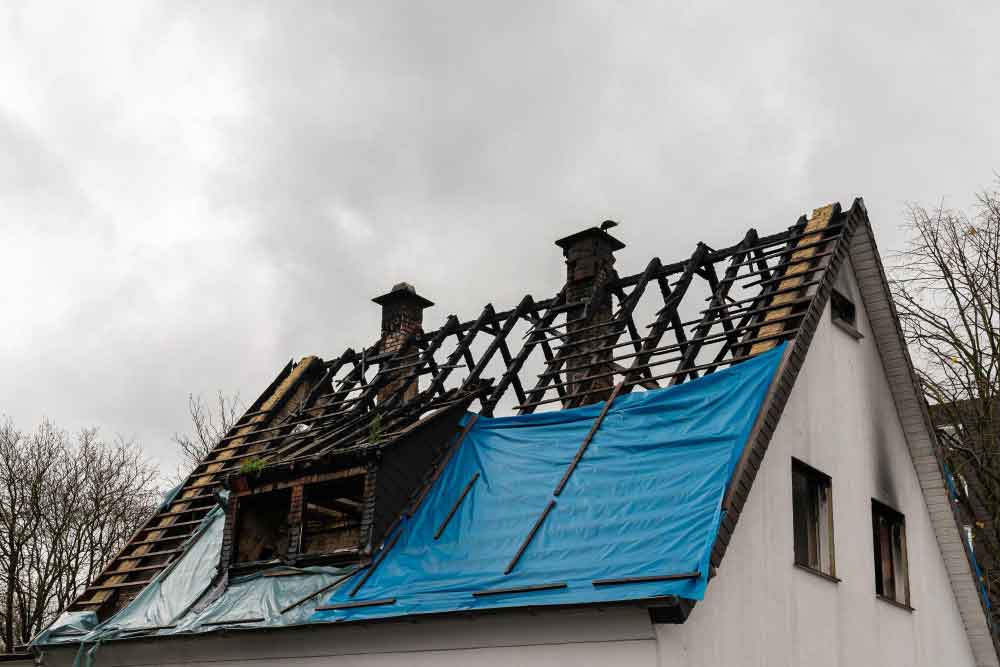
There are several situations where a roof tarping service is necessary. One common reason is storm damage. Strong winds can tear shingles off the roof or cause tree branches to fall on the structure. When this happens, the roof becomes vulnerable to rain and moisture.
Another situation is when heavy rain causes roof leaks. Even small leaks can turn into major problems if water continues to enter the house. A tarp can stop the leak temporarily and protect the interior of the home.
Fire damage can also affect the roof. After a fire, parts of the roof may become weak or open. In these cases, roof tarping helps protect the building from weather until restoration work begins.
Sometimes accidents during construction or maintenance can also damage the roof. In such cases, a tarp provides quick protection and prevents further damage.
Benefits of Professional Roof Tarping
One of the biggest benefits of roof tarping is preventing further damage. When a roof is exposed, rainwater can enter the home and damage insulation, drywall, furniture, and electrical systems. Installing a tarp quickly helps stop water from spreading inside the building.
Another benefit is saving money on repairs. Water damage can become very expensive if it spreads throughout the house. By protecting the roof immediately, homeowners can reduce the cost of repairs and restoration.
Roof tarping also provides peace of mind. Knowing that the damaged area is covered allows homeowners to focus on planning permanent repairs without worrying about weather conditions.
Professional tarping services also ensure the tarp is installed safely and securely. Climbing on a damaged roof can be dangerous for someone without the proper equipment and training. Experienced technicians know how to install tarps safely and effectively.
How the Roof Tarping Process Works?
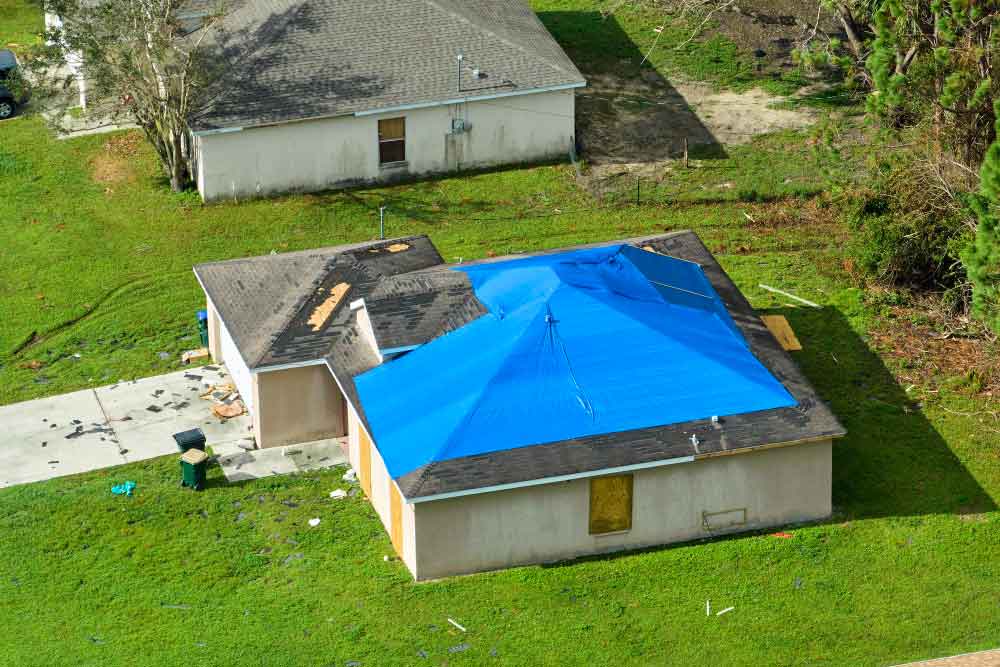
The roof tarping process usually starts with a careful inspection of the roof. Professionals examine the damaged areas to understand the size and severity of the problem. This helps them choose the correct tarp size and installation method.
After the inspection, the team clears any loose debris from the roof. Removing broken shingles, branches, or other debris helps create a stable surface for the tarp.
Next, the tarp is placed over the damaged area and securely attached to the roof. Professionals use strong fasteners and proper techniques to ensure the tarp stays in place during wind and rain. The goal is to create a tight seal that prevents water from entering the property.
Once the tarp is installed, the home is protected until permanent repairs can be arranged.
Why Choose Professional Roof Tarping Services?
While some homeowners may consider installing a tarp themselves, professional roof tarping services provide several important advantages. Experts have the right equipment and safety gear to work on damaged roofs. They also understand how to secure the tarp properly so it can withstand bad weather.
Professional services also respond quickly to emergencies. Many companies offer 24/7 emergency roof tarping, which means they can protect your home immediately after a storm or accident.
Another advantage is experience. Restoration and roofing professionals know how to identify hidden damage and recommend the best next steps for repairing the roof.
Protect Your Home with Reliable Roof Tarping
Roof damage can lead to serious problems if it is not handled quickly. Water entering a home can cause structural damage, mold growth, and costly repairs. A roof tarping service offers a fast and effective way to protect your property from further harm.
By covering damaged areas with a strong waterproof tarp, professionals can stop leaks and prevent additional damage while permanent repairs are planned. Whether the damage is caused by storms, falling debris, or unexpected accidents, roof tarping provides the protection homeowners need during emergencies.
Choosing a reliable Wind & Hail Damage Restoration ensures your home stays safe, dry, and protected until full roof restoration is completed. Acting quickly can make a big difference in protecting your property and reducing repair costs.
Also Read: Choosing The Right Roofing Contractor For Roof Replacement
FAQs on Emergency Roof Tarping Service
1. How Long Can a Roof Tarp Stay in Place?
A properly installed tarp can last several weeks to a few months, but it is meant to be temporary until full roof repairs or replacement are completed.
2. Can Homeowners Install a Roof Tarp Themselves?
While it is possible, it is safer to hire professionals because climbing on a damaged roof can be dangerous and improper installation may allow water to enter.
3. How Quickly Should Roof Tarping be Done After Damage?
It should be done as soon as possible to prevent water intrusion, structural damage, mold growth, and higher repair costs.