Table of Contents
Quick Summary
- This guide explains how to respond quickly when water damage strikes your home
- It outlines why immediate action is critical to reduce structural and mould damage
- Safety measures are covered, including dealing with electricity and contaminated water
- Practical steps include shutting off utilities, removing valuables, and basic water extraction
- The article highlights documenting damage for insurance purposes
- It also explains when and why to call professional emergency water damage restoration services
Water damage can strike at any time, and when it does, it often leaves homeowners in a state of panic. Whether caused by a burst pipe, a flooding event, a leaking roof, or a natural disaster, the damage can escalate quickly. Understanding the emergency water damage restoration process can help you take immediate action before professional help arrives.
Why Immediate Action Matters
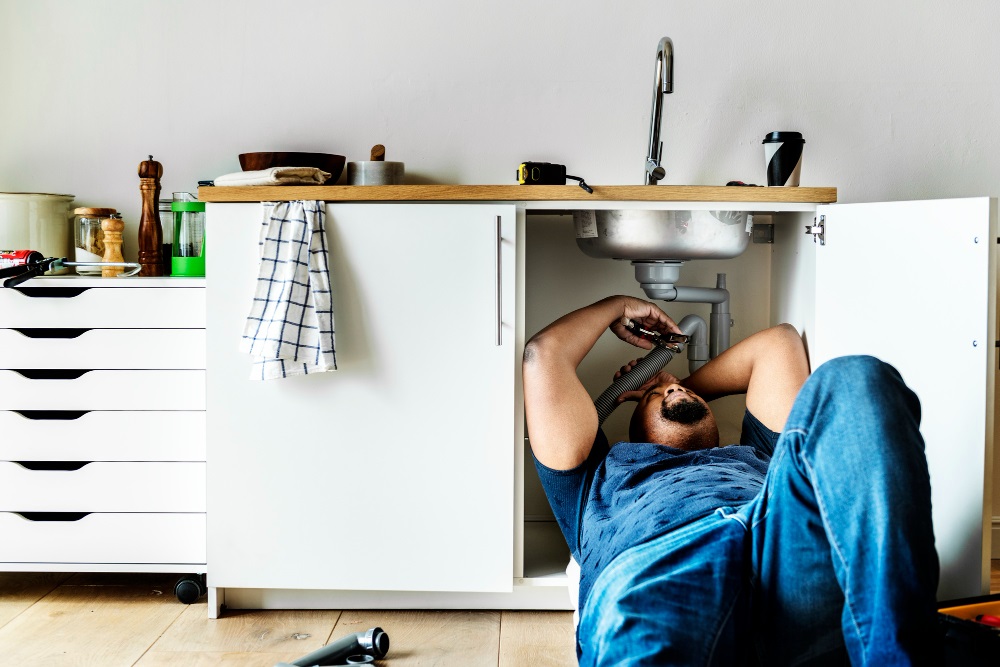
Water damage can cause severe destruction in a short amount of time. Once water begins to infiltrate your home, it spreads quickly through floors, walls, and ceilings, leading to structural issues, mold growth, and damage to personal belongings.
When a water emergency strikes, it’s crucial to act fast to minimize the extent of the damage and protect your home from further deterioration. The quicker you take action, the better the chances of saving your property and belongings.
Step 1: Ensure Safety First
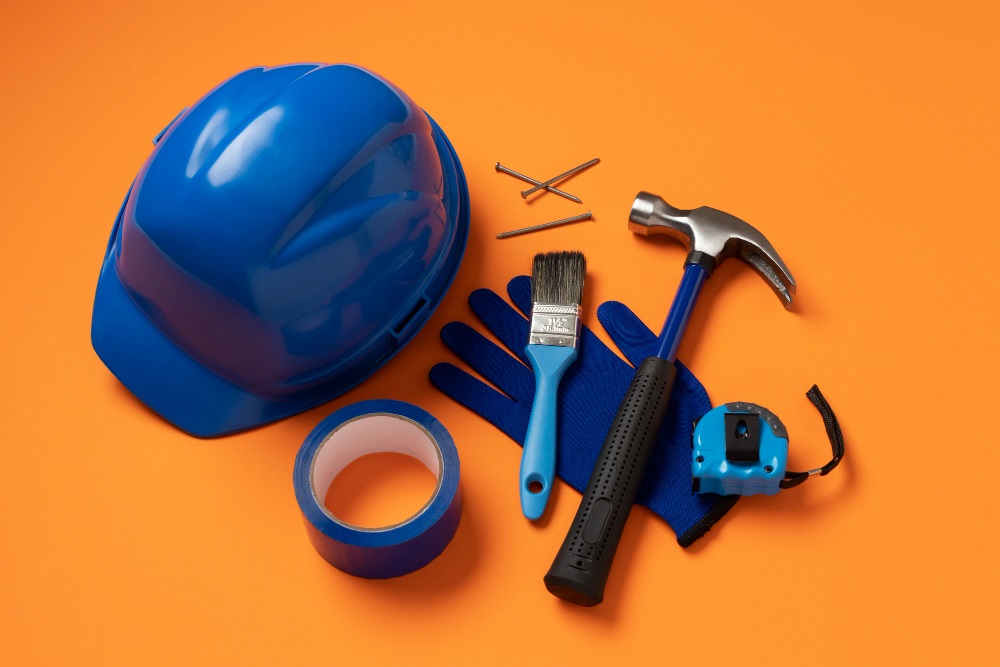
Before doing anything, prioritize your safety when facing a water damage situation in your home. Water can cause electrical hazards, slip-and-fall accidents, and exposure to contaminated water, depending on the source. This is especially critical in emergency water damage restoration Vancouver WA, where water from floods, burst pipes, or natural disasters may be contaminated. Here’s how to stay safe:
- Avoid standing water: If the water is deep, do not wade through it.
- Check for electrical hazards: Don’t touch electrical outlets, switches, or appliances in areas with standing water. If you suspect electrical issues, wait for professionals to address it.
- Wear protective gear: Wear rubber boots and gloves to avoid contact with contaminated water, which can pose health risks.
Step 2: Shut Off the Water Supply
If you have a plumbing-related water emergency (like a burst pipe), shut off the water supply immediately to stop more water from flooding your property. The main water shutoff valve is typically located near your water meter or where the water line enters your home. Shutting off the water is one of the most critical steps in preventing further damage.
If you cannot find the shutoff valve or it’s difficult to access, call a plumber immediately for assistance.
Step 3: Turn Off Electricity to Affected Areas
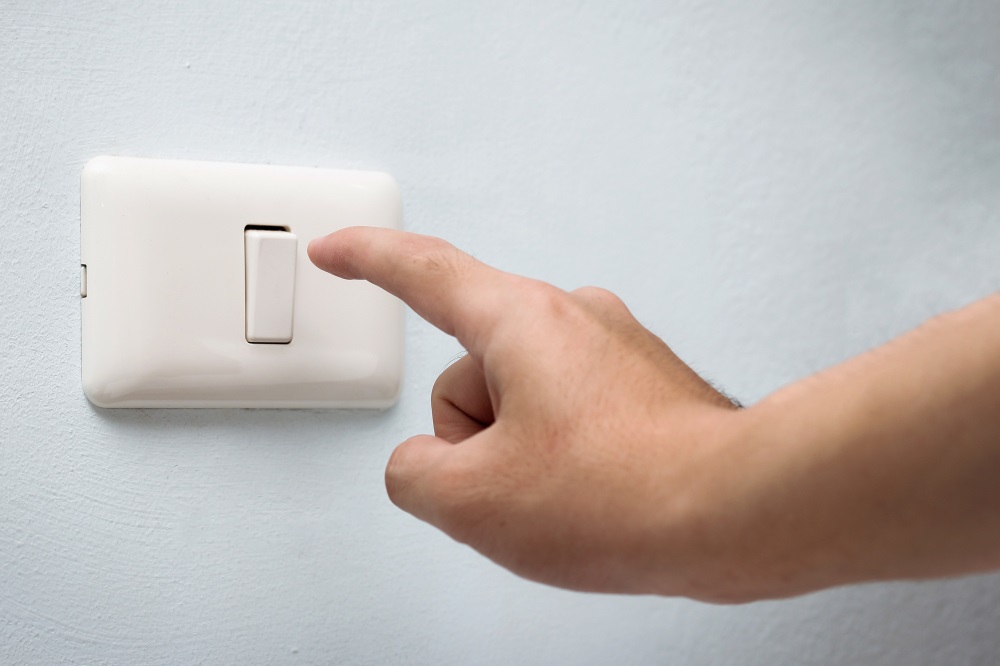
Water and electricity are a dangerous combination. To avoid electrical hazards, turn off the power in areas affected by water damage. If you know where the breaker box is, switch off the main power or disconnect electricity to the affected areas.
If you can’t reach your electrical panel safely due to flooding or water hazards, wait for professionals to handle the power shutoff.
Step 4: Remove Valuable Items and Personal Belongings
The next step in the water damage restoration process is to save what you can. While it might not be possible to remove all items from the affected areas, try to salvage as much as possible, especially valuable and sentimental items. Move furniture, electronics, and heirlooms to higher ground or a safe location.
Keep these tips in mind:
- Prioritize important documents: Paperwork, photographs, and digital devices are susceptible to water damage. Put these items in a dry, safe place if you can.
- Move furniture: Upholstered furniture and rugs can absorb water, leading to long-term damage. If possible, elevate these items off the floor.
- Remove electronics: Electronics can be ruined by water. Unplug and move them to a safe area immediately.
Step 5: Start Water Extraction (If Possible)
If you are able to do so safely, begin extracting standing water to prevent further damage. Here are some steps to follow:
- Use a mop, bucket, or towels: If the water is relatively shallow, you can mop up as much water as possible. Towels can also help absorb water from smaller puddles.
- Use a wet/dry vacuum: If you have a wet/dry vacuum, use it to extract as much water as possible from carpets and floors.
However, avoid doing this if the water is deep or if you feel unsafe. If the water is flooding your home significantly, the best course of action is to wait for professional water damage restoration services to handle the extraction.
Step 6: Document the Damage

Documentation is essential for both insurance claims and the water damage restoration process. Take photos and videos of the damage as soon as possible. Include:
- Wide shots of affected rooms and areas
- Close-ups of specific damage (e.g., soaked carpets, damaged furniture, warped walls)
- Water levels and signs of standing water
This documentation will help your insurance company assess the situation and determine the extent of the damage.
Step 7: Prevent Further Damage
Once you’ve taken the initial steps, try to prevent further damage while waiting for restoration professionals to arrive. Here are some preventive actions to take:
- Open windows and doors: If safe, open windows and doors to increase ventilation and reduce moisture in the air.
- Use fans: If you have fans available, use them to help dry out the affected areas. However, avoid using electrical appliances in flooded areas without professional advice.
- Move furniture out of wet areas: If possible, elevate furniture to prevent further water absorption.
Step 8: Contact Your Insurance Provider
Contact your insurance provider as soon as possible to report the water damage. Many insurance policies cover water damage, but it’s essential to understand what is covered under your specific policy.
Be prepared with:
- Photos and videos of the damage
- A detailed list of affected items
- Information about the cause of the water damage (if known)
Your insurance provider may send an adjuster to assess the damage before repairs begin.
Step 9: Call a Professional Emergency Water Damage Restoration Service
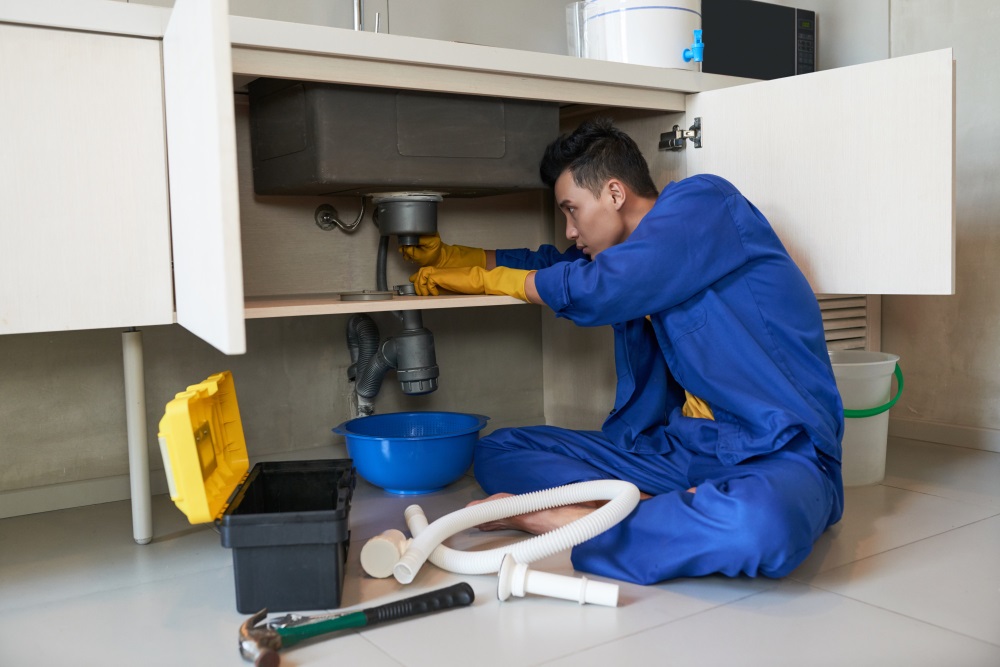
Once you’ve taken the initial steps, it’s time to call in emergency water damage restoration professionals in Vancouver, WA. These experts have the necessary equipment, expertise, and resources to handle large-scale water damage.
A professional restoration service will:
- Use industrial-grade equipment like water extractors, dehumidifiers, and air movers
- Address hidden moisture in walls, ceilings, and floors
- Provide mold remediation if necessary
- Help restore your home to its original condition
Professionals can also handle the clean-up of contaminated water, ensuring that your home is safe and sanitary.
Conclusion
When faced with a water damage emergency, your first priority should be safety and minimizing damage. By following the steps outlined above from ensuring your safety to contacting a professional emergency restoration service in Vancouver, WA you can help prevent further destruction and begin the restoration process quickly.
Remember, while DIY water extraction and damage mitigation can be helpful, it’s crucial to get professional assistance as soon as possible to ensure your home is thoroughly restored and safe for occupancy.
If you’re in Vancouver, WA, dealing with water damage, don’t hesitate to contact a trusted emergency water damage restoration service. Acting quickly can save you money, time, and stress in the long run.
Also Read: Use Smarter Plumbing Solutions to Improve Your Home Renovation
Frequently Asked Questions – Emergency Water Damage Restoration
1. What should I do first during a water damage emergency?
Your first step should always be safety. Avoid standing water, watch for electrical hazards, and wear protective gear if needed.
2. Can I remove water myself before professionals arrive?
Yes, if it is safe to do so. You can use towels, mops, or a wet vacuum for shallow water, but avoid deep or contaminated water.
3. Why is turning off electricity important during water damage?
Water and electricity together can cause serious injury or fire. Turning off power helps prevent electrical accidents.
4. Should I contact my insurance company immediately?
Yes, reporting the damage early helps speed up claims and ensures proper documentation before repairs begin.
5. When should I call an emergency water damage restoration service?
You should call as soon as possible once initial safety steps are taken. Professionals are needed to fully dry, clean, and restore affected areas.