Table of Contents
Quick Summary
- Excessive sweating at home is a recurring irritation. It gradually affects furniture, fabrics, and surfaces of a home.
- Sofas, cushions, and bedding mostly absorb moisture, generates odour, dampness, and accelerated the wear & tear of the fabrics.
- Wood, leather, and faux leather develop sticky patches, cracking, peeling, or finish damage.
- Bedrooms often feel less fresh because moisture is trapped in mattresses and pillows.
- Closets and stored fabrics develop musty smells when airflow is limited.
- High-touch surfaces collect sweat residue and feel grimy sooner.
- Humidity slows drying and worsens indoor freshness.
- Regular airflow, protective covers, and simple cleaning routines help preserve comfort.
Excessive sweating at home is an indoor environment -related problem of a home. Excessive sweating is neither a skin problem not does it stay on our skin. It follows us through the house, into the sofa we sink into after work, the dining chair we always choose, the pillows we hug, and the light switches and remotes we touch a hundred times a day.
Over time, sweat and body oils settle into fabrics and finishes. The result is a home that can feel harder to keep fresh: cushions that hold odour, chairs that feel tacky, bedding that never quite feels “clean enough,” and rooms that feel warmer or more humid than they should. These are he effects of excessive sweating at home.
This is a practical home-focused look at where sweat shows up most, what it does to common materials, and simple ways to protect your space, especially in humid climates.
The Home Changes You Notice First
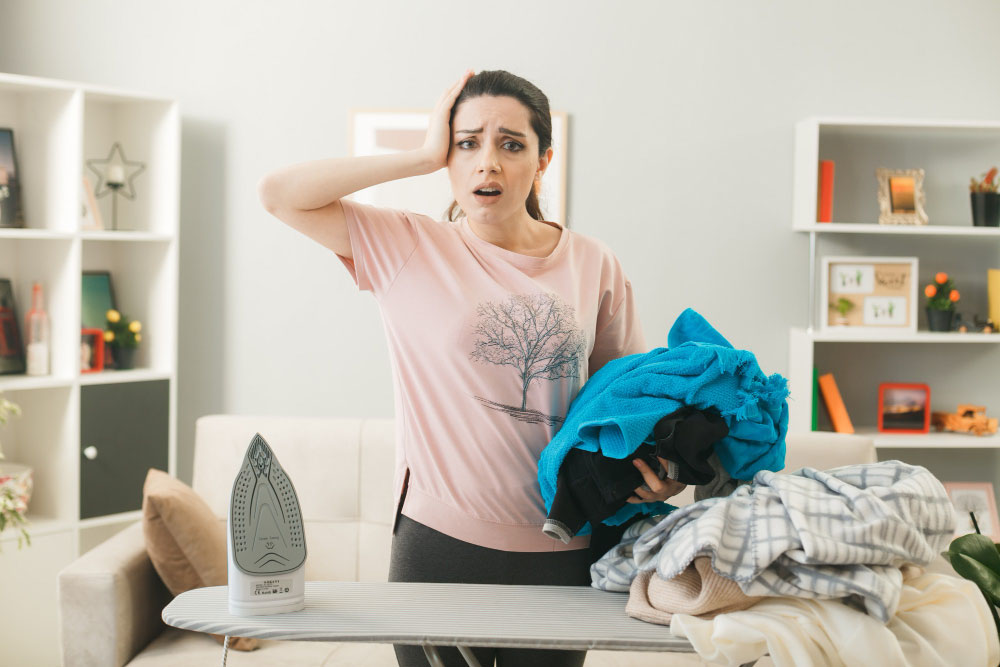
When sweating is frequent, it quietly changes how you run your home. You may not connect it at first, but the pattern is familiar: laundry piles up faster, furniture looks “used” sooner, and certain rooms start to feel stale even after cleaning.
Common Signs Around the House
- Soft furnishings (sofas, cushions, rugs, bedding) feel damp more easily and hold odour.
- Closets and fabric storage smell musty faster, especially in tight spaces.
- High-touch areas feel grimy sooner, even if the room looks clean.
- Some rooms feel sticky or heavy, especially without steady airflow.
- Living Room and Lounge Seating: Where Sweat Builds Up.
The living room is usually the first place to show it, because we spend the most relaxed time there. Sweat slowly transfers to the areas we use most: the armrest we lean on, the cushion edge we rest on, and the headrest where we rest after a long day.
Fabric Sofas and Upholstered Chairs
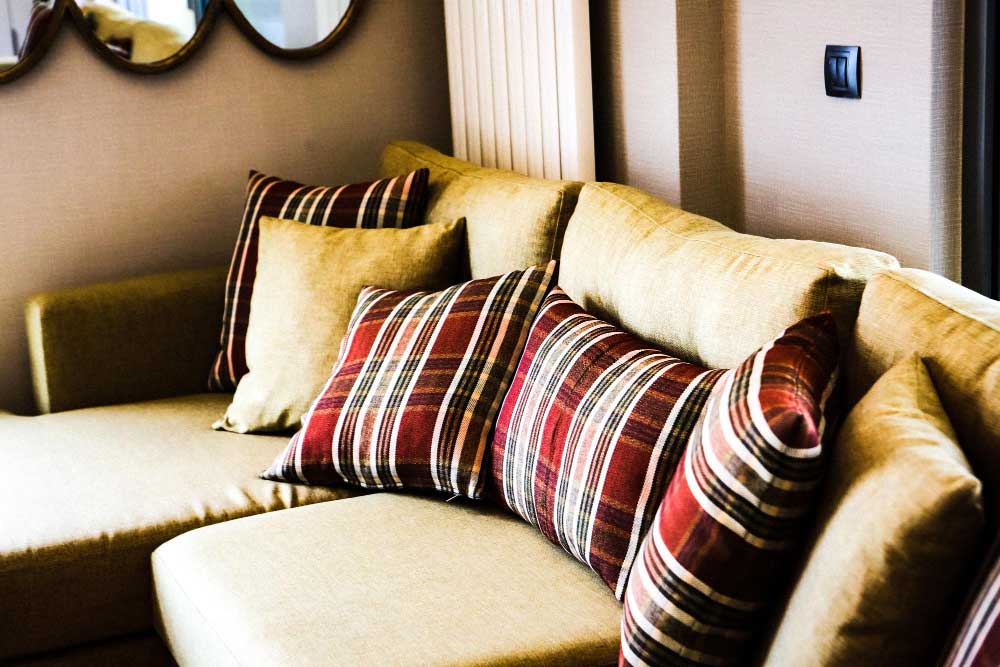
Fabric absorbs moisture and holds onto it. In a humid home, that moisture doesn’t always dry quickly, and the smell can linger. But how to remove sweat smell from furniture?
1. What Can Happen?
- Odour buildup in cushions and seams.
- Discolouration in high-contact zones (armrests, seat edges, headrest areas).
- Fabric wear looks old and dull.
- These fabrics often feel mushy due to the combination of sweat and friction.
- Musty smell from moisture trapped deep in cushions, with a higher mould risk in humid rooms.
2. Home-Friendly Ways to Protect Lounge Seating
- Put washable throws where you actually sit (not just for décor).
- Use armrest covers on the “favourite seat” to reduce direct contact.
- Rotate and flip removable cushions so one spot doesn’t take all the wear.
- Air cushions out regularly (even 20–30 minutes with a fan helps).
- Keep a simple routine: vacuum weekly, spot-clean quickly, deep-clean on a schedule.
Home Tip: How to remove sweat smell from furniture? If you can smell the sofa only when you sit down, it usually means the odour is in the cushion fill, not just on the surface.
Dining Chairs, Home Office Chairs, and “My Spot” Seats
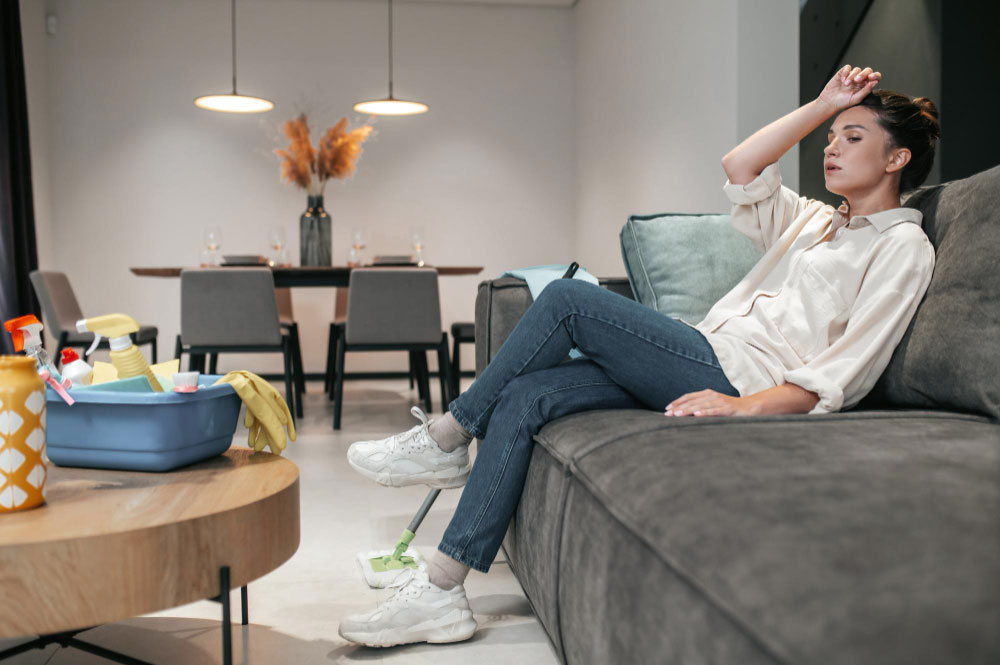
Dining and office chairs often have the most direct contact: backs, seats, arm pads, and the surfaces your forearms rest on. These chairs can become sticky or look worn faster than the rest of the room.
1. Wood Chairs and Tables
Wood doesn’t “soak” like fabric. But sweat and salts can soften the finish over time—especially on armrests, chair backs, and table edges. How to protect furniture from sweat damage? Let’s discuss.
2. What Can Happen?
- Dull patches may sprout where arms and hands rest.
- You will feel tacky or sticky on varnished surfaces.
- you will experience frequent staining or early finish breakdown.
- Swelling/warping risk will be there for MDF or poorly sealed pieces in humid rooms.
3. Easy Home Care Tips
- Wipe high-touch areas with a soft cloth, then dry right away.
- Avoid harsh cleaners that strip protective finishes.
- Use a washable chair pad or throw on a favourite chair during hot months.
- Keep airflow moving around wood furniture (fans help more than people think).
Leather and Faux Leather: Looks Clean, holds on to Sweat
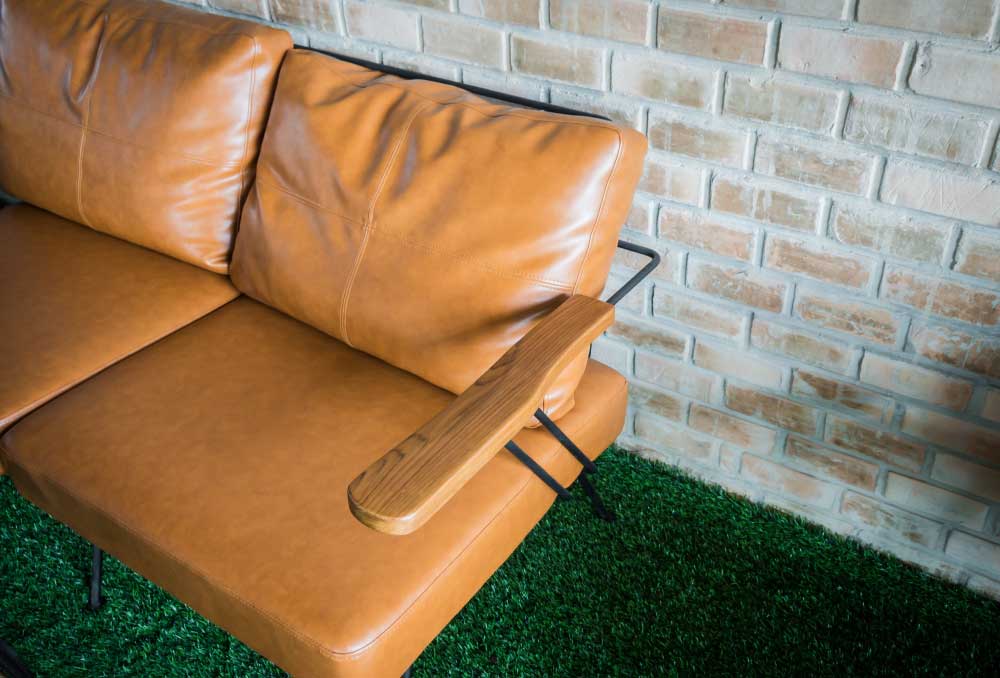
Leather and faux leather can be misleading: they don’t absorb moisture like fabric, so they look clean, but sweat can sit on the surface. Friction + sweat can wear down the top layer, and smell can build up in seams and stitching.
1. What Can Happen?
- Cracking or stiffness will be felt in real leather if it dries out unevenly.
- Peeling or flaking in faux leather over time will be seen.
- You will experience smell that clings to seams and contact points.
2. Home-Friendly Care Tips
- Wipe down contact areas regularly and dry completely.
- Use a washable throw on hot days to reduce direct contact.
- Condition real leather occasionally to reduce cracking.
- Keep seating out of intense sunlight and away from heat vents (both speed up damage).
Bedrooms: Bedding, Pillows, and the “Never-Feels-Fresh” Problem

If sweating occurs at night, the bedroom can be the hardest room to keep clean. How humidity affects indoor furniture and bedding? Even with regular washing, humidity and moisture trapped in bedding can make the space feel stale faster. You may wonder, how to prevent sweat odour in home naturally. Follow the suggested tips.
1. Mattresses, Pillows, and Bedding: What can happen?
- Frequent yellowing and odour buildup over time.
- Bedding that feels damp or heavy, especially in humid seasons.
- A more dust-mite-friendly environment if moisture stays trapped.
- Practical Bedroom Habits that Make the Biggest Difference
- Use a breathable mattress protector (it’s the “wall” between sweat and the mattress).
- Choose breathable sheets (cotton or linen blends).
- Wash sheets weekly, and more often in humid months.
- Air out pillows and bedding so they dry fully between uses.
- Rotate pillows and let the mattress “breathe” when you can (pull covers back for a bit).
Home Tip: If the room smells clean until you lie down, the moisture is likely in the top layers of the pillow or mattress.
Closets, Laundry Areas, and Fabric Storage
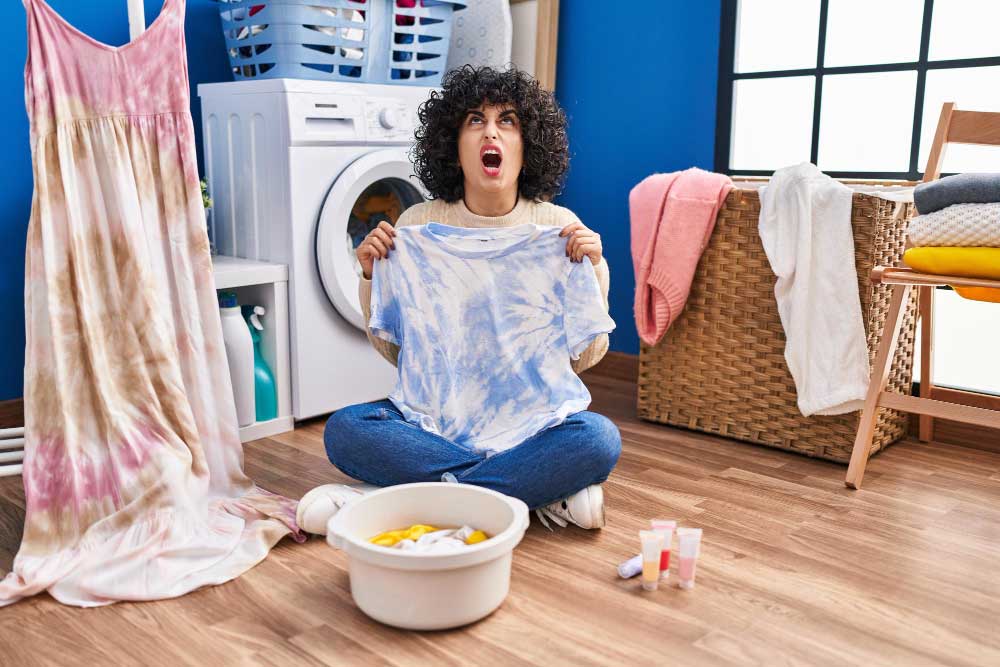
Closets and storage spaces trap humidity, so they hold odours longer. If clothing, towels, or spare bedding are stored even slightly damp, the odour can spread quickly.
1. What Can Happen?
- Musty odour in closets, drawers, and fabric bins.
- Clothes that smell “off” even after washing.
- Towels that don’t fully dry and start to smell faster.
2. Simple Fixes
- Don’t overpack closets; air gap matters.
- Use airflow: cracked door + fan, or a small closet dehumidifier.
- Store spare bedding only when fully dry.
- Rotate stored items so nothing sits untouched for months.
High-Touch Surfaces Often Feel Grimy Faster
Sweat residue affects more than fabrics. It can leave a film on surfaces you touch constantly, especially in warm rooms.
1. Common Hotspots Around the Home
- Door handles, light switches, and faucet handles.
- Remote controls, phones, keyboards, and a computer mouse.
- Cabinet pulls, fridge handles, and desk edges.
- Stair rails and chair arms, etc.
2. Quick Home Routine that Helps
Perform quick wipe-downs every 1–2 days in high-traffic areas during hot or humid seasons. It prevents surfaces from developing that “sticky” feel.
Humidity and Indoor Air: Why the Whole House Feels Worse
Humidity doesn’t just make sweating feel heavier; it also causes the home to retain moisture and odour for longer. Soft furnishings dry slowly, closets stay damp, and rooms can feel stale even after cleaning.
1. Home-Focused Fixes That Actually Move the Needle
- Create cross-ventilation: open windows on opposite sides when possible.
- Use exhaust fans in kitchens and bathrooms, even after you’re done.
- Run a dehumidifier in damp rooms, closets, or bedrooms when needed.
- Let fabrics breathe: avoid pushing furniture tight against walls in humid rooms.
- Use fans to move air across sofas, rugs, and bedding so moisture doesn’t settle.
Final Thoughts: A Simple “Home Check” to Know If You’re Keeping Up
If your home routines get heavier with extra laundry, constant wiping, recurring odour, damp cushions, musty closets, or frequent changing of bedding, then sweating is shaping your home more than it should. At that point, it may help to focus on both sides of the problem: protecting the home and reducing the moisture source.
Also Read: How to Transform Your House into a Healthy Living Space?
FAQs on Excessive Sweating at Home
1. Can Sweat Permanently Damage Sofas and Upholstered Furniture?
Yes, repeated sweat exposure can weaken fabric fibres, which cause permanent discolouration, trap odour, and increase mould formation risk if the fabrics stay damp recurrently.
2. Why Does My House Smell Musty Even After Regular Cleaning?
Musty smells often come from moisture trapped in cushions, bedding, closets, or rugs. The problem is found especially in humid environments with limited airflow in a home.
3. How Do You Remove Sweat Odour from Cushions and Pillows?
The process is simple. You need to air them in moving airflow and it is wise to use fabric-safe cleaners. Always wash removable covers regularly, and ensure at the same time that cushions dry fully to prevent the risk of odour buildup.
4. Does Humidity Make Sweat Damage Worse Inside the Home?
Yes, high humidity slows evaporation, allowing moisture to remain in fabrics, wood, and bedding for longer. It increases odour, risk of wear, and mould formation risk.
5. What Is the Best Way to Protect Furniture from Sweat and Body Oils?
Use washable covers, maintain airflow, clean contact areas often, and rotate cushions. Also invest best efforts to control humidity with fans or dehumidifiers.
Author & Expert Review
Written By:  Swagata Chatterjee | SEO Content Writer & Editor
| Credentials: MA (Calcutta University, Kolkata). Experience: Content Writer and Editor with 19 years’ experience of business content writing and editing, currently writing SEO-optimized, readers’-friendly articles for Gharpedia, part of SDCPL. Expertise: Specializes in writing well-researched content on lifestyle, home décor, , lifestyle, safety, home appliances and gadgets, on-site SEO Optimization, blending technical accuracy with general reader’s ability to learn the topics. Find her on : Linkedin |
Verified By Expert:  Farhan Sheikh – Senior Manager – Architect, SDCPL | Associate Member – IIA
This article has been reviewed for architectural and interior design accuracy by Farhan Shaikh, Senior Manager – Architect at Sthapati Designers & Consultants Pvt. Ltd. As the lead for all architectural and interior projects at SDCPL and an Associate Member of the Indian Institute of Architects (IIA), he brings hands-on experience in architectural planning, interior design, project coordination, and sustainable strategies. His review ensures the content reflects practical design considerations, industry best practices, and real-world applicability across both architecture and interior spaces.
Find him on : Linkedin