Table of Contents
Quick Overview
Here is the quick summary on field testing of concrete and masonry work:
- Performing field testing during concrete and masonry work ensures they meet design strength, safety, and durability requirements.
- On-site tests detect mix inconsistencies, poor workmanship, and curing problems early.
- Some of most common concrete tests include slump, cube or cylinder, rebound hammer, UPV, and air content tests.
- Masonry testing includes mortar quality, brick or block strength, water absorption, and soil compaction.
- Early testing can prevent cracks, honeycombing, low strength, and costly structural failures in future.
- Proper equipment, calibration, and trained personnel improve testing accuracy.
- Field testing reduces rework, liability, and long-term maintenance costs.
- Consistent testing strengthens overall quality control and long-term building performance.
Concrete and masonry are the backbone of residential and commercial construction. From foundations and columns to brickwork and block masonry, these materials directly influence a building’s strength, durability, and long-term performance. Yet, even the best design and materials can fail if on-site quality control is ignored.
Field testing plays a crucial role in ensuring that concrete and masonry work meets structural, safety, and durability standards. Unlike laboratory testing, which evaluates materials under controlled conditions, field testing verifies whether real-world construction practices are delivering the intended performance.
In this article, we’ll explore how field testing helps maintain quality in concrete and masonry projects, the most common tests conducted on-site, and why proactive testing prevents costly structural failures.
Why Field-Testing is Essential in Construction?
Construction projects operate in different climatic conditions. Variations in weather, workmanship, batching accuracy, curing methods, and material handling can significantly impact final performance. Field testing bridges the gap between design specifications and actual site execution.
Here’s why field testing is essential:
- Confirms compliance with structural design needs
- Early detection of inconsistencies in mix design or workmanship
- Prevents premature cracking and durability problems
- Ensures safety before load application
- Lower the risk of structural failure
If you are not performing a field test, hidden defects may go overlooked until visible damage appears often when repairs become expensive.
Field Testing in Concrete Work
Concrete is a composite material whose strength and durability depend on mix quality, water-cement ratio, compaction, and curing. Even minor deviations can significantly alter performance. The following field tests are performed to check the quality of concrete:
1. Slump Test to Check Workability of Concrete

The slump test is one of the most commonly performed field tests to check workability of concrete.
If the slump is too high, the mix may contain excess water, reduce strength and increase shrinkage cracks. If it is too low, compaction becomes difficult, leading to voids and honeycombing.
Regular slump testing makes sure that the delivered concrete matches the specified mix design and is workable without compromising structural integrity.
2. Compressive Strength Test (Cube/Cylinder Test)
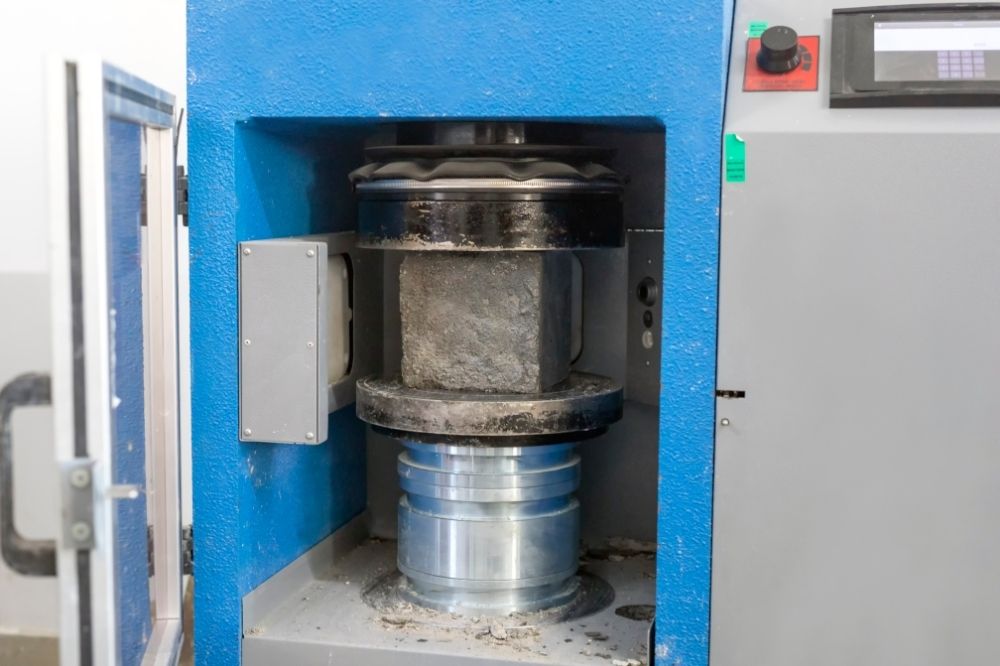
Compressive strength is the most critical parameter for structural concrete. Concrete samples (cubes or cylinders) are cast on-site and tested at 7 and 28 days.
These tests confirm whether the concrete has achieved its design strength (e.g., M20, M25, etc.). If results fall below acceptable limits, corrective measures can be taken before further structural loading.
Reliable results depend on proper sampling, curing, and calibrated concrete testing equipment used both on-site and in laboratories.
3. Rebound Hammer Test or Non-Destructive Testing
The rebound hammer test evaluates surface hardness and provides an indication of in-place concrete strength.
Although it does not replace compressive strength testing, it is useful for:
- Evaluate uniformity of concrete
- Identifying weak zones
- Evaluating older structures
It’s mostly useful in renovation projects where core testing may not be feasible.
4. Ultrasonic Pulse Velocity (UPV) Test
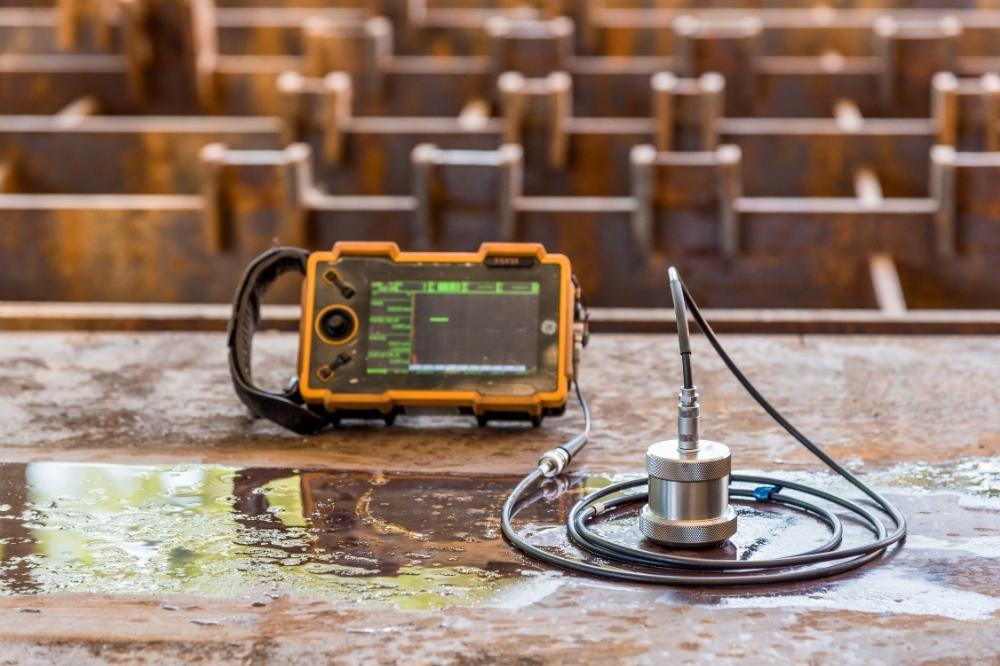
The UPV test identifies internal defects such as cracks, voids, and honeycombing without damaging the structure.
By measuring the velocity of ultrasonic pulses passing through concrete, you can assess:
- Concrete quality and homogeneity
- Internal defects
This testing is most commonly used in quality audits and structural health monitoring.
5. Air Content Testing in Concrete
For structures exposed to freeze-thaw cycles, maintaining proper air content is critical. Air-entrained concrete improves durability and resistance to cracking.
Air content tests ensure that the concrete mix meets durability requirements, particularly in harsh climates.
Field Testing in Masonry Work
Masonry quality control is as important as concrete work. Poor brickwork or block masonry can compromise structural stability and weather resistance.
1. Mortar Quality Testing

Mortar binds masonry units together. Its strength and workability must align with design requirements.
Field checks include:
- Visual consistency inspection
- Water-cement ratio control
- Mortar cube strength testing
- Flow table tests for workability
Improper mortar mix can lead to weak joints and water infiltration.
2. Brick and Block Testing
Before use, masonry units should be tested for:
- Compressive strength
- Water absorption
- Efflorescence
- Dimensional accuracy
High water absorption bricks can draw moisture from mortar, weakening the bond. Routine testing prevents such issues.
3. Field Density and Compaction Tests
Compaction tests ensure soil stability. Poorly compacted soil leads to settlement cracks in walls.
Field density tests help verify that the base is adequately prepared before construction begins.
Preventing Common Construction Defects Through Testing
Many common structural defects arise from inadequate quality control. Field testing significantly reduces the risk of the following defects:
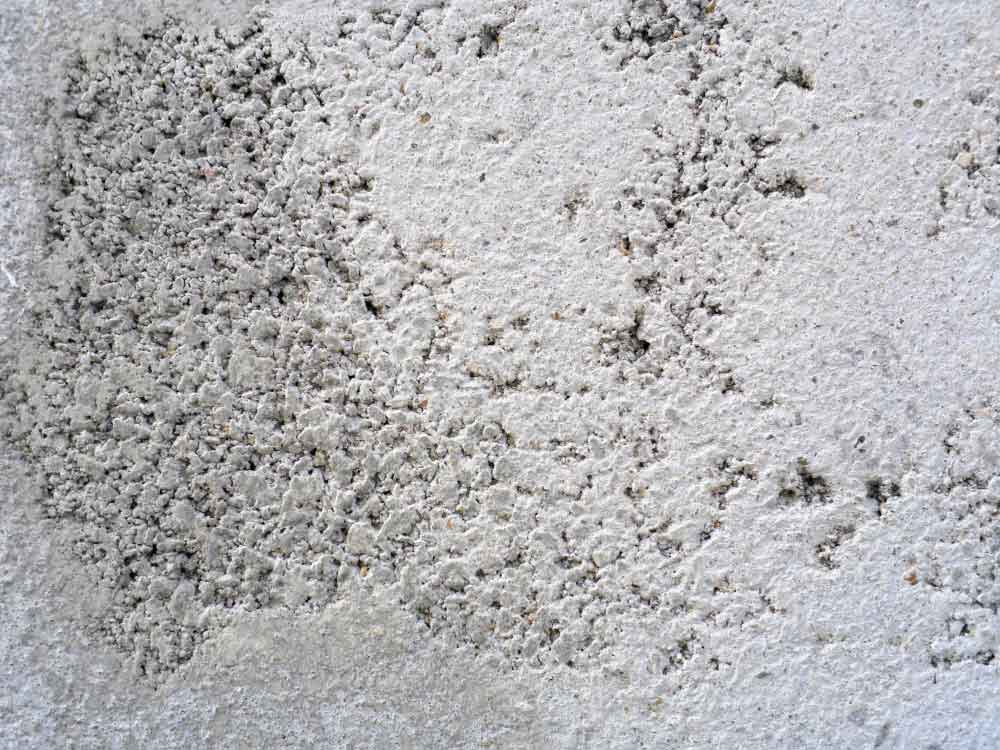
1. Honeycombing in Concrete
Honeycombing in concrete is mainly caused by poor compaction or improper workability. Slump test and vibration checks test is performed to prevent it.
2. Plastic Shrinkage Cracks
Often due to excessive water content or improper curing. Monitoring water-cement ratio and curing practices reduces cracking.
3. Low Strength Concrete
Detected early through cube testing before structural loading.
4. Masonry Wall Cracking
Prevented by checking mortar consistency and ensuring proper curing. Early detection through testing saves time, labor, and material costs.
The Role of Proper Equipment and Calibration
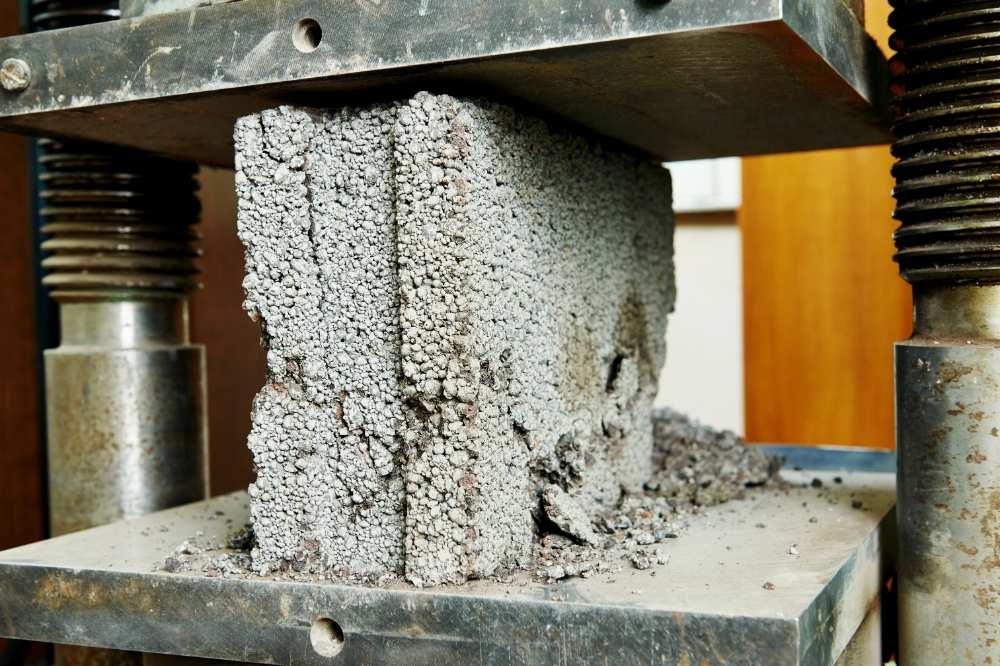
Field testing accuracy depends heavily on reliable and calibrated tools. Using standardized and well-maintained concrete testing equipment ensures consistency and compliance with codes.
Modern construction material testing equipment allows engineers and contractors to verify strength, durability, and structural soundness directly on-site, reducing dependency on delayed lab results and enabling quicker decision-making.
Proper calibration and operator training are equally important. Even advanced equipment can yield misleading results if misused.
Quality Assurance vs. Quality Control
It’s important to understand the distinction:
- Quality Control (QC): On-site testing and inspection activities.
- Quality Assurance (QA): Systematic procedures ensuring standards are followed.
Field testing forms a core component of QC, but when integrated into a structured QA system, it creates a robust framework that enhances project reliability.
Economic Advantages of Field Testing
Some contractors hesitate to implement comprehensive testing due to perceived additional costs. However, field testing actually reduces overall project expenses.
1. Minimizes Rework
Detecting low-strength concrete early prevents expensive demolition and reconstruction.
2. Reduces Liability
Documented test results protect contractors and builders from future legal disputes.
3. Improves Client Confidence
Homeowners and developers gain assurance that construction meets safety standards.
4. Enhances Long-Term Durability
Properly tested materials result in fewer maintenance costs over the building’s lifespan.
Field Testing in Residential Construction

In residential projects, field testing often gets overlooked. However, it is equally critical.
For example:
- Checking foundation concrete strength ensures long-term structural stability.
- Testing masonry mortar prevents moisture penetration.
- Verifying compaction avoids uneven settlement.
Homeowners may not see these processes, but they directly impact durability and safety.
Best Practices for Effective Field Testing
To maximize the benefits of field testing:
- Follow standardized testing methods (ASTM, IS, or relevant codes).
- Maintain a testing schedule aligned with construction phases.
- Train site personnel properly.
- Keep accurate documentation of results.
- Use calibrated and certified equipment.
- Act promptly on unsatisfactory results.
Quality testing is not just a checklist item it is an ongoing process throughout the construction life-cycle.
The Growing Importance of Non-Destructive Testing (NDT)
With increasing focus on sustainable construction and structural longevity, non-destructive testing methods are becoming more popular.
NDT techniques such as rebound hammer, UPV, and core scanning allow evaluation without damaging structures. They are especially useful in renovation, retrofitting, and post-construction audits.
As construction standards evolve, integrating advanced field-testing technologies will become a norm rather than an option.
Conclusion
Field testing is the cornerstone of quality concrete and masonry work. It ensures that materials and workmanship meet design expectations, prevents structural failures, and safeguards investments.
From simple slump tests to advanced ultrasonic pulse velocity testing, each procedure contributes to a comprehensive quality control system. Reliable testing methods, accurate equipment, and trained personnel collectively ensure durable and safe construction.
In an industry where even, small errors can lead to significant consequences, field testing provides the confidence that structures are built not just to look good but to last.
Frequently Asked Questions on Field Testing of Concrete and Masonry Work (FAQs)
01. Why is Field Testing Important in Concrete Construction?
Field testing ensures that concrete delivered and placed on-site meets the specified design strength and durability requirements. It helps detect issues such as improper water-cement ratio, poor compaction, or inadequate curing before they cause structural problems.
02. What is the Most Common Field Test for Fresh Concrete?
The slump test is the most widely used field test for fresh concrete. It measures workability and consistency.
03. How is Concrete Strength Verified On-Site?
Concrete strength is verified using compressive strength tests on cubes or cylinders cast during pouring. These samples are tested after specific curing periods (usually 7 and 28 days). In addition, non-destructive methods such as rebound hammer and ultrasonic pulse velocity tests help assess in-place strength without damaging the structure.
04. What Field Tests are Performed for Masonry Work?
For masonry construction, field testing typically includes:
- Mortar consistency and strength testing
- Brick/block compressive strength testing
- Water absorption testing
- Dimensional checks
- Field density tests for foundation soil
These tests ensure proper bonding, durability, and structural stability of masonry walls.
05. Can Field Testing Prevent Structural Cracks?
Yes, field testing significantly reduces the likelihood of cracks. By controlling slump, monitoring water-cement ratio, verifying strength, and ensuring proper curing, many common causes of cracking such as shrinkage, settlement, and weak concrete can be prevented.
06. Is Non-Destructive Testing Reliable for Evaluating Existing Structures?
Non-destructive testing (NDT) methods like rebound hammer and ultrasonic pulse velocity are reliable for assessing surface hardness, internal voids, and general concrete quality.
07. How Often Should Field Testing be Conducted on a Project?
Field testing frequency depends on project size and specifications. Typically:
- Slump tests are performed for each concrete batch or delivery.
- Strength samples are collected for each significant pour.
- Masonry and mortar testing is done periodically as per code requirements.
Regular testing ensures consistent quality throughout construction.
08. What Happens if Test Results do not Meet Standards?
If test results fall below acceptable limits, corrective actions may include:
- Adjusting mix proportions
- Improving compaction or curing methods
- Removing and replacing defective concrete
- Conducting additional testing to verify structural safety
Prompt action prevents long-term structural risks.
Author & Expert Review
Written By:  Kinjal Mistry | Civil Engineer & Senior Content Writer
| Credentials: B.E. (Dharmsinh Desai University, Nadiad, Gujarat). Experience: Civil Engineer with 9 years of content writing experience, currently writing impactful articles for Gharpedia, part of SDCPL. Expertise: Specializes in writing well-researched content on home improvement, sustainability, building materials, home interior, DIY, and plumbing technology with everyday clarity. Find her on: LinkedIn |
Verified By Expert:  Ravin Desai – Co Founder – Gharpedia | Co Founder – 1 MNT | Director – SDCPL
This article has been reviewed for technical accuracy by Ravin Desai, Co-Founder of Gharpedia and Director at Sthapati Designers & Consultants Pvt. Ltd. With a B.Tech. in Civil Engineering from VNIT Nagpur and an M.S. in Civil Engineering from Clemson University, USA, and over a decade of international and Indian experience in the construction and design consultancy sector, he ensures all technical content aligns with industry standards and best practices.
Find him on: LinkedIn