Table of Contents
Quick Summary
- Décor materials can fuel fires and smoke
- Foam, synthetics, and plastics burn fast
- Curtains and rugs help flames spread
- Wood décor adds to fire load if untreated
- Smoke alarms and spacing save lives
Why Decor Materials Matter in a Fire
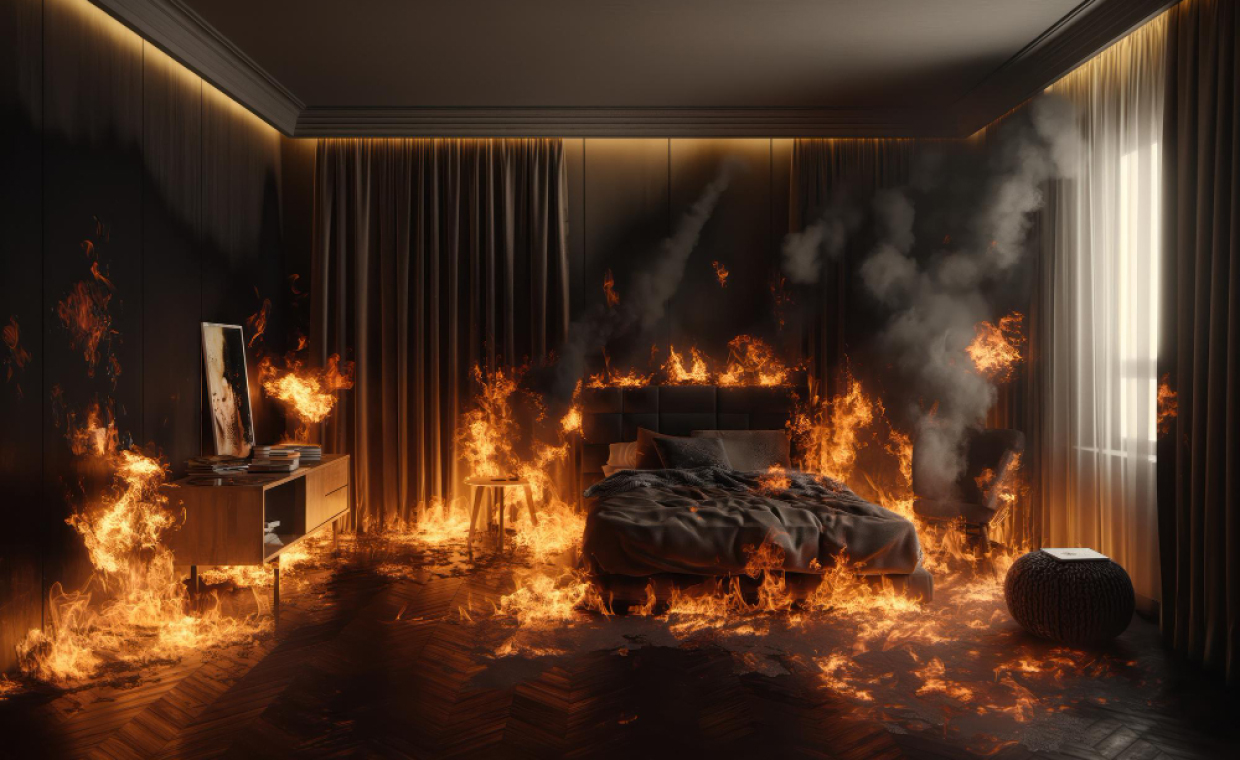
When we think about house fires, most of us picture faulty wiring, kitchen accidents, or old appliances. Décor rarely comes to mind. Yet in many real fires, it’s the furnishings and finishes that allow flames and smoke to spread rapidly.
Soft furnishings, wall coverings, rugs, and decorative items can act as fuel. Some burn quickly, while others release thick, toxic smoke that makes escaping difficult. The aim of this article is simple: to help homeowners understand these risks and make safer choices, without panic or technical language. A stylish home can still be a safe one.
Upholstered Furniture: Sofas, Chairs, and Cushions
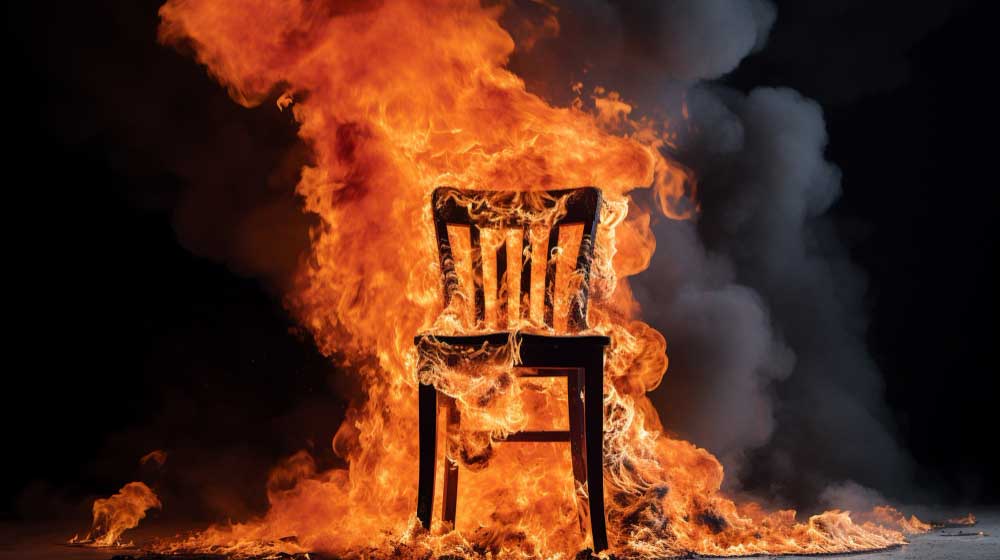
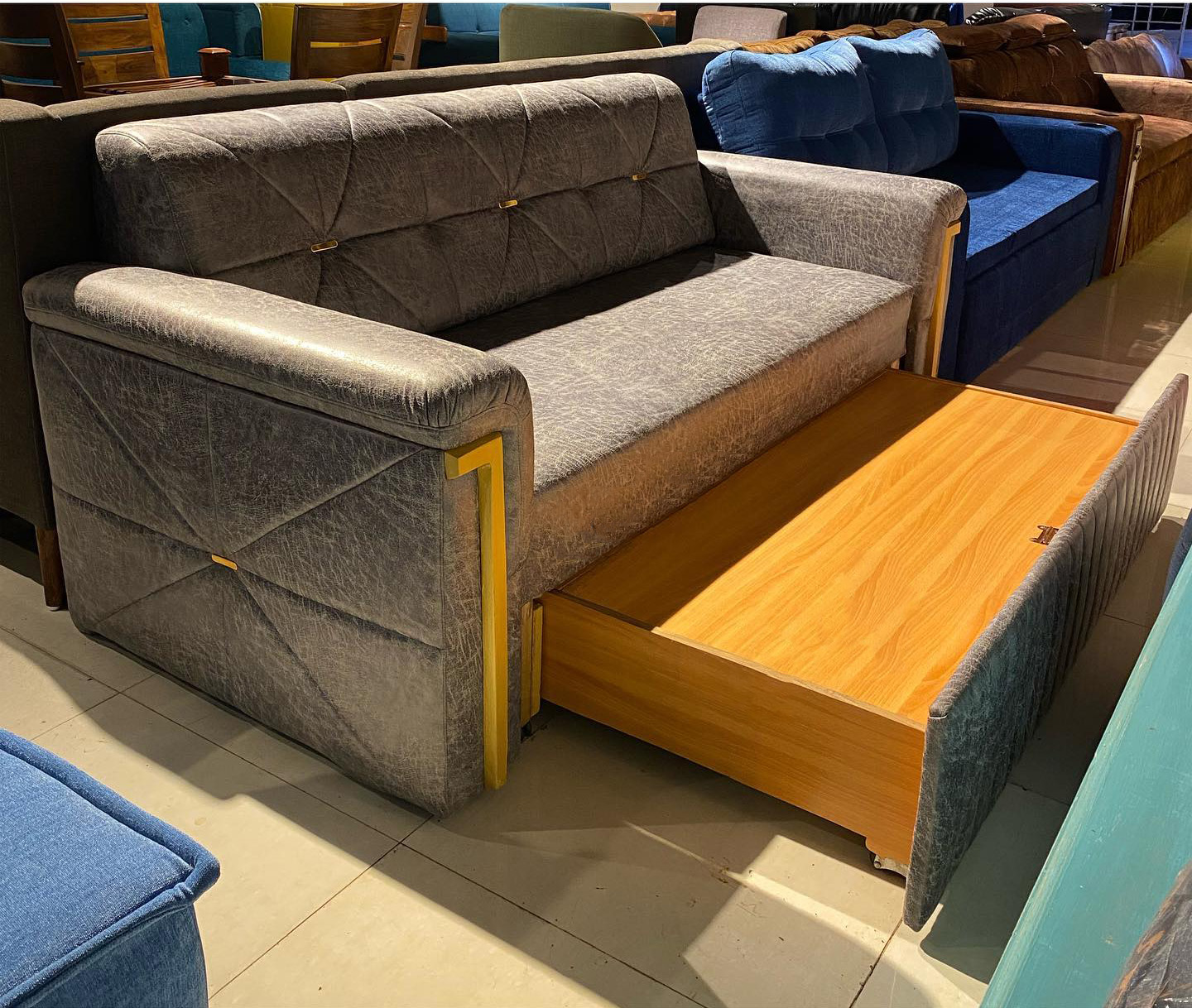
Upholstered furniture is one of the biggest fire risks in the home. Most sofas and armchairs are made using foam padding, covered with polyester or cotton-blend fabrics.
Foam ignites very easily. Once it starts burning, it produces dense, toxic smoke that can fill a room in minutes. Even a small flame can become dangerous very quickly.
As shared by Chinmay Yaduvanshi., a fire safety officer with over 10 years’ experience:
“I’ve seen a dropped candle turn a sofa into a fully developed fire in less than three minutes. People underestimate how fast foam burns.”
Also Read: Sofa upholstery – What should you know before buying
How to Reduce the Risk in Upholstered Furniture
Look for furniture with fire-retardant labels, which are standard in the UK but still worth checking. Choose tightly woven fabrics rather than loose ones, and keep sofas away from heaters, radiators, and open flames.
Curtains and Drapes
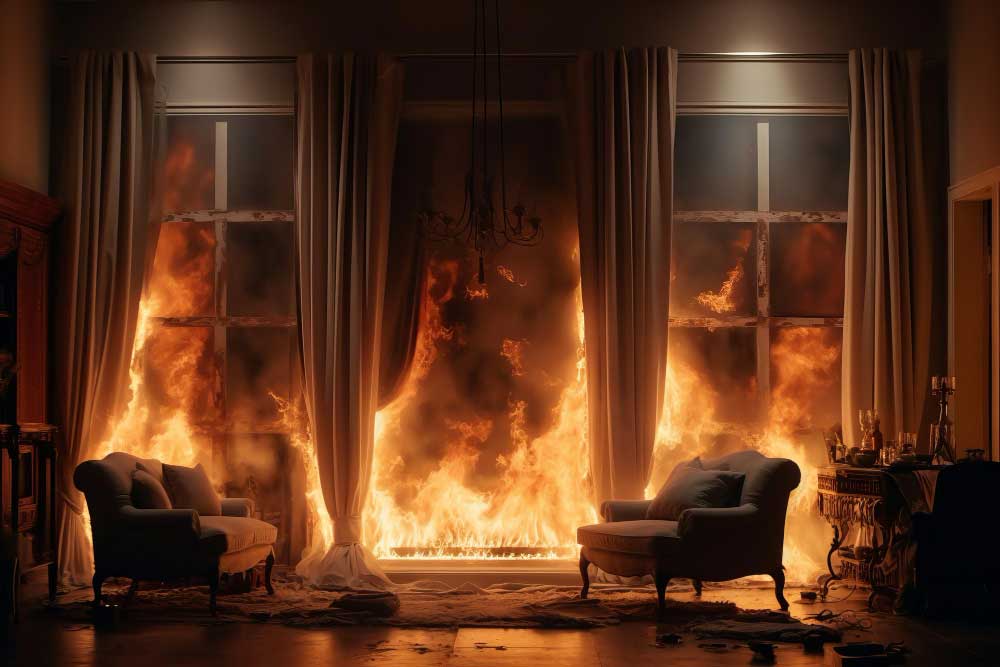
Curtains often sit close to windows, radiators, and plug sockets. Common materials include polyester, cotton, and velvet.
Lightweight fabrics catch fire easily and help flames travel upwards. This makes curtains particularly dangerous, as they can spread fire from a small heat source to the ceiling in seconds.
A common real-life scenario involves space heaters. A curtain brushing against a heater can ignite without anyone noticing at first.
How to Reduce the Risk of Fire in Curtains and Drapes
Use flame-retardant curtains where possible. Keep them well clear of heaters and avoid long curtains near sockets or candles. Tying curtains back during the evening can also reduce risk.
Also Read: Window Curtains vs Blinds vs Shades: Make the Correct Choice
Rugs and Carpets
Rugs and carpets may seem harmless, but the material makes a big difference. Many modern rugs are made from nylon or polypropylene, while others are made from wool.
Synthetic rugs tend to melt when they burn. This not only spreads fire but also creates thick smoke. A small spark from a fireplace or wood burner can smoulder in a rug before suddenly flaring up.
Wool, on the other hand, is naturally more fire-resistant and burns much more slowly.
How to Reduce the Risk of Fire in Rugs and Carpets
Choose wool rugs where possible. Use hearth rugs in front of fireplaces and keep rugs away from candles, heaters, and open flames.
Also Read: 7 Hidden Carpet Problems That Could Be Affecting Your Family’s Health
Wall Coverings and Wallpapers
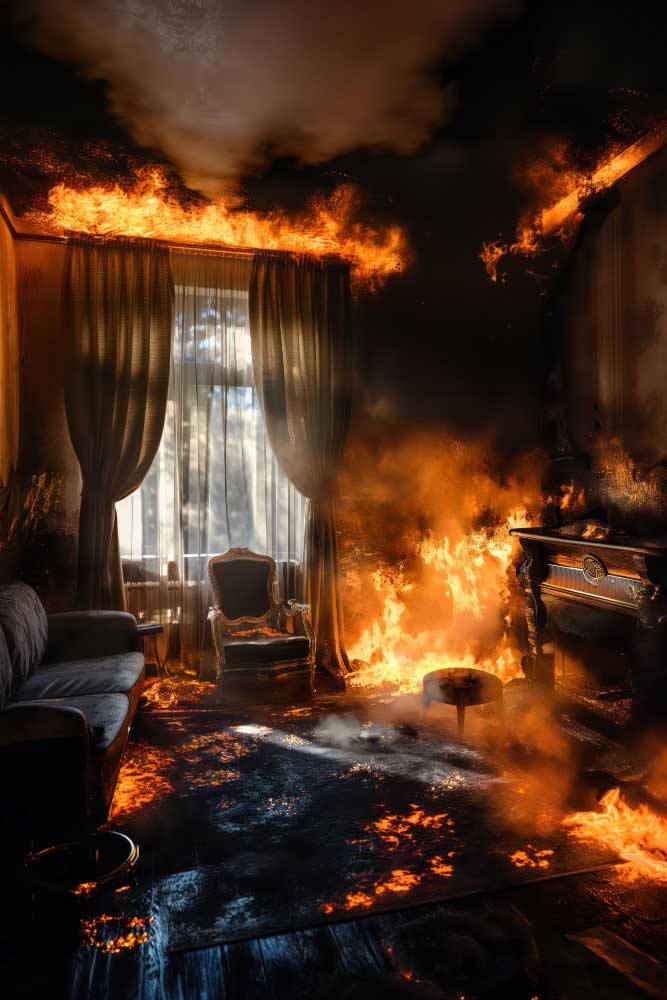
Wall coverings can significantly affect how a fire spreads. Vinyl wallpaper, fabric wall panels, and decorative wood veneers are increasingly popular in modern homes.
Vinyl and fabric wall coverings burn quickly and release toxic fumes. In some fires, flames have raced across decorated feature walls faster than expected.
As per Raj A. Singh., a home renovator:
“The accent wall went up far quicker than the rest of the room. It was shocking how much the wallpaper contributed.”
Also Read: Removable Wallpaper Revolution: 12 Ways to Transform Any Room in 2026
How to Reduce the Risk of Fire in Wall Coverings and Wallpapers
Choose fire-rated wall panels where possible and limit the use of fabric wall décor. Avoid vinyl finishes near heat sources, lighting, or fireplaces.
Decorative Wood Elements
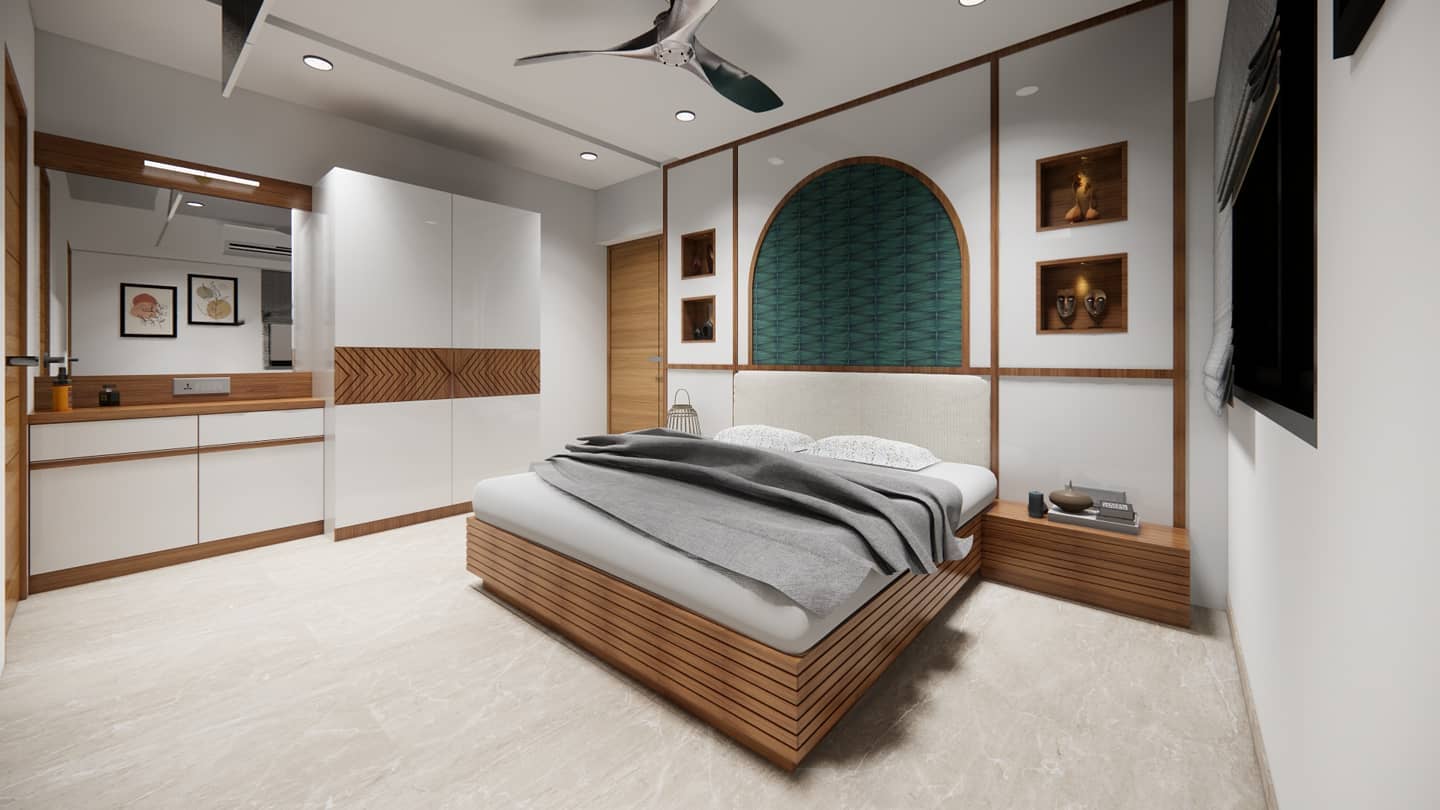
Decorative wooden features such as wall panels, beams, and shelving add warmth and character to a home. These are often made from MDF, plywood, or solid wood.
Untreated wood increases the fire load of a room. If placed too close to lighting, wiring, or heat sources, it can overheat and ignite.
One reported case involved decorative wooden slats installed near recessed lights, where heat build-up caused charring and eventual ignition.
How to Reduce the Risk of Fire in Decorative Wood Elements
Use fire-retardant treatments on exposed wood. Maintain clear distances around lights and electrical fittings, and ensure wiring behind wooden features is properly installed and ventilated.
Decorative Candles and Faux Fireplaces
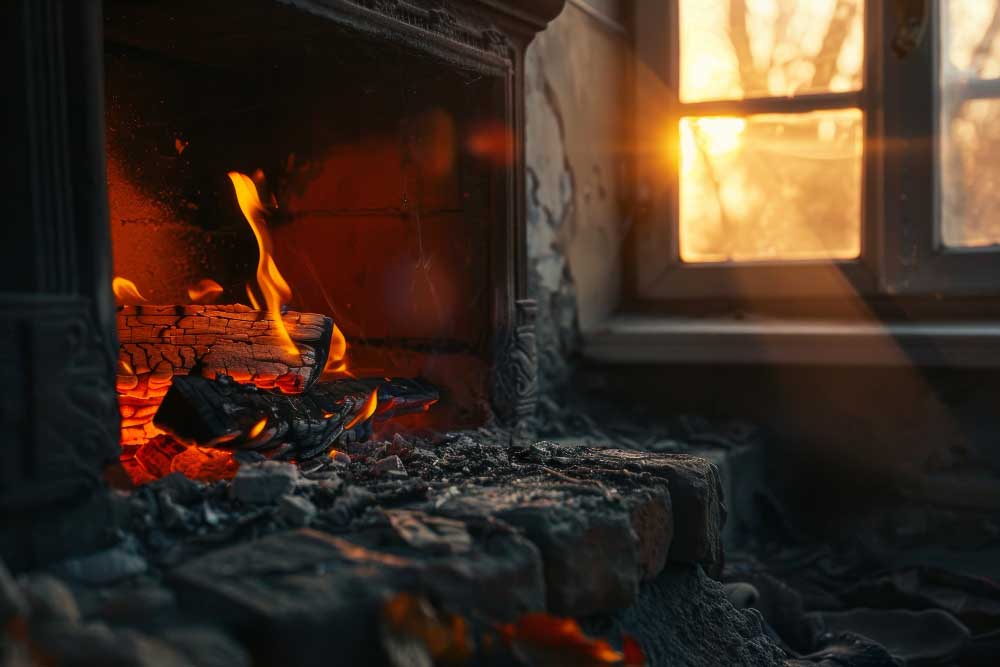
Candles create atmosphere, but they remain one of the most common causes of accidental house fires. Wax candles, wooden holders, and surrounding décor all add to the risk.
As shared by Balakrishnan T., a homeowner:
“I stepped away for a quick phone call. When I came back, the candle had tipped and scorched the table. It could have been much worse.”
Faux fireplaces with decorative flames or heat elements can also pose risks if surrounded by flammable décor.
Also Read: Eco-friendly fireplaces ideas for your house
How to Reduce the Risk of Fire in Decorative Candles and Faux Fireplaces
Consider LED candles for everyday use. Always place real candles in heat-resistant holders and never leave them unattended. Keep the surrounding décor well clear.
Plastic and Synthetic Décor Items
Plastic décor is common in modern homes. Artificial plants, plastic-framed mirrors, wall art, and ornaments are widely used because they’re affordable and lightweight.
The problem is that plastics melt when heated. They can drip burning material and release toxic smoke, which makes fires more dangerous.
In one real incident, plastic décor placed near a halogen lamp ignited after prolonged heat exposure.
How to Reduce the Risk of fire in Plastic and Synthetic Décor Items
Keep plastic items away from lamps, heaters, and sunlight magnified through glass. Where possible, choose glass, ceramic, or metal alternatives.
Smoke and Toxic Fumes: The Hidden Danger
Many fire deaths are not caused by flames but by smoke inhalation. Synthetic materials release toxic gases very quickly, often before flames become visible.
This is why smoke alarms are essential. An early warning can give you the vital minutes needed to escape safely.
Ensure smoke alarms are installed on every level of your home and test them regularly.
Also Read: The Importance of Smoke Alarms in the House
Simple Ways to Make your Home Safer
You don’t need to redesign your entire home to improve fire safety. Small changes make a big difference:
- Check labels for fire-retardant ratings
- Keep décor away from heat sources
- Avoid overcrowding rooms with flammable items
- Install and maintain smoke detectors
Also Read: How to Install Hardwired Smoke Detectors
Conclusion: Safety Without Sacrificing Style
Fire safety doesn’t mean giving up on design. With a bit of awareness, you can enjoy a stylish home that’s also safer for everyone living in it.
Choosing better materials, spacing items sensibly, and understanding basic fire risks can dramatically reduce the chances of a serious incident. Awareness really is the first step towards prevention.
Also Read: A Complete Guide to Property Restoration After Water or Fire Damage
FAQs – Fire Risks of Interior Decor Materials
1. Are fire-retardant materials completely fireproof?
No. They slow down burning but do not stop fire entirely.
2. Is wool safer than synthetic fabrics?
Yes. Wool is naturally more fire-resistant and burns slower.
3. Should I remove all candles from my home?
Not necessarily. Use them safely or switch to LED candles.
4. How far should décor be from heaters?
At least one metre is recommended.
5. How often should smoke alarms be checked?
Test them once a month and replace batteries yearly.
Author & Expert Review
Written By:  Gaurav Mishra | Civil Engineer & Content Writer
| Credentials: B.E. (Mahavir Swami College, Surat), Registered with Bhagwan Mahavir University (BMU). Experience: Civil Engineer with 5+ years of content writing experience, currently writing impactful articles for Gharpedia, part of SDCPL. Expertise: Specializes in writing well-researched content on residential construction, construction materials, design planning, on-site practices, and safety, blending technical accuracy with everyday clarity. Find him on: LinkedIn |
Verified By Expert:  Farhan Shaikh – Senior Manager – Architect, SDCPL | Associate Member – IIA
This article has been reviewed for architectural and interior design accuracy by Farhan Shaikh, Senior Manager – Architect at Sthapati Designers & Consultants Pvt. Ltd. As the lead for all architectural and interior projects at SDCPL and an Associate Member of the Indian Institute of Architects (IIA), he brings hands-on experience in architectural planning, interior design, project coordination, and sustainable strategies. His review ensures the content reflects practical design considerations, industry best practices, and real-world applicability across both architecture and interior spaces.
Find him on : Linkedin