







Table of Contents
Quick Summary
- Airlocks occur when trapped air prevents water from flowing normally through pipes.
- Common symptoms include spluttering taps, reduced pressure, and interrupted water supply.
- The hose pipe method is one of the most effective DIY solutions.
- Running multiple taps and using gravity can remove minor airlocks.
- Bleeding valves help release trapped air from suitable plumbing systems.
- Recurring airlocks may indicate underlying plumbing issues.
- Preventative maintenance reduces the risk of future airlocks.
- Professional assistance may be required for persistent or complex problems.
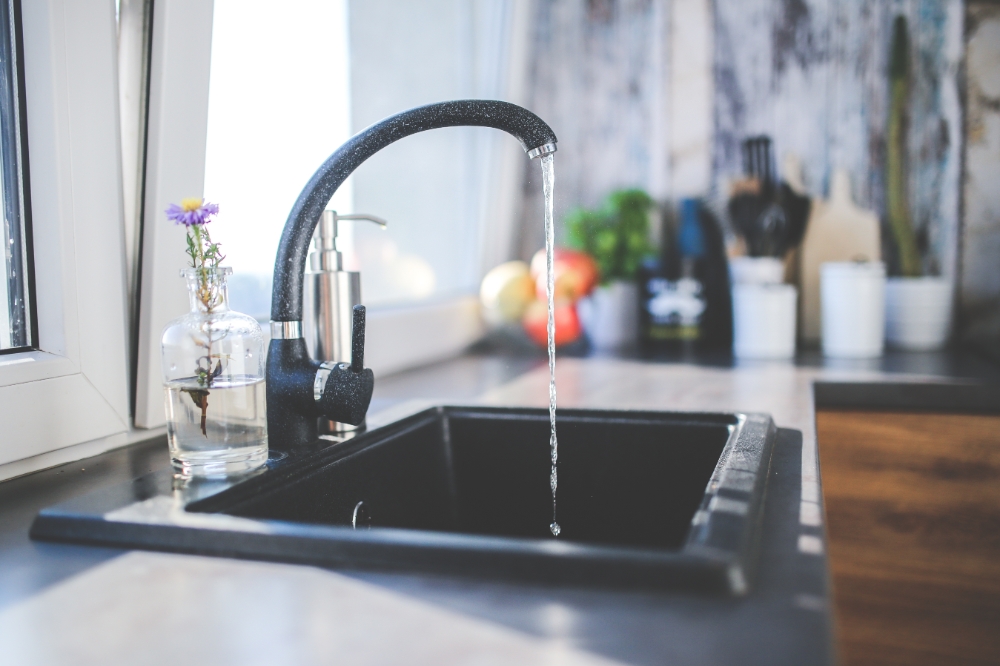
An airlock in pipes occurs when trapped air prevents water from flowing properly through a plumbing system. This often causes low water pressure, spluttering taps, or no water flow at all. Fortunately, fixing an airlock in pipes is usually straightforward and can often be resolved using simple DIY methods before professional help is required.
By understanding the causes, identifying the symptoms, and applying the right solution, homeowners can restore normal water flow without extensive repairs.
What Is an Airlock in Pipes?
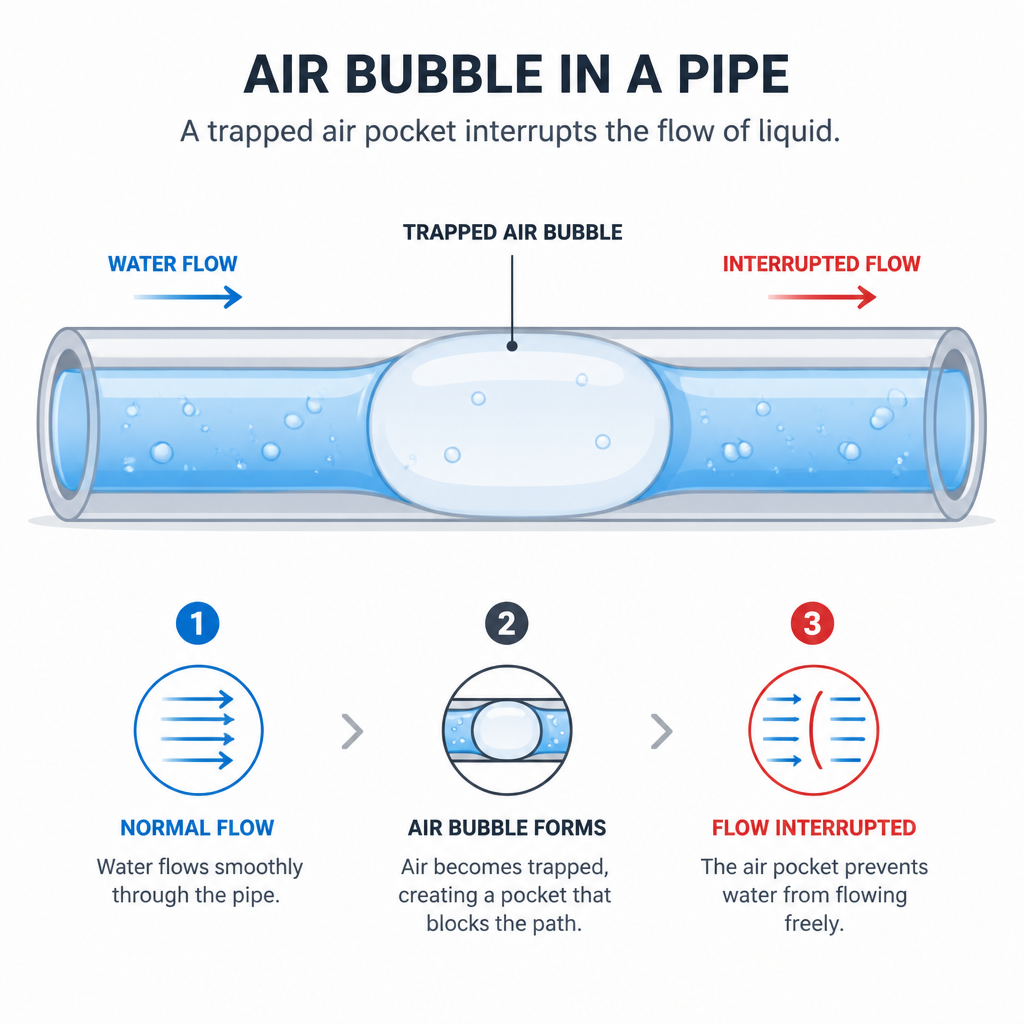
An airlock occurs when air gets trapped inside a water pipe, preventing water from flowing freely. Since water cannot easily push through the trapped air, it restricts or completely blocks the flow.
Airlocks are commonly found in domestic plumbing systems after maintenance work, water supply interruptions, or improper pipe installations. While they are not usually dangerous, they can significantly affect the efficiency of your plumbing system.
What Causes an Airlock in Water Pipes?
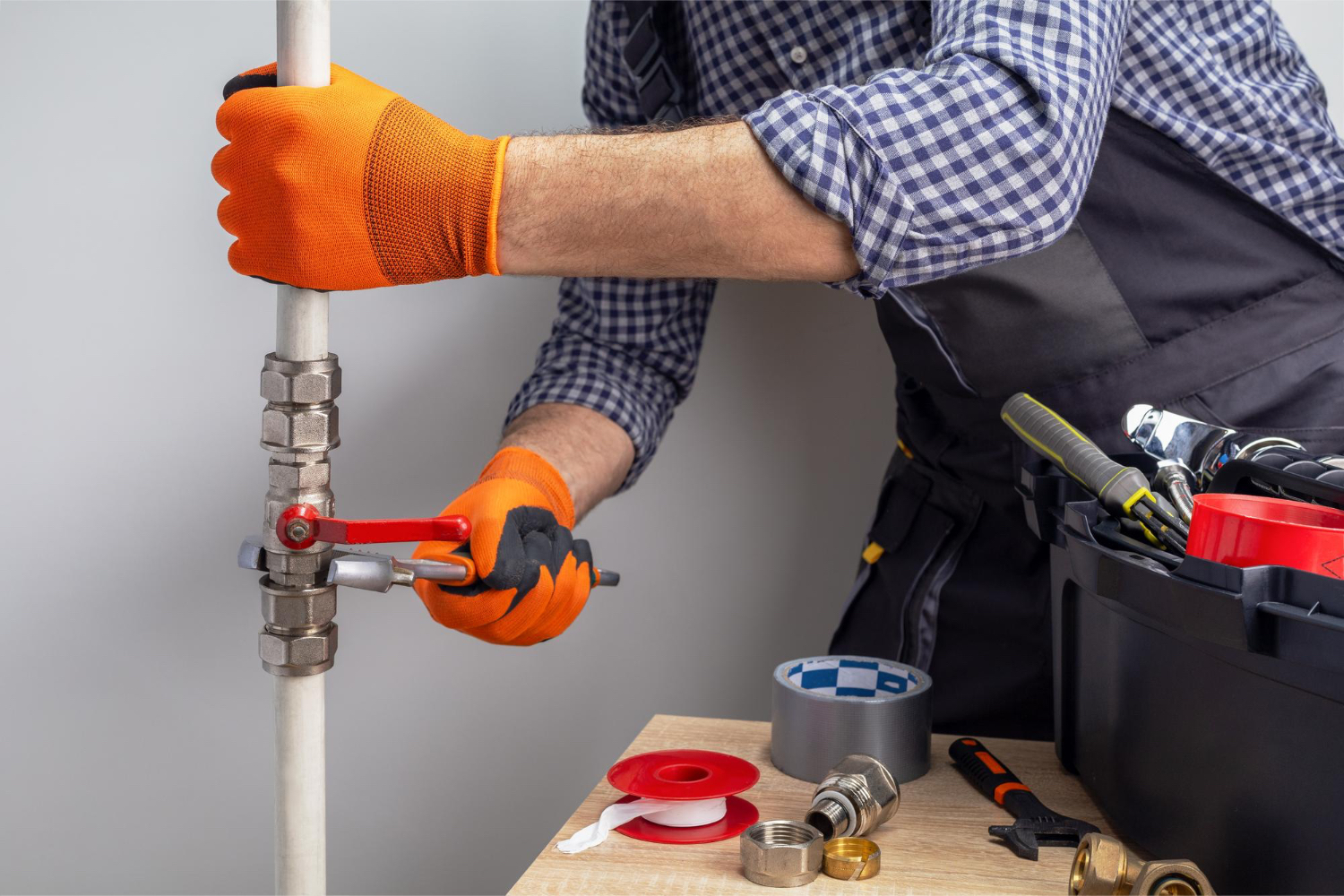
Understanding the cause of an airlock can help prevent future occurrences.
Common causes include:
- Water supply interruptions
- Plumbing repairs or maintenance work
- Draining and refilling water tanks
- Newly installed plumbing systems
- Faulty pipe layouts that trap air
- Low water pressure within the system
- Leaks that allow air to enter the pipes
In many cases, airlocks develop after the water supply has been switched off and then restored.
How Do You Know If Your Pipes Have an Airlock?
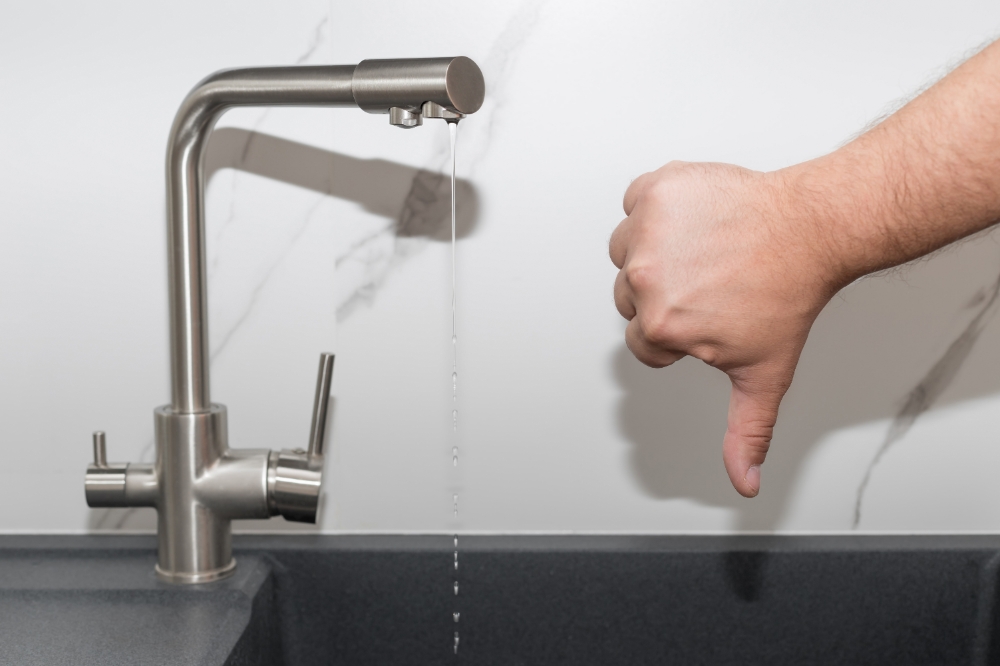
Several signs indicate that trapped air may be affecting your plumbing system.
Common symptoms of an airlock in pipes include:
- No water coming from a tap
- Water spluttering or spitting from outlets
- Irregular water flow
- Reduced water pressure
- Gurgling sounds inside the pipes
- Air bubbles appearing in water
If these symptoms appear after plumbing work or a water outage, an airlock is often the likely cause.
Airlock vs Pipe Blockage: How Can You Tell the Difference?
Many homeowners confuse airlocks with pipe blockages.
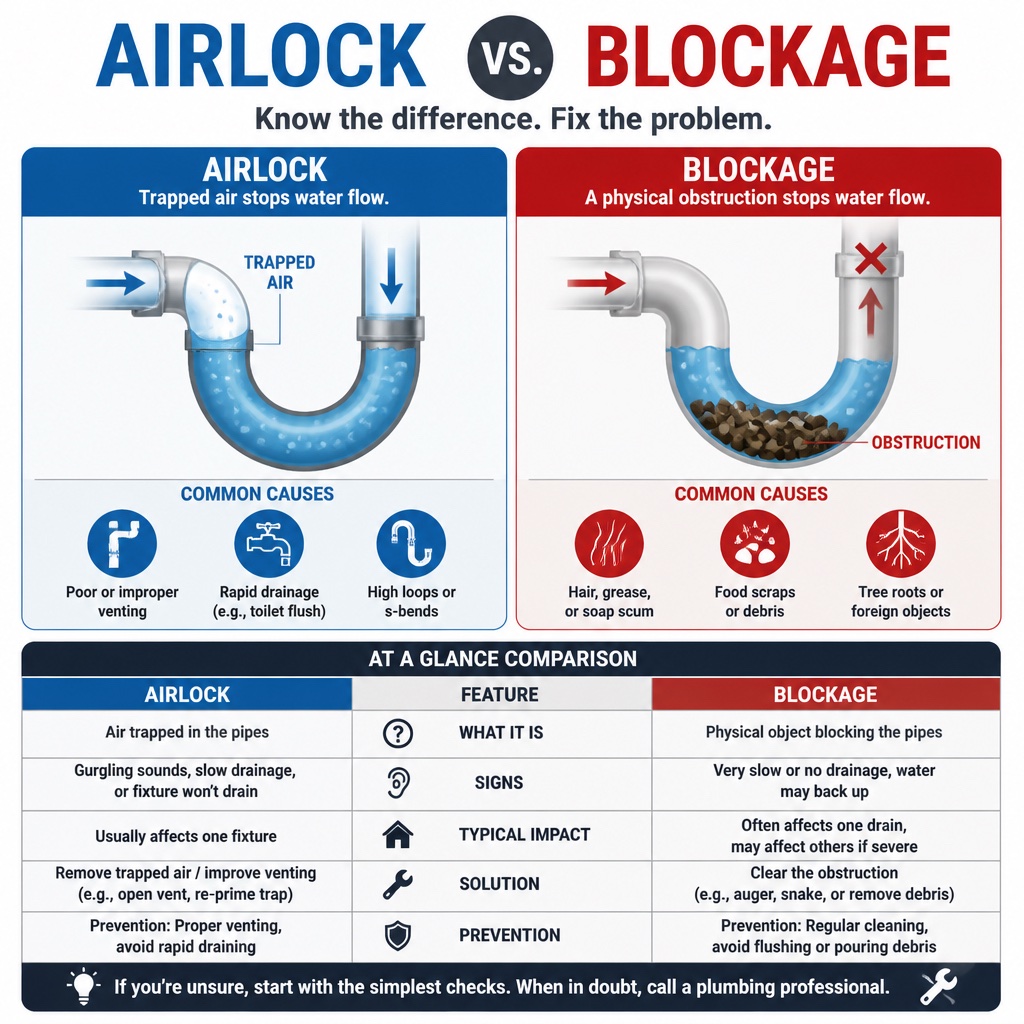
| Feature | Airlock in Pipes | Pipe Blockage |
| Water flow | Intermittent or absent | Usually slow or stopped |
| Noise | Gurgling sounds common | Rare |
| Cause | Trapped air | Debris or sediment |
| Water pressure | Fluctuates | Consistently low |
| DIY fix | Often easy | May require cleaning |
Identifying the correct issue ensures you choose the right solution.
How Can You Confirm That an Airlock Is the Problem?
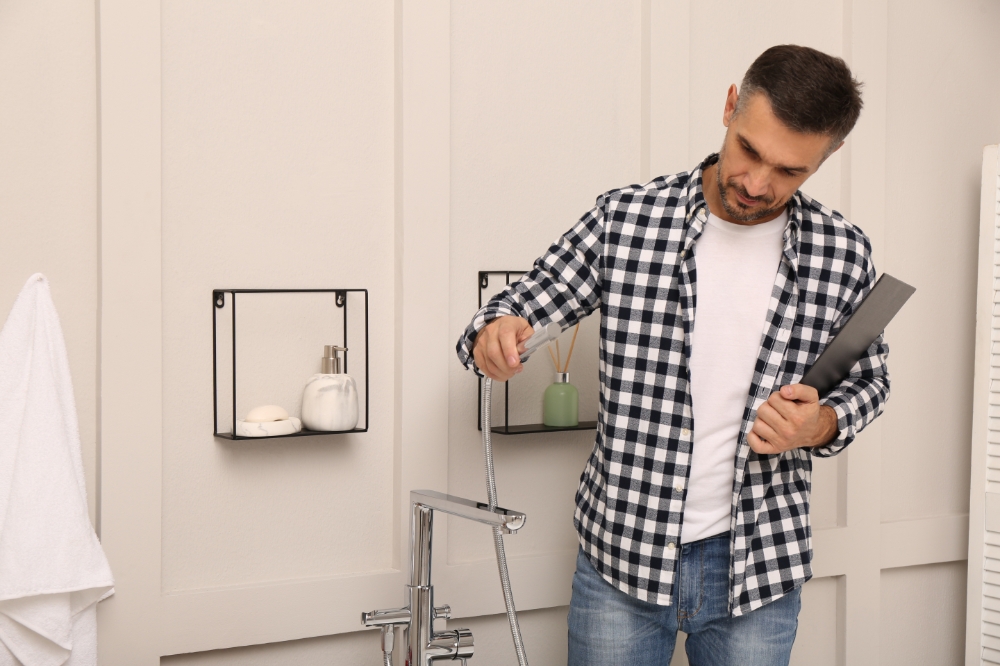
Before attempting repairs, perform a few simple checks.
- Test multiple taps throughout the house
- Check whether hot water, cold water, or both are affected
- Listen for unusual sounds in the plumbing
- Consider whether recent repairs were completed
- Check if there has been a recent water supply interruption
These checks can help rule out other plumbing issues such as leaks or clogged pipes.
Also Read: Pipe Bursts: Here’s How You Can Save Yourself From ‘Troubled Waters’
Method 1: How Can You Clear an Airlock Using a Hose Pipe?
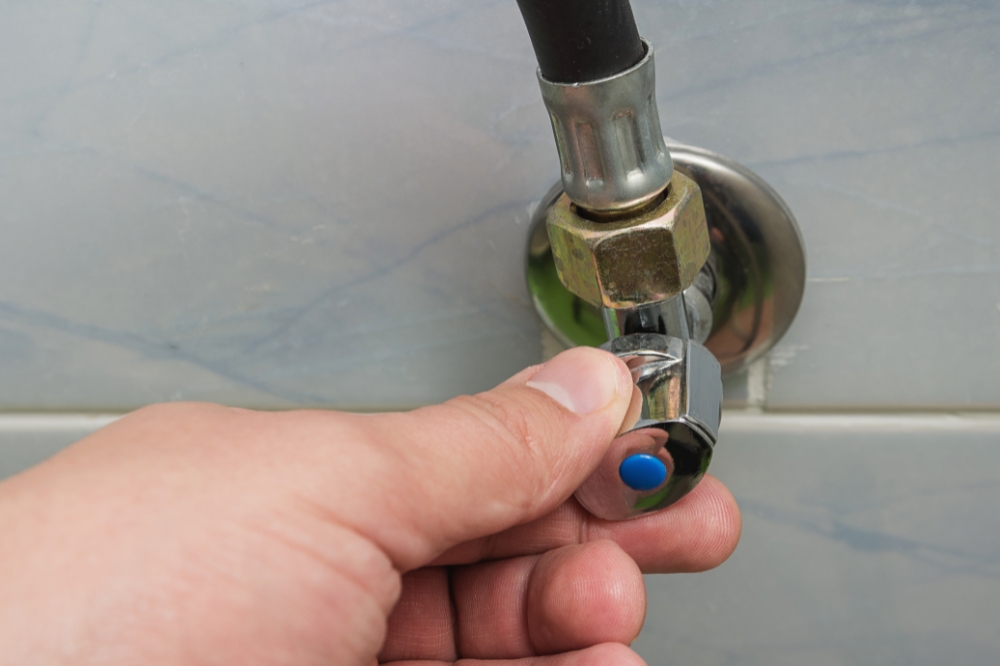
The hose pipe method is one of the most effective ways to remove trapped air.
Steps:
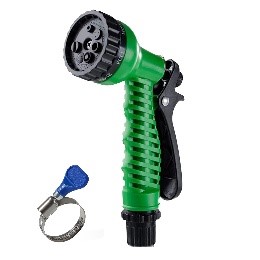
- Connect one end of a hose pipe to a working tap.
- Connect the other end to the affected tap.
- Ensure both connections are secure.
- Open the affected tap first.
- Open the working tap and allow water pressure to force water through the blocked pipe.
- Let the water run for several minutes.
- Turn off both taps and disconnect the hose.
This method uses mains pressure to push trapped air out of the system.
Method 2: Can Running Multiple Taps Remove an Airlock?
Minor airlocks can sometimes be removed by increasing water movement throughout the plumbing system.
Steps:
- Open all taps in the property.
- Start with the taps closest to the water source.
- Allow water to run continuously for several minutes.
- Observe whether pressure and flow improve.
This technique is particularly useful after short-term water supply interruptions.
Method 3: How Does Gravity Help Remove Airlocks?
Gravity can help move trapped air towards an outlet where it can escape.
Procedure:
- Open the highest tap in the house first.
- Open additional taps on lower floors.
- Allow water to run freely.
- Wait for trapped air to escape from the highest point.
This method is most effective in multi-storey homes.
Method 4: Can Bleeding Valves Remove Trapped Air?
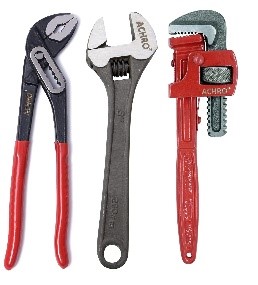
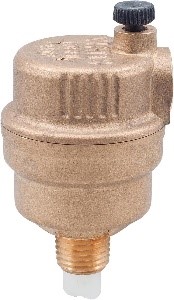
Some plumbing systems include air release or bleed valves designed specifically for removing trapped air.
Steps:
- Locate the air release valve.
- Turn off the water supply if required.
- Carefully open the valve.
- Allow trapped air to escape.
- Close the valve once a steady stream of water appears.
Always follow manufacturer recommendations when working with bleed valves.
Method 5: When Should You Call a Professional Plumber?
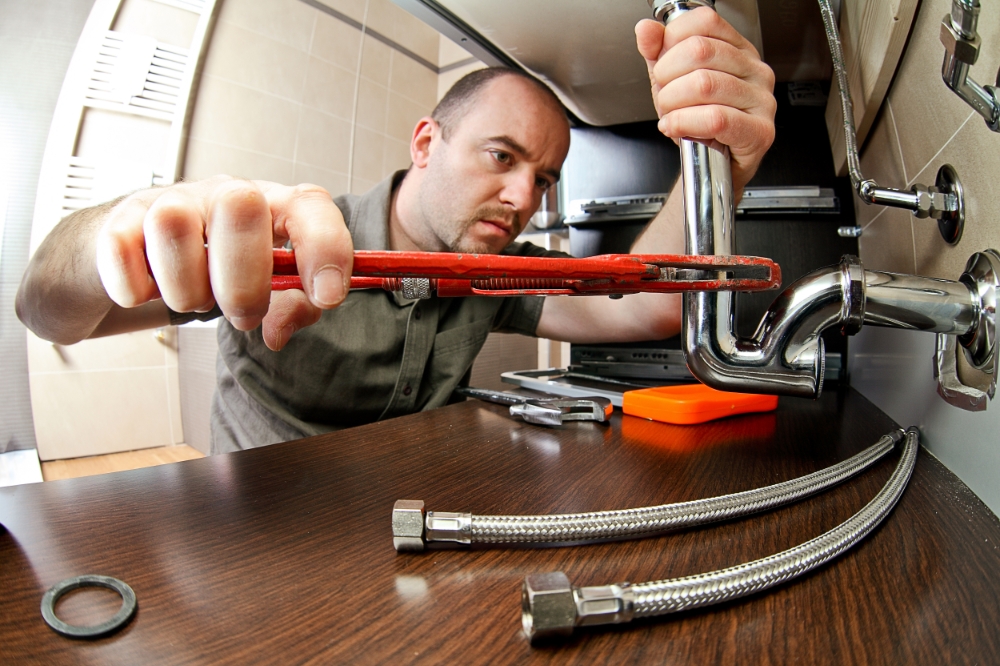
While many airlocks can be fixed using DIY methods, some situations require professional assistance.
Contact a plumber if:
- DIY methods do not work
- Airlocks repeatedly return
- Water pressure remains consistently low
- Multiple fixtures are affected
- Hidden pipe defects are suspected
A professional plumber can diagnose underlying issues and recommend permanent solutions.
Can an Airlock Damage Your Plumbing System?
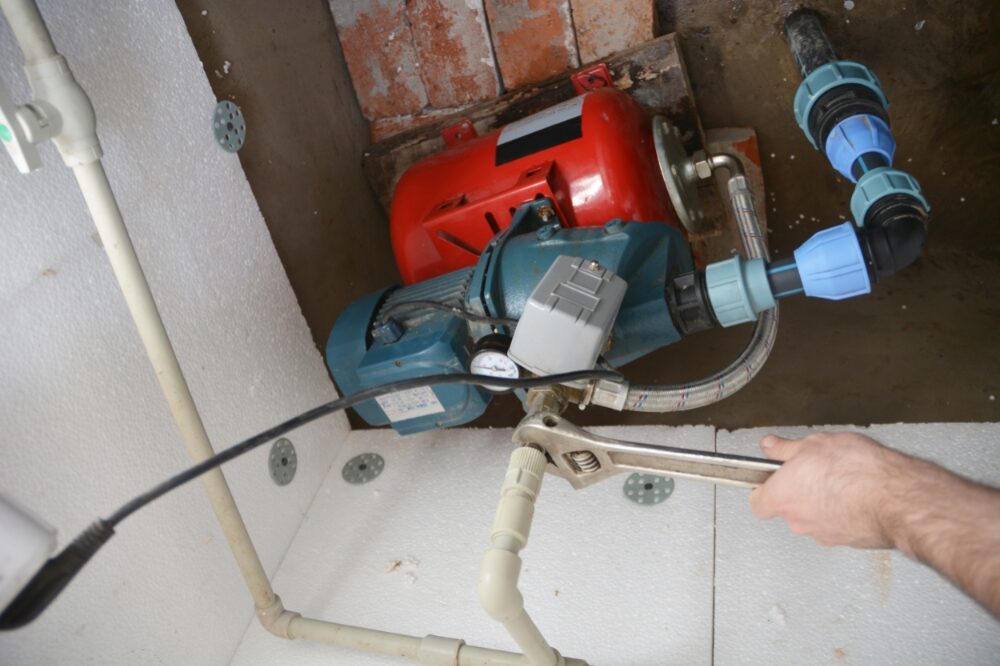
An occasional airlock is unlikely to cause significant damage. However, recurring airlocks can lead to:
- Increased wear on water pumps
- Reduced efficiency of plumbing fixtures
- Inconsistent water pressure
- Additional strain on household appliances
- Higher maintenance costs
Addressing the issue early helps maintain the long-term performance of the plumbing system.
How Can You Prevent Airlocks in Pipes?
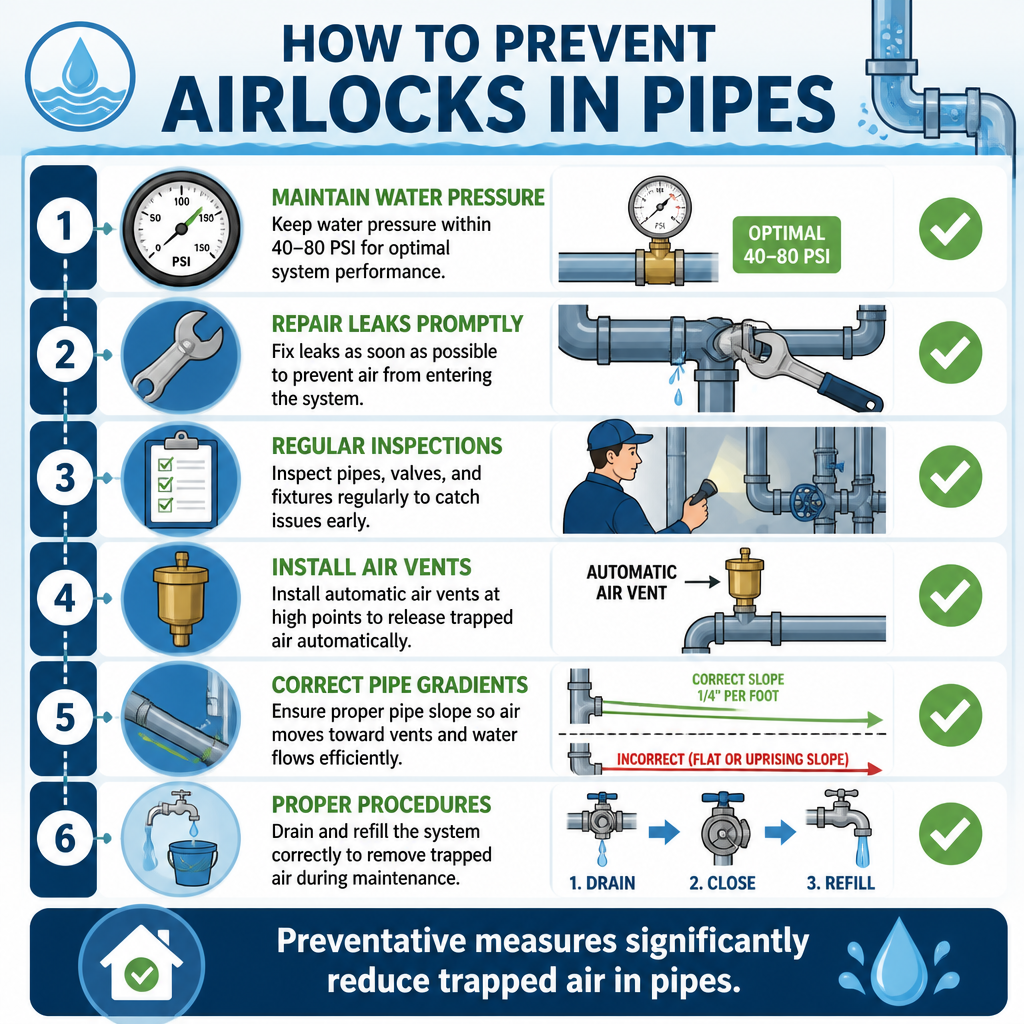
Preventive maintenance is the best way to avoid recurring airlocks.
Follow these tips:
- Maintain adequate water pressure
- Repair leaks promptly
- Inspect plumbing systems regularly
- Install automatic air vents where appropriate
- Ensure correct pipe gradients during installation
- Follow proper procedures when draining and refilling systems
Preventative measures can significantly reduce the likelihood of trapped air forming in pipes.
Also Read: PEX Pipes: An Alternative Solution for House Water Supply!
Airlock Removal Methods at a Glance
| Method | Difficulty | Tools Required | Suitable For |
| Hose pipe method | Easy | Hose pipe | Moderate airlocks |
| Running multiple taps | Very Easy | None | Minor airlocks |
| Gravity method | Easy | None | Multi-storey homes |
| Bleeding valves | Moderate | Basic tools | Systems with air vents |
| Professional assistance | Advanced | Specialist equipment | Persistent problems |
Common Mistakes to Avoid When Removing Airlocks
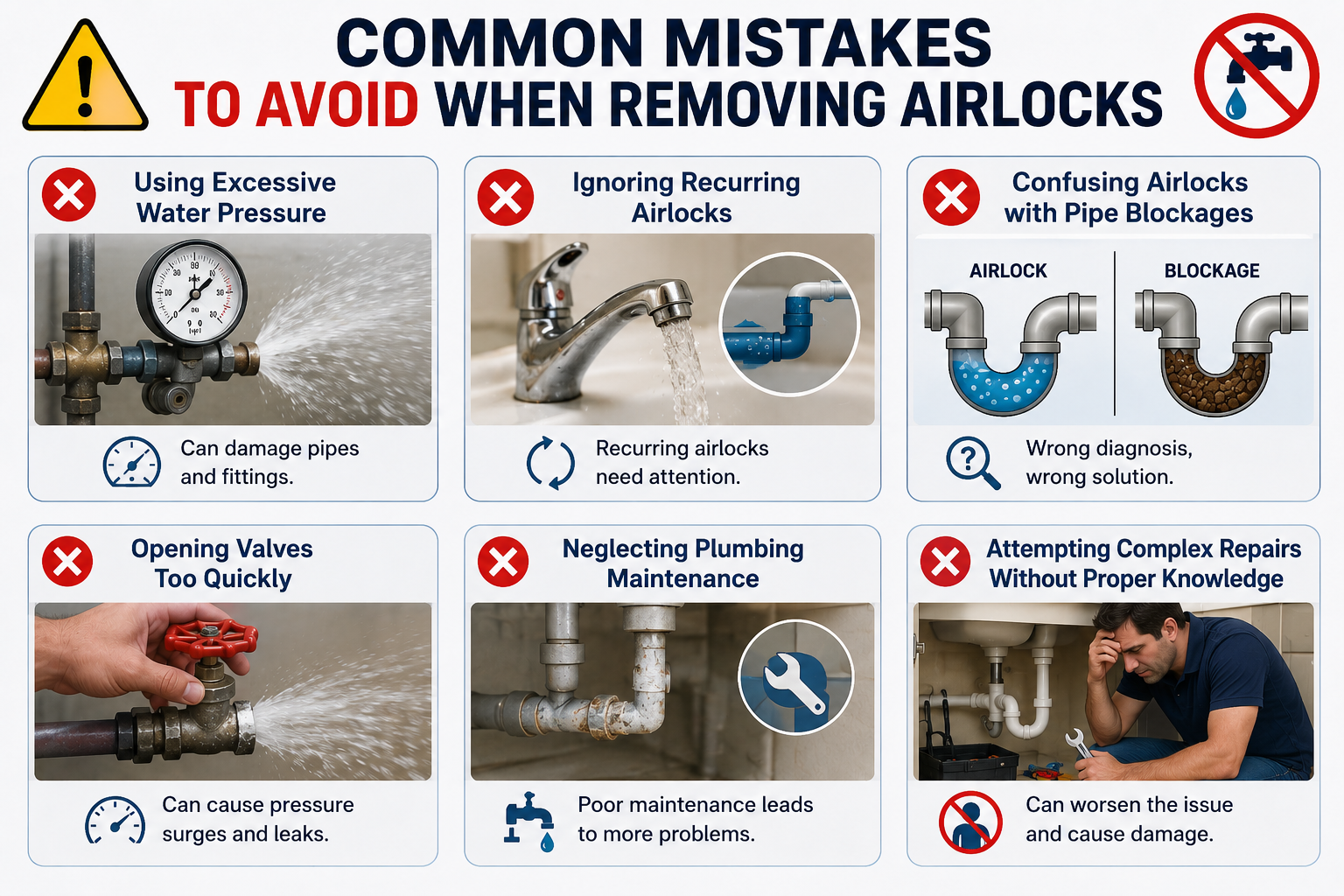
Many homeowners unintentionally make the problem worse.
Avoid these mistakes:
- Using excessive water pressure
- Ignoring recurring airlocks
- Confusing airlocks with pipe blockages
- Opening valves too quickly
- Neglecting plumbing maintenance
- Attempting complex repairs without proper knowledge
DIY vs Professional Airlock Removal
| Factor | DIY Removal | Professional Service |
| Cost | Low | Higher |
| Time Required | Short | Depends on appointment |
| Suitable for Minor Airlocks | Yes | Yes |
| Suitable for Complex Systems | No | Yes |
| Long-Term Diagnosis | Limited | Comprehensive |
Conclusion
Fixing airlock in pipes does not always require professional intervention. In many cases, simple methods such as using a hose pipe, running multiple taps, or releasing trapped air through bleed valves can quickly restore normal water flow. Understanding the causes and symptoms of airlocks allows homeowners to act promptly and maintain an efficient plumbing system. Regular maintenance and proper plumbing practices can also help prevent airlocks from recurring, ensuring a reliable water supply throughout the home.
Also Read: 3 Main Causes & Remedies of Noisy Pipes
FAQs – Fixing Airlock in Pipes
1. What is the fastest way of fixing airlock in pipes?
Using a hose pipe connected between a working tap and the affected tap is often the quickest and most effective solution.
2. Can an airlock stop water flow completely?
Yes. In severe cases, trapped air can completely block water from reaching a fixture.
3. Does low water pressure always mean there is an airlock?
No. Low water pressure can also result from leaks, blockages, faulty valves, or supply issues.
4. How do plumbers remove stubborn airlocks?
Professional plumbers may use specialised equipment, pressure-testing methods, and system diagnostics to remove trapped air and identify underlying causes.
5. How often should plumbing systems be inspected to prevent airlocks?
A general plumbing inspection every year can help identify issues before they develop into recurring airlocks or other plumbing problems.
Author & Expert Review
Written By:  Gaurav Mishra | Civil Engineer & Content Writer

| Credentials: B.E. (Mahatma Gandhi Institute of Technical Education and Research Centre), Registered with Gujarat Technological University (GTU). Experience: Civil Engineer with 3+ years of content writing experience, currently writing blogs for Gharpedia, part of SDCPL. Expertise: Specializing in SEO-optimized blogs and long-form articles focused on home improvement, construction, interiors and architect topics. I create well-researched, reader-focused content that balances technical accuracy with clarity, making complex subjects easy to understand. Find her on: LinkedIn |
Verified By Expert: Avni Desai Environmental Engineer, SDCPL | M.E. (Environmental Engineering)
 Avni Desai Environmental Engineer,
 This article has been reviewed for environmental, MEP, and building services accuracy by Avni Desai, an Environmental Engineer at Sthapati Designers & Consultants Pvt. Ltd. (SDCPL). With over 8 years of experience in water supply, wastewater management, infrastructure design, and building services, she brings practical expertise in MEP services, sustainable solutions, design planning, and on-site practices. Her professional services include planning and design of water supply systems, sewage and wastewater treatment systems (STP/WTP), drainage, rainwater harvesting, and other sustainable building services. Her review ensures the content aligns with environmental standards, efficient services planning, and real-world applicability.
Find her on: LinkedIn