Table of Contents
Quick Overview
Here is the quick overview of high-impact office design:
- High-impact office design balances form (aesthetics) and function (usability).
- Thoughtful design improves productivity, collaboration, and employee well-being.
- Flexible layouts support hybrid work and diverse work styles.
- Ergonomic furniture enhances comfort and health.
- Natural light, acoustics, and biophilic elements boost focus and morale.
- Seamless technology integration maintains a clean, efficient workspace.
- Design reflects brand identity and company culture.
- Sustainable choices ensure long-term value and environmental responsibility.
In today’s fast-paced business environment, office design has evolved far beyond simply arranging desks and chairs. The spaces in which employees work directly influence creativity, collaboration, productivity, and overall well-being. Companies increasingly recognize that a thoughtfully designed office is not just an aesthetic choice, it is a strategic investment in human capital.
High-impact office design balances two essential elements: form and function. Understanding these principles can transform workplaces into environments that inspire innovation, support diverse work styles, and elevate organizational performance.
Understanding the Intersection of Form and Function
At its core, form refers to the visual and aesthetic appeal of a space, encompassing elements such as color palettes, textures, furniture styles, and spatial layout. Function, by contrast, relates to practicality, how effectively the environment supports tasks, movement, ergonomics, and organizational needs. Striking the right balance between these dimensions requires an intentional approach informed by psychology, architecture, and business strategy.
Research in environmental psychology emphasizes that well-designed spaces can significantly influence cognitive performance and emotional states. According to the American Society of Interior Designers (ASID), employees in thoughtfully curated environments report higher satisfaction, increased focus, and greater workplace engagement. This correlation highlights why office design is no longer a background consideration, it is central to operational success.
Designing for Flexibility and Adaptability
Modern workplaces demand flexibility. The rise of hybrid work models and the diversification of job roles mean that one-size-fits-all layouts are often inadequate. High-impact office design accommodates multiple work modes, from concentrated solo work to collaborative brainstorming sessions. Modular furniture systems, movable partitions, and multipurpose meeting areas are key features that enable adaptability without sacrificing aesthetics.
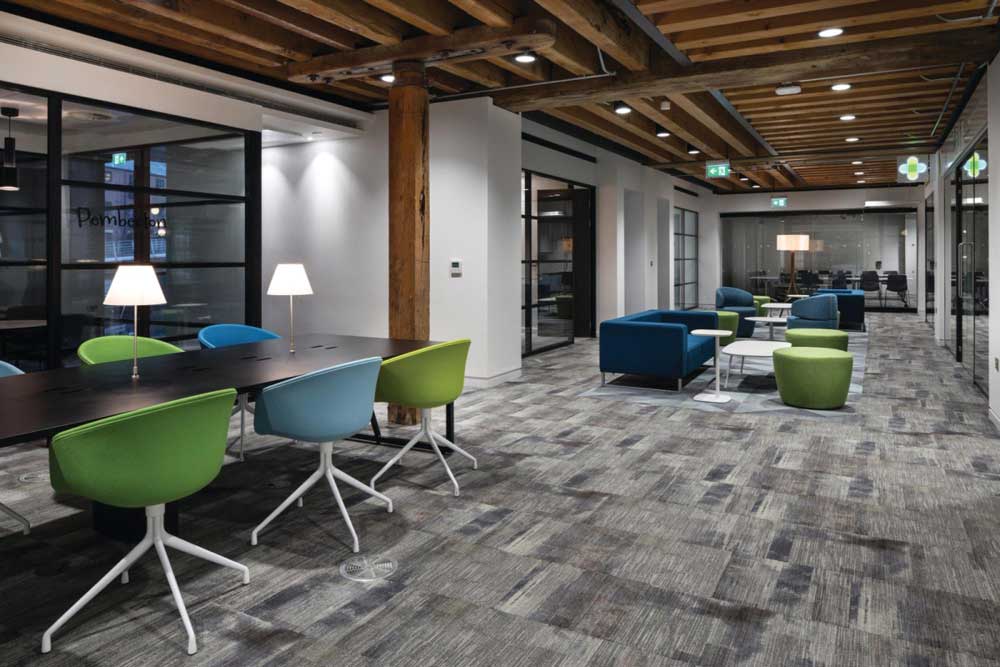
Ergonomics is another crucial functional consideration. Adjustable chairs, sit-stand desks, and monitor positioning not only prevent strain but also communicate to employees that their comfort and health are valued. When furniture is carefully chosen for both comfort and style, it seamlessly integrates form with function, enhancing the overall work experience. Reliable suppliers, such as https://www.officefurniture2go.com/, offer a broad range of office solutions that combine ergonomic design with visual appeal, ensuring that the workspace is both practical and inviting.
Fostering Collaboration Through Spatial Layout
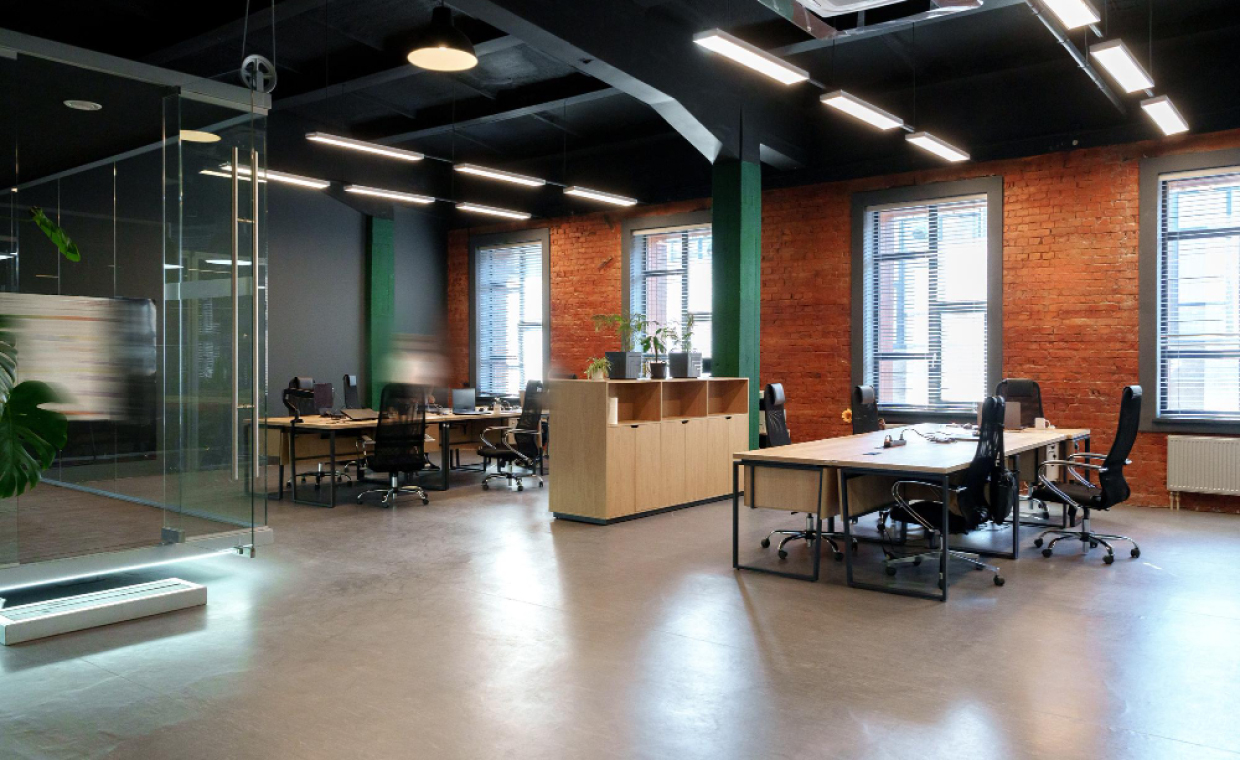
Collaboration is a cornerstone of innovation, and office design can either hinder or facilitate team interactions. High-impact office layouts intentionally incorporate spaces that encourage spontaneous dialogue and teamwork while still providing areas for focus and privacy. Open-plan configurations, when thoughtfully executed, allow for fluid movement and informal meetings, whereas strategically placed breakout zones offer quieter spaces for concentrated tasks or private discussions.
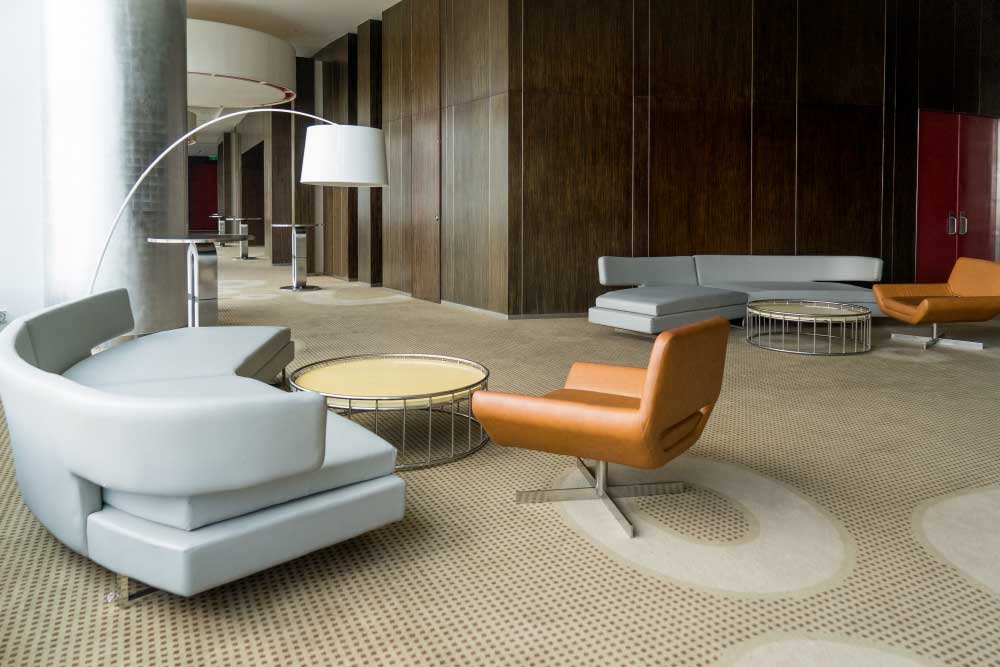
Natural light and sightlines also play a pivotal role in collaborative environments. Studies from the International WELL Building Institute indicate that exposure to daylight not only improves mood but also enhances productivity and reduces fatigue. By prioritizing open sightlines and daylight access, designers can create spaces that feel connected, transparent, and energizing, supporting a culture of openness and communication.
Integrating Technology Without Compromising Aesthetics
The integration of technology is fundamental in high-impact office design. Modern work environments rely on seamless connectivity, smart conferencing systems, and adaptable power solutions. However, technology should enhance rather than dominate the workspace visually. Wireless solutions, built-in cable management, and thoughtfully integrated screens and projectors maintain a clean, uncluttered aesthetic while supporting advanced functionality.
Technology can also support workplace analytics, helping organizations understand how spaces are used and identify opportunities for optimization. Data-driven insights can inform decisions about seating arrangements, meeting room capacities, and resource allocation, ensuring that both form and function evolve in response to real-world usage patterns.
Cultivating Wellness and Comfort
Employee well-being is a growing priority in office design. Biophilic elements, such as indoor plants, natural textures, and access to outdoor views, contribute to stress reduction and cognitive restoration. Comfortable break areas, quiet zones, and dedicated wellness spaces signal a commitment to holistic employee care.
Acoustics are another critical yet often overlooked aspect of functional design. Proper sound management reduces distractions and creates environments conducive to both collaboration and concentration. Thoughtful use of materials, such as acoustic panels, carpeting, and ceiling baffles, ensures that the workspace maintains its aesthetic integrity while addressing noise challenges.
Branding and Cultural Expression Through Design
While function addresses usability, form allows organizations to communicate identity and values. Office design is a tangible expression of corporate culture, reinforcing brand messaging and shaping employee perception. Colours, textures, furniture, and artwork all contribute to an environment that resonates with organizational ethos. A cohesive design reinforces purpose and fosters pride among employees, creating an atmosphere that motivates and engages.
Furthermore, consistency between brand identity and workplace design can leave a strong impression on clients, visitors, and prospective talent. High-impact design is therefore not purely internal, it extends to external perception, supporting recruitment and client relationships alike.
Sustainable Practices and Long-Term Value
Sustainability is increasingly integral to office design. Selecting materials with low environmental impact, using energy-efficient lighting, and designing for long-term adaptability not only support environmental responsibility but also enhance cost efficiency over time. Organizations that prioritize sustainability benefit from reduced operational costs and positive employee perception, aligning functional needs with corporate social responsibility goals.
In addition, sustainable furniture and fixtures often provide durability and modularity, contributing to the functional longevity of the space. This reinforces the principle that form and function are not mutually exclusive but complementary aspects of thoughtful design.
Conclusion
High-impact office design is a multidimensional pursuit, balancing aesthetics, functionality, wellness, technology, and brand expression. Organizations that embrace these principles create environments where employees can thrive, collaboration is enhanced, and overall performance improves. The careful integration of ergonomic furniture, flexible layouts, natural elements, and technology ensures that both practical needs and visual appeal are addressed in harmony.
As businesses continue to evolve, office design must remain a strategic priority rather than an afterthought. Investing in thoughtful, high-impact design fosters a workplace culture that attracts top talent, supports innovation, and reflects organizational values. By understanding and applying the core principles behind form and function, companies can create spaces that are not only visually striking but also deeply effective in supporting the complex demands of modern work.
Also Read: Guidelines for Designing Commercial Spaces
FAQs on High-Impact Office Design
1. Why is Office Design Important for Productivity?
Well-designed spaces improve focus, reduce stress, and encourage collaboration, leading to higher performance.
2. What Role does Ergonomics Play in Office Design?
Ergonomic furniture prevents physical strain, improves comfort, and supports employee health.
3. Is Sustainable Office Design Cost-Effective?
Yes, sustainable materials and energy-efficient systems reduce long-term operational costs and support environmental responsibility.
Author & Expert Review
Written By:  Kinjal Mistry | Civil Engineer & Senior Content Writer
| Credentials: B.E. (Dharmsinh Desai University, Nadiad, Gujarat). Experience: Civil Engineer with 9 years of content writing experience, currently writing impactful articles for Gharpedia, part of SDCPL. Expertise: Specializes in writing well-researched content on home improvement, sustainability, building materials, home interior, DIY, and plumbing technology with everyday clarity. Find her on: LinkedIn |
Verified By Expert:  Mansi Shah – Architect & Architectural Content Writer, SDCPL | B.Arch.
This article has been reviewed for architectural and interior design accuracy by Mansi Shah, an Architect associated with Sthapati Designers & Consultants Pvt. Ltd. (SDCPL). With over 25 years of professional experience in architectural planning, design development, detailing, and on-site execution of residential, commercial, and institutional projects, she brings deep expertise in architecture and interior planning, material selection, construction practices, and building bylaws. Her review ensures the content reflects practical design principles, interior space efficiency, and industry-aligned architectural standards.
Find him on: LinkedIn