Table of Contents
Quick Overview
Here is the quick overview of frameless shower screen installation:
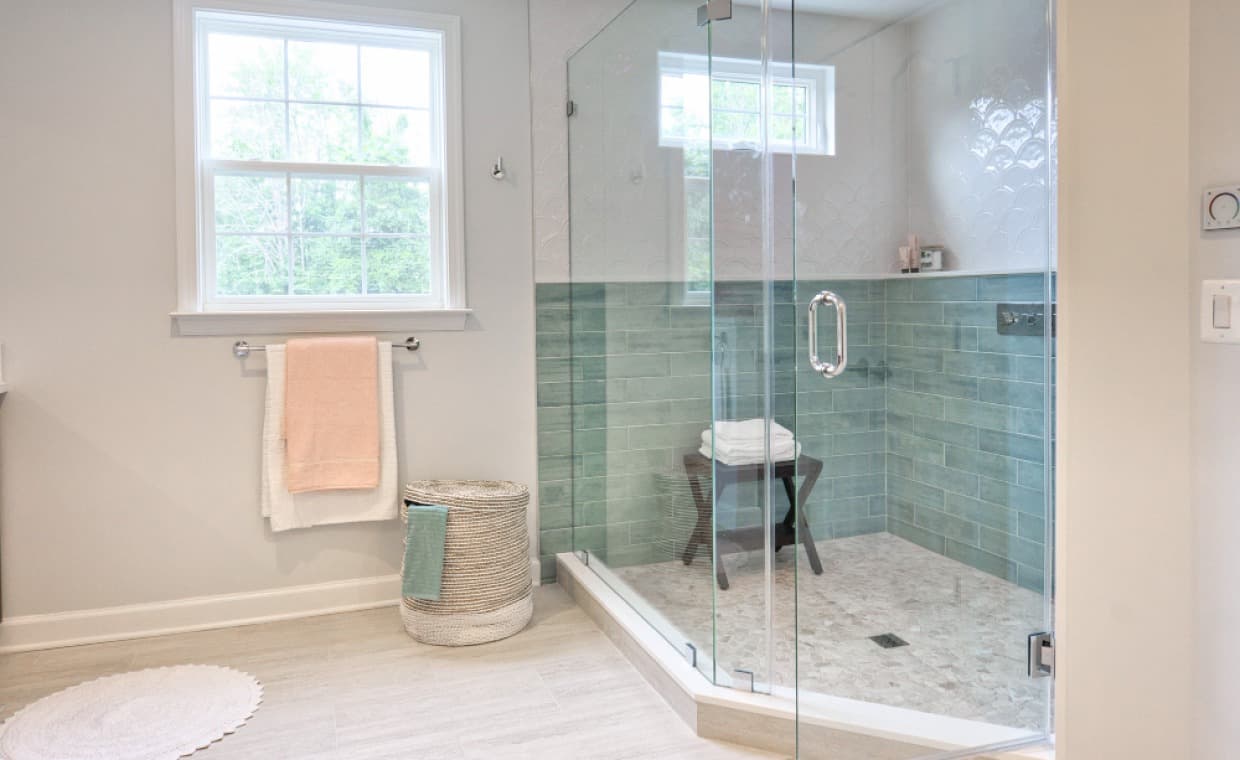
- Frameless shower screens may create a modern and open look.
- Thick toughened glass and minimal hardware make installation less forgiving.
- Its Installation involves careful measuring, heavy glass handling, tile drilling, alignment, and sealing.
- Small mistakes can cause leaks, misalignment, stress on glass, or long-term damage to glass.
- DIY installation may be suitable only for simple fixed panels with straight walls and proper tools.
- Complex designs, hinged doors, uneven bathrooms, and safety risks favour professional installation.
- DIY errors can increase costs due to glass reorders, tile damage, leaks, or poor sealing.
- Professional installation reduces risk, improves safety, and ensures a long-lasting, clean finish.
A frameless shower screen is the simplest way to give a bathroom a modern, clean look. It feels open, bright, and more finished than older framed screens. But while the final result looks minimal, the installation process is not always simple. Glass panels are heavy, measurements must be accurate, and even a small mistake can lead to leaks, misalignment, or damage. If you are planning frameless shower screen installation, it is worth thinking carefully about whether DIY is realistic or if hiring a professional is the safer option.
This article covers what frameless shower screen installation involves, when DIY may work, when you should hire a professional, and how to avoid common installation mistakes.
What Makes Frameless Shower Screens Different?
Frameless shower screens use thick toughened safety glass and minimal hardware. There is no bulky frame to hide gaps or cover uneven walls. That is what makes them look elegant, but it also makes them less forgiving during installation.
Even small issues, such as slightly uneven tiles or a wall that is not perfectly straight, can cause problems. If the glass is installed even a few millimetres off, the door may not close properly, water may escape, or the glass may sit under stress. Over time, this can lead to cracks or loosening fittings.
What is Involved in Frameless Shower Glass Screen Installation?
Many people assume installation is only fixing the glass to the wall. In reality, it involves several technical steps. These steps must be done in the correct order and with the right tools.
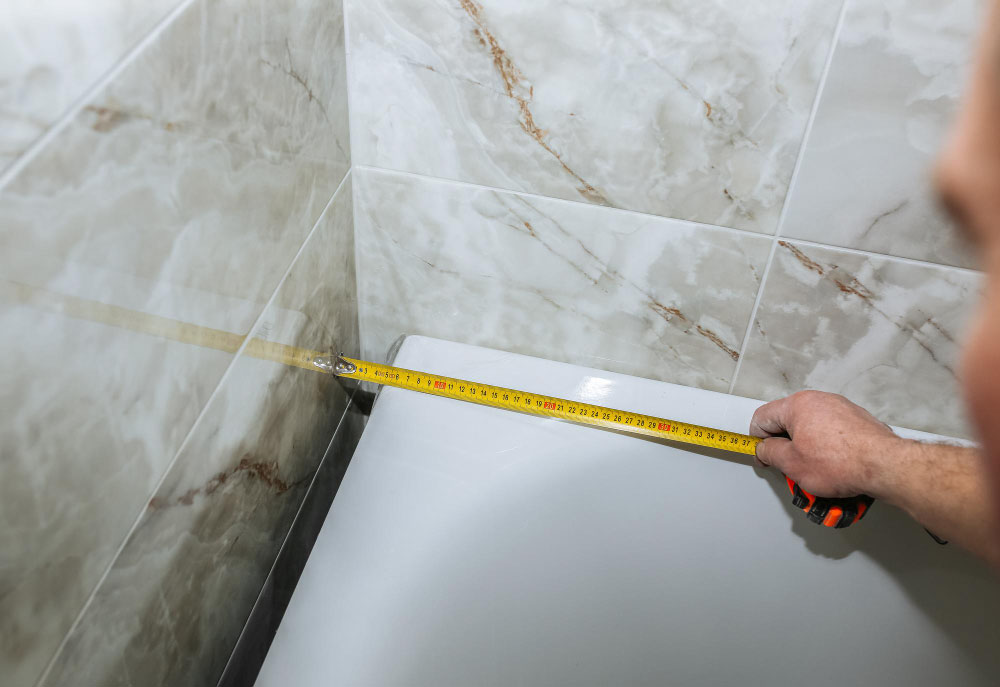
1. Accurate Measuring
This is the most important part of the entire job. Bathrooms are rarely perfectly square. Walls can lean slightly and floors may slope toward the drain. A professional measures carefully and checks:
- Wall straightness (plumb)
- Floor levels
- Tile thickness
- Spacing for hinges and brackets
- Door clearance and swing
If the measurements are wrong, the glass may not fit. Glass cannot be trimmed at home.
2. Safe Glass Handling
Frameless glass is heavy and awkward to carry. Even a single panel can be difficult to lift and position. It requires two people, and more depending on the size.
If the glass slips, it can chip, crack, or damage tiles. There is also a risk of injury, when lifting into place.
3. Drilling Into Tile
To install brackets or channels, you need to drill into tiled walls. This requires:
- The correct tile drill bit
- Careful marking
- Slow drilling speed
- Controlled pressure
One wrong move can crack a tile. Replacing tiles can be costly, and matching older tiles can be difficult.
4. Aligning Panels and Doors
If the screen includes a hinged door, alignment becomes critical. The door must:
- Open and close smoothly
- Seal properly
- Not rub against tiles or glass edges
- Sit evenly without gaps
Misalignment causes leaks or wear on hinges.
5. Sealing and Waterproofing
Silicone sealing looks easy but is done poorly in DIY installations. The seal must be neat, strong, and correctly placed. Poor sealing can lead to water damage, mould growth, and loose fittings over time.
When DIY Installation May Be Possible?
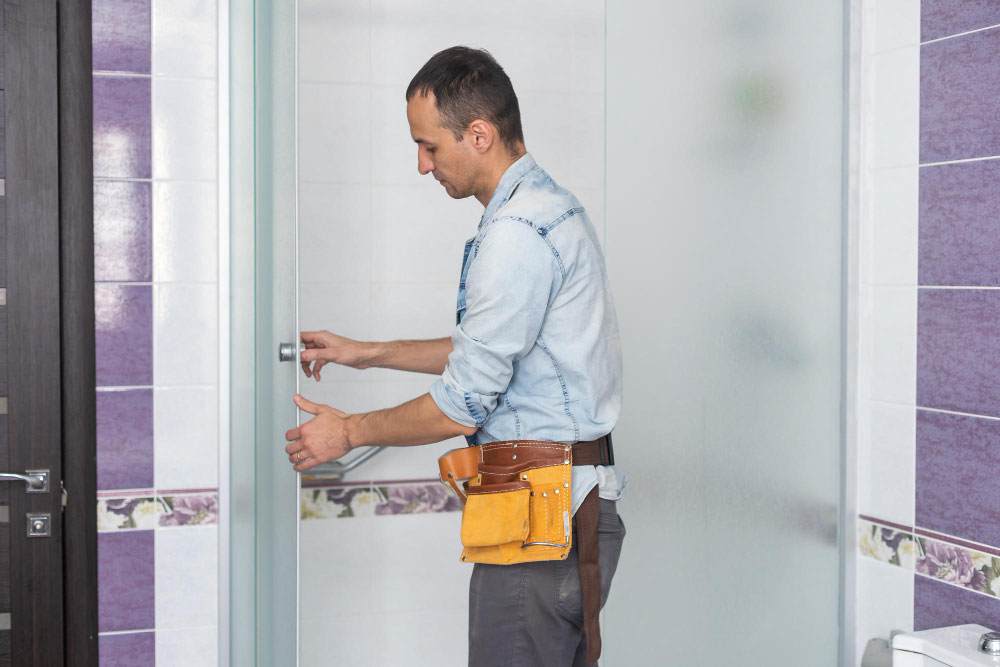
DIY installation is possible in some cases, but it depends on the type of screen and your experience. A simple fixed glass panel is easier than a full frameless enclosure with doors.
DIY may be suitable if:
- The screen is a single fixed panel
- The walls and floor are fairly straight
- You have the correct tools
- You are confident drilling into tile
- You have help to lift and position the glass
Even then, it is not a quick job. You need time, patience, and careful planning. Rushing increases the risk of errors.
When You Should Hire a Professional?
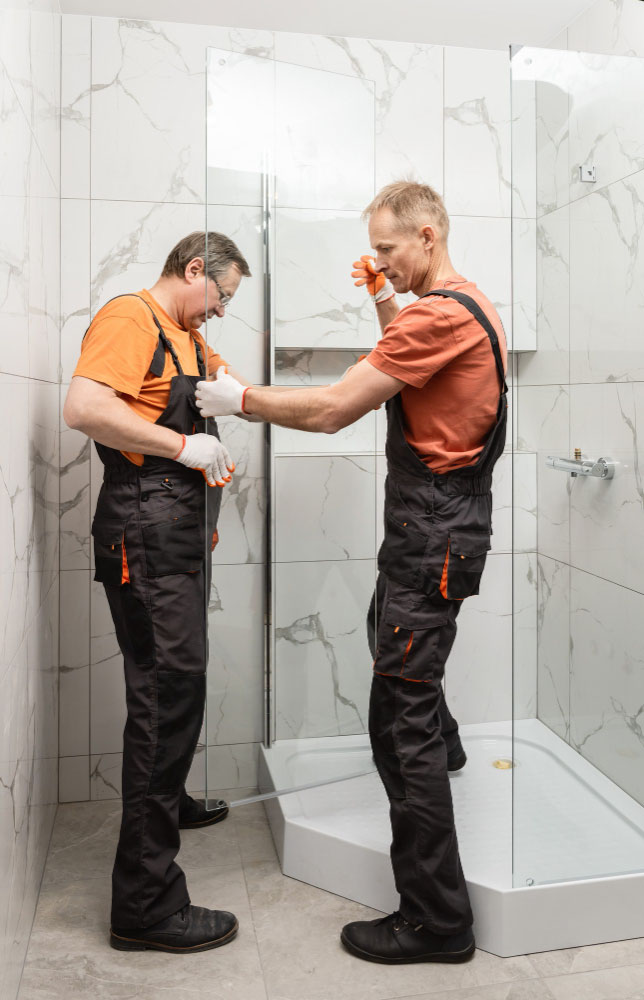
In many situations, professional installation is the better choice. Frameless glass is expensive, and mistakes are hard to correct.
1. Complex Designs
If your screen includes:
- Hinged doors
- Multiple glass panels
- Corner entry designs
- Unusual angles
It becomes much more difficult to install correctly without experience.
2. Uneven Bathrooms
Many bathrooms have small building variations. You may not notice them until you try to install a straight glass panel. Professionals are trained to work with these imperfections and still deliver a clean finish.
3. Safety Concerns
Improper installation can be unsafe. If fittings are loose or installed incorrectly, the glass may shift over time. While toughened glass is strong, it can still fail if stress is applied at the wrong points.
The Real Cost of DIY Mistakes
DIY looks cheaper at first. The costs can increase quickly if something goes wrong.
Common DIY mistakes include:
- Incorrect measurements and re-ordering glass
- Cracking or chipping tiles during drilling
- Misaligned doors that leak
- Damaged glass edges from poor handling
- Poor silicone work causing mould or water damage
Sometimes people end up paying for professional help after attempting DIY. At that point, the overall cost is higher than hiring an installer from the beginning.
Conclusion
Frameless shower screens look simple, but installing them correctly requires precision and experience. DIY installation may work for a basic fixed panel if you have the right tools, good measuring skills, and help lifting the glass. For hinged doors, multiple panels, or bathrooms with uneven surfaces, professional installation is the safer and smarter option.
In most cases, paying for expert work helps prevent leaks, protects expensive glass, and ensures a clean finish that lasts. If you are planning shower screen installation Brisbane, a professional installer can deliver better results with less risk, saving time and avoiding costly mistakes in the long run.
Also Read: 5 Most Popular Shower Enclosure Options to Upgrade Your Bathroom
FAQs on Frameless Shower Screen Installation
1. Why is Frameless Shower Screen Installation More Difficult Than it Looks?
Because there is no frame to hide gaps or uneven surfaces, installation requires extremely accurate measurements and precise alignment. Even small errors can cause leaks, door issues, or stress on the glass.
2. Is Frameless Shower Glass Screen Safe to Use?
Yes, frameless shower screens use toughened safety glass. However, faulty installation can place stress on the glass, increase the risk of failure over time.
3. Why do Frameless Shower Glass Screens Leak?
Generally, leakage occur due to poor alignment, incorrect sealing, or uneven surfaces. Proper installation and professional sealing help prevent water escape.
Author & Expert Review
Written By:  Kinjal Mistry | Civil Engineer & Senior Content Writer
| Credentials: B.E. (Dharmsinh Desai University, Nadiad, Gujarat). Experience: Civil Engineer with 9 years of content writing experience, currently writing impactful articles for Gharpedia, part of SDCPL. Expertise: Specializes in writing well-researched content on home improvement, sustainability, building materials, home interior, DIY, and plumbing technology with everyday clarity. Find her on: LinkedIn |
Verified By Expert: Avni Desai Environmental Engineer, SDCPL | M.E. (Environmental Engineering)
This article has been reviewed for environmental, MEP, and building services accuracy by Avni Desai, an Environmental Engineer at Sthapati Designers & Consultants Pvt. Ltd. (SDCPL). With over 8 years of experience in water supply, wastewater management, infrastructure design, and building services, she brings practical expertise in MEP services, sustainable solutions, design planning, and on-site practices. Her professional services include planning and design of water supply systems, sewage and wastewater treatment systems (STP/WTP), drainage, rainwater harvesting, and other sustainable building services. Her review ensures the content aligns with environmental standards, efficient services planning, and real-world applicability.
Find her on: LinkedIn