









Table of Contents
Quick Summary
- Exploring how traditional gas tank water heaters operate using combustion and stored hot water.
- Understanding heat pump technology and how it extracts warmth from surrounding air.
- Comparing efficiency, energy usage, and performance between both systems.
- Highlighting the benefits of combining gas and heat pump systems for flexibility.
- Discussing how usage patterns affect heating performance in daily life.
- Covering installation factors such as ventilation, airflow, and space planning.
- Emphasising cost savings and environmental advantages of hybrid solutions.
- Providing practical insights for homeowners considering upgrades.
Modern water heaters often look like big cylindrical types with a lot of interesting features, but the reliable ones that are still being used today are basically drums that are filled with water with an oil burner on the bottom. See more info about these tanks when you go to this site.
These tanks can hold up to 227 liters and the exterior is covered by materials like polyurethane foam to keep the temperatures on point. There are also dip tubes and pipes that are suspended towards the interior of the tank to allow the water to exit the appliance.
The thermostat is the one controlling the temperature, and adjusting it will allow you to shower at your preferred warmth. The key is to separate the incoming cold water from the hot outgoing one and the design principles actually follow this.
Generally, people want to keep their traditional tank types, but there are modern alternatives in the form of heat pumps available.
Learning More about Gas Tanks First
This kind of water heater often relies on the combustion that’s placed inside a covered chamber. It tends to transfer the heat into the stored water through the metal walls. Heating is produced on demand, so even if the thermostat (https://home.howstuffworks.com/home-thermostat.htm) drops in temperature, it’s going to remain dependable. It’s a consistency that many homeowners have relied on for years.
With the added predictable recovery rates, the entire system seems to be an endless supply of hot water. After everything is used, the burner will light up and restore the required temperature within a specific time. It’s a cycle that’s easy to follow, even if the dishwashing and the laundry chores overlap. It tends to create a familiar rhythm of heating that can support the household’s daily routines without significant adjustments.
However, there’s a downside, and know that this combustion-based system is often directly tied to the fuel supply of the home. There’s also a need for proper airflow clearance to prevent fires, and they require regular inspection to maintain efficiency. This is why a lot of people research complementary options that can help them save money in the long run while remaining environmentally friendly at the same time.
Where Does Heat Pump Technology Enter the Conversation?
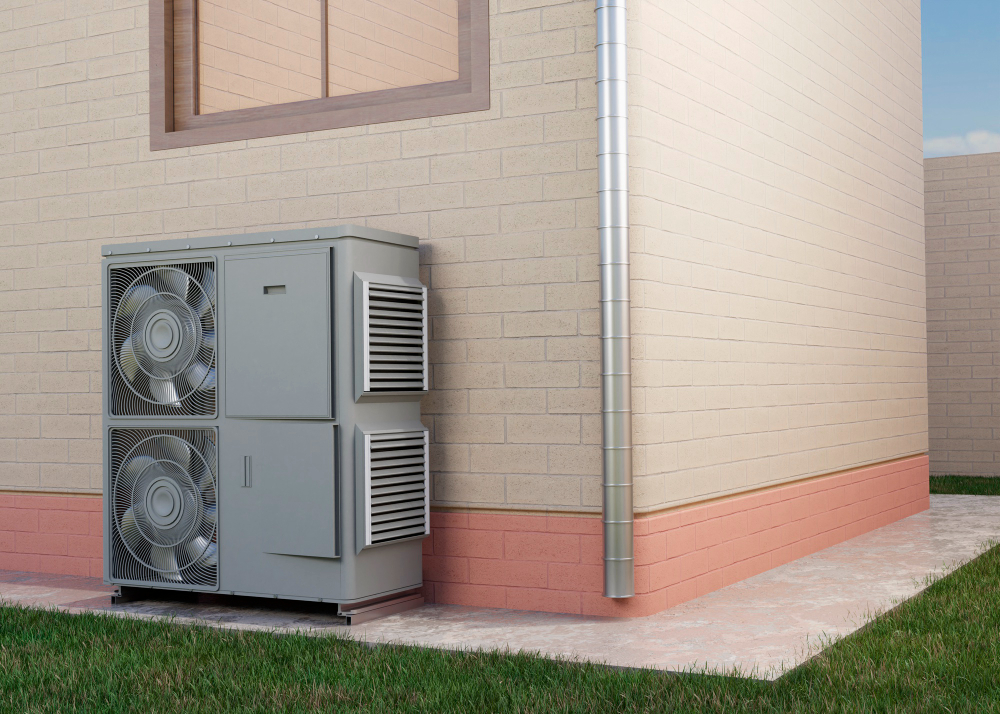
The heat transfer system is working in a more efficient way because it tends to capture warm air from the surroundings and move it inside a vessel. Instead of solely relying on burning fuel to generate heat, it’s a more excellent approach that can work when the ambient air remains warm most of the year. Also, it’s a good addition in tropical regions where individuals can pair this system with their existing tanks to reduce their energy bills.
What makes it different is how the energy is sourced; instead of relying on combustion, the heat is generated like a fridge, but in reverse. The heat is pulled from the air, and it’s concentrated into the water tank. The overall process uses less direct energy input, and the performance can depend on room temperature.
There are a lot of homeowners who treat this technology as a seasonal complement instead of a complete replacement. In the warmer months, the heat transfer can handle a large portion of the heating, while the gas can be a good option for cooler periods. It’s a more layered approach that offers flexibility without requiring a significant change in the system.
Evaluating Efficiency and Daily Usage Patterns
For those who think that they need the hot water frequently during peak days, the good news is that they can check the features of the natural gas water heaters from the right website. This way, they can steadily get the amount needed for their daily tasks while the heating remains consistent.
Adequate capacity can also play a significant role, where the tank systems can get hot water ready in no time for immediate use. On the other hand, the heat transfer cycles can work gradually, and the temperatures can be raised over a longer cycle, so they balance each other, especially during times of sudden surges.
Installation and Space Planning Considerations
These two systems can be integrated, but they require careful evaluation. The airflow conditions should be considered, and these gas tanks can require careful evaluation to see if they’re able to capture ambient warmth in an effective manner.
During the early planning stage, the ventilation can often be overlooked, but know that the units involved in heat transfer can often have a gentle hum where the fan is able to circulate the air. This is going to matter if the installation area is too close to the living spaces. In the meantime, the gas systems that require vent pathways should always remain unobstructed for safer operations.
Also Read: How to Install an Instant Hot Water Recirculating Pump
FAQs – Heat Pump Water Heater
1. What is a heat pump water heater?
A heat pump water heater uses ambient air to heat water instead of burning fuel, making it more energy efficient.
2. Can I use a heat pump with a gas tank water heater?
Yes, many homeowners use a hybrid setup where the heat pump handles most heating and gas supports during high demand.
3. Is a heat pump water heater suitable for warm climates?
It works best in warm environments where there is enough ambient heat for efficient operation.
4. Does a heat pump water heater save money?
Yes, it typically reduces electricity or gas usage, lowering long term energy costs.
5. What are the installation requirements for a heat pump system?
Proper airflow, space, and ventilation are needed to ensure optimal performance and safety.
Author & Expert Review
Written By:  Gaurav Mishra | Civil Engineer & Content Writer

| Credentials: B.E. (Mahavir Swami College, Surat), Registered with Bhagwan Mahavir University (BMU). Experience: Civil Engineer with 5+ years of content writing experience, currently writing impactful articles for Gharpedia, part of SDCPL. Expertise: Specializes in writing well-researched content on residential construction, construction materials, design planning, on-site practices, and safety, blending technical accuracy with everyday clarity. Find him on: LinkedIn |
Verified By Expert:  Avni Desai | Environmental Engineer, SDCPL | M.E. (Environmental Engineering)
 Avni Desai | Environmental Engineer, SDCPL | M.E. (Environmental Engineering)
 This article has been reviewed for environmental, MEP, and building services accuracy by Avni Desai, an Environmental Engineer at Sthapati Designers & Consultants Pvt. Ltd. (SDCPL). With over 8 years of experience in water supply, wastewater management, infrastructure design, and building services, she brings practical expertise in MEP services, sustainable solutions, design planning, and on-site practices. Her professional services include planning and design of water supply systems, sewage and wastewater treatment systems (STP/WTP), drainage, rainwater harvesting, and other sustainable building services. Her review ensures the content aligns with environmental standards, efficient services planning, and real-world applicability.
Find her on: LinkedIn