Table of Contents
Quick Overview
- There is a hidden fire risks in false ceilings and wall panelling.
- False ceilings are secondary ceilings installed below the main ceiling, and wall panels are decorative panel sheets installed on interior walls.
- False ceilings and wall panels hide wiring and utility lines behind them, giving a clean look.
- Major fire hazards in false ceilings and wall panelling are concealed wiring, combustible materials, restricted ventilation, and delayed detection.
- Fire risks in false ceilings and wall panelling can be reduced by using fire-resistant materials, appointing a professional for electrical fittings, installing fire detection in concealed areas, maintaining proper ventilation, and scheduling routine inspections.
- The government provides fire regulations that are designed to minimise fire risk and protect occupants.
- Non-compliance with fire regulations increases the risk of undetected fires, delayed evacuation, and severe property damage.
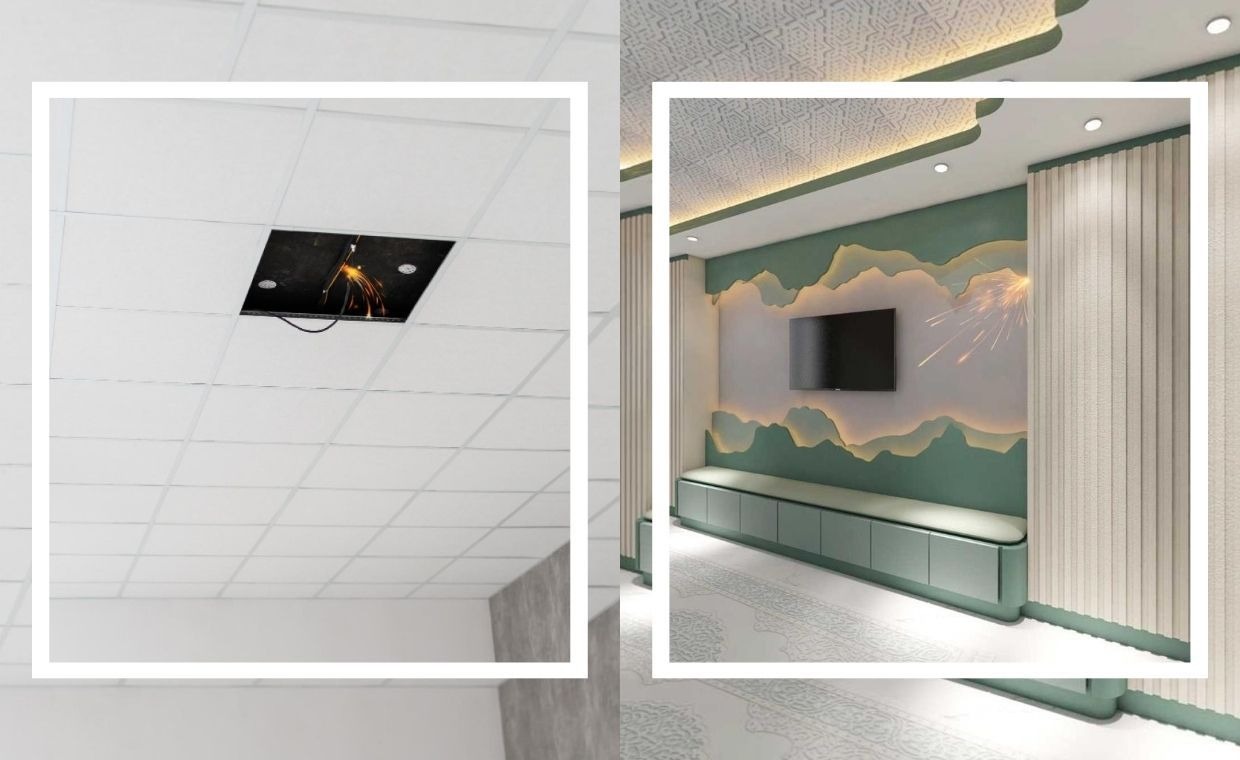
Did you know that some of the most dangerous home fires start in places you can’t even see? Your false ceiling may look beautiful, but it could also be hiding a serious fire hazard. Modern home interiors depend heavily on concealed wiring, decorative wall panelling, and ceiling cavities for a clean and minimal look. However, these hidden spaces can trap heat, sparks, and combustible materials, allowing fires to develop silently and spread unnoticed.
Recent fire studies and incident reports reveal that a significant number of home fires are linked to poor ventilation and electrical faults, hidden behind concealed spaces of ceiling and wall cavities. These concealed spaces remain out of sight and out of mind. Understanding these hidden fire risks and adopting the right fire safety measures is now more important than ever for protecting homes, property, and lives.
False Ceilings & Wall Panelling: What They Are, Their Purpose, Materials & Usage
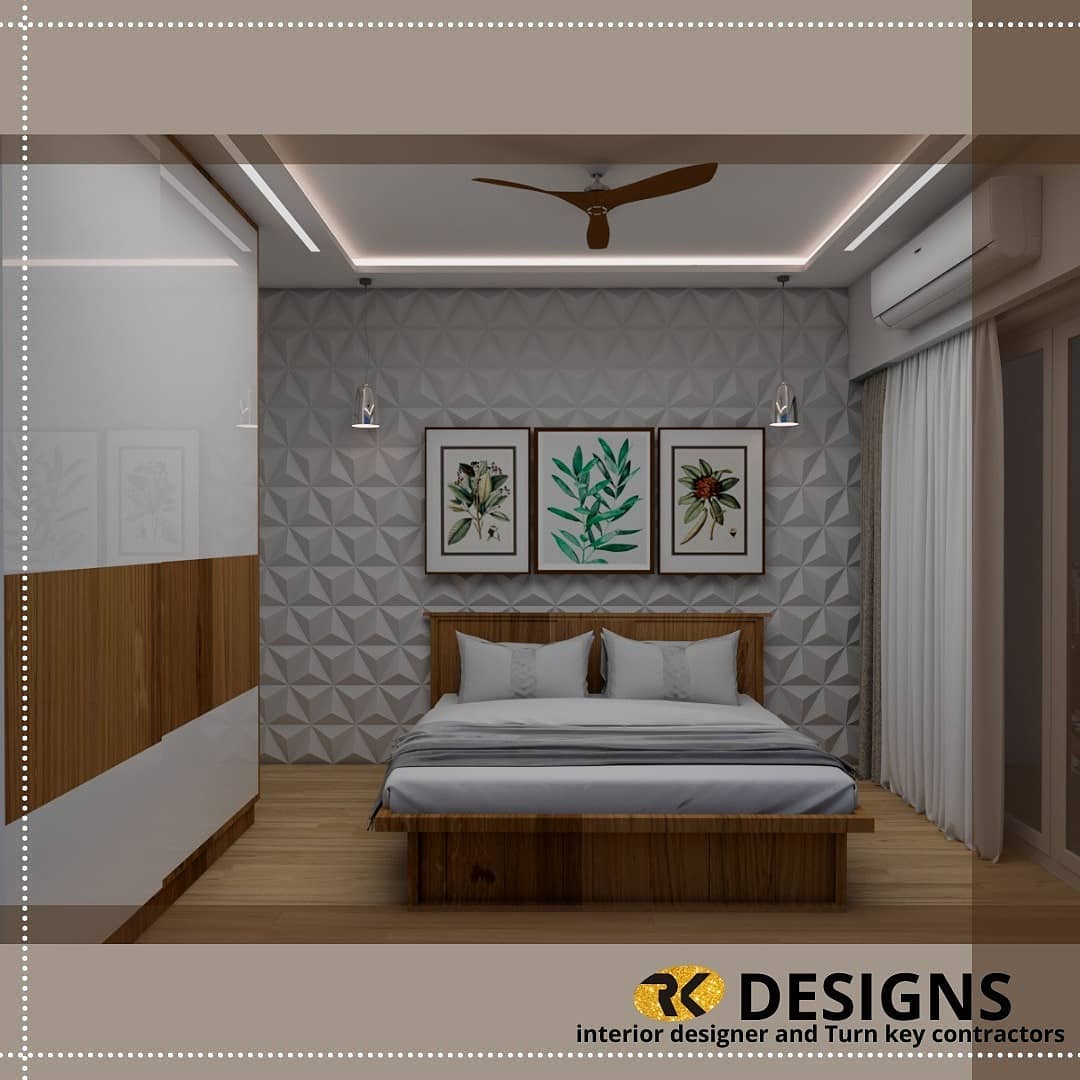
False ceilings (also called dropped ceilings) are secondary ceilings installed below the main structural ceiling. And wall panels are decorative or protective panel sheets installed on interior walls. The primary purpose of false ceiling and wall panelling is to enhance interiors, improve aesthetics, conceal electrical wiring, HVAC ducts, and plumbing lines. They also improve acoustics and provide thermal insulation. They are commonly used in living rooms, bedrooms, offices, kitchens, commercial spaces, hotels, and retail interiors to create visually appealing finishes and hide utility lines.
False ceilings and wall panelling are made from materials such as gypsum board, PVC panels, MDF, plywood, laminates, natural wood, metal sheets, and fabric panels. Each material exhibits distinct properties under heat and fire. It is important to select materials that comply with fire and electrical safety standards to avoid hidden fire risks.
What are Hidden Fire Risks in False Ceilings and Wall Panelling?
Hidden fire risks are dangers that develop inside concealed spaces above ceilings or behind wall panels where heat, wiring, and combustible materials remain hidden. These risks are often unnoticed unless there is a major outbreak.
The most common hidden fire hazards include:
- Overheated electrical wiring
- Use of combustible materials
- Poor ventilation in concealed spaces
- Accumulation of dust and debris over time
- Lack of fire alarms behind ceilings and wall panels
Major Fire Hazards in False Ceilings and Wall Panelling
Concealed Wiring
Today, homeowners prefer clean aesthetics. To achieve this, it is important to conceal all the electrical wiring beneath false ceilings and behind wall panels. This makes regular electrical inspection and maintenance difficult. Lack of electrical maintenance leads to:
- Degradation of poor-quality wires or substandard insulation over time.
- Overloading of wires due to unnoticed additions of electrical accessories.
- Sparks caused by loose connections and improper joints remaining hidden.
Additionally, concealed wiring makes it difficult to spot and repair damaged wires and cables.
Combustible Materials
To achieve visually appealing interiors, people often choose showy and decorative materials. However, materials used for false ceilings and wall panelling are generally combustible or semi-combustible in nature.
- Plywood, MDF, laminates, and fabric panels can catch fire easily.
- PVC panels may emit toxic fumes under high heat.
- Decorative finishes can accelerate flame spread.
Once these materials catch fire, it becomes extremely difficult to control rapid fire propagation, especially in enclosed spaces.
Restricted Ventilation
False ceilings are wall panels that create a void behind them, which often lacks ventilation. This causes:
- Heat buildup from lighting fixtures and electrical wiring.
- Stagnant hot air pockets.
- Prolonged heat accumulation that damages insulation and may ignite nearby materials.
Restricted ventilation significantly increases the risk of electrical components overheating and causing fire.
Delayed Detection
False ceilings and wall panels create aesthetic appeal at the cost of fire safety. They often conceal the initial signs of sparks or fire, making early detection difficult. Fire detection is delayed because:
- Fire first spreads in the hidden space behind ceilings and wall panels rather than on visible surfaces
- Smoke initially fills concealed cavities before entering the room
- Smoke detectors are usually installed at the room level and not above false ceilings
By the time fire becomes noticeable, it is often uncontrolled, leaving occupants with very little time to escape.
How to Reduce Fire Risks in False Ceilings and Wall Panelling
1. Use Fire-Resistant Materials
When selecting materials for false ceiling and wall panels, opt for materials that meet fire safety standards. Recommended options include:
- Fire-rated gypsum boards.
- Class A insulation.
- Metal framing instead of wood.
- Non-combustible decorative finishes.
- Wall panelling materials with low flame spread and smoke development.
These materials slow down fire spread and provide enough time for evacuation.
2. Ensure Professional Electrical Installation
Electrical installations should be thoroughly monitored, and any shortcuts or compromises in materials and workmanship should be avoided. Always hire licensed electricians.
- Opt for ISI-marked or certified electrical wires.
- Install cables neatly with proper wire sizing.
- Make sure not to overload the circuit.
- Ensure to label wires and circuits for future access.
- Conduct regular electrical inspections by professionals.
3. Install Fire Detection in Concealed Areas
Early fire detection makes room for timely evacuation and emergency response. However, detectors are usually installed below false ceilings, leaving cavities unprotected.
Safety measures include:
- Install smoke detectors above false ceilings.
- Add heat sensors in the cavities behind wall panels.
- Mount sprinkler heads near ceiling voids.
- Have an integrated fire alarm system.
4. Maintain Proper Ventilation and Fire Breaks
Ventilation allows heat to escape and prevents heated air pools behind false ceilings and wall panels. Fire breaks limit the spread of fire within ceiling voids and wall cavities. Make sure to:
- Add ventilation slots.
- Install fire-stop barriers.
- Design interiors with fire breaks.
- Maintain inspection access panels.
Fire breaks and barriers help compartmentalise concealed spaces and slow down fire propagation.
5. Schedule Routine Inspection and Maintenance
Hidden spaces are often overlooked during routine maintenance. Regular inspections should check for:
- Faulty or loose wiring.
- Overheating and insulation damage.
- Moisture buildup.
- Dust accumulation, which can act as fuel for fires.
Role of Fire Regulations in Building Standards
Government fire regulations play a crucial role in planning and designing home interiors. These are legal safety guidelines aimed at minimising fire risk, controlling fire spread, and protecting occupants during emergencies.
Key Roles of Fire Regulations Include:
- Material Safety Compliance
Fire regulations only permit the use of fire-rated and non-combustible materials for ceilings, walls, panels, insulation, and finishes.
- Electrical Installation Standards
Building codes require a certified professional for concealed wiring installation using flame-retardant cables, proper conduits, and load-balanced circuits.
- Fire Detection and Suppression Integration
Codes specify the placement of smoke detectors, heat sensors, sprinklers, and fire alarms, including coverage for concealed spaces.
- Ventilation and Fire Break Requirements
Fire regulations enforce ventilation gaps, fire-stop barriers, and compartmentalisation.
Non-compliance increases the risk of undetected fires, delayed evacuation, and severe property damage.
Do’s and Don’ts for Fire-Safe False Ceilings & Wall Panelling
Do’s
- Use certified fire-rated materials
- Hire professional installers
- Install concealed fire detectors
- Keep access panels for inspection
- Conduct annual safety audits
Don’ts
- Use untreated wood or foam
- Overload electrical circuits
- Block sprinkler heads
- Ignore dust buildup
- Skip routine inspections
Warning Signs of Hidden Fire Risks
If you notice any of these warning signs, get expert help:
- Burning smell near the ceiling
- Flickering lights
- Discolouration or cracks in ceiling panels
- Tripping circuit breakers
- Unusual heat near ceiling fixtures
Key Takeaway
False ceilings and wall panelling are essential components of modern interior design that hide messy wiring and utilities to create a clean look. However, in the process of hiding these utilities, they may also hide serious fire hazards. These risks can be mitigated by using fire-resistant materials, ensuring professional electrical installation, improving ventilation, and installing concealed fire detection systems. With these measures, homeowners can enjoy stylish interiors without compromising safety.
Also Read: How To Deal With Hidden Fire In House? | Perfect Solution For you!
FAQs on Hidden Fire Risks in False Ceilings and Wall Panelling
01. Are false ceilings fire-resistant?
False ceilings made with fire-resistant materials like fire-rated gypsum boards and metal ceiling systems are good in resisting fire. Materials like POP, Plywood, or PVC pose a higher fire threat.
02. Can smoke detectors work above false ceilings?
Yes, specially designed smoke detectors installed inside the ceiling detect smoke and fire at an early stage.
03. How often should concealed wiring be inspected?
Concealed wiring should be inspected every 3-5 years by professionals.
04. Can dust really cause a fire?
Yes, dust is combustible and can ignite quickly when exposed to heat or sparks.
Author & Expert Review
Written By:  Nidhi Patel | Civil Engineer & Content Writer
| Credentials: B.E. (Mahatma Gandhi Institute of Technical Education and Research Centre), Registered with Gujarat Technological University (GTU). Experience: Civil Engineer with 3+ years of content writing experience, currently writing blogs for Gharpedia, part of SDCPL. Expertise: Specializing in SEO-optimized blogs and long-form articles focused on home improvement, construction, interiors and architect topics. I create well-researched, reader-focused content that balances technical accuracy with clarity, making complex subjects easy to understand. Find her on: LinkedIn |
Verified By Expert: Avni Desai Environmental Engineer, SDCPL | M.E. (Environmental Engineering)
This article has been reviewed for environmental, MEP, and building services accuracy by Avni Desai, an Environmental Engineer at Sthapati Designers & Consultants Pvt. Ltd. (SDCPL). With over 8 years of experience in water supply, wastewater management, infrastructure design, and building services, she brings practical expertise in MEP services, sustainable solutions, design planning, and on-site practices. Her professional services include planning and design of water supply systems, sewage and wastewater treatment systems (STP/WTP), drainage, rainwater harvesting, and other sustainable building services. Her review ensures the content aligns with environmental standards, efficient services planning, and real-world applicability.
Find her on: LinkedIn