Table of Contents
Quick Summary
- Home interior design ideas, if thoughtfully planned, rely on balance, layout, lighting, and a purpose rather than using expensive furniture or trends.
- Small, thoughtful changes can make a home feel cohesive and comfortably styled.
- Focal walls with hand-painted artwork add personality, structure, and visual interest.
- Accent furniture helps improving spatial balance: it takes care of symmetry and movement within the walled spaces.
- Textiles introduce warmth, texture, and comfort while softening hard surfaces.
- Artisan-inspired fabrics add depth, authenticity, and character to interiors.
- Ambient lighting shapes mood, highlights features, and improves everyday functionality.
- Smart lighting is a style statement. Besides creating comfort zone, the adjustable brightness and automated settings offer added convenience.
- Indoor plants add natural texture, and create positive vibes around.
- Planter materials and placement influence both aesthetics and plant health.
- Minimal decorative accessories complete the look without clutter.
- Thoughtful design evolves gradually, creating homes that feel intentional, personal, and well-balanced.
Home interior design ideas can be creative and innovative. it can be Have you ever walked into someone’s perfectly styled home and wondered why your space doesn’t feel as put-together? I’ve been there too.
A thoughtfully designed interior is rarely about expensive furniture or following trends. It comes down to understanding a few core principles professionals rely on every day. Balance prevents one area from overpowering the rest, while color, lighting, and layout quietly shape how a room feels and functions.
Simple adjustments, often using what you already own, can dramatically improve how a space looks and flows. This article shares six practical interior design ideas that help homes feel intentional, cohesive, and professionally styled without complicated rules or major renovations.
1. Create a Focal Wall with Hand-Painted Artwork kits
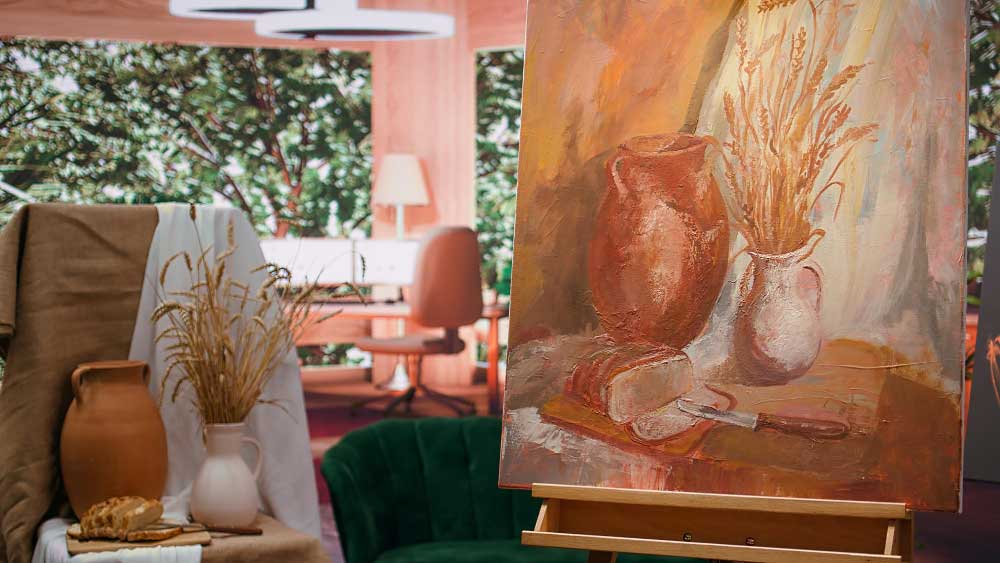
A focal point becomes the “star” of your room in professional Home interior design ideas. It draws attention and gives your eyes a place to rest. A focal wall is one of the simplest designs moves that can reshape a space because it creates structure without adding clutter.
With Number Artist painting kits, a focal wall becomes an opportunity to introduce personality and visual structure into a room.
01. What Hand-Painted Artwork Kits Typically Include
Most paint-by-numbers style art kits are designed to remove guesswork while still allowing room for personal expression. They usually contain:
- A pre-outlined canvas with numbered sections that correspond to paint colours.
- A set of acrylic paints selected to suit the design.
- Brushes suitable for both detailed areas and larger sections.
- A reference sheet to help follow the composition.
- A color guide that links each number to the correct paint.
- Step-by-step instructions that make the process approachable.
- This structure makes it easier to focus on the creative experience rather than worrying about technique.
02. How Hand-Painted Artwork Adds Personality to Interiors
Thoughtfully designed home interiors should reflect the people who live in the space. Hand-painted artwork does this naturally because every piece is shaped by the person creating it. Even with a predefined outline, individual brushstrokes, pacing, and finishing choices make each artwork unique. These personal art pieces influence interior design ideas for homes in several ways:
- Added texture and depth. Canvas surfaces and layered paint create subtle dimension that changes with natural light throughout the day.
- Intentional color accents. Artwork can either echo existing tones in a room or introduce contrast that brings energy without overwhelming the space.
- A stronger emotional connection. Guests often respond to artwork that has a story behind it, turning décor into a conversation piece rather than a background element.
- Framing plays an important role here. Classic wooden frames tend to suit traditional or cozy interiors, while slim metal frames work well in more modern spaces. The right frame helps transform a hand-painted piece from a creative project into a polished design feature.
03. Best Placement Ideas for Hand-Painted Artwork
Placement can make or break your paint-by-numbers artwork as a focal point. The right spot will showcase your piece perfectly.
The living room focal wall makes an ideal spot according to creative Home interior design ideas. You should pick a wall opposite the entrance so your artwork catches attention right away. Your artwork will look best on walls without TVs or large furniture getting in the way.
Your home office works great too. Your personally created artwork offers visual refreshment and sparks creativity during long work hours. Having your own artwork nearby often provides motivation and pride.
Hallways deserve more attention in interior design. These spaces give perfect viewing distances to appreciate your artwork’s details. A large, colourful piece at the corridor’s end creates interest along an otherwise plain path.
Light matters when choosing your artwork’s spot. Good lighting shows off colours and details in your painting. Put your artwork where it gets enough light but stays away from direct sunlight that might fade the colours.
2. Improve Spatial Balance Using Accent Furniture
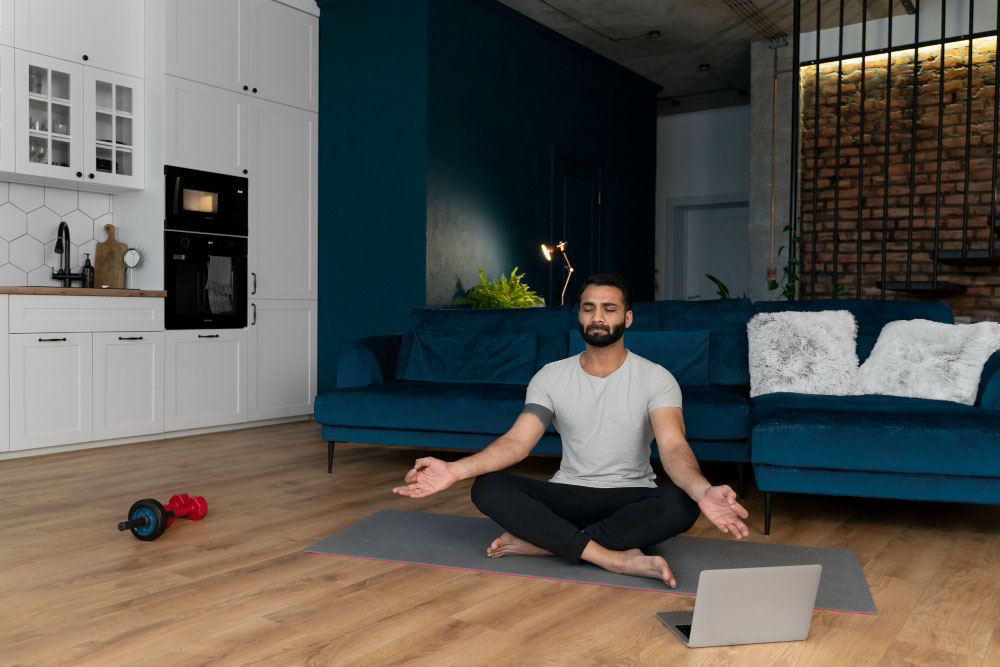
Furniture placement shapes how we experience a space. You do not need expensive renovations to achieve spatial balance, which is one of the most important interior design principles. When furniture is chosen and arranged thoughtfully, even ordinary rooms can feel intentional and well designed.
Accent furniture plays a key role here in interior design ideas for homes. These supporting pieces help define zones, guide movement, and prevent rooms from feeling either overcrowded or empty. When used correctly, they bring structure without overwhelming the space.
01. Useful Accent Furniture Options for Balanced Interiors
Accent furniture should complement the room rather than dominate it. The most effective pieces tend to be simple, functional, and well proportioned. Common options that work in many interiors include:
- Armchairs that add seating while visually anchoring corners or open areas
- Side tables that support seating areas without blocking movement
- Compact coffee tables that maintain flow while offering surface space
- Benches or stools that provide flexible seating and visual interest
- Storage-friendly accent tables that reduce clutter while staying discreet
These pieces work best when they support the main furniture rather than compete with it.
02. How Accent Furniture Enhances Symmetry and Visual Flow
Professional designers often rely on symmetry to create calm, balanced spaces. Accent furniture helps achieve this by reinforcing visual order and guiding the eye naturally around the room in Home interior design ideas.
Balanced layouts can be created in several ways:
- Paired elements. Two similar chairs, tables, or lamps on either side of a focal feature instantly create structure.
- Visual weight distribution. A larger item on one side of the room can be balanced with a combination of smaller elements on the other.
- Color harmony. Light and dark tones should feel evenly spread rather than concentrated in one area.
- Textural contrast. Mixing soft textiles with harder surfaces adds depth while preventing the space from feeling flat.
03. Tips for Arranging Furniture for Balance
Small layout changes can significantly improve how a room feels. These practical tips help create professional-looking balance without adding more furniture in interior design ideas for homes.
- Start with a clear base. Remove unnecessary items and focus only on what the space truly needs.
- Work around the main piece first. Anchor the layout with the sofa, bed, or dining table before adding accents.
- Pay attention to height. Lower tables work best near seating, while taller pieces can support vertical balance.
- Soften bold elements. Strong colours or statement furniture benefit from neutral surroundings to keep the room calm.
- Layer textures intentionally. Combine smooth surfaces with soft fabrics to add comfort and depth.
- Edit before adding. Fewer, well-placed pieces create more impact than crowded arrangements.
3. Bring Warmth into Living Spaces with Textiles
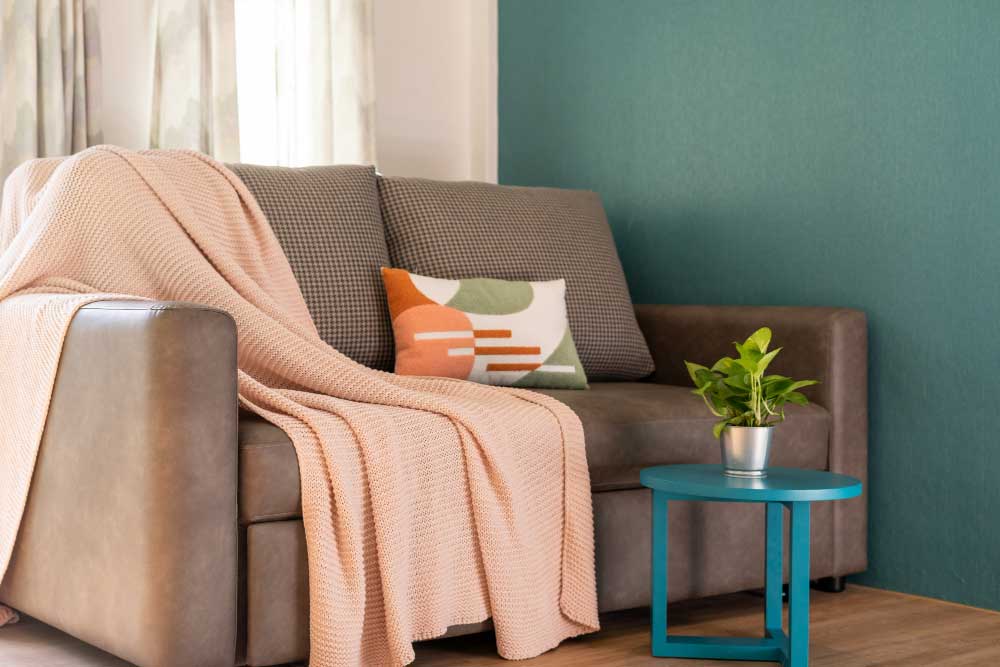
Textiles can turn a cold, sterile space into a welcoming sanctuary and contributes in modern home interior styling. Unlike paint or furniture, fabrics introduce warmth you can physically feel. They soften hard surfaces, add visual comfort, and help create a stronger emotional connection to a space.
Artisan-inspired textiles, especially those rooted in traditional craftsmanship, bring an added sense of depth and authenticity. Their subtle imperfections and handmade details prevent interiors from feeling overly polished or impersonal.
01. The Aesthetic Value of Artisan-Inspired Textiles
Textiles created using traditional methods carry a distinct visual character. Techniques such as hand-block printing rely on carved wooden blocks pressed onto fabric, leaving slight variations that make each piece feel individual rather than mass-produced.
Color plays an equally important role. Earth-based tones such as terracotta, indigo, muted yellows, and warm neutrals tend to replace stark whites and cool greys. These shades ground interiors and connect them more closely to natural elements, which helps spaces feel calmer and more inviting.
Patterns range from simple geometric repeats to detailed florals and heritage-inspired motifs. Paisley influences, tribal patterns, and stitched textures introduce cultural richness without overpowering modern interiors. When used thoughtfully, these designs add personality while still feeling balanced.
02. How Artisan-Style Fabrics Add Warmth and Texture
Textiles influence how a space feels, not just how it looks. When layered correctly, they create comfort that evolves with the seasons.
- Layered comfort across the year. Soft fabrics paired with warm tones create visual softness that works in both cooler and warmer months without permanent changes.
- Textural contrast that adds depth. Pairing rougher materials like jute with smoother options such as cotton, linen, or silk prevents rooms from feeling flat or one-dimensional.
- Controlled use of color. Warm tones introduced through cushions, throws, or rugs refresh seating areas without overwhelming the overall palette.
- Flexible updates with minimal effort. Swapping cushion covers, throws, or lightweight rugs seasonally allows interiors to feel renewed without moving furniture.
- Practical design impact. Many designers rely on woven rugs, hand-finished cushion covers, textured throws, and softly draped curtains to build layered comfort that elevates everyday living spaces.
4. Enhance Lighting Aesthetics with Ambient Fixtures
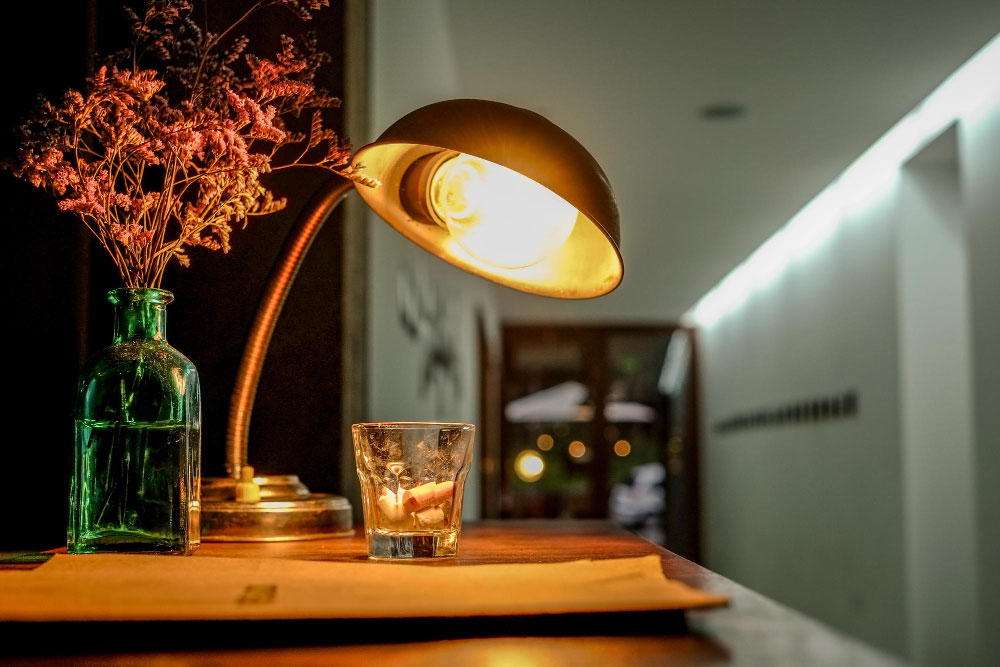
Light shapes how we see and live in our spaces and plays a creative role in home décor and lighting ideas. The right lighting fixtures do more than brighten rooms – they set the mood, showcase architectural details, and make spaces more useful.
01. Lighting Ambient Fixture Types
A balanced lighting plan usually includes several fixture types working together rather than relying on a single overhead source. Common ambient lighting options include:
- Ceiling fixtures that provide even, general illumination without harsh shadows
- Wall-mounted lights that add depth through indirect lighting
- Pendant lights that define areas such as dining spaces or kitchen islands
- Accent lighting used to highlight artwork, shelving, or architectural features
- Table and floor lamps that soften the atmosphere and support evening use
02. Mood-Setting Benefits of Well-Planned Lighting
Lighting has a direct impact on how a space feels emotionally. Warm light tones tend to create a relaxed, comfortable atmosphere, making them especially suitable for living rooms and bedrooms. Cooler light can feel more energizing and works well in task-oriented areas.
Adjustable lighting adds an extra layer of comfort. Being able to shift brightness or color temperature allows a room to transition easily from focused daytime use to a calmer evening setting. This flexibility helps spaces feel supportive rather than static.
Color-adjustable lighting can also play a role when used with restraint. Subtle shifts in tone can enhance ambiance without turning lighting into a distraction, helping rooms reflect different moods and occasions naturally.
03. Smart Lighting Features Worth Considering
Modern lighting solutions can improve both daily comfort and atmosphere without altering a room’s visual style. When used thoughtfully, smart features act as quiet support systems rather than attention-grabbing technology.
Useful options include:
- Hands-free adjustments that allow lighting changes without interrupting daily activities. This is especially helpful when cooking, working, or moving through the home with occupied hands, and it reduces the need to reach for switches repeatedly.
- Automated lighting schedules that align with natural routines. Gradual brightening in the morning and softer light in the evening support healthier daily rhythms while also reducing unnecessary energy use when rooms are unoccupied.
- Custom lighting scenes that adjust brightness and tone for different moments. A single setting can support focused work, relaxed evenings, or social gatherings without requiring multiple manual adjustments each time.
- Adaptive lighting for entertainment that subtly responds to sound or visuals. When used in moderation, this feature can enhance movie nights or music sessions without overpowering the space or distracting from the overall design.
- Consistent visual comfort through evenly distributed light and reduced glare. Balanced illumination prevents eye strain and helps rooms feel calmer and more welcoming, particularly in the evening.
5. Introduce Natural Elements Through Indoor Planters
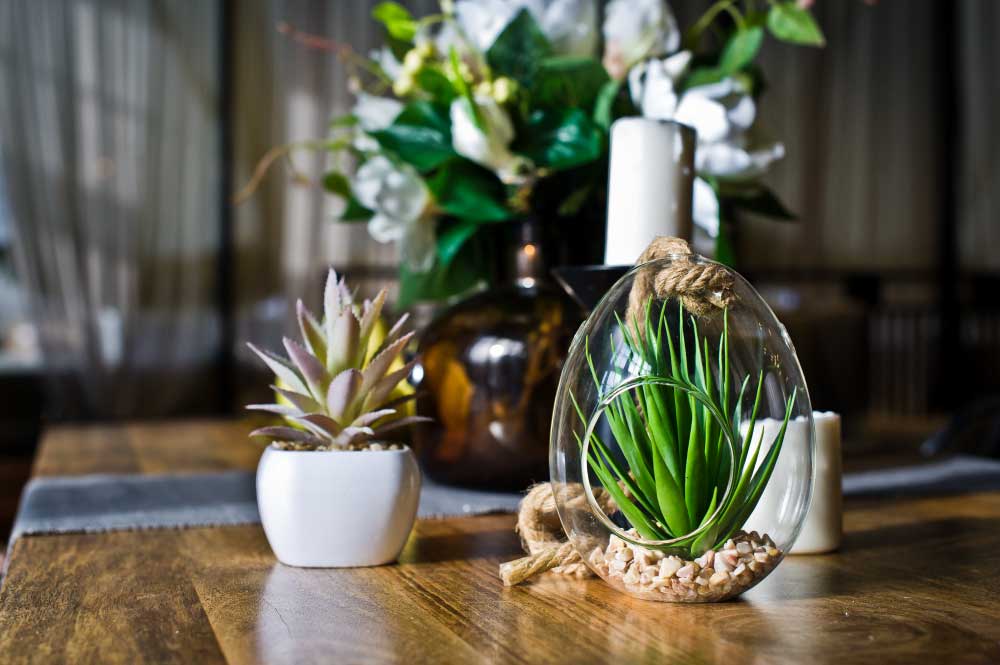
Natural elements often provide the finishing touch that well-designed spaces need. They create a visual bridge between clean interiors and the natural world outside, softening rooms that might otherwise feel rigid or flat. Indoor plants, when paired with the right planters, bring balance, warmth, and life into a space in a way few decorative elements can.
Planters are more than containers. Their material, shape, and placement influence how greenery integrates into the overall design, which is why designers treat them as part of the décor rather than an afterthought.
01. Common Planter Styles and Materials
Different planter materials serve different purposes, both visually and practically. Choosing the right one depends on the plant’s needs as well as the room’s aesthetic.
Ceramic planters offer a refined look and help retain moisture, making them suitable for plants that prefer slightly damp soil. Their weight and finish often suit living rooms and bedrooms where stability and elegance matter.
Lightweight planters are ideal when flexibility is important. They are easy to move, making them useful for seasonal rearrangements or spaces that change frequently.
Metal planters create strong visual anchors with clean lines and structured shapes. They work well in modern or minimalist interiors and hold up well over time.
Natural or woven finishes introduce softness and texture, helping plants blend into relaxed or layered spaces when used with a proper inner liner.
02. How Plants Improve Air and Aesthetics
Plants influence interiors on both a visual and functional level. When placed thoughtfully, they contribute more than decoration.
- Support for healthier indoor air. Plants interact with soil and root systems to support cleaner indoor environments, especially when grouped in well-ventilated areas.
- Visual depth through organic forms. Leaves, stems, and natural textures break up straight lines and add movement, making rooms feel softer and more dynamic.
- Strong focal impact with minimal effort. A single statement planter can transform an empty corner or flat wall into a point of interest.
- Balanced layering. Mixing planter sizes and heights creates rhythm and prevents displays from feeling repetitive or overcrowded.
03. Placement Tips for Indoor Plants
Placement affects both plant health and visual balance. The goal is to support growth while enhancing the room’s flow.
- Window areas work well for light-loving plants and help soften strong architectural lines.
- Empty corners benefit from taller plants that add structure and reduce unused space.
- Shelving and ledges allow smaller plants to add interest at different heights, breaking up large wall surfaces.
- Living rooms suit planters with decorative finishes that contribute to the overall style.
- Bedrooms benefit from plants placed in moisture-retaining containers that support comfortable humidity levels.
- Entryways are ideal for statement planters that create a strong first impression.
Always choose containers that suit the plant’s watering needs and root size. Plants that require frequent watering do better in moisture-retaining planters, while those that prefer drier conditions thrive in breathable materials such as ceramic or terracotta.
When used consistently throughout the home, indoor plants become living focal points that elevate interiors from basic to thoughtfully designed.
6. Complete the Look with Minimal Decorative Accessories
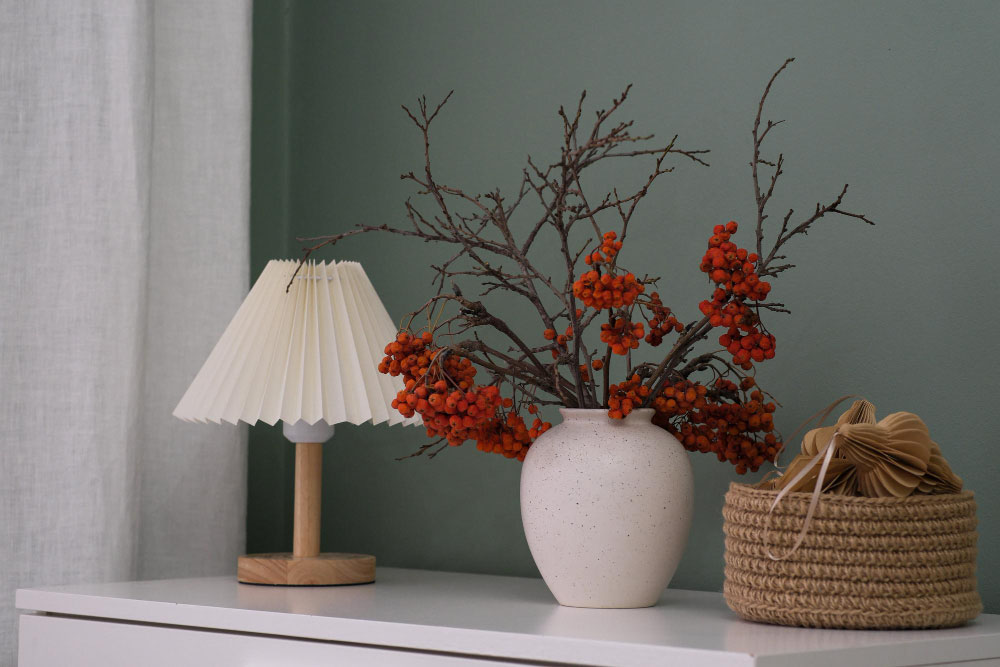
Minimalism in design follows the idea that finishing touches matter most when they are chosen with intention. The right decorative accessories can elevate an ordinary space into something polished and cohesive without overwhelming it. Rather than filling rooms with objects, thoughtful design relies on restraint and clarity.
Decorative accessories work best when they support the overall atmosphere of a room instead of competing for attention. When selected carefully, even a small number of pieces can make a space feel complete.
01. Common Decorative Accessories that Work Well in Minimalist Interiors
Minimal interiors still need detail. The difference lies in choosing pieces that serve both a visual and functional purpose. Accessories that tend to work well include:
- Candle holders that add warmth and soft lighting without visual clutter
- Desk or surface organizers that keep everyday items tidy while maintaining a clean look
- Mirrors that reflect light and help rooms feel more open and spacious
- Lamps that combine practical lighting with subtle design presence
- Vases that function as standalone objects or simple containers for greenery
02. How Minimal Decor Boosts Thoughtful Design
Minimal decor creates calm through selection, not removal. A well-designed minimalist space feels open and balanced because every object has a clear purpose and place.
Attention to detail is essential. Each piece, whether a reading lamp or a coffee table accent, should contribute to the room’s function or visual flow. For example, a small group of cushions in complementary tones and textures can tie seating together while keeping the space light and breathable.
Quality plays a major role. Fewer, well-made accessories tend to age better and maintain a cohesive look over time. Instead of filling shelves and surfaces, thoughtful design and simple interior design tips leave space for the eye to rest.
Conclusion
Creating a thoughtfully designed home interiors does not require major renovations or a large budget. It is the result of small, intentional choices working together to create a sense of balance rather than randomness in home interior design ideas.
Personal artwork establishes meaningful focal points, well-placed furniture improves flow, textiles add warmth, lighting shapes atmosphere, greenery brings life indoors, and minimal accessories provide finishing touches without clutter.
These elements are most effective when introduced gradually. Starting with one change allows the space to evolve naturally over time. Thoughtful design is guided by purpose rather than perfection, resulting in a home that feels comfortable, personal, and effortlessly well put together.
Also Read: Mesmerising Small Home Décor Ideas
FAQs on Home Interior Design Ideas
1. How to Make My Home Interior Look Professionally Designed?
For the best effect, you should focus on balance, clear layouts, and consistency. Also, arrange furniture with functionality. Always try to limit clutter. Use of layered lighting is a smart idea for the professional look of the room decor. Personal artwork on planter with green trees are extra attraction to elevate the space. Minor modifications, like repositioning décor or improving light, can noticeably improve the curb appeal of the space.
2. What are the Basic Principles of Thoughtful Interior Design?
Thoughtful design relies on balance, proportion, flow, lighting, and color harmony. Each element should serve a purpose. Yu will be able to create a better vibe when furniture placement, textures, and accents work together rather than surpassing each other.
3. How do I Create Balance in Home Interior Design?
Balance comes from evenly distributing the visual weight. Pair furniture where possible; try to mix heights, and spread colours across the room. Always avoid overcrowding one area. A blending of symmetry and thoughtful spacing adds vibe of tranquil and well-organized look in the decor plan.
4. What Simple Interior Design Ideas Can Transform a Home?
Creating a focal wall, updating textiles, improving lighting, adding indoor plants, and reducing unnecessary décor can quickly refresh a home. These changes improve flow and warmth without structural work or significant spending.
5. How Can I Use Lighting and Décor to Improve the Look of Home Interiors?
The list is unending. However, let’s try a few general ways. You can try layered lighting to add depth and mood, and minimal décor keeps spaces cosy and elegant. The symmetrical mix of warm ambient lights, well-placed lamps, mirrors, and a few decor accessories help rooms feel brighter, larger, and more inviting always.