Table of Contents
Quick Overview
Here is the quick summary on home projects Atlanta:
- Most home projects in Atlanta require permits, inspections, and licensed professionals.
- DIY electrical panel upgrades, EV chargers, HVAC replacement, pool wiring, and surge protection can create fire or code violations.
- Gas appliance hookups and load bearing wall changes pose serious safety and structural risks.
- Structural steel railings must meet strict load and welding standards.
- Skilled trades training ensures work is done safely.
- Safer DIY options include painting, basic landscaping, and non-structural updates.
If your home is in Atlanta city, you have probably watched at least one DIY video and might have thought, “I can do its own”. Sometimes you can DIY. However, that decision might turns into a safety issue, a failed inspection, or a very expensive redo. Here we will discuss the house projects Atlanta that you cannot do it at your own.
Home Projects Atlanta that you Should not DIY
Atlanta has strict building codes, permit requirements, and inspection standards. Certain projects cross the line from weekend task to licensed trade work, and trying to DIY them often backfires.
1. Electrical Panel Upgrades
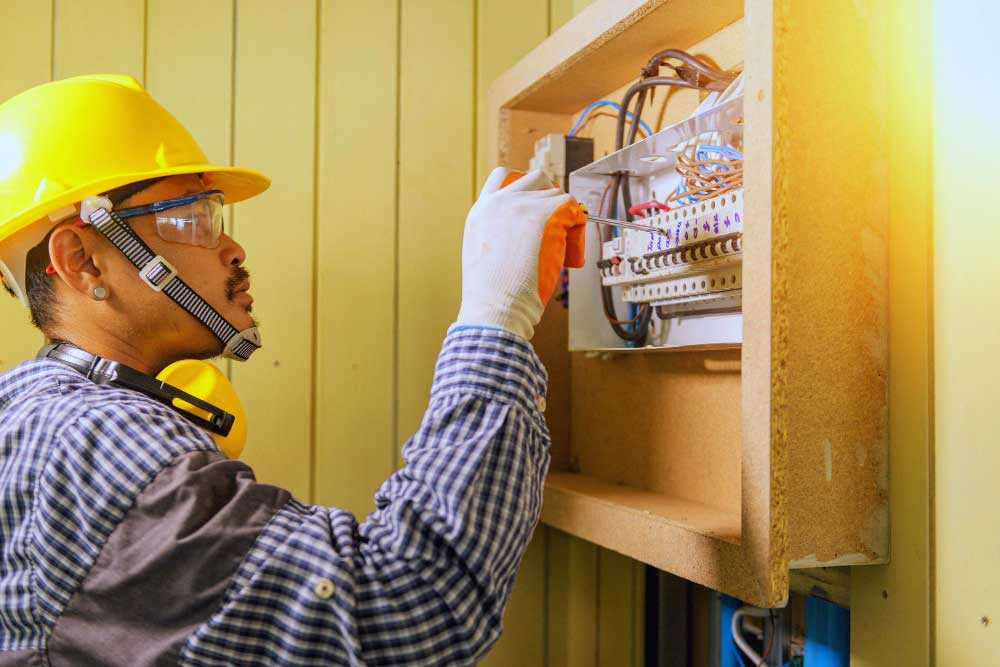
Older Atlanta homes weren’t built to handle modern electrical loads. Upgrading a panel or service involves high-voltage work, inspections, and coordination with the utility company.
Mistakes here can lead to fire hazards, failed inspections, or insurance problems. This is not a trial-and-error project.
2. EV Charger Installation
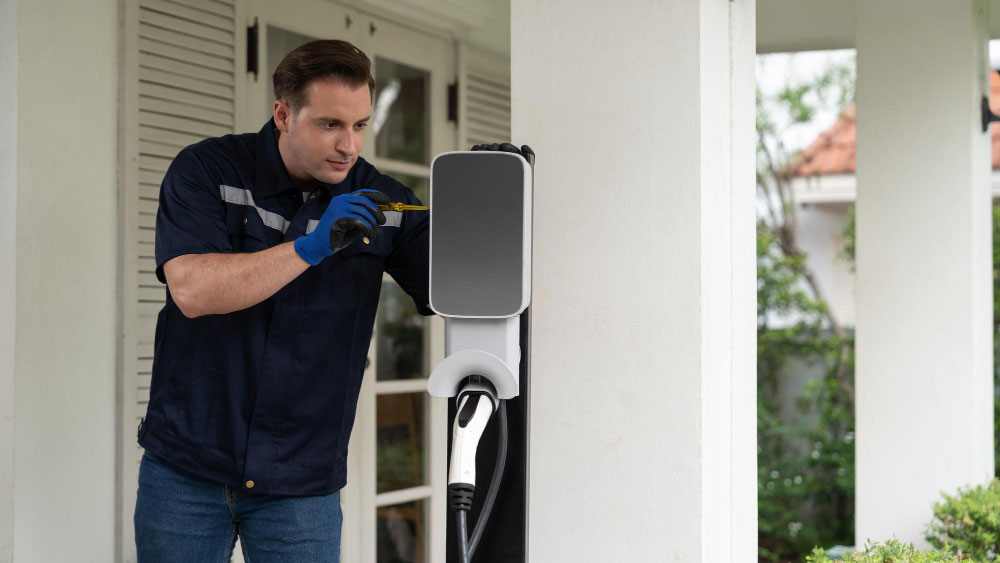
Installing an EV charger isn’t the same as adding a new outlet. Chargers require load calculations, dedicated circuits, and code-compliant grounding.
In Atlanta, improper installs can overload panels or violate electrical code, even if the charger appears to work at first.
3. HVAC Replacement and Refrigerant Handling
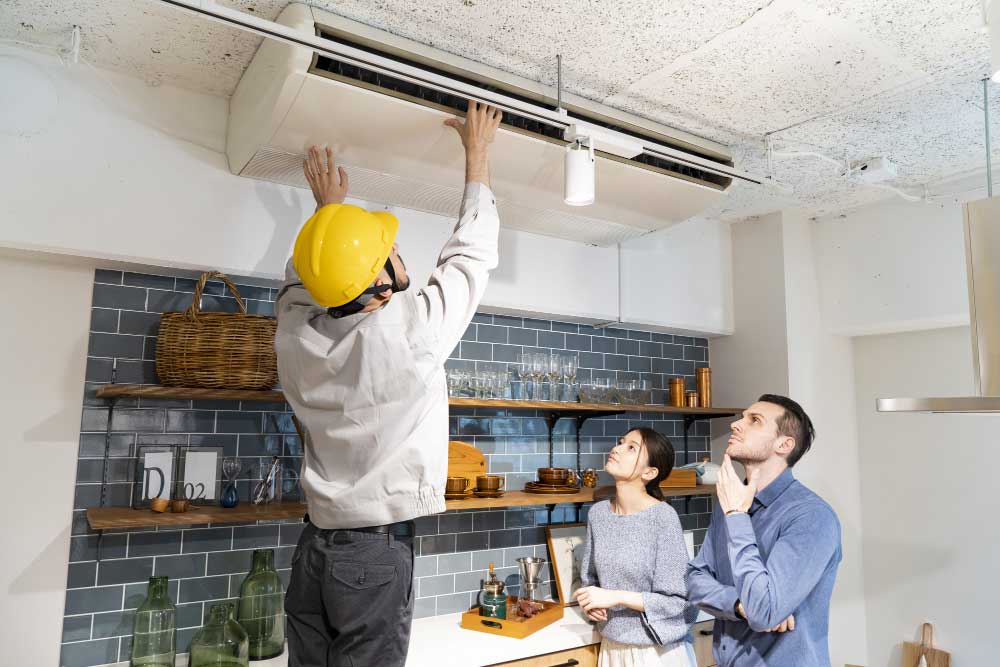
Replacing HVAC is not only about swapping boxes of equipment. HVAC systems must be sized correctly for the local climate, installed according to manufacturer specifications, and charged with refrigerant legally.
Handling refrigerants without certification can cause health risks to human health and EPA violations. Even small mistakes can cut the system life or increase energy bills.
If you are making slight mistakes, it can cause fire can lead to fire, failed inspections, or insurance problems. That’s why many electrical professionals spend years to learn electrical systems before start doing their work, and why, if you’re interested in the field, it makes sense to start your skilled trades training before taking on jobs like this.
4. Upgrading Pool and Spa Wiring
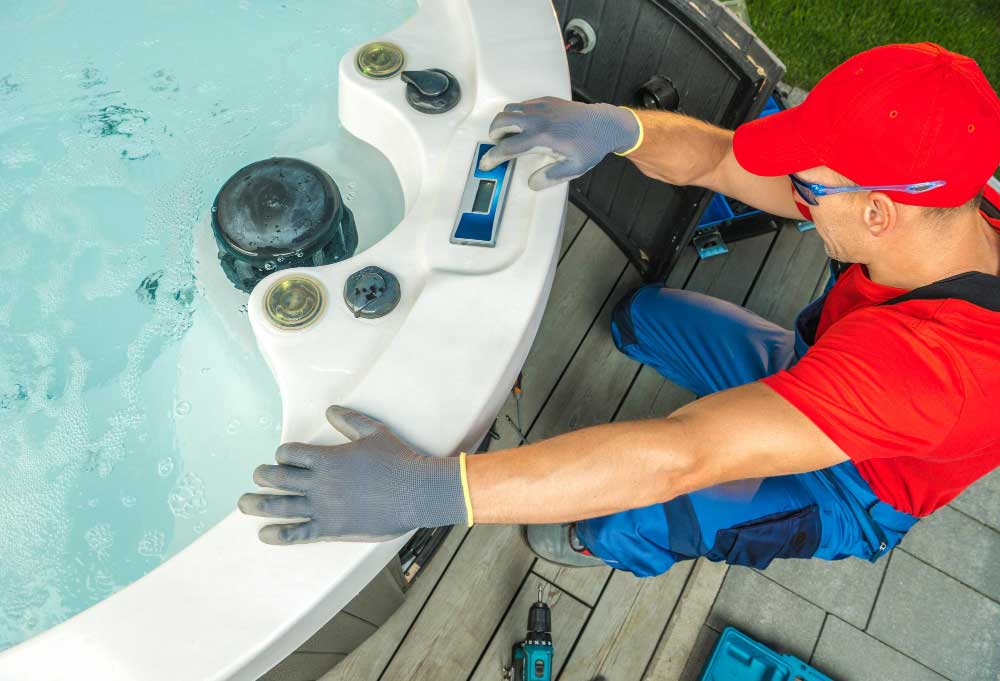
Pools and spas both combine water and electricity, which means zero margin for error. Bonding, grounding, and GFCI protection must be done with precision.
Faulty wiring can create shock risks that aren’t obvious until someone gets hurt. This is one of the most regulated electrical jobs in a residential area.
5. Gas Appliance Hookups
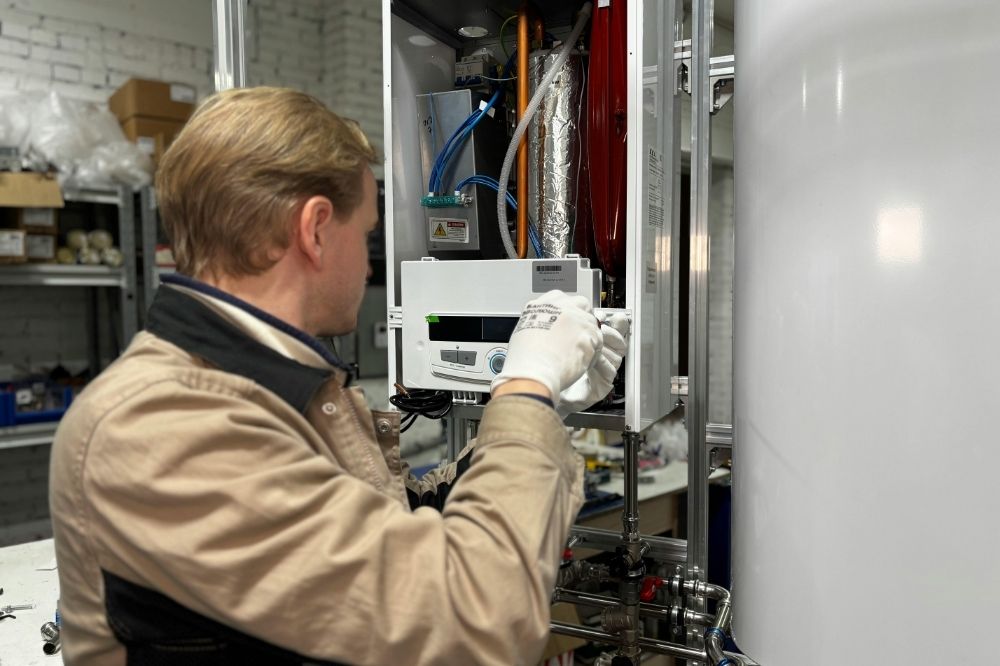
Gas ranges, dryers, and fireplaces need precise connections and pressure testing. If there is loose fitting or wrong valve, it can cause leakage or carbon monoxide problems.
Atlanta codes require permits and inspections for gas work, making professional licensed installation is the safest option.
6. Structural Steel Railings
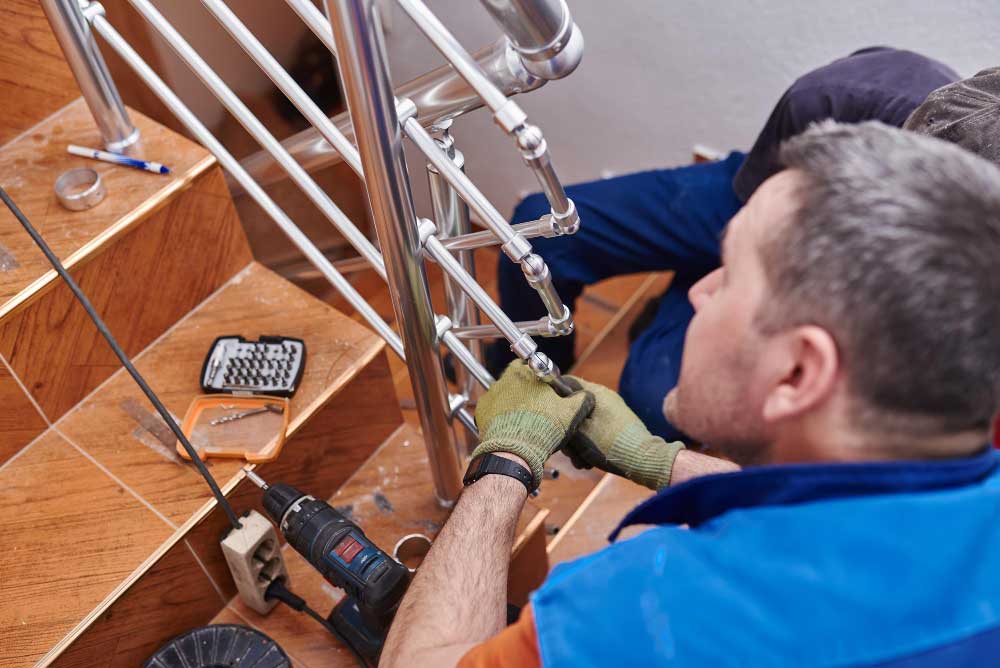
Steel railings may look decorative, but they’re structural elements. They must meet load requirements, attachment standards, and welding specifications.
Poorly fabricated or installed railings fail inspections and create fall risks. Professional welders understand how structure and safety intersect.
7. Load-Bearing Wall Changes
Removing or altering a wall without confirming whether it’s load-bearing can compromise the entire home. Structural failures don’t always show up immediately.
Licensed contractors and engineers evaluate loads, design supports, and pull permits. Guessing can turn a cosmetic change into major damage.
8. Whole-Home Surge Protection
Surge protection involves more than plugging in a strip. Whole-home systems tie directly into the main electrical panel and must be installed correctly to work.
Improper installation can leave a home unprotected or damage sensitive electronics. Licensed electricians know how to integrate these systems safely.
Why Training Matters for These Jobs
Projects involving electricity, gas, HVAC systems, and structural steel rely on formal training. Licensed professionals are trained to follow codes, read plans, and recognize risks homeowners don’t see, especially when work intersects with private home design and custom layouts.
That training starts in structured environments where safety and precision are non-negotiable. Skilled trades education in welding, HVAC, and electrical work lays the groundwork for doing these jobs correctly the first time.
Smarter DIY Alternatives That Still Add Value
Not every home improvement needs a pro. Safe DIY projects often include:
- Painting and surface prep
- Fixture replacements without wiring changes
- Basic landscaping
- Shelving and non-structural carpentry
Knowing where DIY stops is just as important as knowing where it starts.
Making the Right Call for Your Atlanta Home
These eight home projects Atlanta owners should not DIY all share one thing: the risks outweigh the savings. Licensed professionals bring training, permits, inspections, and accountability that YouTube tutorials don’t.
If you’re planning a major home upgrade and want it done safely, learning more about skilled trades training and professional standards in Atlanta is a smart next step. It helps homeowners choose qualified experts who understand local codes and do the work right.
Also Read: 11 DIY Projects That Will Revolutionize Your Home
FAQs on Home Projects Atlanta
1. Why are Some of House Projects Restricted in Atlanta?
For the safety purpose, Atlanta enforces strict building codes, permit requirements, and doing inspections. Most of the electrical, gas, HVAC, and structural projects require licensed professionals as per the local laws.
2. Why is Pool and Spa Wiring So Strictly Regulated?
Water and electricity create serious havoc. Proper bonding, grounding, and GFCI protection are critical for safety and to meet code requirements.
3. How Can You Make Sure a Contractor is Qualified in Atlanta?
You need to verify their license, insurance, and permit history. Make sure they must know local Atlanta building codes and inspection requirements.
Author & Expert Review
Written By:  Kinjal Mistry | Civil Engineer & Senior Content Writer
| Credentials: B.E. (Dharmsinh Desai University, Nadiad, Gujarat). Experience: Civil Engineer with 9 years of content writing experience, currently writing impactful articles for Gharpedia, part of SDCPL. Expertise: Specializes in writing well-researched content on home improvement, sustainability, building materials, home interior, DIY, and plumbing technology with everyday clarity. Find her on: LinkedIn |
Verified By Expert:  Farhan Shaikh – Senior Manager – Architect, SDCPL | Associate Member – IIA
This article has been reviewed for architectural and interior design accuracy by Farhan Shaikh, Senior Manager – Architect at Sthapati Designers & Consultants Pvt. Ltd. As the lead for all architectural and interior projects at SDCPL and an Associate Member of the Indian Institute of Architects (IIA), he brings hands-on experience in architectural planning, interior design, project coordination, and sustainable strategies. His review ensures the content reflects practical design considerations, industry best practices, and real-world applicability across both architecture and interior spaces.
Find him on : Linkedin