Table of Contents
Quick Summary
- Highlights the most common mistakes people make when using a home sauna
- Covers installation errors like poor location and unsafe flooring
- Explains correct pre-heating, hydration, and session timing
- Discusses why material quality and proper attire matter
- Outlines safe session lengths and the importance of cooling down
- Provides practical cleaning and maintenance advice for longevity
There has also been a phenomenal growth in the wellness sector, which has moved towards using home recovery tools, and the home sauna has become a core area for all health-conscious individuals. The benefits associated with thermal therapy include improved cardiovascular functionality, reduced inflammation, and improved mental clarity. However, moving from using a commercial spa sauna to using a personal sauna involves a process that requires a certain amount of learning, especially for new users. They tend to create safety issues through a number of avoidable mistakes.
In order to make sure that you are getting maximum benefits out of it, it is crucial to be aware of all aspects of installation, functioning, as well as maintenance. By reading differently, one can learn about everything associated with it. This particular advice section will focus on mistakes committed by households using saunas at home.
1. Incorrect Location and Flooring Choices
One of the very first mistakes made is even before the sauna is turned on, which is the wrong location. Most owners would think any corner in the garage or basement would suffice, but actually, a sauna needs proper ventilation and a level, heat-resistant surface.
Putting the sauna on carpet is a fire hazard, but also a hygiene nightmare-highly concentrated amounts of sweat will inevitably soak into the fibers, creating mold and odors. On the other hand, poor drainage from placing an outdoor sauna in the wrong spot can easily result in wood rot at the bottom of the structure.
How to Avoid It: Always install your sauna on a non-permeable surface like tile, concrete, or special sauna flooring. If installing indoors, ensure the room has adequate airflow to prevent moisture build-up on your home’s drywall, and consider reviewing trusted home sauna resources for best practices. If installing outdoors, make sure the unit is rated for exterior use and sits on a raised foundation or a concrete pad.
2. Neglecting the Pre-Heating Process
Impatience might also result in suboptimal results. The idea is that everyone would enter the sauna as soon as they could feel it had warmed up, rather than waiting for the optimal temperature to be achieved. Infrared sauna users could have waited until the emitters began operating, reaching a stable air temperature.
If the person comes too early, this ensures that the work-out duration is shorter, as the person gets restless before the sweating phase.
Then, how can you avoid this? Well, you have to ensure your sauna can warm up inside for at least 20 to 30 minutes before use. This will give you enough time to hydrate your body and prepare your mind before the relaxing experience. This will cause your body to initiate the detoxification and vasodilation processes as soon as you step inside your sauna.
3. Poor Hydration and Nutrition Timing
Thinking of a sauna experience as just a time to have a seat and not as a physiological process can be hazardous and manifest as dizziness or “sauna hangover.” The main causative or obvious factor to be considered is dehydration, but common to many is rushing to a sauna hotbox or session right after consuming an actual meal. When a person is eating, their blood supply goes to the digestive tract, and during sauna activity, its supply goes to the skin to cool down because of sweating.
Drink at least 16 oz of water before entering the workout area, or keep a glass of water with you. Do not eat heavy food for at least 1-2 hours before the workout session. If you feel dizzy, get out of the workout area instantly and cool down.
4. Overlooking Quality in Materials and Design
One reason why people go for cheaper sauna models is that they would like to save costs. In most cheaper sauna models, the components used in the manufacturing process will entail the use of treated wood and adhesives that will result in the production of VOCs (Volatile Organic Compounds), which will hinder the sauna treatment process since you will be ingesting those products during the heating process. In most cheaper models, the design put in place in respect to heaters will be inappropriate; hence, those saunas will have areas referred to as “cold spots,” which lack heat distribution from the sauna heater.
Spending money on a good sauna is an assurance that you are getting the safest design possible as well as the healthiest physiological effects. A high-quality sauna is typically made from non-toxic materials, set at correct and safe physiological health levels for humans, and often reflects the standards found in doctor-designed saunas.
The best guide towards identifying the wood type used in a sauna would be to rely on the manufacturer, who would be using Hemlock and Cedar wood, which are considered the standards used for sauna wood. Additionally, search for a manufacturer that uses water adhesives or fasteners so that a sauna is assembled without using chemicals. Finally, check if EMF safety levels are a consideration.
5. Wearing the Wrong Attire (or Too Much of It)
Newcomers will also think that there is a need to don gym clothes or towels in the sauna. This is wrong since it will serve as an insulation layer, thereby preventing the heat from reaching the skin. This will cause irritation of the skin while the evaporation method of cooling will also be impaired.
How to Prevent It: The best way to sauna is wearing as little as possible, typically a cotton towel or swimwear. Always sit on a towel, as your body oils and salt from your sweat can stain and rot the sauna wood.
6. Improper Cleaning and Wood Maintenance
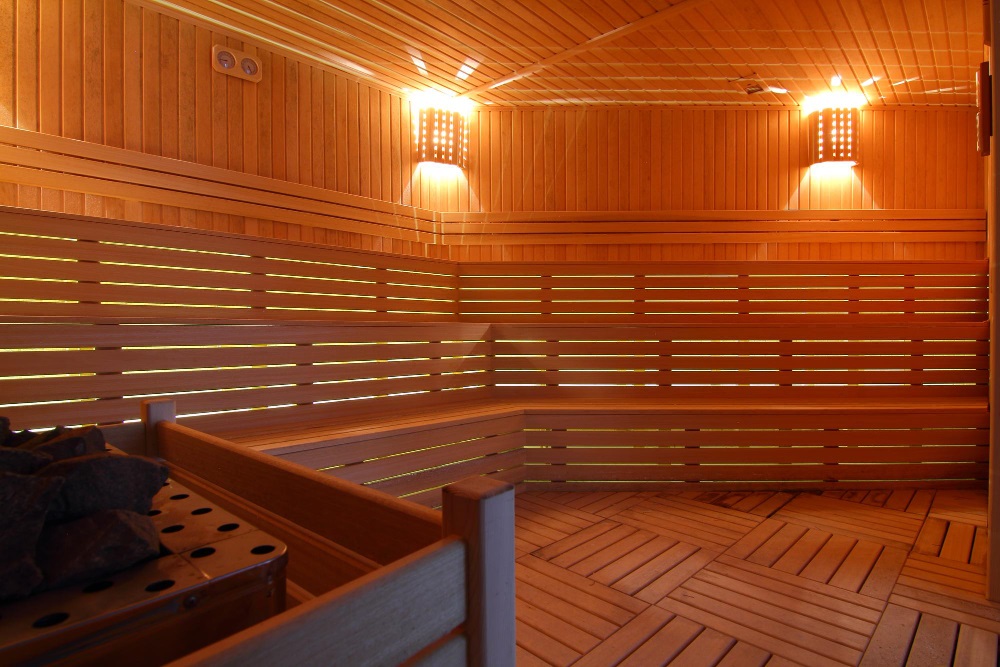
Sauna is also a natural, organic growth environment. With high levels of moisture in the form of sweat and high temperature, conditions are favorable for the growth of bacteria, unless the sauna is cleaned accordingly.
Quickly utilized chemical cleaners, as well as pressure washing, are common errors due to wood being subjected to chemical cleaners, which will give a toxic gas byproduct as Sauna is utilized at a high temperature some other time in the future.
To avoid such occurrences, it is recommended that you leave the sauna door slightly ajar after you are done using it to assist in drying it. In addition, you can clean it with a special sauna cleaner or just bicarbonate of soda and water to clean the chairs every week, but never apply any coat of paint inside the sauna since the wood needs to be able to breathe in order to properly handle high temperatures and humidity.
7. Staying in Too Long
The fitness culture’s ‘more is better’ mentality can also include sauna usage. Severe electrolyte loss and overtaxed heart conditions may be caused when spending as much as 45 to 60 minutes in a sauna during sunny weather. The benefits derived from using a sauna also follow a U-Shaped Curve since there is a ‘sweet spot’ beyond which the associated dangers will surpass such benefits.
The longer you can withstand the heat, the more gradually you should extend the duration of your exposure from 10 to 15 minutes to 20 to 30 minutes. Notice your body and head out if you experience “air hunger” or if your heart pounds.
8. Forgetting the Cool-Down Period
After you exit the sauna, you must recall that the aftermath of the sauna experience does not end at this juncture. Among the most common mistakes made after utilizing a sauna is taking a hot shower or going back to a highly stressful activity right after. Your body undergoes a shock change from the sauna experience to either of these two scenarios, which negates all the beneficial effects of the parasympathetic nervous system (rest and digest function), which occurs during your time within the sauna.
To avoid this error, it is recommended that you give your body sufficient time to cool down, ranging from five to ten minutes, without taking a shower. It is normally advised that you take a shower with lukewarm or cool water to wash away the toxins, which have been eliminated through sweat. The body should gradually cool down from hot to cold.
Final Thoughts
Every time you purchase a home sauna, you are making a commitment to yourself or family members that you are about to change for the better, as a home sauna is an investment that ensures the overall wellness of those who will be using it for many years to come.
The only way for this investment not to turn against you is if you avoid the most common mistakes that men experience when dealing with a home sauna, or else you might end up sabotaging the overall benefits that this investment has to offer you, which is never what you are looking for. A well-used home sauna acts as a relaxation paradise for you, where you will be able to enjoy an expert-level wellness experience right in the comfort of your private home.
Also Read: The Ultimate Guide to a Healthier Home Environment
FAQs – Home Sauna Mistakes
1. How long should a beginner stay in a home sauna?
Beginners should start with 10 to 15 minutes and gradually increase as their heat tolerance improves.
2. Is it safe to use a home sauna every day?
Yes, daily use can be safe for healthy individuals if sessions are kept within recommended limits and hydration is maintained.
3. What is the best surface to place a home sauna on?
Non-porous surfaces like concrete, tile, or purpose-built sauna flooring are the safest and most hygienic options.
4. Should I shower immediately after using a sauna?
It is best to cool down naturally for a few minutes before taking a lukewarm or cool shower.
5. How often should a home sauna be cleaned?
Light cleaning should be done weekly, with proper drying after each use to prevent bacteria and odours.