Table of Contents
Summary
- Owning a house comes with a set of responsibilities, including regular maintenance.
- Regular maintenance is a constant battle of balancing maintenance needs with financial realities.
- Understand how homeowners balance funding with necessary improvements.
- First, conduct routine assessments both inside and outside the home to identify irregularities and estimate maintenance costs.
- Opt for home improvements that bring long-term value.
- Large projects require more capital. Learn how to finance these substantial improvements.
- Choose the right funding path that matches the scope and urgency of the project.
- Home exteriors should be considered just as important as interiors.
- Take preventive measures to protect both indoors and outdoors. This will reduce future repair costs.
- Lastly, learn to make maintenance decisions that consider long-term outcomes, such as improved resale value.
Owning a home is a long-term commitment that extends well beyond the purchase itself. Homeowners are tied to responsibilities of upkeep, from structural wear to outdoor damage, at regular intervals. This creates a financial concern because maintenance is not cheap. Homeowners are constantly balancing maintenance needs with financial realities. In this blog, Gharpedia shares tips on how homeowners can plan upgrades and prevent costly property damage. It will help homeowners think proactively, plan upgrades carefully, choose strategic financing, and simultaneously protect their homes from damage.
This guide focuses on both sides of the equation: funding necessary improvements and safeguarding their property from common but costly risks. Whether you are planning interior renovations, addressing aging systems, or protecting your yard and landscaping, thoughtful decisions you make today will impact your house’s value in future.
Understanding the True Cost of Home Maintenance
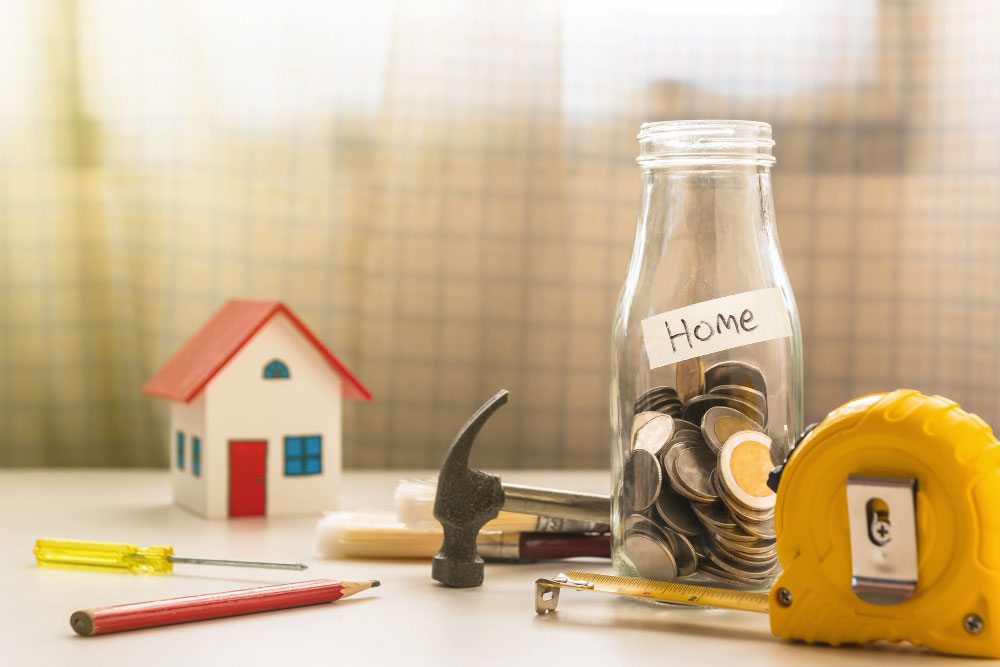
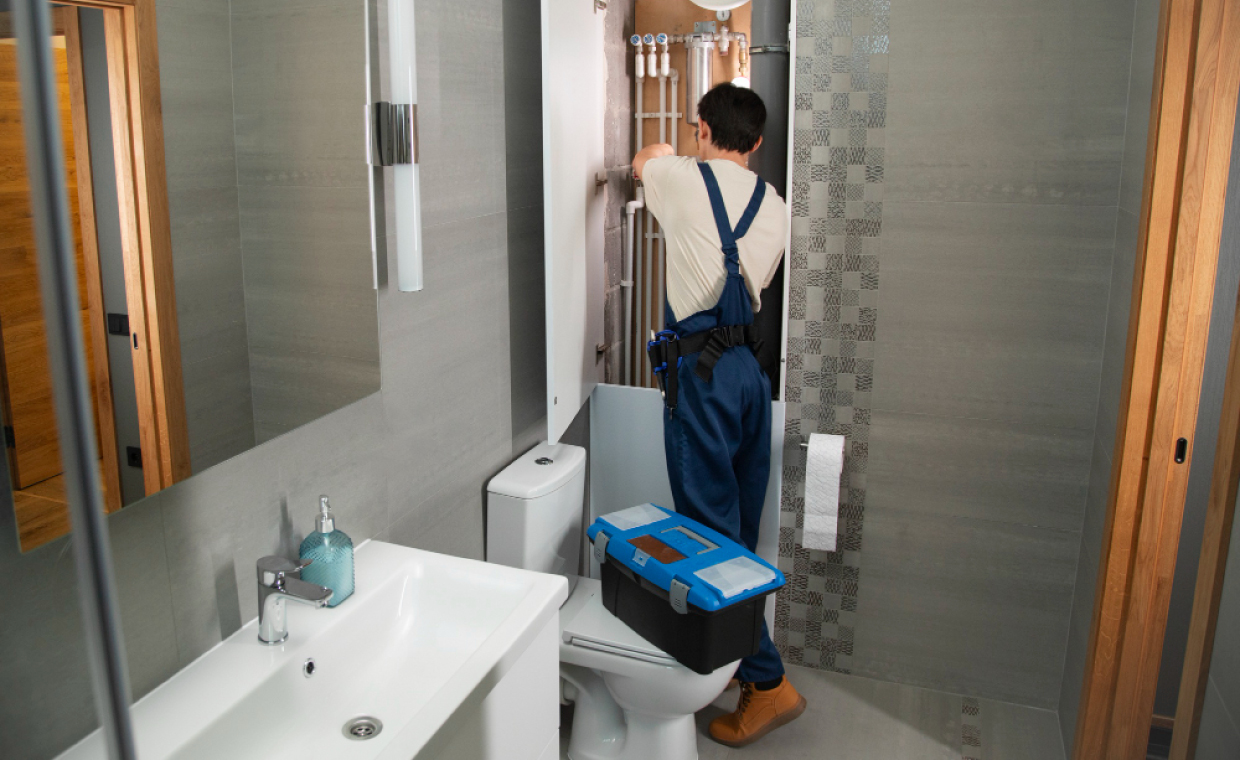
Home maintenance costs are rarely isolated expenses. A leaking roof can lead to interior damage, while neglected landscaping can undermine fencing, foundations, or drainage systems. Many homeowners underestimate how interconnected these issues are, which results in overspending.
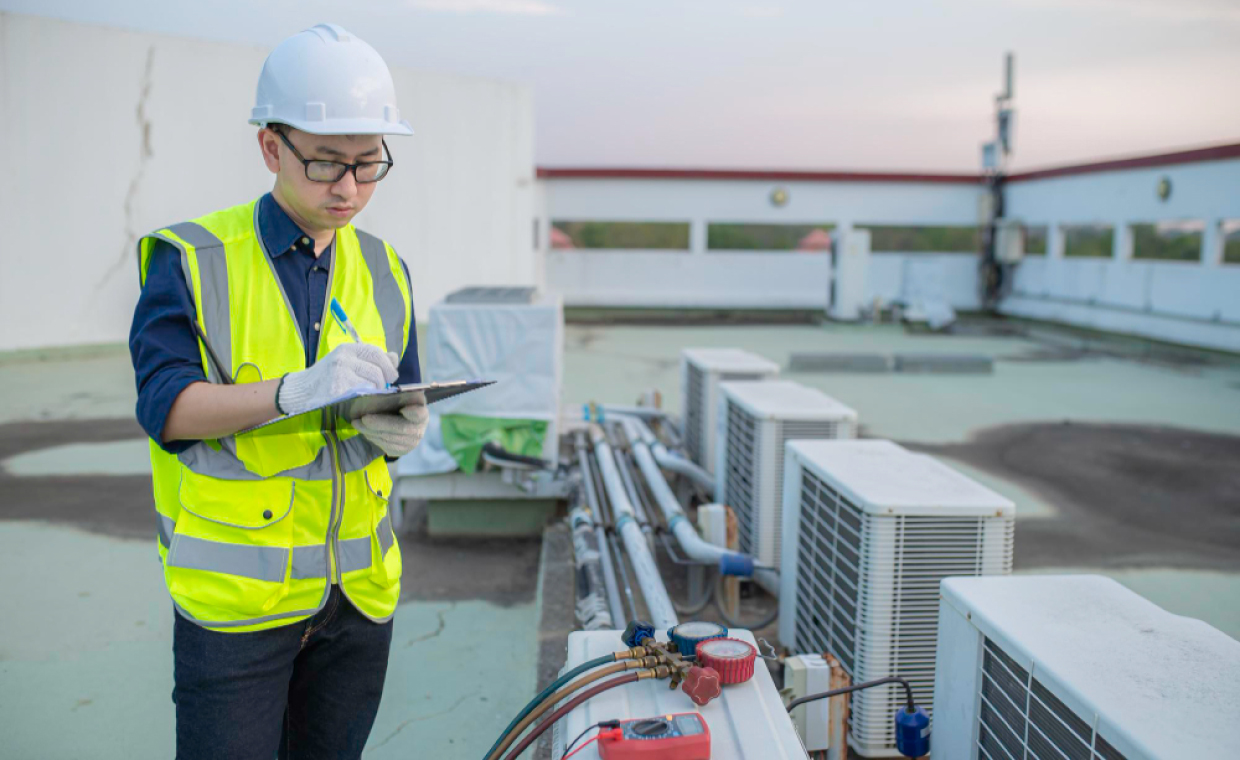
Routine assessments, both interior and exterior of a house will help you to identify emerging problems early. When homeowners understand which upgrades are urgent versus which can be phased over time, they gain better control over their budgets and avoid emergency repairs that strain finances.
Planning Home Improvements With Long-Term Value in Mind
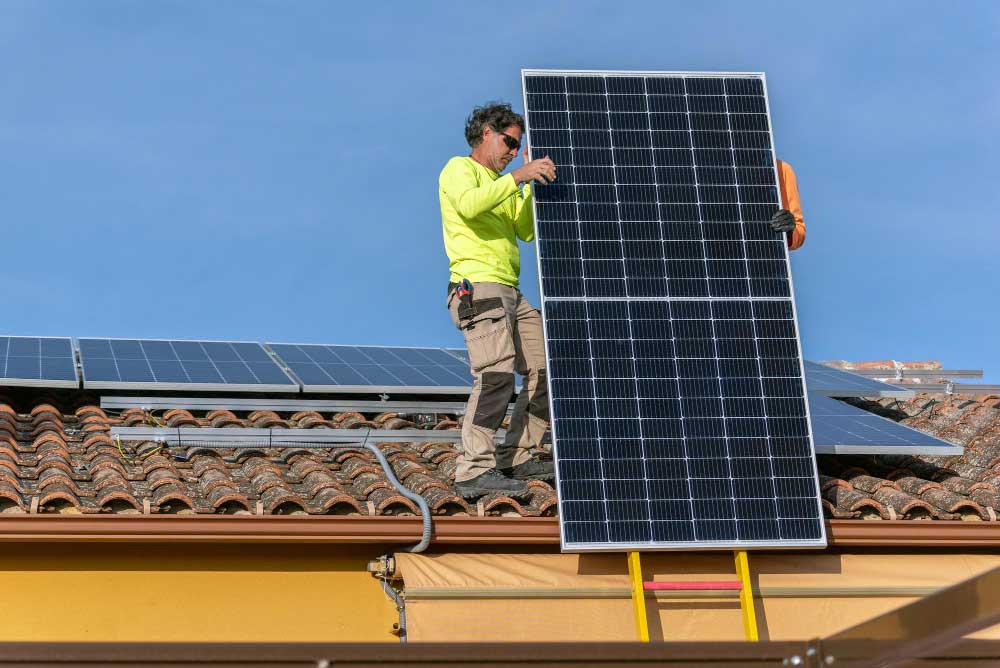
Home upgrades can either be value adding or purely cosmetic changes. Structural repairs, energy efficiency improvements, and safety‑related projects tend to protect value more effectively than purely cosmetic changes. So always plan upgrades around durability and performance that often results in lower maintenance costs over the life of the home.
Having a home improvement plan in priority allows homeowners to align projects with financial readiness. Instead of delaying essential work due to funding concerns, a structured home improvement plan provides clarity on timing, scope, and affordability.
Financing Major Repairs Without Overextending Your Budget
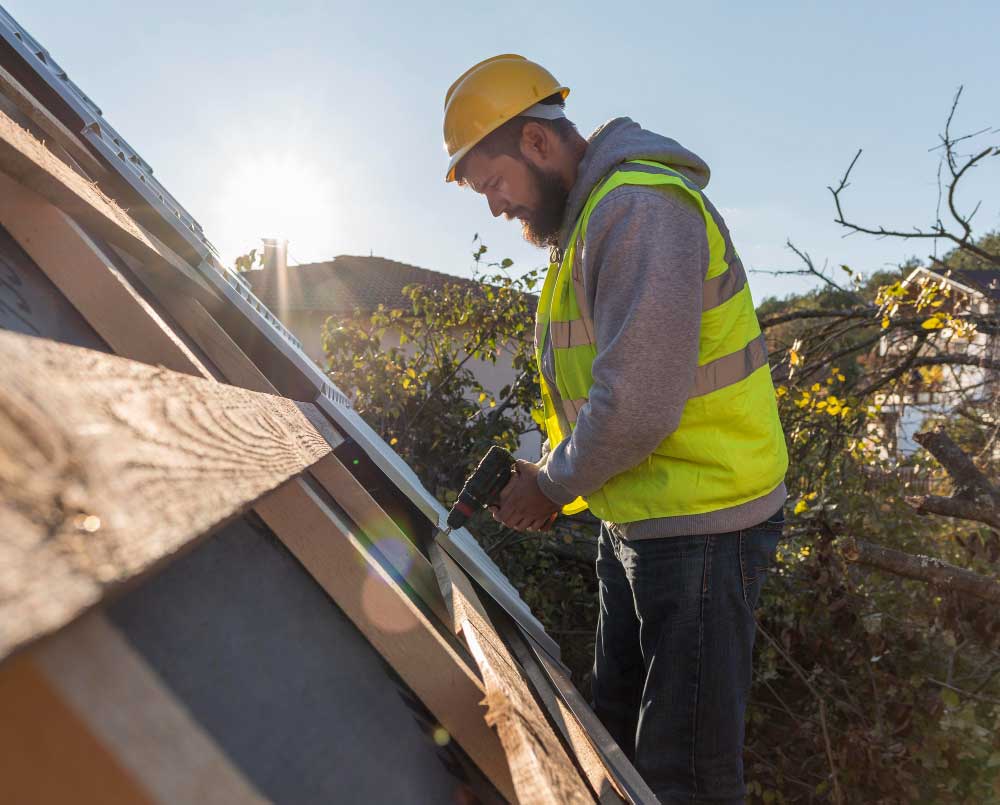
Large projects, such as roof replacements, plumbing overhauls, or foundation repairs, often require more capital than homeowners have readily available. In these cases, refinancing or restructuring an existing mortgage can provide access to funds while keeping payments manageable.
Understanding VA cash-out refinance guidelines can be especially helpful for eligible homeowners who want to use existing equity to fund substantial improvements. When used strategically, refinancing can consolidate costs into a predictable monthly payment rather than relying on high‑interest short‑term credit.
Choosing the Right Funding Path for Your Situation
Every financing option carries trade‑offs. Some homeowners prioritize lower monthly payments, while others focus on minimizing total interest paid over time. The key is matching the funding method to the scope and urgency of the project.
Before moving forward, homeowners should consider how long they plan to stay in the property, how the improvement will affect resale value, and whether the upgrade reduces future maintenance or utility expenses. A well‑matched financing approach supports long‑term stability rather than short‑term relief.
Protecting Outdoor Spaces as Part of Property Maintenance

Exterior areas are often overlooked in maintenance planning, yet they play a critical role in preserving property value. Landscaping damage, soil erosion, and fencing issues can all affect curb appeal and structural integrity if left unaddressed.
Wildlife intrusion is a particularly common challenge for homeowners with gardens, lawns, or wooded surroundings. Learning how to keep deer out of your yard can prevent repeated damage to plants, fencing, and irrigation systems, saving time, money, and frustration over the long term.
Preventive Measures That Reduce Future Repair Costs
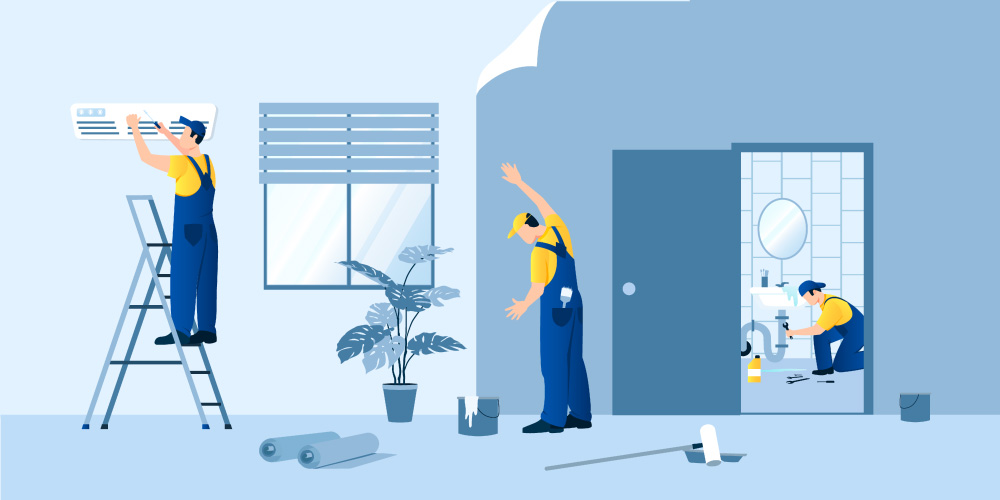
Preventive maintenance consistently costs less than reactive repair. Simple measures such as reinforcing fencing, managing drainage, and maintaining vegetation boundaries can protect both outdoor spaces and nearby structures.
Homeowners who integrate outdoor protection into their broader maintenance strategy often avoid cascading issues that start in the yard and migrate toward the home itself. Prevention is not only about aesthetics, it is a practical financial decision.
Coordinating Indoor Upgrades With Exterior Protection
The most effective home maintenance plans consider the property as a whole. For example, upgrading interior systems while ignoring exterior vulnerabilities can limit the overall benefit of the investment. A renovated interior loses value if outdoor damage undermines usability or visual appeal.
Coordinating indoor and outdoor improvements allows homeowners to stage projects logically. This approach reduces duplication of effort, minimizes disruption, and ensures that improvements reinforce one another rather than compete for resources.
Making Maintenance Decisions That Support Resale Value
Even homeowners who do not plan to sell soon benefit from thinking like future buyers. Consistent maintenance, documented upgrades, and visible property protection measures signal care and reliability, qualities that directly influence perceived value.
When maintenance decisions are guided by long‑term outcomes rather than short‑term convenience, homeowners create a property that is easier to maintain, more resilient to damage, and more attractive in the marketplace.
Final Thoughts: A Balanced Approach to Home-ownership
Smart home-ownership is rarely about a single decision. It is the result of coordinated choices, planning upgrades carefully, funding them responsibly, and protecting the property from avoidable damage. By taking a proactive, whole‑property approach, homeowners can manage costs more effectively while preserving comfort, function, and value.
With thoughtful planning and informed decision‑making, home maintenance becomes less about reacting to problems and more about building long‑term stability.
Also Read: Which Home Upgrades Will Add the Most Value?
FAQs on How Homeowners Plan Upgrades
01. How to determine the true costs of home maintenance?
Routine assessments help identify emerging problems. Listing them and estimating their maintenance costs will help determine the overall home maintenance budget.
02. What are long-term improvements?
Improvements that enhance your property – such as structural repairs, energy-efficient upgrades, and safety-related projects – are considered long-term improvements.
03. How to finance major repair works?
Refinancing or restructuring an existing mortgage can provide the required funds.
04. Is it important to carry out interior and exterior maintenance simultaneously?
Yes, exterior maintenance should not be ignored. In fact, a renovated interior can lose value if outdoor damage undermines the property’s visual appeal.
05. Can maintenance decisions support resale value?
Yes, consistent maintenance, regular upgrades, and visible property protection measures directly improves resale value.
Author & Expert Review
Written By:  Nidhi Patel | Civil Engineer & Content Writer
| Credentials: B.E. (Mahatma Gandhi Institute of Technical Education and Research Centre), Registered with Gujarat Technological University (GTU). Experience: Civil Engineer with 3+ years of content writing experience, currently writing blogs for Gharpedia, part of SDCPL. Expertise: Specializing in SEO-optimized blogs and long-form articles focused on home improvement, construction, interiors and architect topics. I create well-researched, reader-focused content that balances technical accuracy with clarity, making complex subjects easy to understand. Find her on: LinkedIn |
Verified By Expert:  Ravin Desai – Co Founder – Gharpedia | Co Founder – 1 MNT | Director – SDCPL
This article has been reviewed for technical accuracy by Ravin Desai, Co-Founder of Gharpedia and Director at Sthapati Designers & Consultants Pvt. Ltd. With a B.Tech. in Civil Engineering from VNIT Nagpur and an M.S. in Civil Engineering from Clemson University, USA, and over a decade of international and Indian experience in the construction and design consultancy sector, he ensures all technical content aligns with industry standards and best practices.
Find him on: LinkedIn