Table of Contents
Quick Summary
- Most homes lose significant energy due to gaps, cracks, outdated materials, and poor insulation.
- Small structural changes can cut energy costs by up to 25%.
- Upgrading and improving existing openings reduces heat loss and unwanted heat gain.
- The building envelope – through proper sealing and insulation—accounts for 30% or more of heating and cooling costs.
- HVAC systems can be improved by sealing and insulating air ducts, installing a smart thermostat, and zoning rooms.
- Small changes such as switching to LED lighting, installing low-flow fixtures, and using programmable power strips can significantly improve home energy efficiency.
- Landscaping and reflective roofing help reduce cooling loads.
- These small structural changes boost comfort, lower utility costs, and enhance long-term home value.
Looking for improving the energy efficiency of your home with small changes? You are not alone. Homes and buildings account for nearly 40% of total energy use in the U.S., and a surprising amount of that energy slips through cracks, outdated materials, and poor insulation. For the average homeowner, that often translates to $200 to $400 lost every year – money quietly disappearing because a house isn’t performing the way it should.
The scale of the issue is bigger than most people realize. Around 90% of single-family homes in the U.S. lack adequate insulation, which means heating and cooling systems work harder than necessary just to maintain a comfortable temperature. Over time, that strain shows up in higher utility bills and inconsistent indoor comfort.
The encouraging part? You don’t need a full renovation to see meaningful results. Small, strategic structural upgrades can deliver noticeable savings and better performance. In this guide, you’ll discover practical, budget-friendly ideas – from smarter window improvements to targeted insulation fixes – that can cut energy costs by up to 25% while making your home more comfortable in every season.
Window and Door Improvements for Better Efficiency
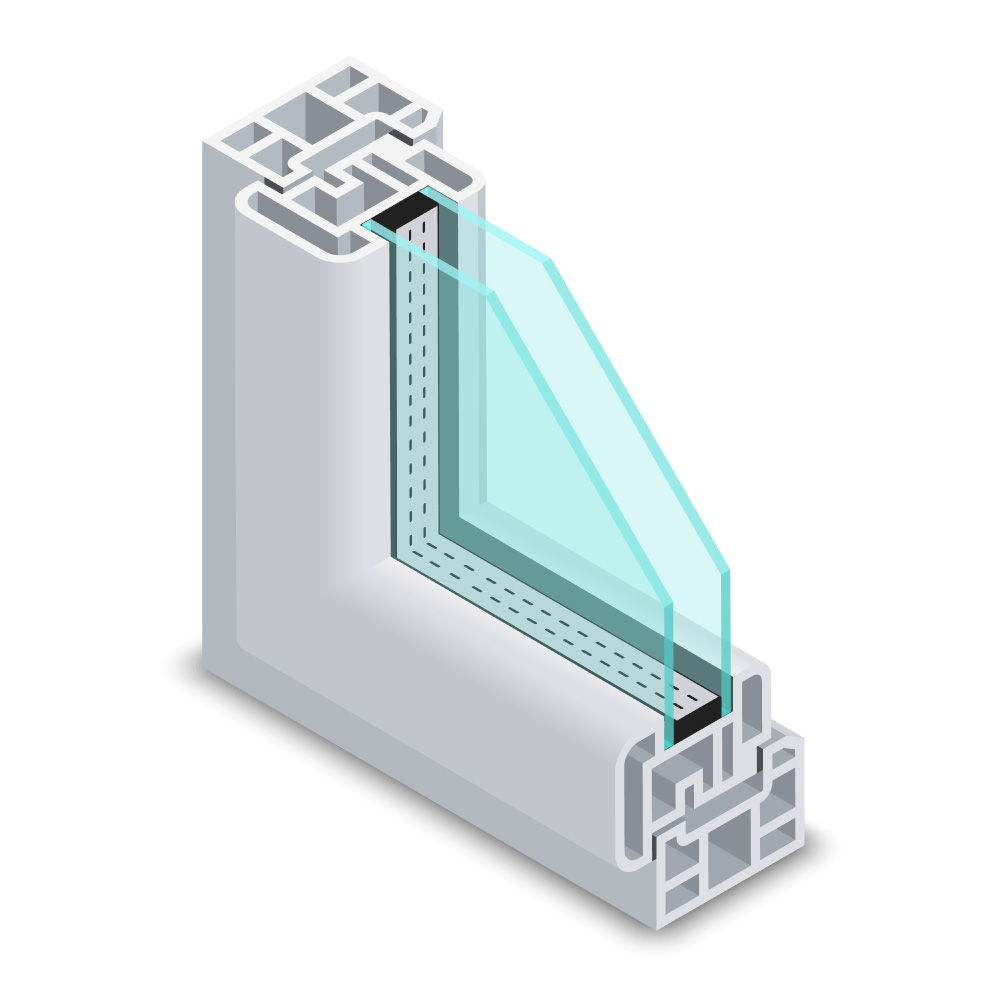
The biggest thermal weak points in any home are its doors and windows. Heat gain and heat loss through windows account for 25% to 30% of residential heating and cooling energy use. Tackling these areas first delivers measurable results.
Replace Single-Pane Windows with Energy-Efficient Models
Older single-pane windows perform far worse than most homeowners realize. A single pane can lose up to 20 times more heat than the same area of a properly insulated wall, which means your heating system constantly works overtime just to maintain comfort. Double-glazed windows immediately improve that performance, cutting heat loss in half thanks to the insulating air space sealed between two panes of glass. Many manufacturers enhance this space with argon or krypton gas, which slows heat transfer even further.
Upgrading to ENERGY STAR-certified double-pane windows often leads to noticeable reductions in heating and cooling costs. Low-E coatings reflect infrared heat, keeping warmth inside during winter and blocking excess heat during summer. In colder or more extreme climates, triple-pane models can reduce heat loss by another 30% compared to double-pane options.
For homeowners concerned about upfront costs, window replacement financing makes these upgrades far more accessible. Instead of postponing improvements, families can spread payments over time while immediately benefiting from better insulation, improved comfort, and enhanced curb appeal. Over the long term, energy savings and increased home value can help recover up to 80% of the original investment, making new windows a smart, practical upgrade.
Add Thermal Curtains or Insulated Shades
Well-designed insulated curtains can lower heat loss through windows by as much as 60% for single-glazed windows and 40% to 50% for double-glazed windows. Their thick, layered materials create air pockets that stop drafts and heat transfer.
Cellular shades offer even better performance. These honeycomb-shaped window coverings trap air in their pockets and create superior insulation. Cellular shades that are tightly installed can reduce heat loss through windows by 40% or more, which equals about 10% heating energy savings. They reduce unwanted solar heat by up to 60% during cooling seasons. Cellular shades have the highest R-values of all window coverings and make them the top choice for maximum efficiency.
Install Door Sweeps to Block Drafts
Door sweeps seal the gap between the door’s bottom and threshold. This reduces drafts that force heating and cooling systems to work harder. These strips of vinyl or flexible material mount to the door’s bottom edge with screws or adhesive. They block cold air, insects, dust, and moisture while reducing noise. Installation takes just minutes and requires basic tools.
Think About Awnings for South-Facing Windows
Retractable awnings on south-facing windows can reduce solar heat gain by up to 77%. West-facing windows see reductions of 65% to 77%. This substantially lowers air conditioning demand during summer months. Retract them during winter to allow passive solar heating.
Building Envelope: Sealing and Insulating Your Home
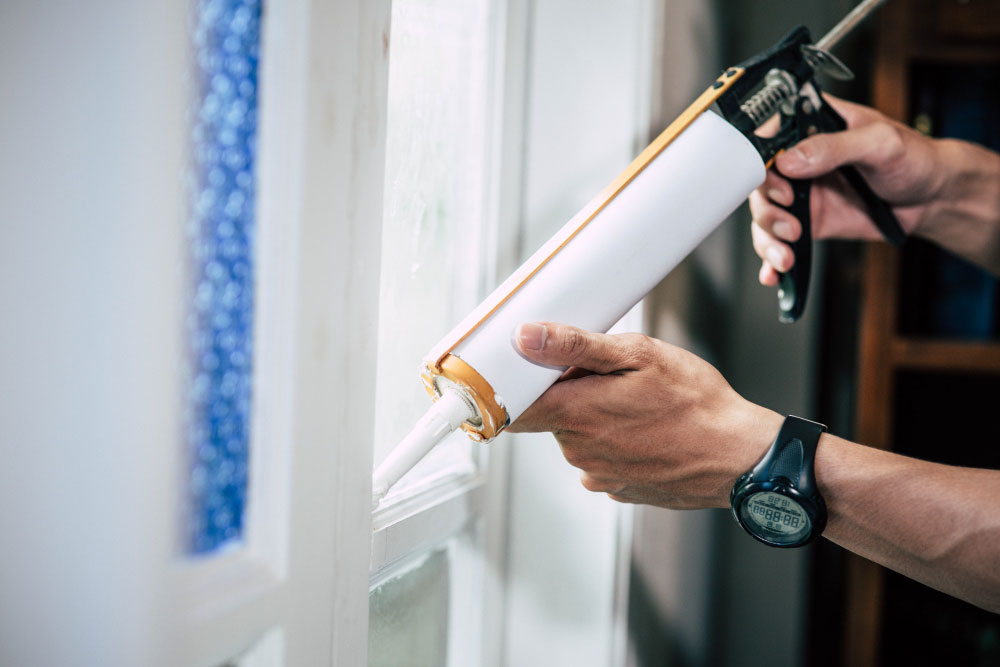
Your home’s building envelope creates the barrier between the conditioned indoor space and outdoor elements. Air leakage through this envelope accounts for 30% or more of heating and cooling costs. This makes sealing and insulation among the most economical home energy improvements you can tackle.
Air Seal Critical Areas First
EPA estimates homeowners can save an average of 15% on heating and cooling costs, or 11% on total energy costs, by air sealing homes and adding insulation in attics, floors over crawl spaces, and basements. Not all gaps contribute equally to air leakage. Sealing the top plate to attic drywall delivers the greatest effect and reduces air changes per hour by up to 1.6 exchanges. Other critical spots include recessed can lights (0.2+ ACH reduction), duct boots where they meet finished surfaces, band joists (0.4 ACH reduction), and the wall between house and garage.
Upgrade Attic and Wall Insulation
Upgrading attic insulation can shave 10 to 20 percent off heating and cooling costs. This translates to $200 to $400 in annual savings. Much of Texas requires homes to have at least R-38 in attic insulation, about 13 to 14 inches of fiberglass or a foot of cellulose. Homes built before the 1980s often measure closer to R-19 or R-30, leaving much room for improvement. Solid wall insulation reduces heat loss and lowers energy bills while reducing condensation risk and minimizing drafts.
Weatherstrip Windows and Doors
Drafty windows and doors can account for up to 40% of heating and cooling costs. Weatherstripping can save up to 20% on these bills. Apply weatherstripping to clean, dry surfaces that exceed 20°F temperatures and ensure tight corners with full contact between surfaces.
Install Storm Doors for Extra Protection
Storm doors can reduce energy loss up to 50 percent. They create an insulating buffer between your main door and outdoor temperatures while protecting against weather damage.
HVAC System Upgrades That Lower Energy Bills
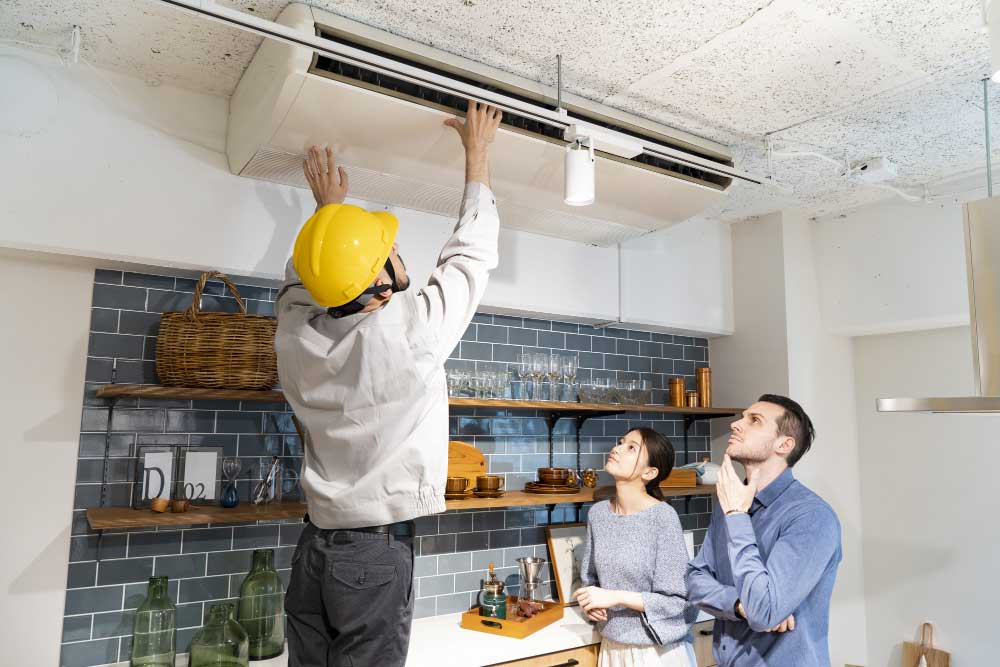
Heating and cooling account for nearly half of the average home’s annual energy bill, exceeding $900 yearly. Targeted upgrades to your HVAC system deliver substantial savings and improve comfort.
Seal and Insulate Air Ducts
About 20 to 30 percent of conditioned air escapes through leaky ducts. Sealing and insulating ducts can improve heating and cooling efficiency by as much as 20 percent. Focus on ducts running through attics, crawlspaces, unheated basements, or garages. Mastic sealant or metal-backed foil tape works best to seal seams and connections. Wrap ducts in insulation after sealing to prevent thermal loss. Energy Star reports that leaky ducts can reduce HVAC efficiency by as much as 20%.
Install a Smart Thermostat
Smart thermostats provide remote control via smartphone apps and learn your temperature priorities automatically. Homes with high heating and cooling bills can save approximately $100 a year with an ENERGY STAR-certified smart thermostat. Features include geofencing to detect departure times and adjust temperatures, plus weather integration that optimizes settings based on outdoor conditions.
Add Zoning to Control Temperature by Room
Zoning systems divide homes into separate areas with individual thermostats. They direct conditioned air only where needed. According to the U.S. Department of Energy, HVAC zoning could lead to a 30% reduction in energy costs. Systems can control up to eight zones and solve problems like hot upstairs/cold downstairs temperature variations common in multi-level homes.
Schedule Annual HVAC Maintenance
Proper maintenance can lead to savings of 5-20% on energy bills. Annual tune-ups include cleaning coils, checking refrigerant levels, and inspecting electrical connections. Preventive care can reduce HVAC system failures by up to 95%.
Upgrade to a Heat Pump System
Modern heat pumps use 65% less energy than conventional heating systems by transferring heat rather than generating it. Ground examples show monthly utility bill reductions of $100-300 after upgrading. The federal Energy Efficient Home Improvement Credit provides a 30% tax credit up to $2,000 for qualifying heat pump installations through 2025.
Small Changes That Add Up to Big Savings
Major system overhauls aren’t the only path to energy savings. Targeted home energy improvements in lighting, fixtures, and landscaping create cumulative savings that rival larger investments.
Switch to LED Lighting Throughout Your Home
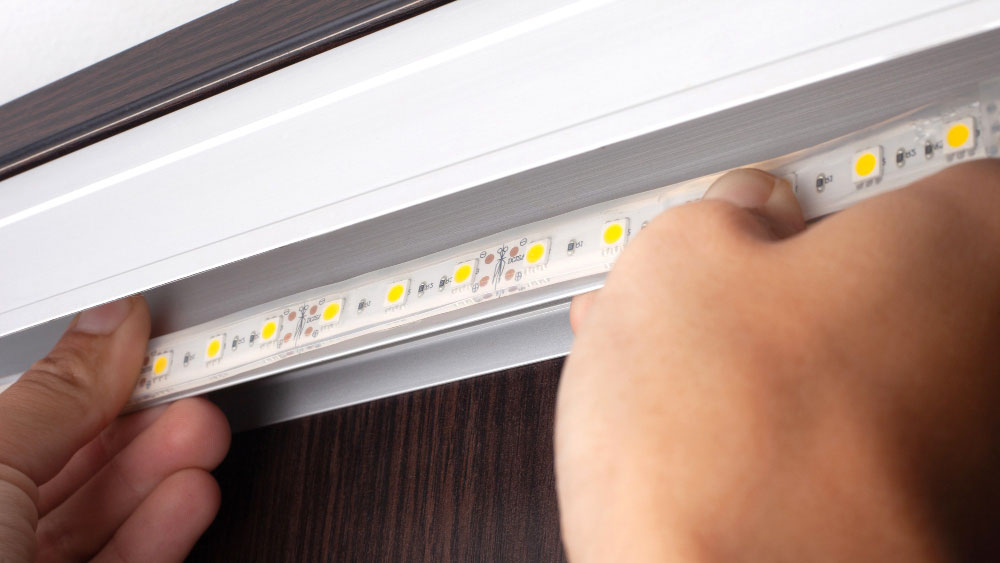
LED bulbs use at least 75% less energy and last up to 25 times longer than incandescent lighting. Replacing your five most-used fixtures can save up to $75 each year. An average household dedicates about 5% of its energy budget to lighting. This swap offers one of the fastest payback periods for energy-efficient home ideas.
Install Low-Flow Fixtures to Reduce Water Heating Costs
Water heating accounts for about 18% of your utility bill. Low-flow fixtures cost $10 to $20 each and achieve water savings of 25% to 60%. A single dripping faucet wastes 1,661 gallons yearly and costs up to $35. Aerators with flow rates no more than 1.0 gpm provide maximum efficiency.
Use Programmable Power Strips
Vampire loads from devices in standby mode add roughly $200 in yearly energy costs for an average home. Smart power strips detect standby mode and cut power without manual intervention. This approach removes the waste completely.
Plant Shade Trees Strategically
Trees placed correctly can reduce air conditioning needs by up to 30%. Shading and evapotranspiration from trees lower surrounding air temperatures as much as 6°F. Plant deciduous trees on the south and west sides for summer cooling while allowing winter sun penetration.
Choose Light-Colored Roofing Material
White roofs reflect 60% to 90% of sunlight and stay up to 50°F cooler than dark roofs. Switching to light-colored roofing can reduce air conditioning costs by 10% to 20% each year.
Conclusion
You now have practical home energy efficiency strategies that deliver measurable results. Simple structural upgrades, from improving insulation to optimizing windows and HVAC systems, can cut utility costs by up to 25% while creating a more consistent, comfortable indoor environment throughout every season. Small adjustments truly add up over time.
Most importantly, energy efficiency improvements reward you long after installation. Start with easy wins like LED lighting and sealing air leaks, then move toward larger upgrades as your budget allows. With a clear plan and steady progress, you lower expenses, boost comfort, and strengthen your home’s long-term value.
Also Read: Energy-Efficient Home Design Strategies for Different Climates
How to Boost Home Energy Efficiency FAQs
01. Do small structural changes really improve energy efficiency of a house?
Yes, even minor upgrades like sealing air leaks, adding insulation, switching to LEDs, etc. can significantly reduce energy loss.
02. Which upgrade gives the fastest return on investment?
Air sealing, LED lighting, and weatherstripping offer quick payback with minimal cost.
03. Is window replacement necessary for energy savings?
Not always. You can also opt for insulated curtains, cellular shades, and weatherstripping to improve energy savings.
04. How often should HVAC systems be maintained?
HVAC systems should be maintained every year.
05. Can small structural changes increase home value?
Yes, energy-efficient homes are more comfortable, cost-effective to run, and attractive to buyers.
Author & Expert Review
Written By:  Nidhi Patel | Civil Engineer & Content Writer
| Credentials: B.E. (Mahatma Gandhi Institute of Technical Education and Research Centre), Registered with Gujarat Technological University (GTU). Experience: Civil Engineer with 3+ years of content writing experience, currently writing blogs for Gharpedia, part of SDCPL. Expertise: Specializing in SEO-optimized blogs and long-form articles focused on home improvement, construction, interiors and architect topics. I create well-researched, reader-focused content that balances technical accuracy with clarity, making complex subjects easy to understand. Find her on: LinkedIn |
Verified By Expert:  Mansi Shah – Architect & Architectural Content Writer, SDCPL | B.Arch.
This article has been reviewed for architectural and interior design accuracy by Mansi Shah, an Architect associated with Sthapati Designers & Consultants Pvt. Ltd. (SDCPL). With over 25 years of professional experience in architectural planning, design development, detailing, and on-site execution of residential, commercial, and institutional projects, she brings deep expertise in architecture and interior planning, material selection, construction practices, and building bylaws. Her review ensures the content reflects practical design principles, interior space efficiency, and industry-aligned architectural standards.
Find him on: LinkedIn