






Table of Contents
Quick Summary
- Bidets help people with limited mobility, improve hygiene, and naturally relieve issues like haemorrhoids and constipation.
- They reduce dependence on toilet paper, offering a cleaner and eco-friendly alternative.
- Two main categories exist: traditional bidets and bidet add-ons.
- Traditional bidets (wall-mount and floor-mount) require separate installation, more space, and a higher cost.
- Bidet add-ons—attachments, handheld sprayers, and bidet seats—fit existing toilets, are affordable, and easier to install.
- The buying guide highlights key factors: material, cost, ease of use, water pressure, comfort, installation, and electrical vs non-electrical features.
- Electric bidet seats offer advanced functions such as heated seats, dryers, adjustable spray, and deodorising.
- Choosing the right bidet depends on budget, space, and preferred features.
Bathroom hygiene has transitioned way beyond toilet paper. More homeowners are switching to bidets for a cleaner, more comfortable, and eco-friendly experience. But with so many options available, from simple attachments to high-tech seats, choosing the right bidet can feel confusing. This guide helps you choose the right bidet for your toilet by explaining every factor you must know before purchasing one.
What is a Bidet?
The dictionary meaning of the word bidet is a low, basin-like bathroom fixture, usually with spigots, used for bathing the genital and perineal areas. In other words, a bidet is a bathroom fixture or attachment that uses a controlled stream of water to clean the genital and anal areas after using the toilet. According to the word counts, 42 million tons of toilet paper are used every year worldwide. But, bidets provide a more hygienic and gentle cleaning experience compared to toilet paper.
In addition to better hygiene, bidets can:
- Reduce toilet paper usage
- Improve comfort, especially for sensitive skin
- Support people with limited mobility
If you are wondering how to choose a bidet for your home, start your research by knowing the different types of bidets.
Types of Bidets
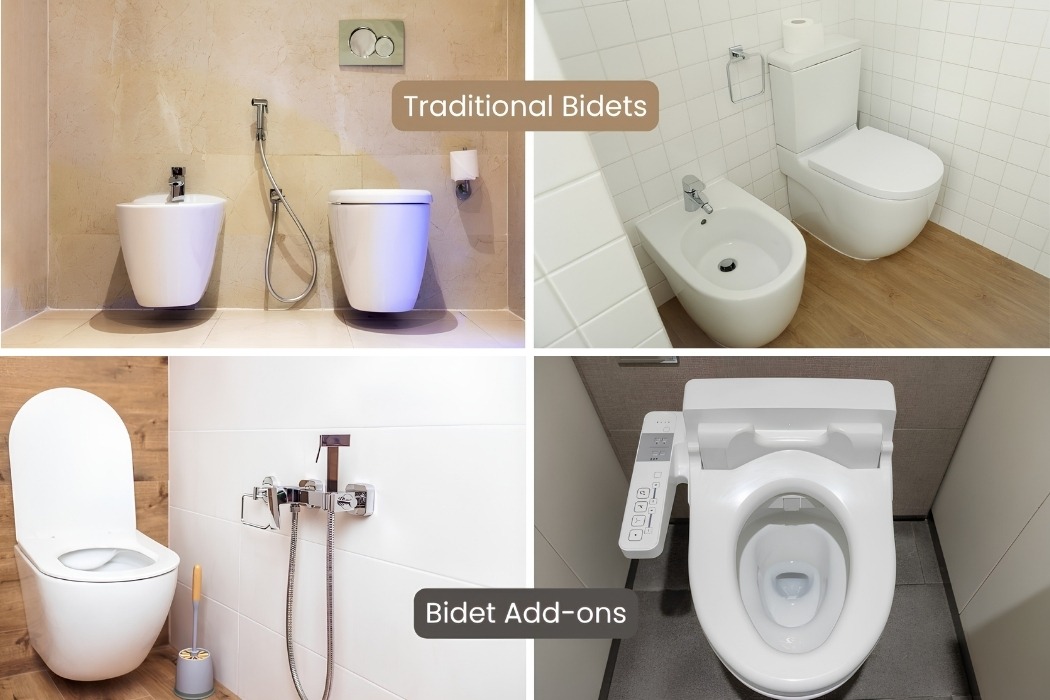
When you choosing a bidet, you’ll notice that they’re of different types of bidets are available. That’s why they’re becoming more popular. Mostly they are slotted into two main categories;
- Traditional Bidets
- Bidet Add-ons
01. Traditional Bidets
Traditional bidets are installed separately from the toilet but just next to it. They resemble toilets, but instead of the bowl and tank, they have a drain and faucet.
Traditional bidets are relatively costly compared to add-on bidets. Besides, they’re also more complex to install and occupy more space. Therefore, before you purchase one, you need to ensure that your bathroom has sufficient room.
Traditional bidets are of two types;
I. Wall-Mount Bidet Toilet
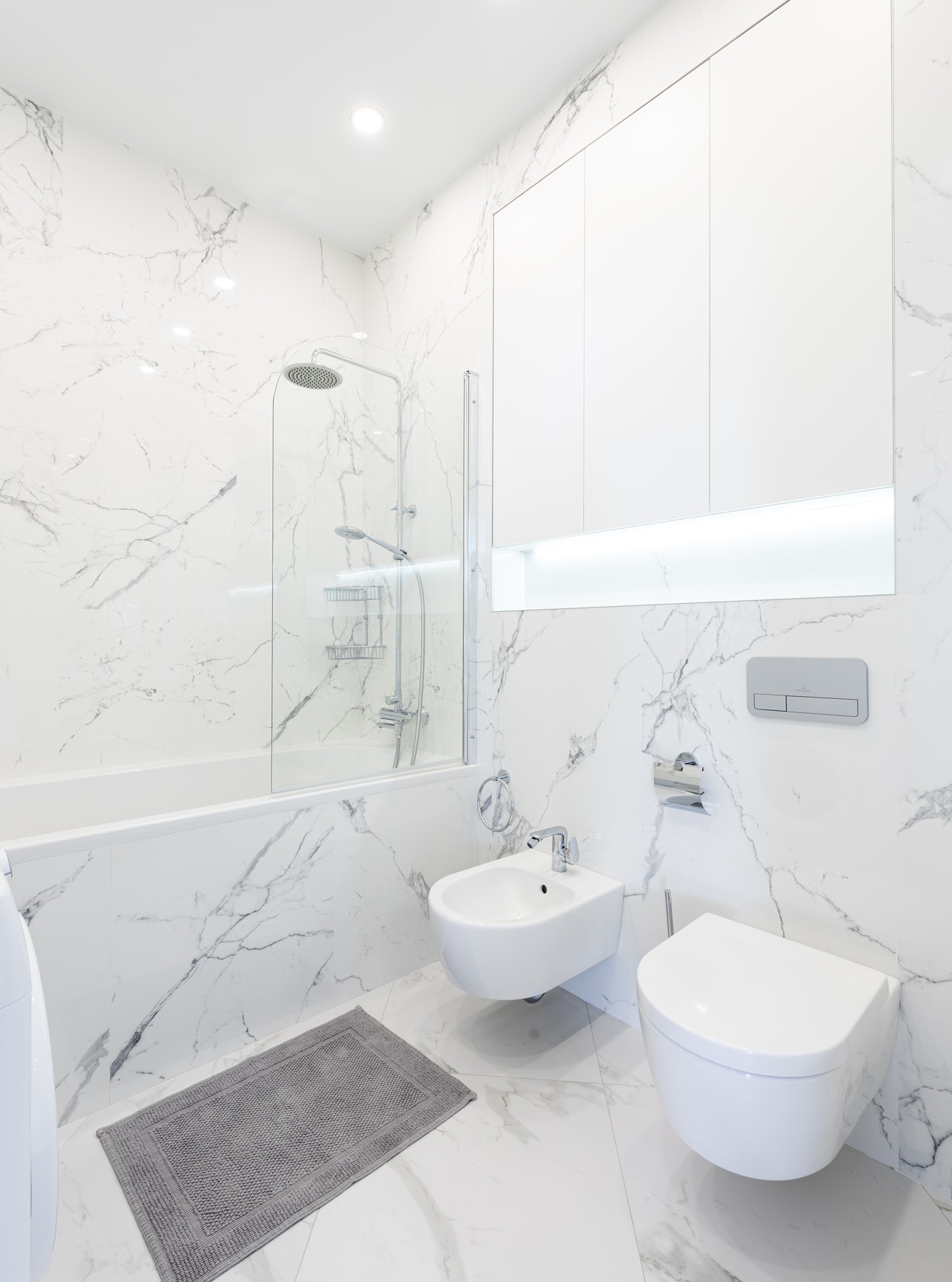
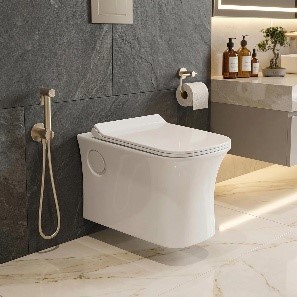
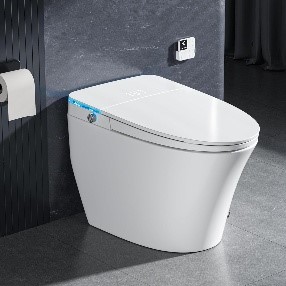
Wall-mount bidet toilet is attached to the wall, making the installation complicated as you need to add new plumbing to the wall. However, the good thing about it that it occupies a little space making the area easier to clean.
II. Floor-Mount Bidets
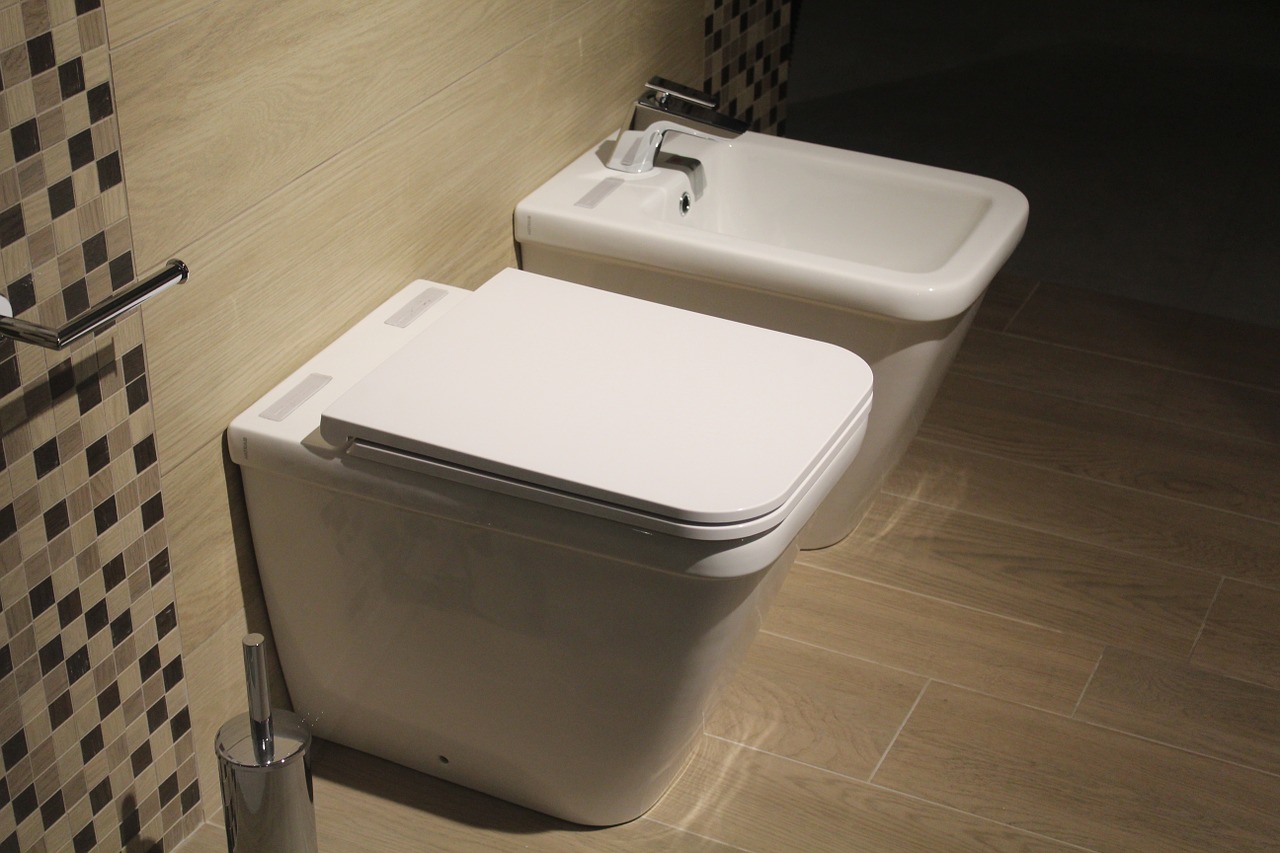
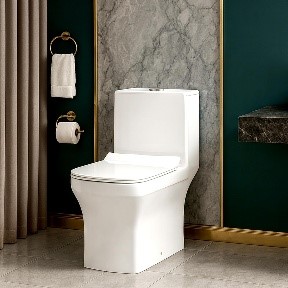
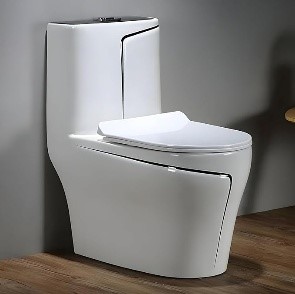
A floor-mount bidet is the most common type of bidet. It is installed on the floor and is the simplest to fit. They are ideal for spacious bathrooms as they require sufficient bathroom space.
02. Bidet Add-ons
Bidet add-ons have no significant difference from the traditional bidets – they do the same job. However, they easily fit into an existing bathroom and toilet space. So, they don’t occupy any extra space, unlike the traditional bidets.
Also, bidet add-ons are more affordable, and installing them is just a piece of cake.
Bidet add-ons come in three types;
I. Bidet Attachment for Toilet
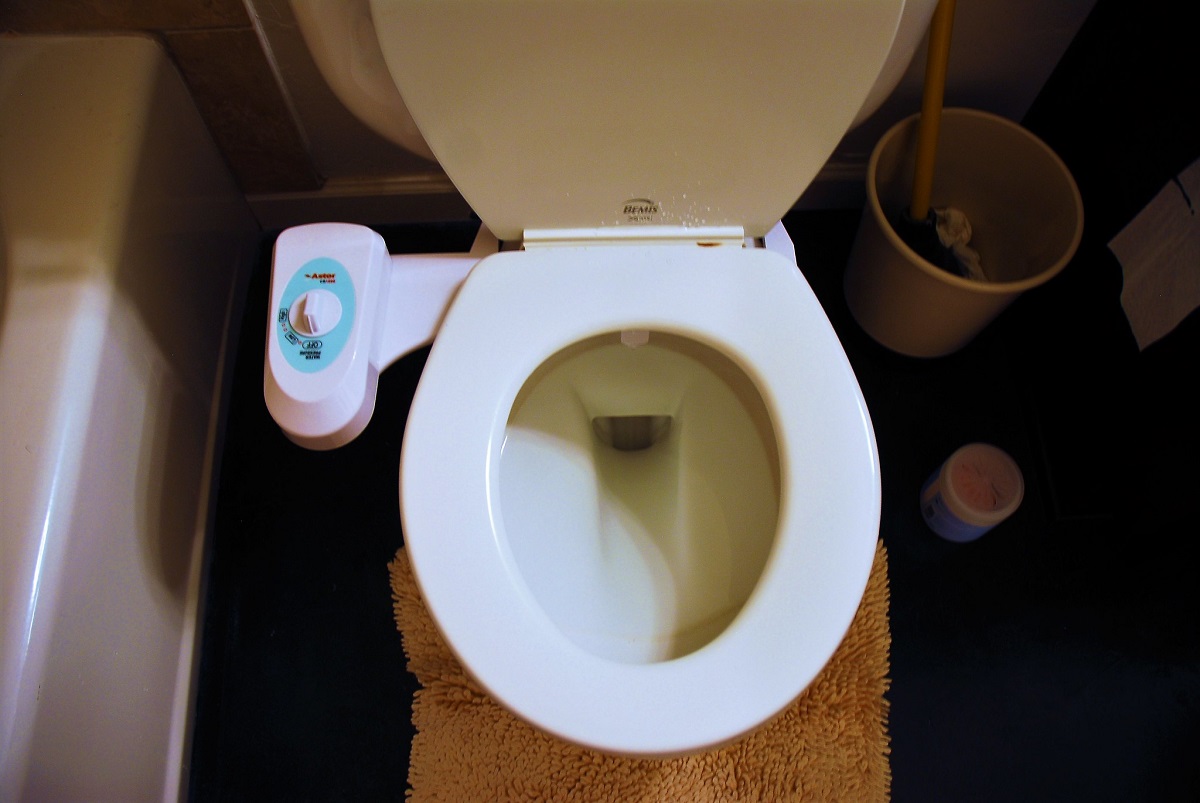
Courtesy - flickr
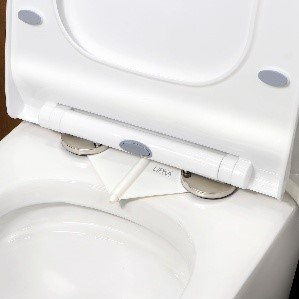
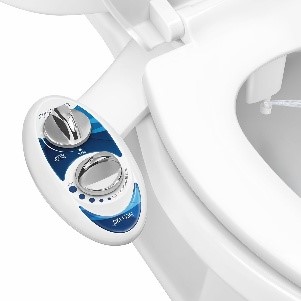
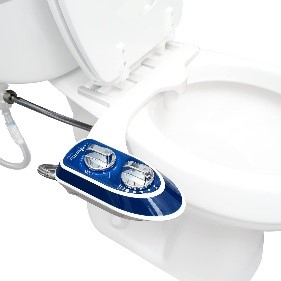
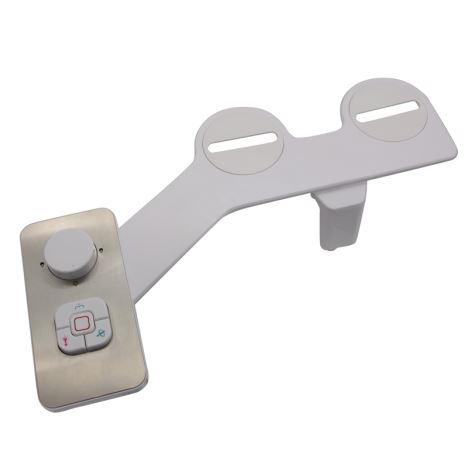
Bidet attachment resembles bidet toilet seats, but its mechanism isn’t combined in the seat- instead, it’s attached between the toilet and the seat. It’s the cheapest and the simplest available bidet. It has standard options, including a directed nozzle and adjustable water pressure.
However, some options like a dryer, warm water, and heated seats are not available as they have no electric connection.
In case you’re looking for a bidet that’s inexpensive and easy to add to your bathroom, the bidet attachment is for you.
II. Handheld Bidet Sprayers
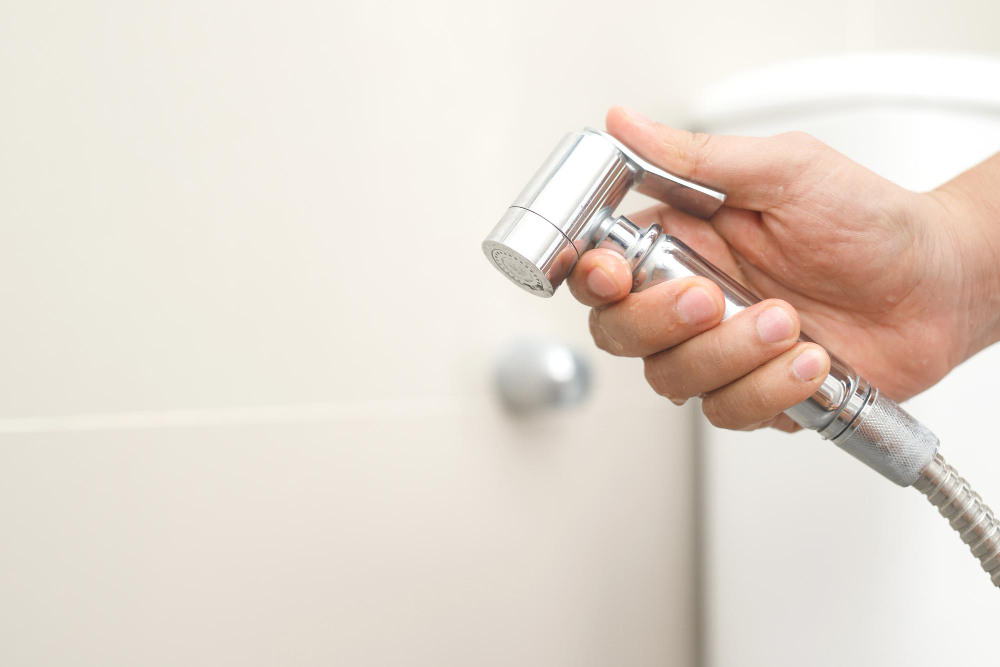
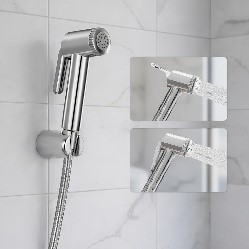
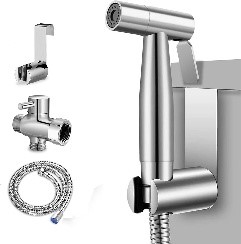
Handheld bidet sprayers are easy to install, affordable, and more flexible compared to bidet attachments. They have got a separate spray wand which you disconnect the holder whenever you want to use it and hold it in your hand.
Handheld bidet sprayers don’t offer other extra features. But if you only need a functionally basic bidet, they can go a long way.
In India and several other Asian countries, these sprayers are commonly connected directly to the toilet and the plumbing system, making them a practical alternative to standalone bidets in many households.
III. Bidet Toilet Seats
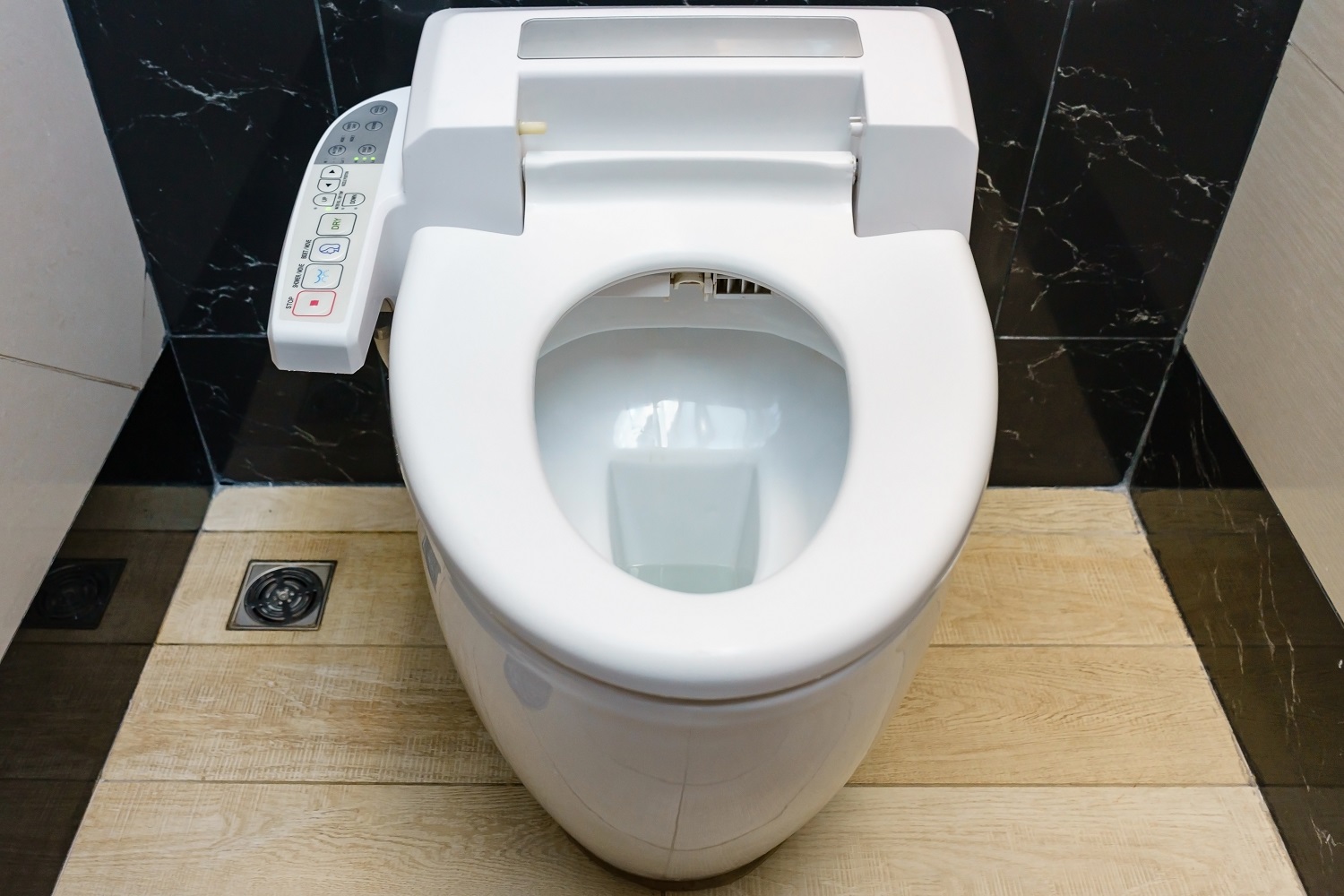
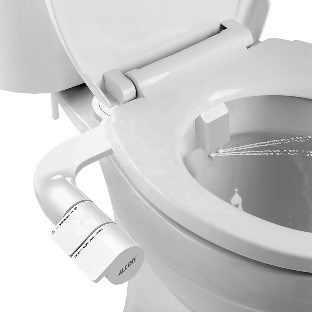
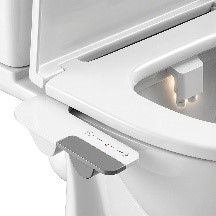
These are toilet seats that have functionally built-in bidet. If you buy the right shape that perfectly fits your toilet, its installation will be just a walk in the park.
Although bidet toilet seats are a bit more expensive than the other add-on options, they offer a wide range of features, including adjustable spray settings, warm air drying, heated seats, and deodorising functions, enhancing both comfort and convenience.
Quick Comparison of Bidet Types
| Type | Cost | Installation | Features | Best For |
| Traditional | High | Complex | Basic | Large Bathroom |
| Attachment | Low | Easy | Basic | Budget Users |
| Handheld | Low | Easy | Flexible | Daily Use |
| Bidet Seat | Medium-High | Moderate | Advanced | Luxury Use |
Key Factors to Consider When Choosing a Bidet
Now that you understand the types, here are the most important factors to help you choose the right bidet.
1. Bidet Material and Durability
Courtesy - flickr
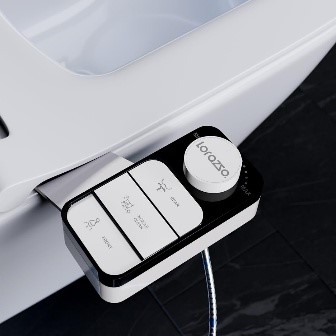
Bidets are usually made from plastic, ceramic or treated materials. Durable materials like high-quality plastic or ceramic ensure longevity and better performance over time.
2. Bidet Cost

Bidets are available in different price ranges. But, do not always consider only the price; look for features. If you want something low-cost, go for attachments and handheld sprayers. Non-electric bidet seats are mid-range bidets, while high-end ones include electric bidet seats with advanced features.
3. Ease of Use
Look for the type of bidet that you can handle with ease. Traditional bidets require movements between fixtures. Attachments and seats allow use without leaving the toilet. Remote-controlled bidet seats further enhance the ease of use.
4. Water Pressure
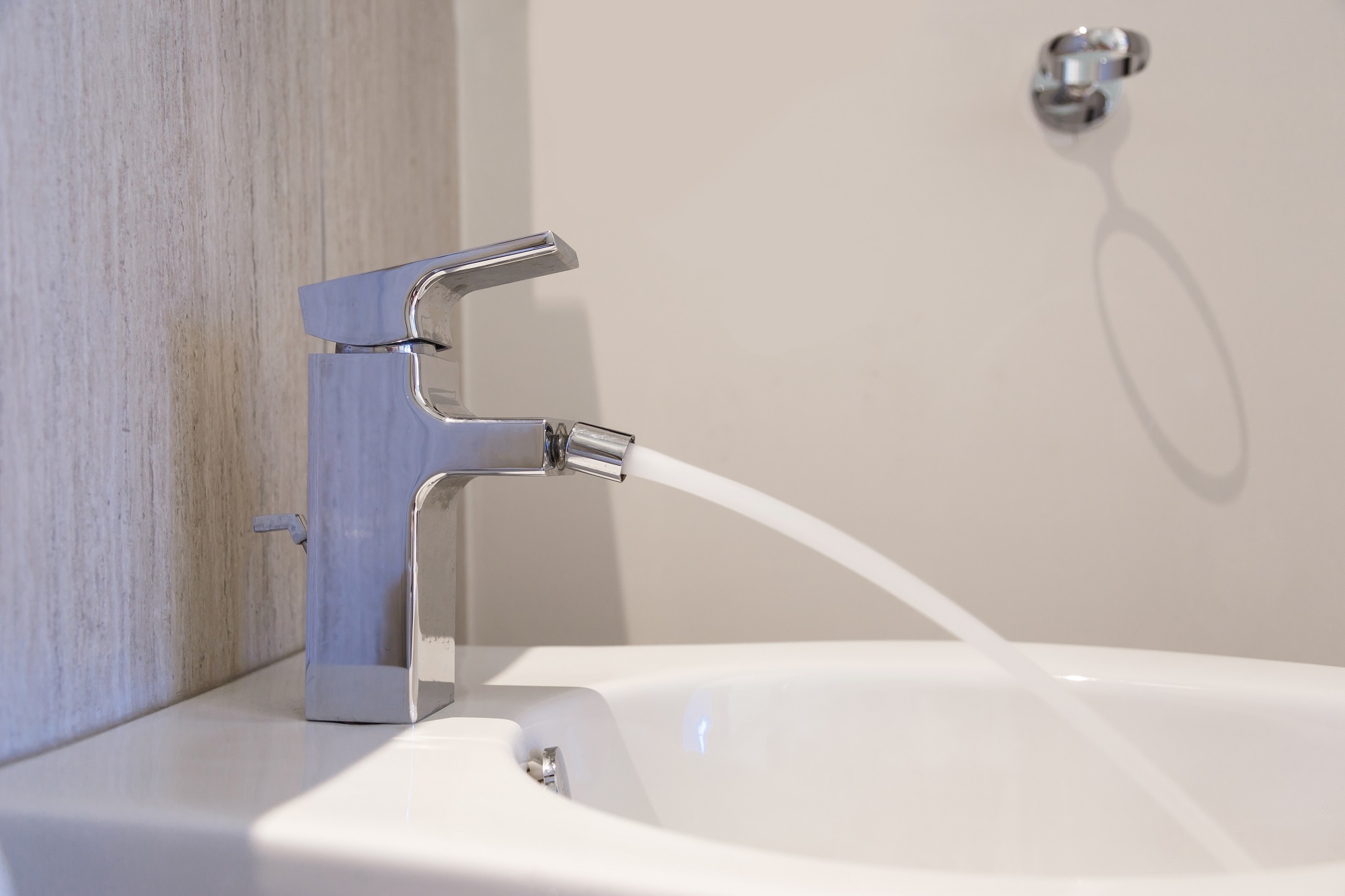
The water pressure is an important feature to ensure comfort and effective cleaning. Basic options may have limited settings, but some models allow a fine level of control.
If you want to know how to increase water pressure in the shower, then read Tips on How to Increase Water Pressure in the Shower
5. Comfort
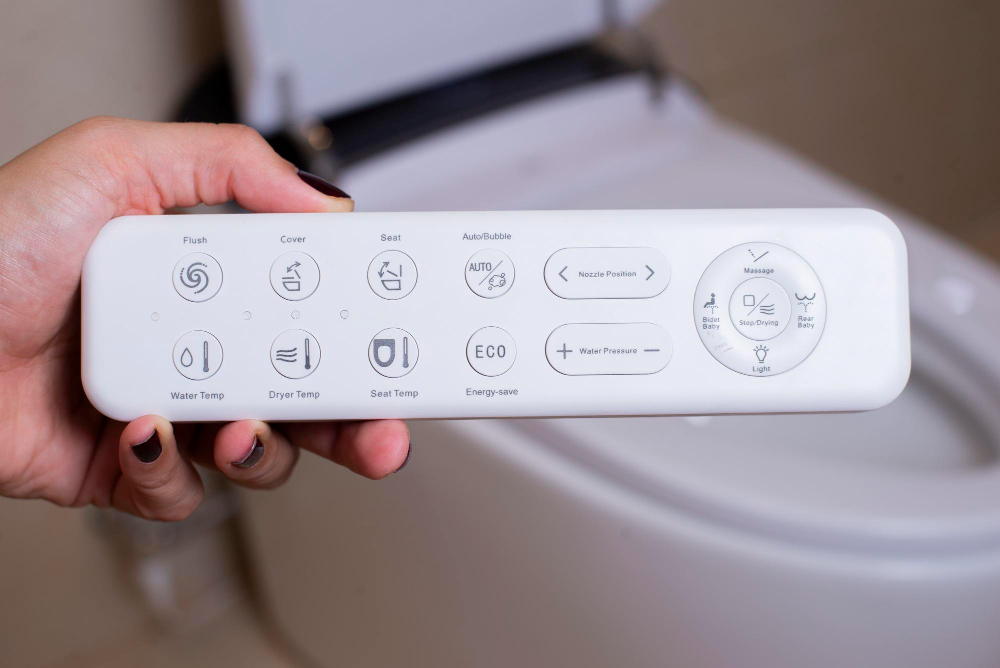
Comfort depends on several factors, like water temperature, seat design, ergonomics, spray adjustability, etc. Warm water and heated seats can significantly improve the experience, especially in colder climates.
6. Ease of Installation
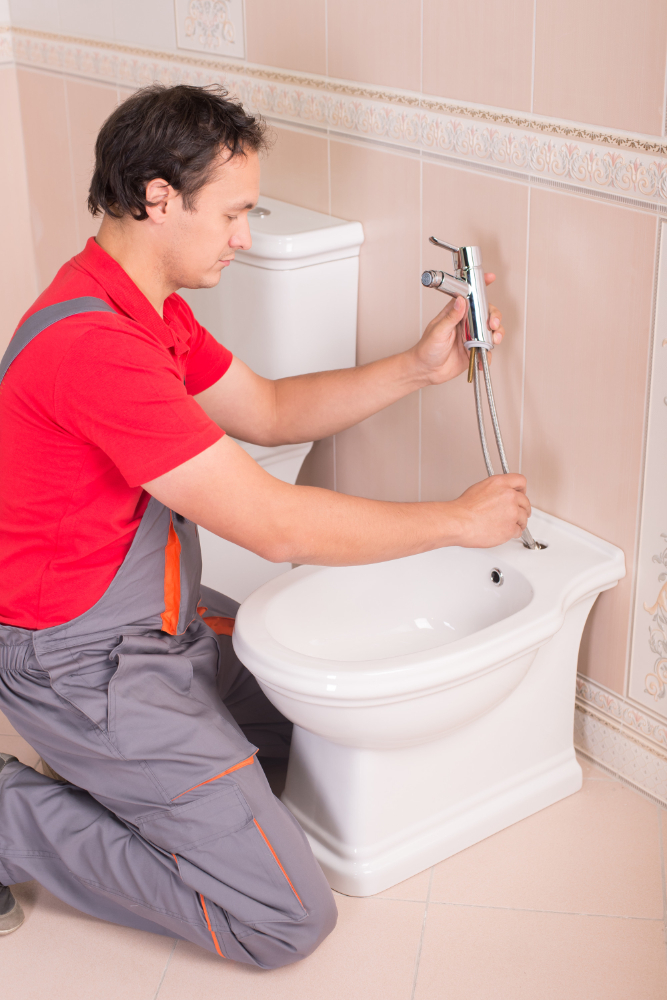
Choosing a type of bidet that is easy to install is a blessing. Traditional bidets require plumbing and professional installation, while add-ons are easy to install and suitable for DIY setup. However, choose the bidet based on your comfort level and bathroom setup.
7. Electrical or Non-Electrical Bidet
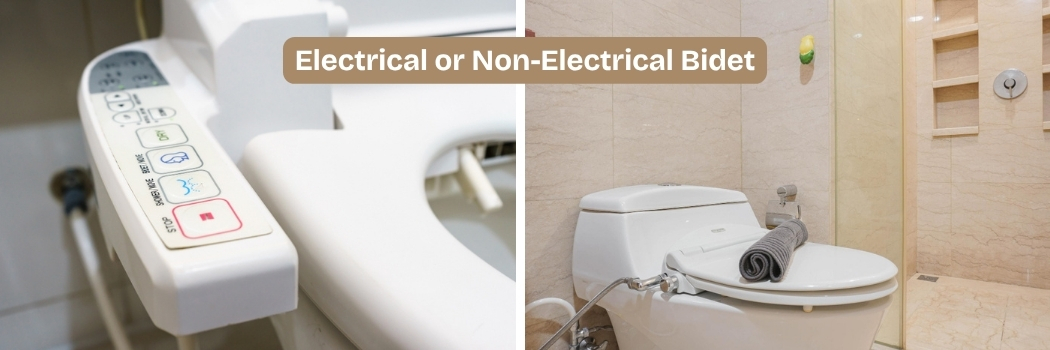
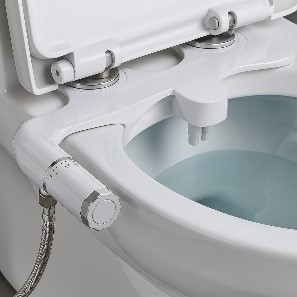
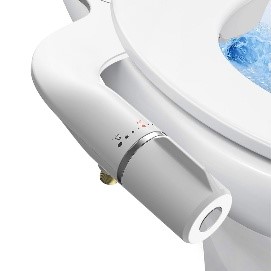
Some bidets are non-electrical and have minimal extra features. Some bidet seats’ electrical components allow them to provide fancy features like adjustability, drying functionality and heated seats. Your choice depends on your budget and desired comfort level.
Mistakes to Avoid While Choosing a Bidet
You must avoid a few mistakes while choosing a bidet for your bathroom:
- Selecting a bidet type without checking compatibility with your toilet
- Ignoring water pressure control options
- Overlooking installation requirements
- Choosing features you don’t need
- Prioritising price over quality
Conclusion
Bidets have been awash in the market; thus, there are so many types of bidet you can choose from – from fully integrated toilet models to the entry-level attachment. Therefore, if you want to improve your bathroom, you have an array of choices. You can now go and get yourself a bidet of your preferences according to your budget.
Apart from this, if you are interested to read more articles, refer following links:
5 Things You Should Never Pressure Wash in Your Home
Tips to Clean Clogged Drain (Toilet, Sink Sewer Pipe)
FAQs on How to Choose the Right Bidet
1. What Type Of Bidet Is Best For Beginners?
Bidet attachments or handheld sprayers are affordable, easy to install, and ideal for first-time users.
2. Do Bidets Really Improve Hygiene?
Yes. Bidets clean with water, removing bacteria and residue more effectively than toilet paper.
3. What Is The Difference Between Traditional Bidets And Bidet Add-Ons?
Traditional bidets are standalone fixtures, while add-ons fit onto your current toilet and require less cost and space.
4. Are Electric Bidet Seats Worth It?
Yes. If you want features like warm water, heated seats, drying, and adjustable spray settings, then investing in an electric bidet seat makes more sense.
5. How Do I Choose The Right Bidet For My Home?
Check factors like material, cost, installation ease, features, water pressure control, comfort, and available bathroom space.
References
The World Count. (n.d.) Global Use of Toilet Paper. [Online] Available from: https://www.theworldcounts.com/challenges/consumption/other-products/environmental-impact-of-toilet-paper/story
DICTIONARY.COM. (n.d.) bidet. [Online] Available from: https://www.dictionary.com/browse/bidet
Author & Expert Review
Written By:  Nidhi Patel | Civil Engineer & Content Writer

| Credentials: B.E. (Mahatma Gandhi Institute of Technical Education and Research Centre), Registered with Gujarat Technological University (GTU). Experience: Civil Engineer with 3+ years of content writing experience, currently writing blogs for Gharpedia, part of SDCPL. Expertise: Specializing in SEO-optimized blogs and long-form articles focused on home improvement, construction, interiors and architect topics. I create well-researched, reader-focused content that balances technical accuracy with clarity, making complex subjects easy to understand. Find her on: LinkedIn |
Verified By Expert: Avni Desai Environmental Engineer, SDCPL | M.E. (Environmental Engineering)
 Avni Desai Environmental Engineer,
 This article has been reviewed for environmental, MEP, and building services accuracy by Avni Desai, an Environmental Engineer at Sthapati Designers & Consultants Pvt. Ltd. (SDCPL). With over 8 years of experience in water supply, wastewater management, infrastructure design, and building services, she brings practical expertise in MEP services, sustainable solutions, design planning, and on-site practices. Her professional services include planning and design of water supply systems, sewage and wastewater treatment systems (STP/WTP), drainage, rainwater harvesting, and other sustainable building services. Her review ensures the content aligns with environmental standards, efficient services planning, and real-world applicability.
Find her on: LinkedIn