Table of Contents
Quick Summary
- Coastal homes are highly exposed to hurricanes, strong winds, flying debris, salt corrosion, and heavy rainfall, making standard windows vulnerable to failure.
- Impact windows are specially designed to resist strong wind pressure and debris impact, helping protect the structure of coastal homes.
- The first step when selecting impact windows is to identify the wind zone where the property is located, as building codes define the required window strength based on wind speeds.
- Choosing certified windows that comply with building standards ensures safety and durability during coastal storms.
- Proper installation is crucial; even high-quality windows can fail if they are not anchored correctly to the structural framing.
- Most impact windows use laminated glass technology, where a strong interlayer holds broken glass together during impact.
- Laminated glass also offers noise reduction, UV protection, and improved security.
- Installing certified impact windows improves home safety, energy efficiency, and long-term protection for coastal properties.
Every year, hurricanes and severe coastal storms cause billions of dollars in property damage, much of it beginning with something as simple as a broken window. Coastal homes constantly face threats from powerful winds, airborne debris, salt corrosion, and heavy rain during tropical storms and hurricanes. Standard windows often fail under these conditions, allowing wind pressure and debris to enter the home and potentially cause serious structural damage.
One of the most effective ways to protect a coastal property is by installing approved impact windows designed specifically to withstand harsh seaside environments. Here is how to choose impact windows by evaluating key factors such as wind zone requirements and your overall budget.
Understanding Wind Zones First

The first step is identifying the wind zone where your home is located. Coastal locations usually have very high wind speed zoning classifications because of their proximity to hurricanes.
Building codes reference wind zone maps when determining the minimum required strength of the windows installed. By referencing these zones, builders and architects can select appropriate window materials and designs that meet or exceed the specified structural integrity.
Ensure Quality Installation
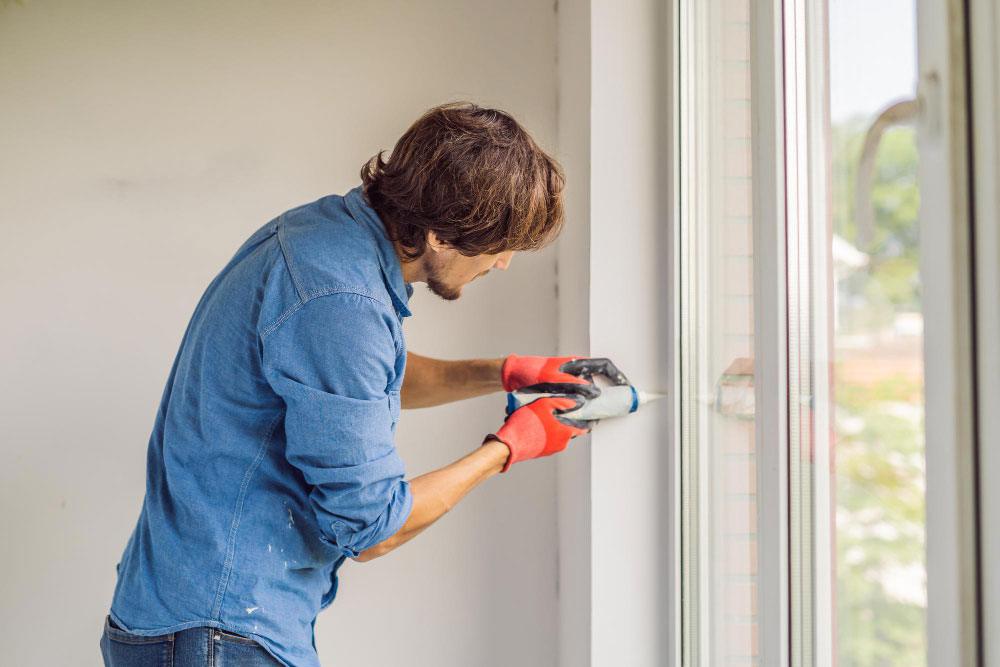
If a window is installed incorrectly, it will fail no matter how strong it is. Proper installation will guarantee its secure attachment to the support structure. Professional installers will do the following:
- Anchor windows into the structural framing.
- Seal the opening against water infiltration.
- Follow the manufacturer’s guidelines, including local codes.
When conducting research for new impact or coastal windows for your home, you may find lots of specialized technical terminology. The right window repair company in Tampa will help you understand them. Working with a professional will help ensure you get the best fit for your needs.
Confirm Code Compliance
In the USA, many coastal properties must be built to the approved wind zone so that they meet or exceed the architectural standards set by organizations such as ASTM International. It develops the testing protocols used in determining the resistance of windows to wind-born debris.
Coastal jurisdictions also may consider ASTM E1996, the test standard used for determining wind pressure and debris impact load. You can know the force by which your windows will be held by talking with the city or other authorities about the wind zones for your area.
As wind zone ratings increase, so do the required capabilities of window systems. The following are some of the regulatory areas to check:
- The impact resistance certification of the window
- Design pressure ratings and requirements
- The method of installation used
- All applicable energy performance standards
On the Florida Gulf Coast, requirements for windows can include hurricane-rated exterior windows and reinforced frames.
Choose the Right Laminated Glass

Impact-resistant windows use laminated glass technology for their resistance to breakage. Typically, it consists of two layers of glass and a durable layer of interlayer material (usually PVB or SGP) between the two layers of glass.
If an object strikes the glass, the outer pane may crack. The interlayer will keep the glass together, preventing dangerous pieces of glass from falling out. It also keeps the window closed so that wind cannot enter through the open gap.
The use of laminated glass also provides other benefits including the following:
- Noise reduction.
- UV protection for the room’s contents.
- Increased resistance to break out by forced entry.
Proper laminate thickness will enhance both the user’s safety and the durability of the windows and doors.
Secure Your Coastal Investment
Home safety and industry safety standards should be considered for any impact window. Because of their design, impact windows will protect your home from the elements typically found with coastal living, and they will help to keep your family safe from storm damage.
You can achieve lasting safety, energy efficiency, and peace of mind by planning ahead, using certified products, and having your impact windows professionally installed. When in doubt, always seek professional opinion.
Also Read: 10 Inspiring Coastal Decor Ideas to Give Your Home Beach Vibes
FAQs on How to Choose Impact Windows for Coastal Homes
01. What are impact windows?
Impact windows are specially engineered windows designed to withstand strong winds and debris impact during storms and hurricanes. They usually feature laminated glass and reinforced frames.
02. Why are impact windows important for coastal homes?
Coastal areas face hurricanes, high winds, and flying debris. Impact windows help prevent breakage, reduce structural damage, and protect occupants during extreme weather.
03. How do laminated glass impact windows work?
They consist of two glass layers with a strong interlayer (like PVB or SGP). If the glass cracks, the interlayer holds the pieces together and prevents the window from shattering.
04. Do impact windows reduce noise and UV rays?
Yes. Laminated glass helps reduce outdoor noise and blocks a significant amount of harmful UV radiation.
05. Is professional installation necessary for impact windows?
Yes. Proper installation ensures the windows are securely anchored, sealed against water intrusion, and compliant with local building codes.
Author & Expert Review
Written By:  Nidhi Patel | Civil Engineer & Content Writer
| Credentials: B.E. (Mahatma Gandhi Institute of Technical Education and Research Centre), Registered with Gujarat Technological University (GTU). Experience: Civil Engineer with 3+ years of content writing experience, currently writing blogs for Gharpedia, part of SDCPL. Expertise: Specializing in SEO-optimized blogs and long-form articles focused on home improvement, construction, interiors and architect topics. I create well-researched, reader-focused content that balances technical accuracy with clarity, making complex subjects easy to understand. Find her on: LinkedIn |
Verified By Expert:  Farhan Sheikh – Senior Manager – Architect, SDCPL | Associate Member – IIA
This article has been reviewed for architectural and interior design accuracy by Farhan Shaikh, Senior Manager – Architect at Sthapati Designers & Consultants Pvt. Ltd. As the lead for all architectural and interior projects at SDCPL and an Associate Member of the Indian Institute of Architects (IIA), he brings hands-on experience in architectural planning, interior design, project coordination, and sustainable strategies. His review ensures the content reflects practical design considerations, industry best practices, and real-world applicability across both architecture and interior spaces.
Find him on : Linkedin