Table of Contents
Quick Overview
Here is the quick summary on choosing a solar roofing system for your home:
- Solar roofing is a smart investment for your home and energy independence.
- Roof shape and structure affect how many solar panels fit and how well they perform.
- Generally, a south-facing roof can produce more solar energy.
- Shading from overhead branches of trees or buildings can significantly reduce solar energy.
- Roof material and condition should match the design of the home solar system.
- Hiring a professional ensures the most efficient solar panel layout and increases long-term property value.
Choosing a solar roofing system that exactly adjust into your home layout is like a solving a puzzle. Roofs come in all shapes and angles, and the right configuration can make a big difference in how much power your home generates. The good news is that understanding a few basics about roof shape, direction, and shading can help you make a confident, smart choice.
We have break down what really matters, and help you work out, what you should look for so that your solar roof actually pays off.
Understanding Your Roof Shape and Structure
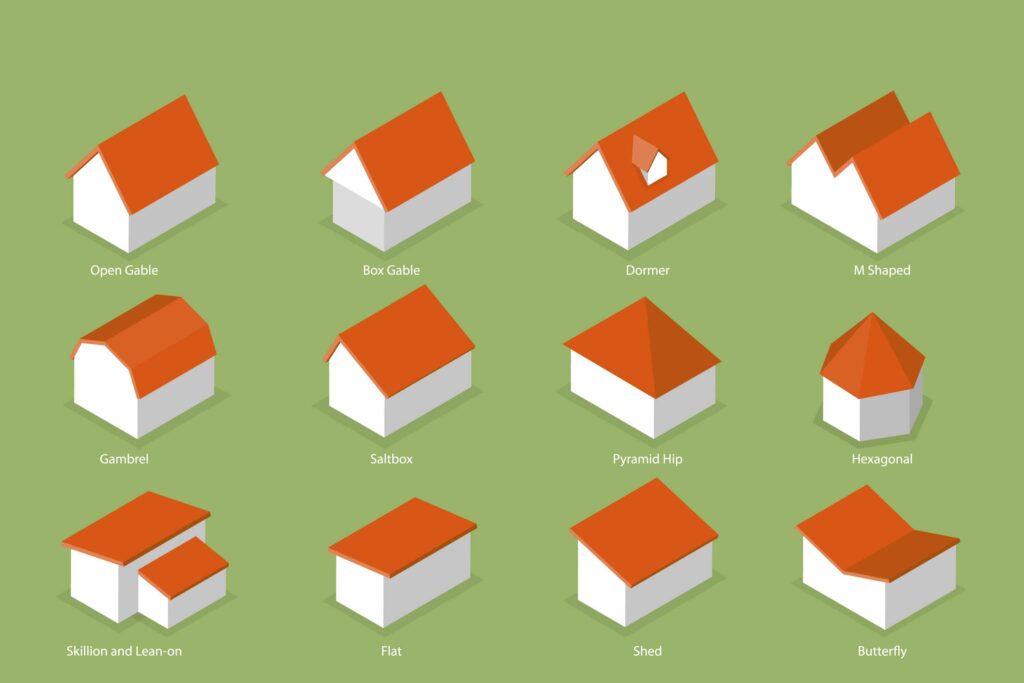
Different roof shapes impact how many panels fit, how they are arranged, and how efficiently they capture sunlight. Most residential roofs fall into a few common categories, each with pros and cons.
Gable, Hip, and Flat Roof
Flat roof is flexible because installers can angle the panels for optimal performance. A gable roof is simple and mostly ideal for solar because it provides two broad surfaces that catch sunlight well. A hip roof can still good option, but panel placement can be more complex than gable roof.
Complex or Multi Angle Roof Layouts
If your roof has dormers or irregular sections, a professional installer will evaluate each segment for its potential for sunlight. Unique roof geometry can still deliver strong solar performance with the right custom layout.
Orientation and Sunlight Direction
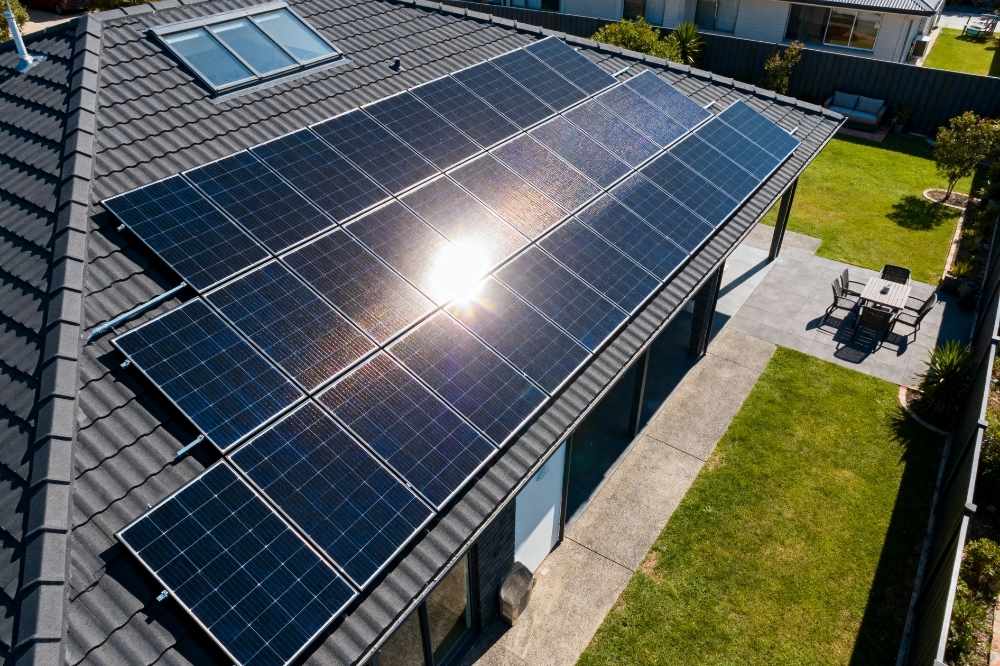
For most homes, the direction your roof faces is one of the biggest factors in how much energy your roof system can generate.
How Orientation Affects While Installing Roof Solar System
Mostly, south-facing roof produce more energy with west and east facing roofs following behind. North-facing sections rarely make sense for solar. Every roof type is different, but knowing which sides get the more and strongest sunlight will help you narrow down your options.
Here is a quick breakdown homeowners often find helpful:
- South: Best year-round production
- West: Great for afternoon peak energy
- East: Good for early day power
This is also the point where many homeowners find that carrying out a roof replacement with solar panels makes sense because it ensures both the structure and the new roof materials support long term solar performance. There are dedicated installers out there who will guide you in your decision, so you don’t have to make it alone.
Dealing With Shading and Nearby Obstacles
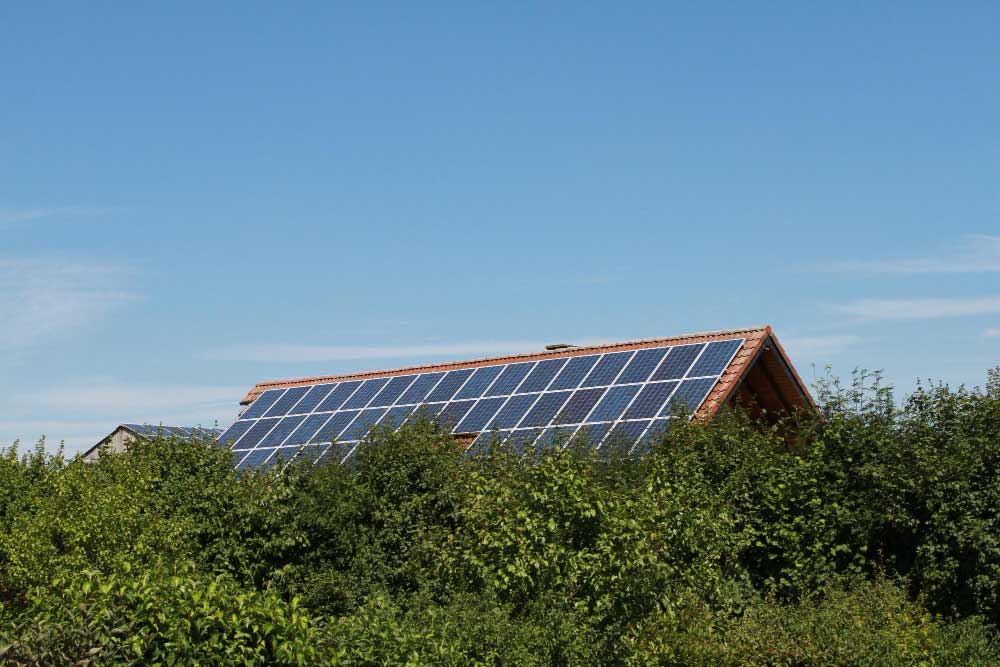
Even the best solar roofing system chosen from a market that’s growing 7.7% a year cannot perform well if your panels spend most of the day in the shade. Trees, chimneys, vents, and neighboring structures can block sunlight.
Inspect Shading Over Your Roof
Solar panel professionals often use digital tools to map sunlight hours across your roof. Even partial shade can reduce the energy production significantly, depending upon the type of panel used.
What to Do About Shade
If overhead tree branches are causing a problem, you need to trim them. If some part of your roof is shaded, use micro-inverters or power optimizers so that each panel performs independently.
Matching Your Roof Material to the Right Solar Roofing System
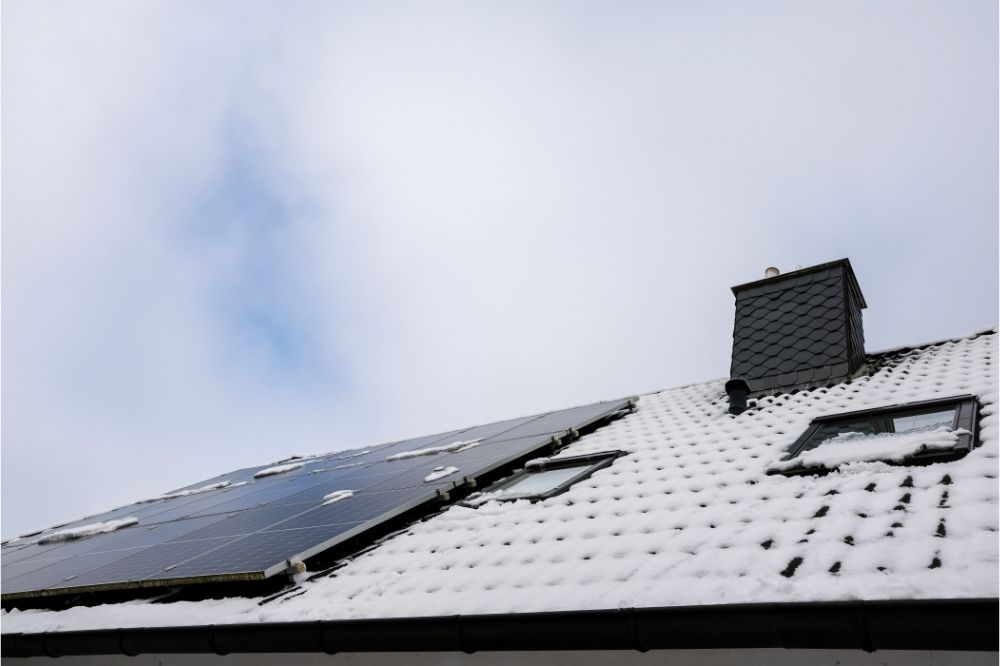
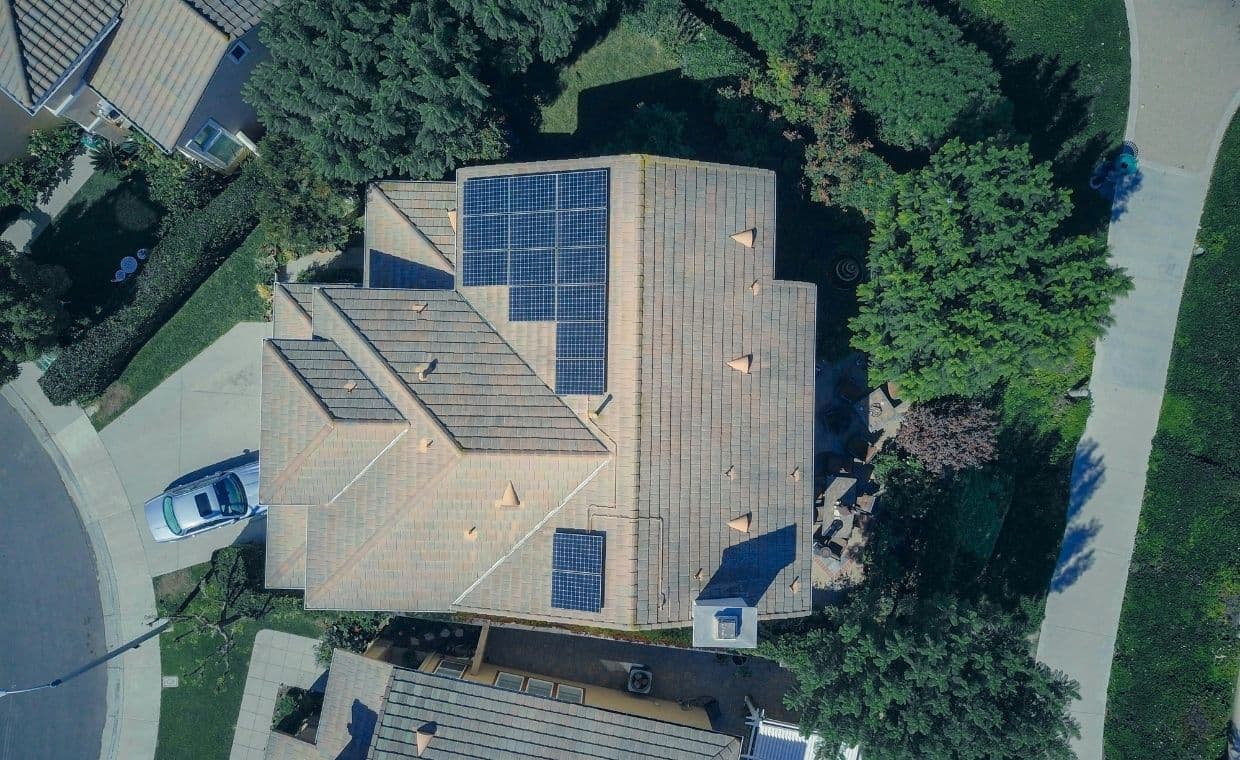
Some solar roofing systems pair better with certain roof materials. Composite shingles typically integrate easily, while metal or tile roofs may require special mounting hardware. The key is choosing a system designed for your specific roof material so the installation stays watertight and long lasting.
Roofing Condition Matters
If your roof is older or needs repairs, replacing it before adding solar is usually more cost- effective than redoing it later. A strong structural foundation also ensures the panels stay secure in wind and weather.
Finding the Best Solar Roof Layout for Your Home
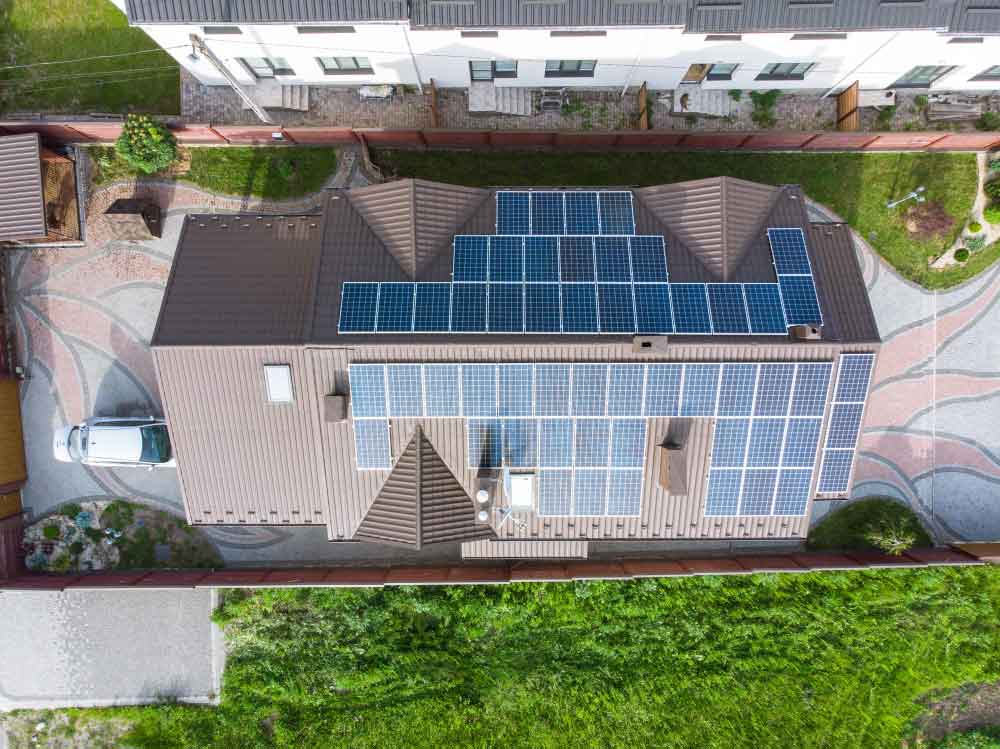
Every house is unique, so the ideal solar layout should be such that it balances sun exposure, structural considerations, and meet your energy goals. Modern solar planning tools make this easier than ever. Many homeowners start with a simple assessment that maps available roof space and identifies the most productive areas, then choose a system that fits those high value sections.
A professional installer will consider angle, orientation, pitch, and shading to design the best layout for your roof. Systems that blend roofing and solar elements into a single surface can be an especially good fit for homeowners who want a seamless look or already plan to replace their roof. Combined with other energy cost reduction strategies, the outcome will be worth working towards.
Final Thoughts
A solar roofing system is an investment for both home and/ energy future. By understanding your roof’s shape, direction, and shading, you can choose a system that generates more power and lasts for decades.
If you are planning a home upgrade this year, it might be worth giving your roof layout a closer look. The right solar setup can be a long-term win for your home, your wallet, and your energy independence.
Also Read: Rooftop Solar PV System: Basic Guide for Your House!
FAQs on Solar Roofing System for Home
01. Which Type of Roof Shapes are Most Suitable for Home Solar Panels?
Gable roofs are ideal for broad surfaces that capture sunlight. Hip roofs work well but need careful placement. Flat roofs offer flexibility for angled panels.
02. Should You Match Solar Systems to the Roof Material?
Yes, composite shingles integrate easily while metal or tile needs special hardware. First, replace old or damaged roofs for cost savings and secure installation.
03. How to Handle Shading Issues before Installing Solar Roofing System?
Use digital tools to map sunlight hours. Trimming the tree branches or install micro-inverters or power optimizers so shaded panels don’t drag down the system.
04. Is Home Solar Roofing Worth the Investment?
Obviously, it’s a long-term win for power generation, increasing home value, savings, and energy independence, especially with a custom one. Ask the professional solar installers for your layout.
Author & Expert Review
Written By:  Kinjal Mistry | Civil Engineer & Senior Content Writer
| Credentials: B.E. (Dharmsinh Desai University, Nadiad, Gujarat). Experience: Civil Engineer with 9 years of content writing experience, currently writing impactful articles for Gharpedia, part of SDCPL. Expertise: Specializes in writing well-researched content on home improvement, sustainability, building materials, home interior, DIY, and plumbing technology with everyday clarity. Find her on: LinkedIn |
Verified By Expert:  Ravin Desai – Co Founder – Gharpedia | Co Founder – 1 MNT | Director – SDCPL
This article has been reviewed for technical accuracy by Ravin Desai, Co-Founder of Gharpedia and Director at Sthapati Designers & Consultants Pvt. Ltd. With a B.Tech. in Civil Engineering from VNIT Nagpur and an M.S. in Civil Engineering from Clemson University, USA, and over a decade of international and Indian experience in the construction and design consultancy sector, he ensures all technical content aligns with industry standards and best practices.
Find him on: LinkedIn