



Table of Contents
Quick Review
- Colour blocking is an artistic wall-painting technique that uses two or more contrasting colours to create bold, stylish visual effects.
- Colour contrasts like blue-orange, yellow-violet, red-green, or lime-purple can create dramatic yet elegant wall highlights design.
- Cool colours tend to recede while warm colours advance, helping decide background vs. foreground shades.
- The process begins with painting the wall with a background shade, then outlining the block shapes using a cardboard template.
- Tools required include: background and block colours, template, roller, tray, brushes, and a softener/stippling brush.
- After filling in the block shapes, edges should be feathered using a softener brush to avoid harsh lines and achieve a floating effect.
- Using a lighter-darker shade combination can also create stunning contrast, as suggested by design experts.
The result is a visually striking DIY wall that adds personality and thematic flair to any room.
How about adding contrasting blocks of colours to your wall and making it a conversational piece? Trust us, the final outcome is going to be absolutely out-of-this-world! Have we got you intrigued? Then go through this blog to learn the nitty-gritty of how to do a colour block wall.
Why Wall Block Design?
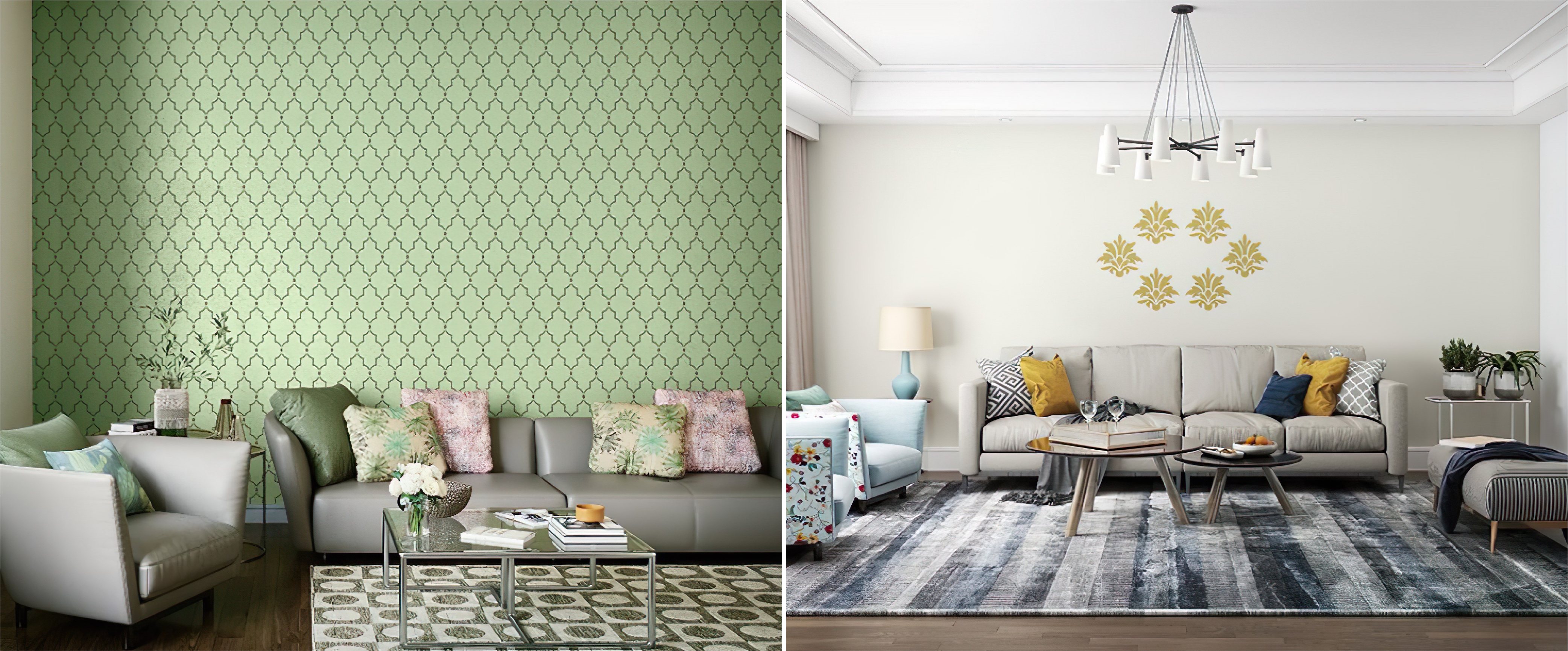
Colour blocking art is an intense colour play where two or three combinations are used to signal out a bold statement. This project shows the power of intense colour contrasts. Still, it softens the impact using a more creative and artistic approach. The paint is applied with a brush to feather the edges of the blocks to avoid hard edges to create an exciting block painting on the wall.
Art Educationist Ellis A. D. acknowledges the role of contrasting colour combinations in creating playful yet elegant block painting ideas in his book ‘A Practical Manual of House Painting, Graining, Marbling and Sign Writing’. The orange and blue contrast is sharp and funky. Other vibrant coolers are yellow and violet, red and green, and lime and purple. An excellent point to remember here is that – cool coolers retreat and; warm ones advance. This can be inferred as cool colours can be used in the background while warm colours generate wall highlight design ideas.
The colour wheel would be the right guide for you to understand colour theory and more combinations in depth.
Courtesy - Asian Paints
How to do a Color Block Wall? Read it in a Nutshell
First, paint the wall with the background colour and then draw outlines for the colour blocks using a template. There you go! The colour block painting will be right in front of you. A colour block wall paint idea to make the patterns look floating on a wall is by filling the colour template block with a vibrantly contrasting colour. A lighter and darker version could also create a stunning contrast, as editor ‘Fiona B’ suggested in ‘The House Book’.
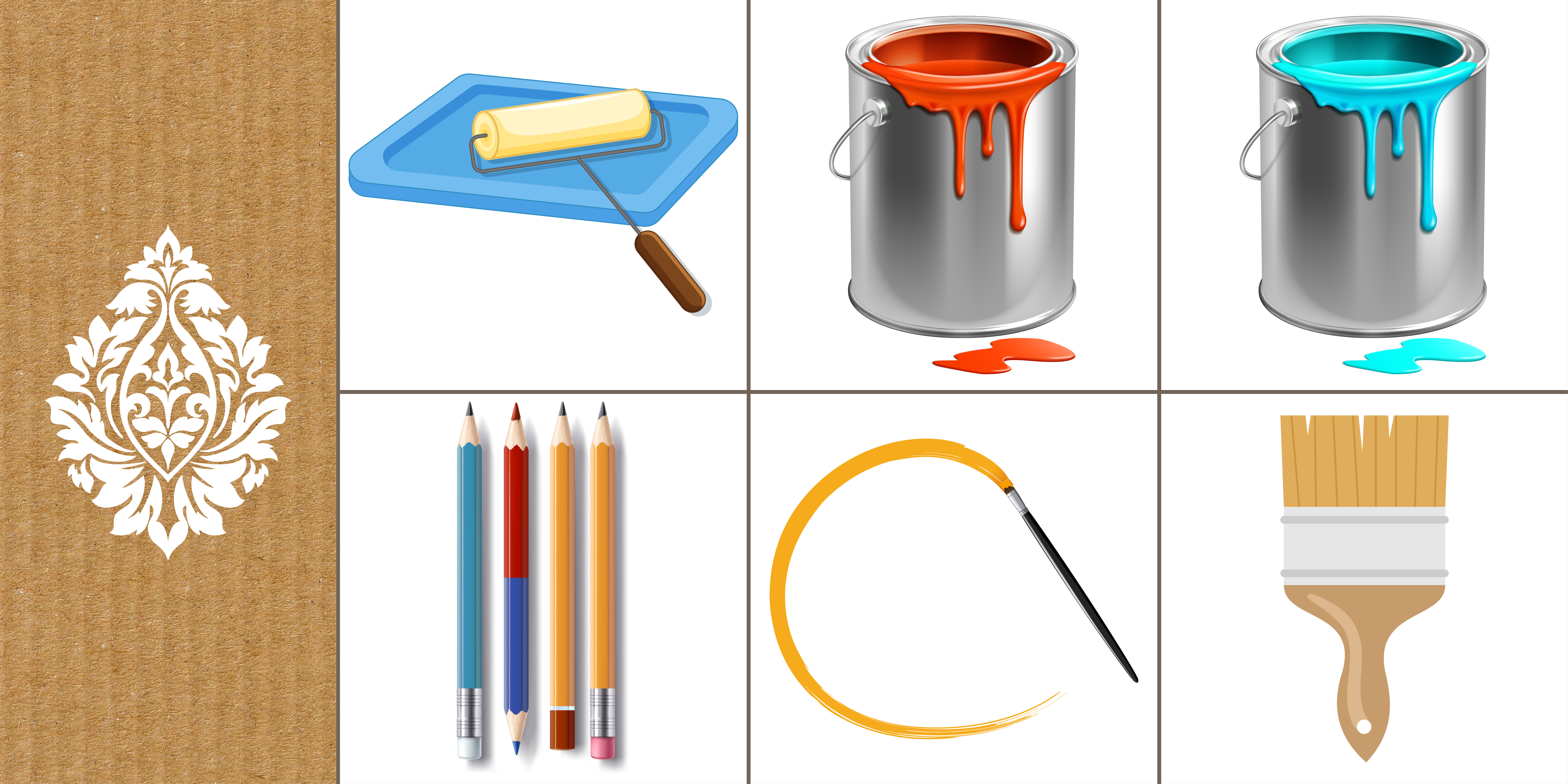
Things Required to Create Wall Block Painting Designs
Here we will use sky blue and burnt orange combinations to create colour blocking art.
Use the following list to ensure you are not missing anything before you start working.
- Background colour (sky blue)
- Block colour (burnt orange)
- Cardboard template of the block shape
- Pencil
- Roller and paint tray
- Softener brush from paint-effects store
- 7.5 cm household paintbrush
The Step-By-Step Process to Do a Block Painting Design on a Wall
A template can be of any shape or size to create a colour block painting. Have fun designing your own. The dazzling effect is sure to be a real talking point.
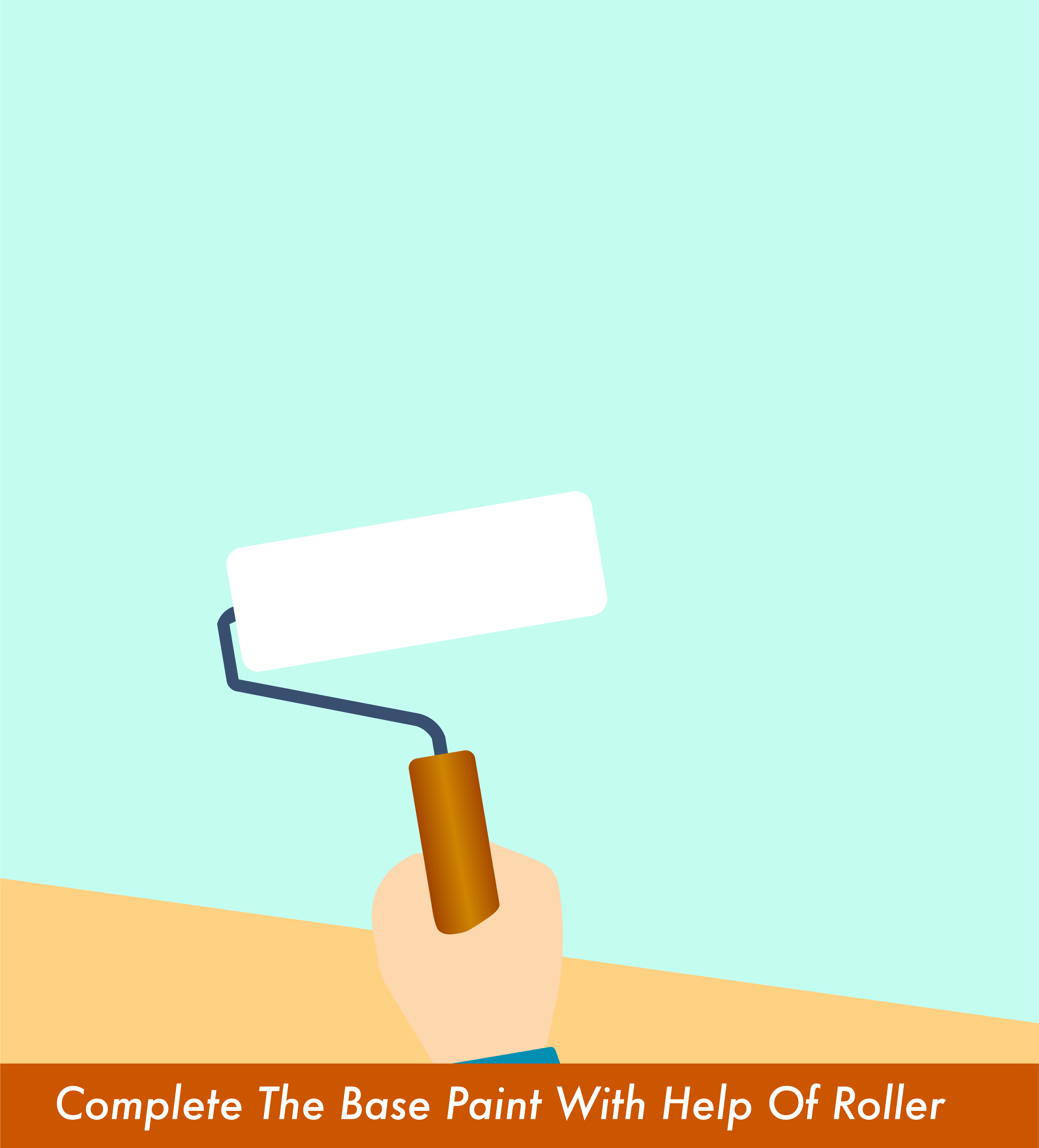
01. Paint the wall the background colour. Leave it to dry.
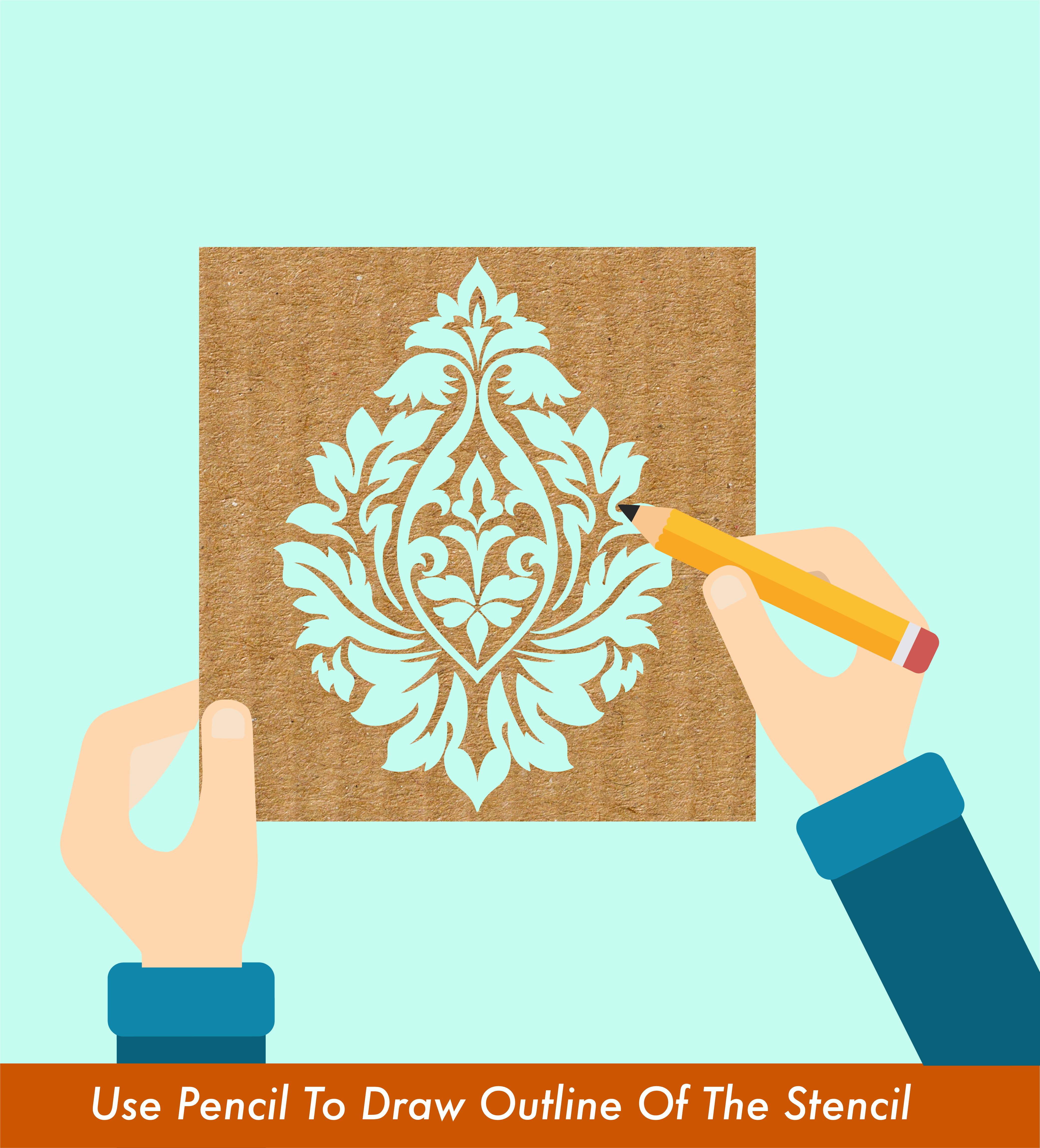
02. Hold the template against the wall and draw outlines for the colour blocks.
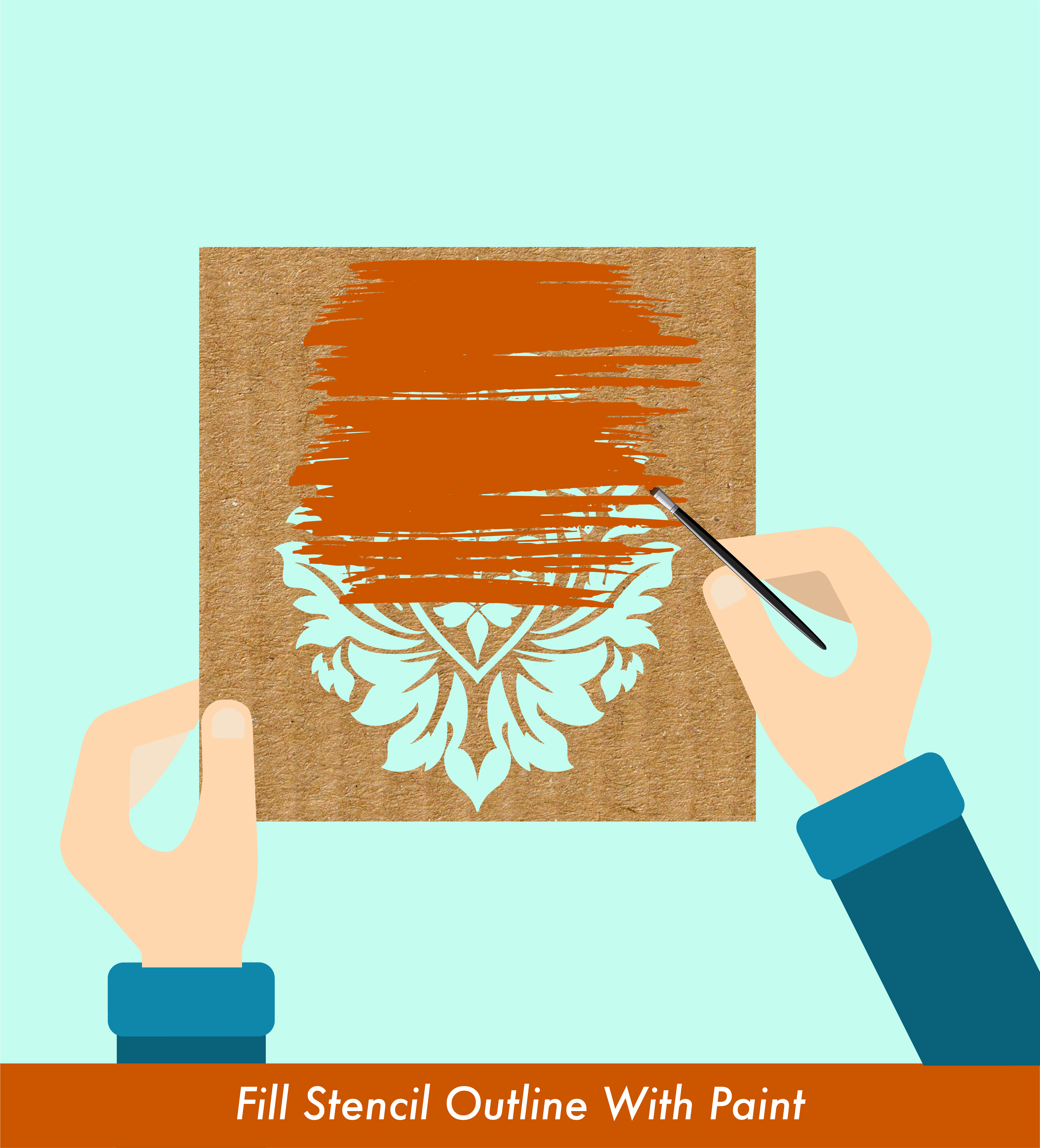
03. Paint the blocks burnt orange with the help of a brush or a roller, depending on the design. Finish the drawn edges using a brush.
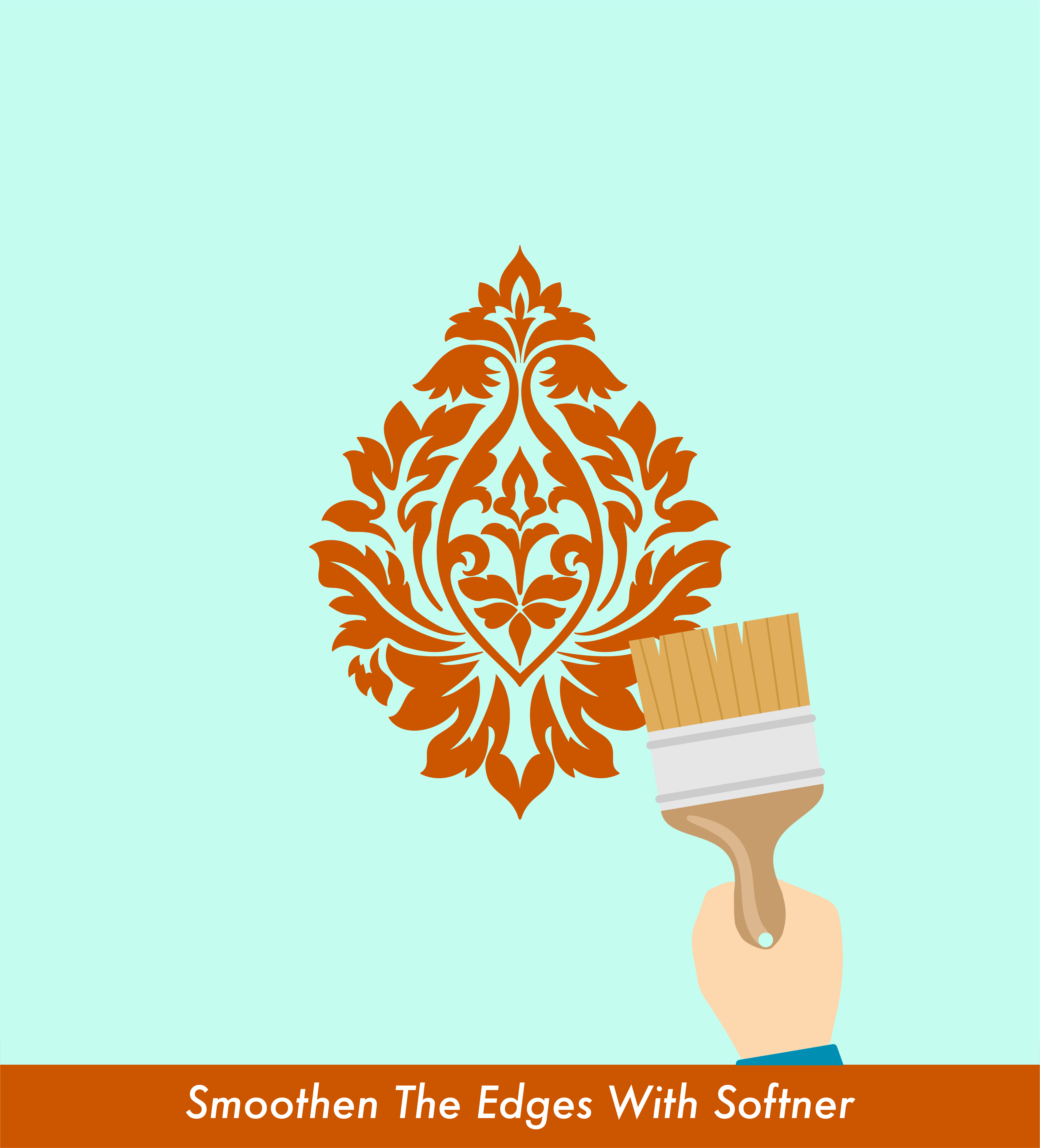
04. Feather the edges of the blocks before the paint has a chance to dry. Do this by running the softener brush lightly over the paint edge so that it spreads and fades.
Pro tip: Housekeeping experts ‘Cassandra K et al’[399] in ‘10,001 Hints and Tricks for the Home’ suggests using a stippling brush for intricate designs and corner area. Make sure that it has enough colour to allow smooth colour flow.
The Final Product!
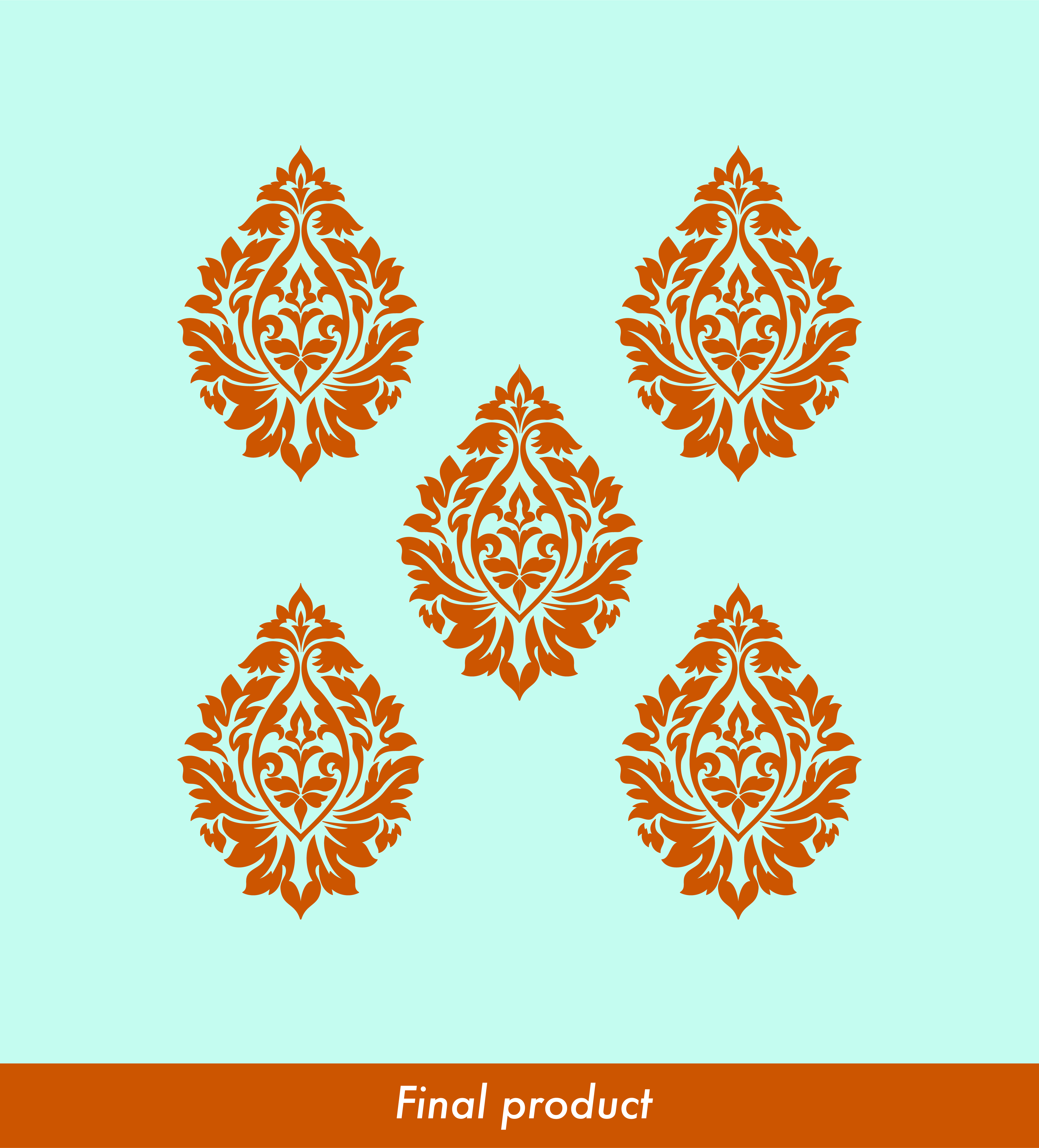
The labour of love of the coolers is going to turn out well. Use block painting ideas with your choice of colour and stencil. But, trust me, you won’t be able to take your eyes off it.
Give yourself a pat and enjoy the feast for the eyes!
To add extra thematic flair to your house, a colourful makeover could be of great help.
We have also created an infographic, which compiles this article and is easy for you to save. Please click on the link below:
https://www.gharpedia.com/infographic/diy-contrast-stencils-for-wall/
If you liked this article, do check out
10 Trendy Interior Colour Combinations For Walls
FAQs on How to Colour Block Wall With Vibrant Contrast Colours
1. What is colour blocking on walls?
Colour blocking is a decorative technique where contrasting colours are arranged in geometric or free-form block patterns to create a bold, visually engaging wall design. It adds depth and personality to interiors.
2. Which colours work best for colour block walls?
High-contrast combinations such as blue-orange, yellow-violet, red-green, purple-lime, or any pairing of warm and cool tones work extremely well. The colour wheel is the best guide for selecting combinations.
3. Do I need professional tools to create a colour block wall?
No. Basic tools like a cardboard stencil, pencil, roller, paint tray, household brush, and softener/stippling brush are enough to achieve professional-looking results at home.
4. How do I keep block edges clean and neat?
Draw precise outlines using a template and use a softener brush to feather the edges before the paint dries. This helps avoid harsh lines and creates a smooth transition.
5. Can beginners try colour block wall painting?
Yes. It’s an easy DIY project suitable even for beginners. With the right materials and step-by-step approach, anyone can create stylish block patterns at home.
References
Ellis, A. D. (1888) A Practical Manual of House Painting, Graining, Marbling and Sign Writing. Fifth edition. Lockwood & Co, London.
Fiona, B. (ed.) (2002) The House Book. United Kingdom, Parragon Press.
Cassandra, K. et al. (1998) 10,001 Hints and Trick for the Home. New York, D K Publishing, Ing.
Author & Expert Review
Written By: Huta Raval | Guest Author
| An English Literature and Journalism Topper, Huta Raval has graduated from the L D Arts College, Ahmedabad. Post serving for 23 years in the NBFC and Public Library Sectors her desire for ‘writing the unwritten’ brought her to the creative field of content writing. Her clientele comprises of NGOs, Blogging Platforms, Newspapers, Academic Institutions, et al. |
Verified By Expert:  Ravin Desai – Co Founder – Gharpedia | Co Founder – 1 MNT | Director – SDCPL

This article has been reviewed for technical accuracy by Ravin Desai, Co-Founder of Gharpedia and Director at Sthapati Designers & Consultants Pvt. Ltd. With a B.Tech. in Civil Engineering from VNIT Nagpur and an M.S. in Civil Engineering from Clemson University, USA, and over a decade of international and Indian experience in the construction and design consultancy sector, he ensures all technical content aligns with industry standards and best practices.
Find him on: LinkedIn