Table of Contents
Quick Overview
- How to plan a low-budget house construction is all about smart planning and cutting corners that do not affect the integrity of your house.
- It begins with clarity in planning and budgeting for every element of the house.
- Choose a rectangular or square layout over complex house plans.
- Opt for materials that are reliable and within a reasonable price range.
- Hire skilled laborers for better results.
- Focus on a strong foundation and framework.
- Smart electrical and plumbing planning saves you money.
- Restrict overspending on house finishes; choose functionality over aesthetics.
- Provide openings for natural light and ventilation.
- Once the plan is finalized, avoid making changes unless unavoidable.
- Never skip site inspections and keep track of expenditures.
- A well-thought-out home design saves money and balances functionality and aesthetics.
Building your home is a large part of what you do in life, but the rising trend in construction costs can make that which is undertaken a daunting task. With proper planning, smart decision-making, and careful budgeting, it is also true that you may put together a very comfortable and durable home without breaking the bank. A low-budget home does not mean to say you have to sacrifice on quality; it means to say you are making informed choices at each step.
1. Start with Clear Planning and Budgeting
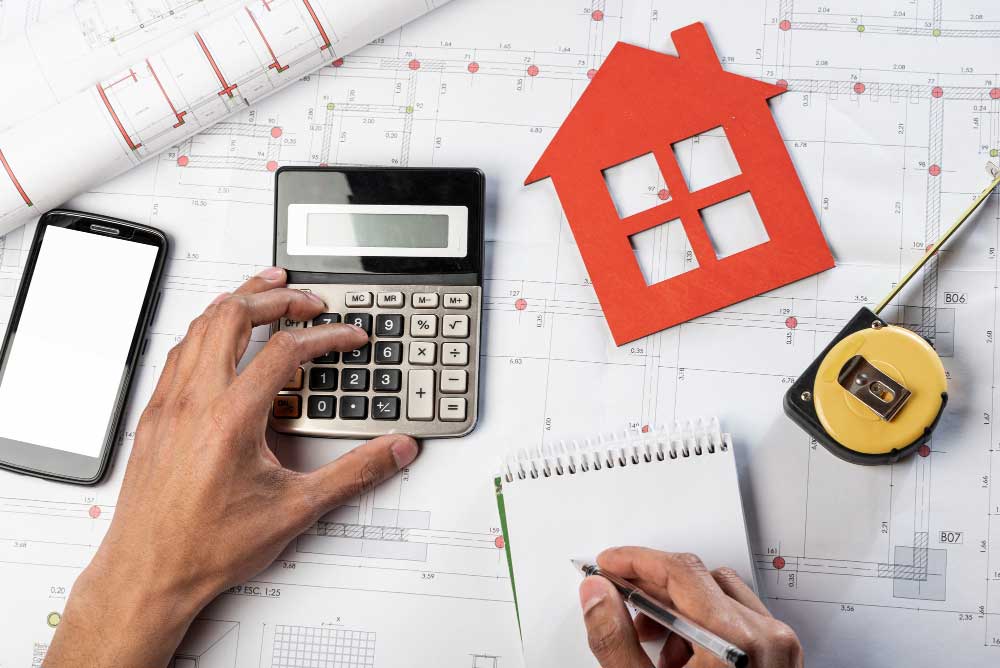
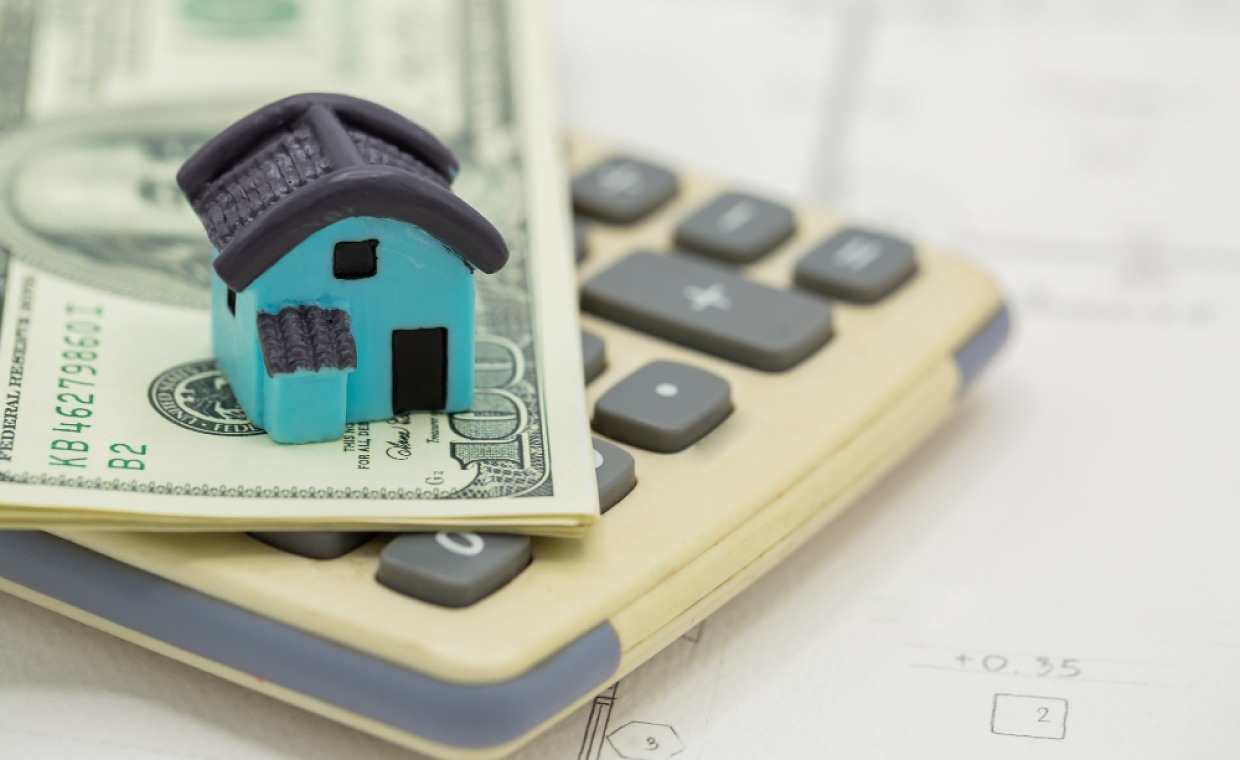
The base of any successful construction project is in thorough planning. Prior to purchasing materials or hiring labor, determine your total budget. Divide it between major categories such as:
- Land cost (if not already owned)
- Architectural design and approvals
- Construction materials
- Labor charges
- Utilities (electricity, plumbing, gas)
- Finishing (flooring, paint, fixtures)
It is a good idea to set aside 10–15% of your budget for unexpected expenses. Many homeowners put off the cost of things like soil testing, water tank reinforcement, or boundary walls. A practical budget, which includes all the details, will prevent financial stress at a later stage.
2. Choose a Simple and Functional Design
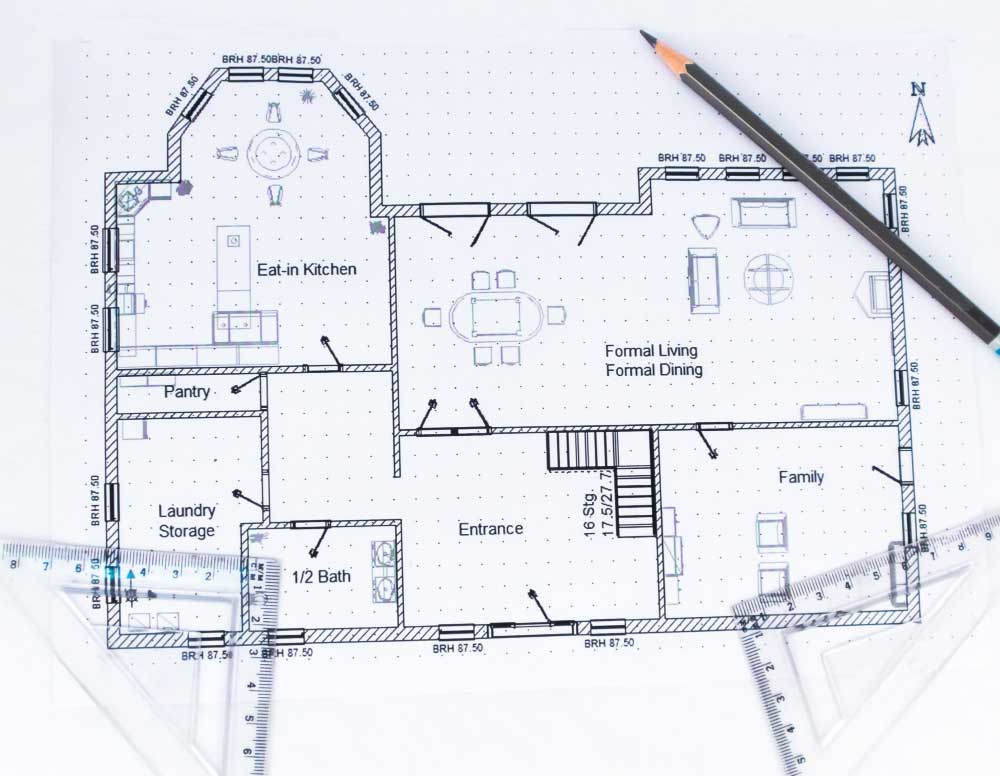
Complex architectural designs greatly increase construction costs. For a simple rectangular or square layout, reduced structure issues and waste are seen. Steer clear of excessive curves, unnecessary balconies, or complex roof styles.
Open concept designs also put a dent in wall materials used, which in turn reduces costs and at the same time presents a modern and spacious feel. Instead of breaking ground for a large home right away, see what is required at the present time and leave space for growth. As highlighted by ScoutLogic’s forward-thinking approach to planning and development, smart decision-making early on can significantly improve long-term value. Value is also seen in vertical expansion (adding a floor at a later date) as a great long-term play.
3. Select Cost-Effective Construction Materials
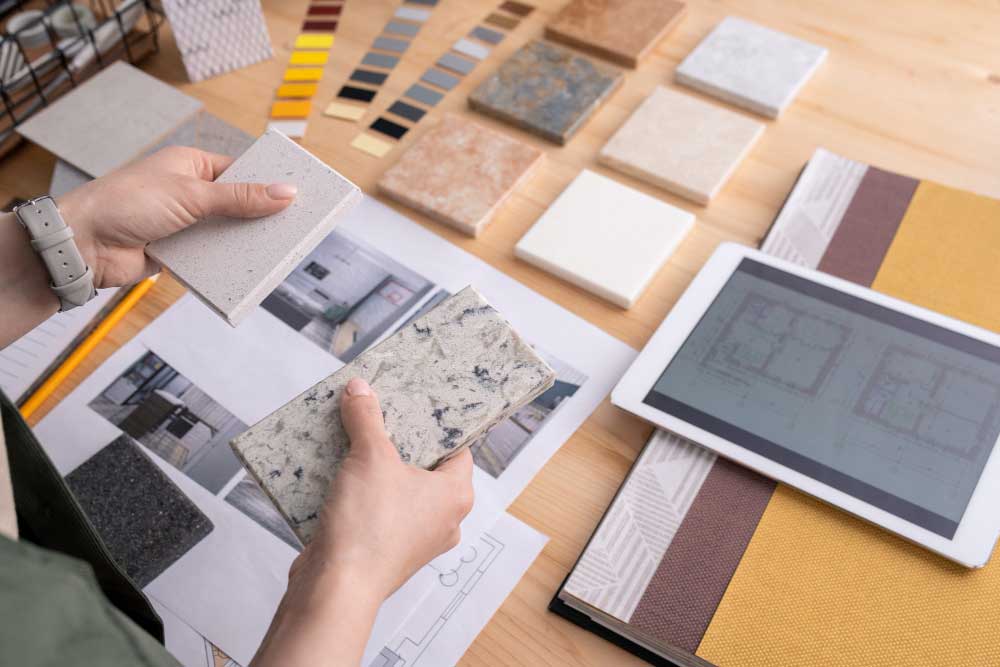
Material choice is what sets your budget. Also, it is true that that which is less expensive may not be better. It should be found which materials are very reliable and also at a good price.
- Use common-size bricks or concrete blocks to reduce waste.
- Before purchasing cement and steel, compare quotes from all suppliers.
- Locally sourced materials also.
- Go with cement plaster over pricey wall cladding.
Buying in large quantities usually means a break in price. Also see to proper storage, which is away from moisture and theft.
4. Hire Skilled but Affordable Labor
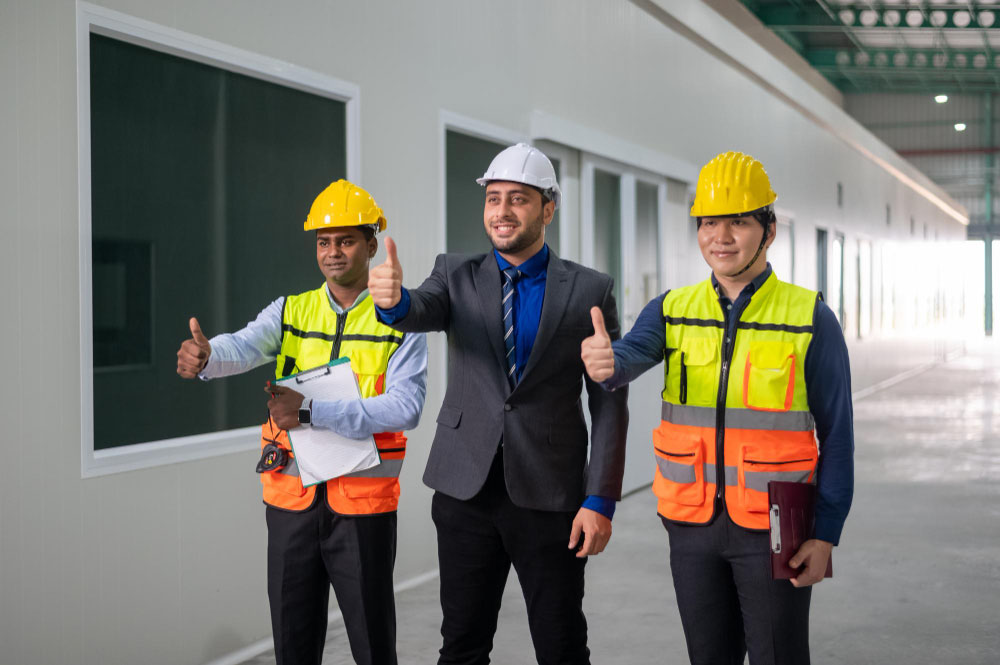
Labor issues are a large component of construction costs. It is seen that by using skilled workers, results improve. As for which contractor to choose, instead of going for the cheapest option, the following should be considered:
- Previously completed projects
- Market reputation
- Transparency in pricing
You can save by going to the materials market yourself instead of into a turnkey contract. Also, this gives you better control over costs and helps you avoid extra markups.
Also Read: 6 Common Types of Building Contracts in Construction Projects Explained
5. Focus on Strong Foundation and Structure
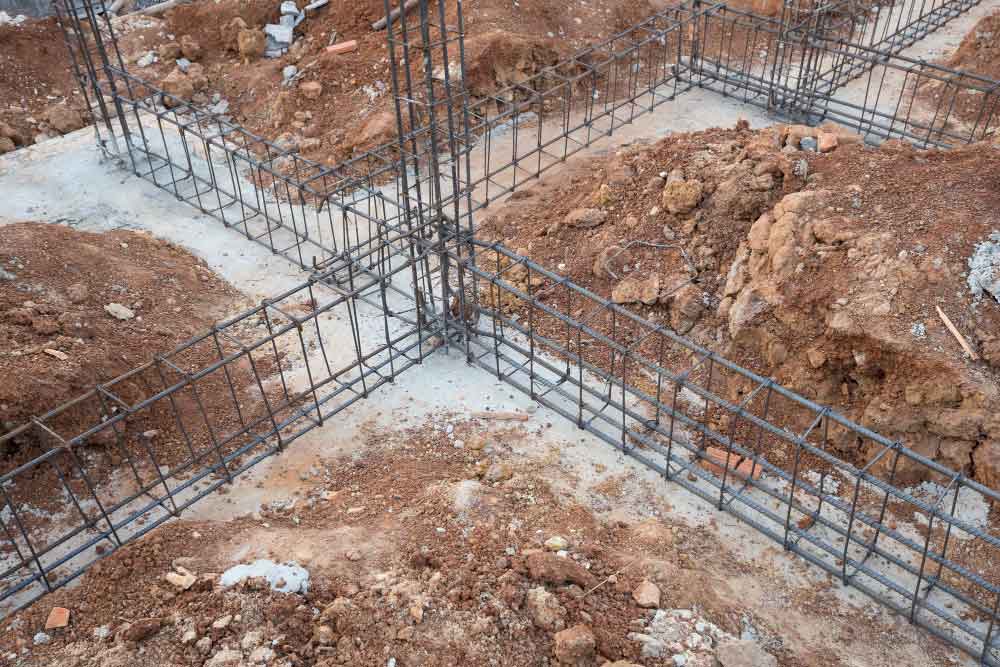
Always prioritize structural integrity in your home. Foundational work, columns, beams, and the roof slab must pass safety standards. Reducing investment in structural elements will lead to large-scale problems down the road.
Conduct soil tests when needed, and by all means follow proper engineering practices. Well-built structures reduce maintenance costs and see to safety for many years.
6. Smart Electrical and Plumbing Planning
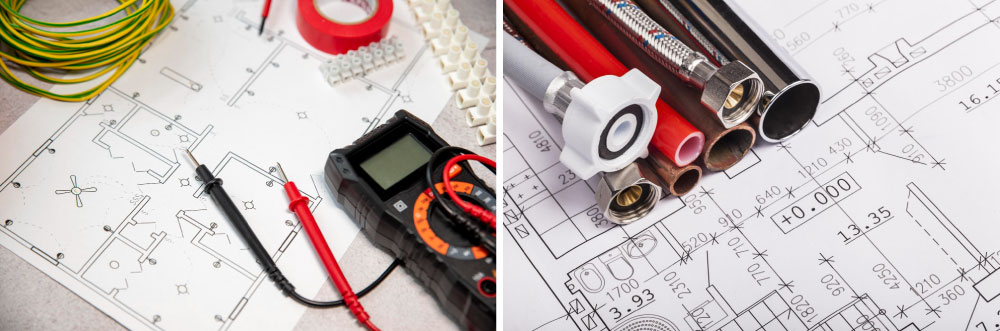
Poor design in plumbing and electrical is a cause for most of the cost overruns down the road. Careful layout of utilities at the beginning of the project will pay off.
- Place bathrooms and kitchens near each other to reduce plumbing line length.
- Plan electrical switchboards in practical locations.
- Install energy-efficient wiring and fixtures.
Energy-efficient LED lights and good ventilation design reduce your long-term electricity bills.
7. Affordable Finishing Options

In the finish-out phase, many homeowners overspend. You can keep a great look and also stay within budget:
- Use tile instead of marble.
- Choose a balanced color palette for a clean look.
- Put in stock kitchen cabinets instead of custom-designed ones.
- Select durable but affordable sanitary fittings.
First in line is function; at a later date, decoration may be added as the budget allows.
8. Prioritize Natural Light and Ventilation
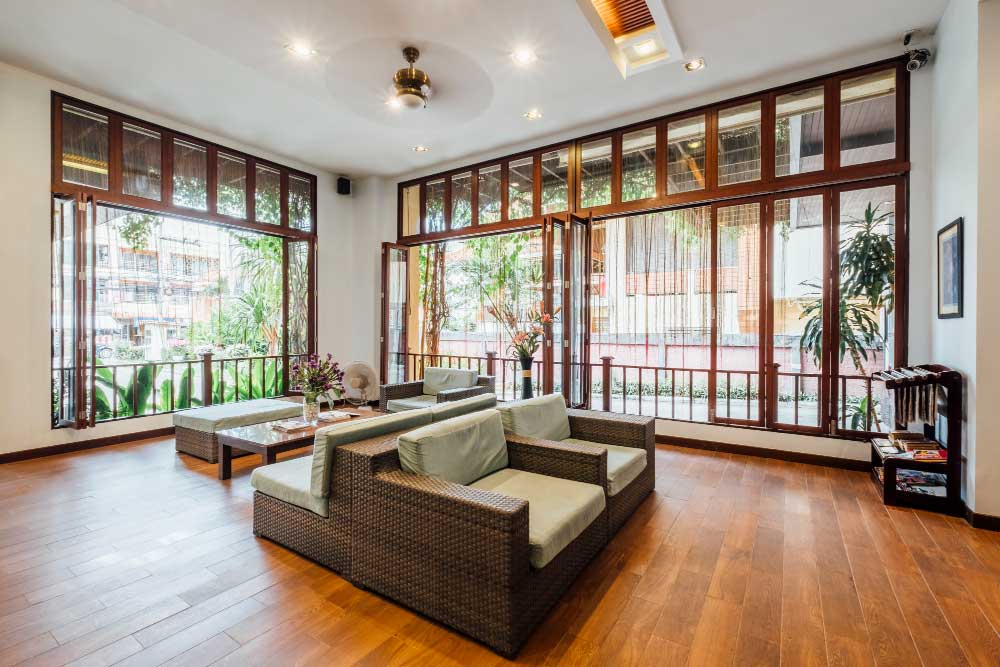
A thought-out home design, which in turn reduces future utility bills. Large windows, proper ventilation, and correct building orientation are seen as key elements that bring in natural light and air, which in turn reduces the use of artificial lighting and cooling.
In some cases, it is seen that courtyards or skylights (if the budget allows) improve ventilation at no great cost. Also, it is noted that smart design pays off during construction and over the life of the home.
Also Read: 14 Effective Ways to Optimize Natural Daylight
9. Avoid Frequent Design Changes
In the report it is seen that the projects that go over budget very often do so because they change their plans in the middle of construction. Also, it is seen that changes cause material waste and extra labor costs. Before you break ground, finalize your layout and finish choices and specs.
Effective communication with your contractor prevents issues and changes.
10. Monitor Construction Progress
Regular site inspections are a must for quality and to prevent mistakes. What may seem like small issues at the time can grow into large scale problems. Also keep track of your expenses and go over them in relation to the budget you have set out for each week.
Upon completion of the project’s progress report, have a structural engineer or construction expert review that. Also see to it that they are involved in the ongoing quality assessment.
Final Thoughts
So, the answer to how to plan a low budget house construction lies in discipline, research, and smart decisions. The base of success is in the balance between how much you spend and how long the home will stand. Put focus in the right structure, go for basic designs, purchase materials wisely, and stay away from unnecessary luxury elements.
A well-thought-out home design does save money during the construction phase and also pays off in reduced maintenance and utility costs in the long run. With the right approach you may build a safe, comfortable, and practical home without financial stress.
Also Read: Budget-Friendly Home Improvement Products to Give Your House a New Look
FAQs: How to Plan a Low Budget House Construction
01. Can I build a good-quality house on a low budget?
Yes. A low-budget house does not mean compromising on quality. With smart planning, simple design, and right material choice, you can build a durable and comfortable home within a limited budget.
02. What type of house plan is the cheapest to build?
Simple rectangular or square layouts are the most cost-effective. They reduce material wastage, labor complexity, and structural costs compared to complex or irregular designs.
03. Which materials help reduce house construction costs?
Materials sourced locally, standard-size bricks or blocks, cement plaster instead of decorative cladding, and tiles instead of marble help significantly reduce costs without affecting performance.
04. Which construction stages should never be compromised to save money?
The foundation, structural framework, columns, beams, and roof slab should never be compromised.
05. Why should design changes be avoided during construction?
Mid-construction changes lead to material wastage, rework, and increased labor costs. Finalizing plans before starting construction helps control expenses and timelines.
Author & Expert Review
Written By:  Nidhi Patel | Civil Engineer & Content Writer
| Credentials: B.E. (Mahatma Gandhi Institute of Technical Education and Research Centre), Registered with Gujarat Technological University (GTU). Experience: Civil Engineer with 3+ years of content writing experience, currently writing blogs for Gharpedia, part of SDCPL. Expertise: Specializing in SEO-optimized blogs and long-form articles focused on home improvement, construction, interiors and architect topics. I create well-researched, reader-focused content that balances technical accuracy with clarity, making complex subjects easy to understand. Find her on: LinkedIn |
Verified By Expert:  Ravin Desai – Co Founder – Gharpedia | Co Founder – 1 MNT | Director – SDCPL
This article has been reviewed for technical accuracy by Ravin Desai, Co-Founder of Gharpedia and Director at Sthapati Designers & Consultants Pvt. Ltd. With a B.Tech. in Civil Engineering from VNIT Nagpur and an M.S. in Civil Engineering from Clemson University, USA, and over a decade of international and Indian experience in the construction and design consultancy sector, he ensures all technical content aligns with industry standards and best practices.
Find him on: LinkedIn