Table of Contents
Quick Overview
- Urban homes face multiple challenges that are often neglected, such as pollution, temperature rise, fire accidents, pest infestations, and more.
- Toxic pollutants in the air damage walls, corrode metal, and shorten the life of your home’s exterior.
- Poor drainage and widespread flooding cause waterlogging and weaken the foundation.
- Densely populated areas are prone to the spread of fire caused by faulty wiring, LPG leaks, or overuse of circuits.
- Homes in urban areas that remain empty during working hours are soft targets for theft and burglary.
- Houses in seismic zones face a constant threat of structural damage due to frequent earthquakes
- Rising temperatures are causing roof, plaster, and plumbing damage.
- Pest infestations destroy woodwork, gnaw wiring, and compromise structural integrity.
- Crowded housing often leads to damage from neighbouring properties, such as leaks, fire spread, or falling debris.
- Legal and title disputes may arise from fraudulent sales.
- Ignoring small issues often leads to more expensive repairs later.
Urban homes face challenges that extend far beyond basic maintenance. From extreme weather and pollution to theft and fire hazards, risks are evolving as quickly as cities themselves.
Many homeowners focus solely on visible issues, while hidden vulnerabilities can lead to costly losses in terms of time, money, and peace of mind. Proactive planning, smart technology, and financial tools, such as insurance, provide the protection every household needs.
10 Urban Housing Risks and Smart Solutions for Homeowners
City homes face challenges that go beyond regular upkeep. From rising pollution to sudden natural disasters, urban risks demand proactive planning and reliable protection. Below are ten of the most significant risks to urban homes, along with practical strategies to mitigate them effectively.
1. Air Pollution and Structural Damage
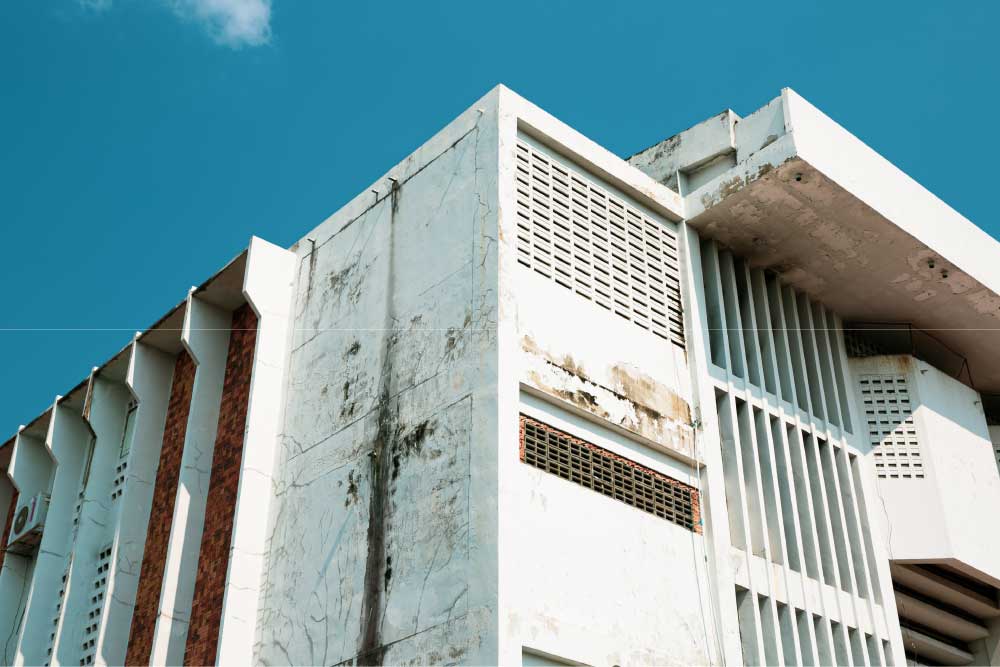
Indian metros, including Delhi, Mumbai, and Kolkata, regularly experience hazardous air quality levels. Toxic pollutants damage walls, corrode metal, and shorten the life of your home’s exterior. Over time, this weakens property value and increases repair costs.
a. Apply anti-pollution exterior paints.
b. Clean AC ducts and vents annually.
c. Use indoor air purifiers to protect interiors.
d. Service outdoor appliances like geysers and compressors regularly.
2. Waterlogging and Urban Flooding
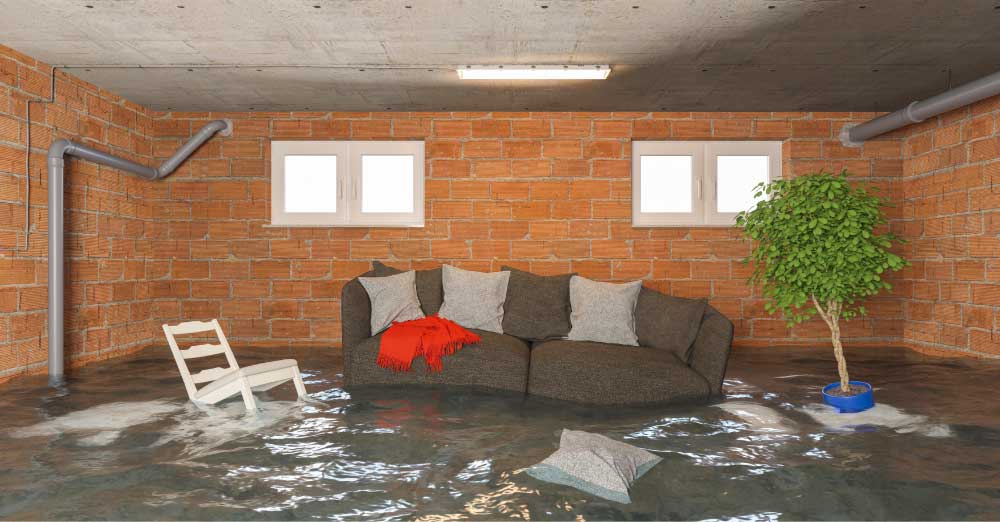
Cities like Chennai, Bengaluru and Mumbai are vulnerable to flooding in monsoon season. Poor drainage and lack of artificial water bodies turn rainfall into widespread flooding. Water flooding leads to ruined furniture, damaged wiring, and weakened foundations. Prolonged dampness also poses health risks through the growth of mould and fungi.
a. Elevate electrical fittings in flood-prone areas.
b. Waterproof basements and apply anti-fungal treatments.
c. Install sump pumps to clear standing water.
d. Extend your home insurance to cover flood damage.
3. Fire Hazards in High-density Areas
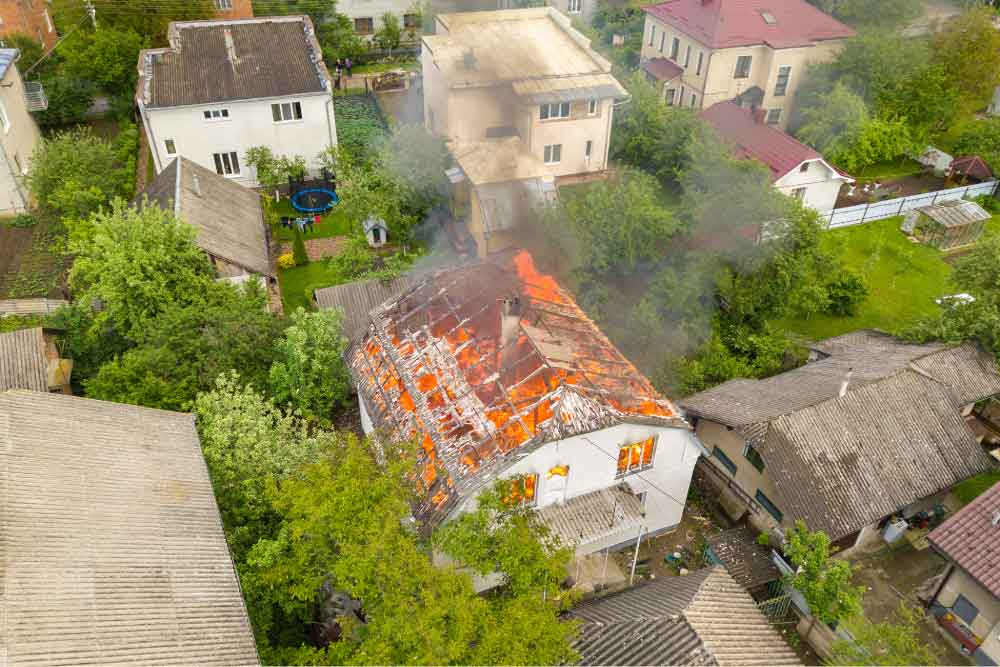
High-rise apartments and compact neighbourhoods are at greater risk of fire accidents caused by faulty wiring, LPG leaks, or overuse of circuits. In congested areas, fires spread more quickly, and delays in emergency response can exacerbate the losses.
a. Use certified wiring and avoid overloading sockets.
b. Install smoke detectors and fire extinguishers.
c. Maintain kitchen chimneys and LPG pipelines.
d. Obtain a comprehensive property insurance plan that includes fire protection coverage.
4. Theft and Burglary Risks
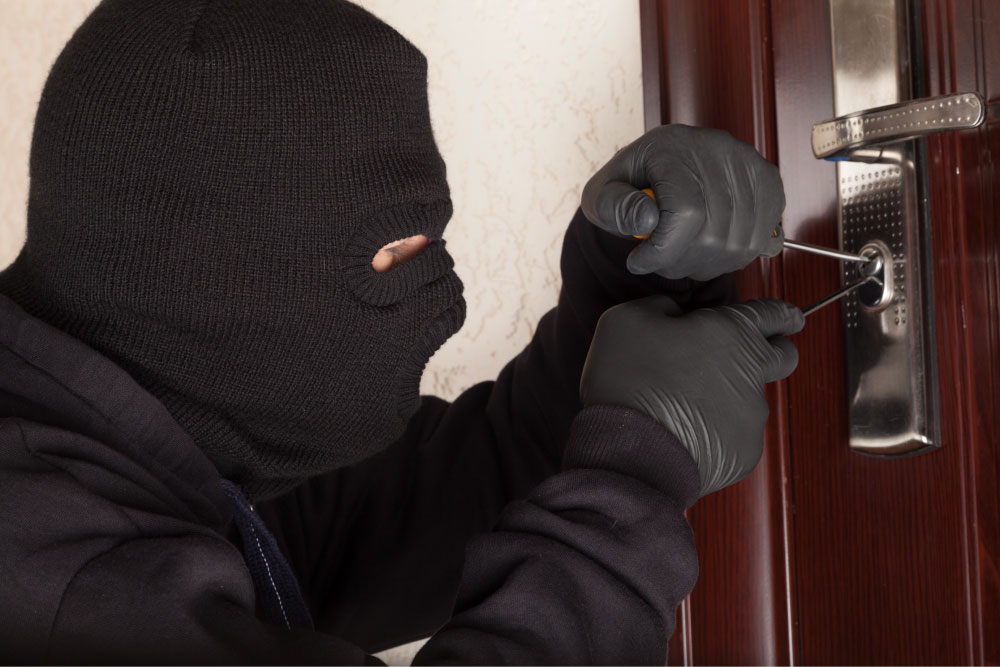
Homes in Tier-1 and Tier-2 cities often remain empty during working hours, making them vulnerable to burglary. Increasingly, organised theft targets gated communities as well, especially during holiday seasons.
a. Use biometric or smart locks.
b. Install motion-sensor cameras connected to smartphones.
c. Join community safety groups.
d. Opt for home insurance policies including theft and burglary coverage.
5. Earthquake Vulnerability in Seismic Zones
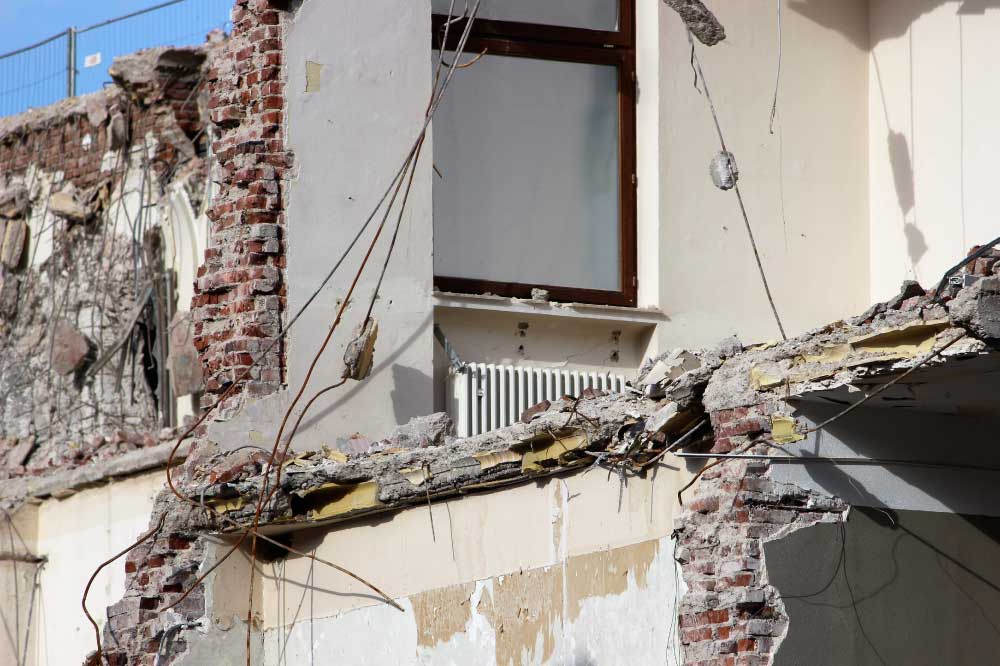
Cities like Delhi, Guwahati, and Srinagar fall in high seismic zones. Even mild tremors can damage walls, pipelines, and foundations. Older buildings, in particular, face greater risks if they lack modern safety codes.
a. Retrofit and reinforce older buildings.
b. Install flexible gas and water connections.
c. Anchor heavy furniture to walls.
d. Select property insurance that covers earthquakes.
6. Rising Heat and Urban Heat Islands
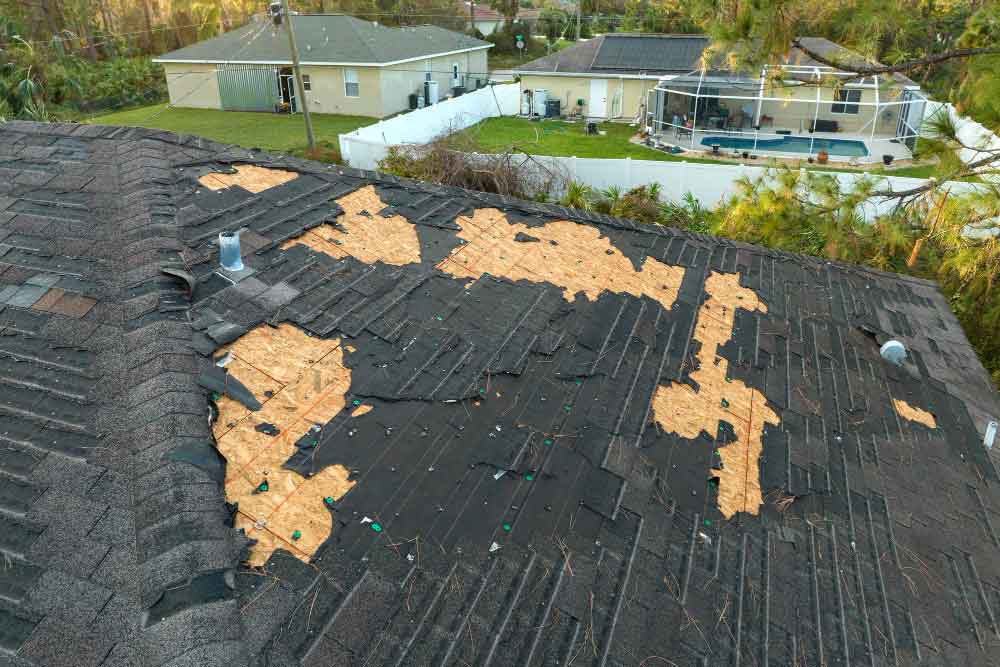
Excessive concrete development traps heat in cities, straining homes and damaging roofs, plaster, and plumbing. Intense heatwaves also increase energy bills and accelerate wear on cooling systems.
a. Apply heat-reflective roof coatings.
b. Use double-glazed windows.
c. Grow balcony or rooftop gardens.
d. Maintain plumbing regularly to avoid leaks.
Also Read: 17 Plumbing Maintenance Tips for Your Home
7. Pest Infestations and Structural Weakness
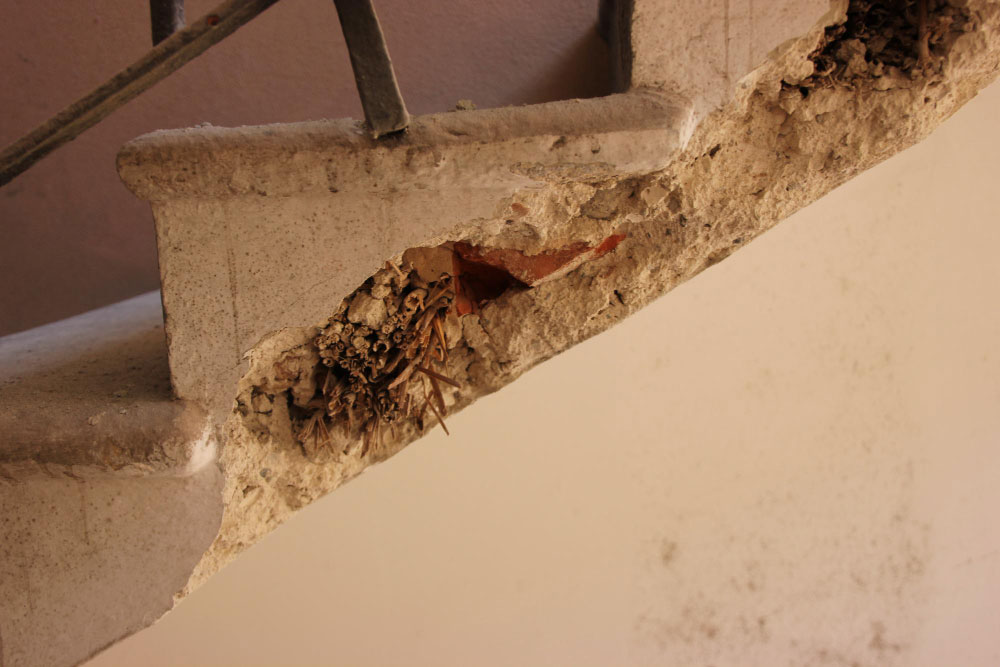
Termites, rodents, and cockroaches thrive in damp or neglected city homes. They destroy woodwork, gnaw wiring, and create costly repair needs. Left untreated, infestations can compromise the structural integrity and lead to recurring expenses.
a. Schedule pest control every 6 to 12 months for optimal protection.
b. Seal wall and floor cracks.
c. Store food in airtight containers.
d. Extend your home insurance to include repairs for infestations.
8. Accidental Damage from Neighbouring Properties
In crowded city areas, damage often comes from neighbours. Leaks, fire spread, or falling debris can affect your home. Poorly maintained nearby buildings can also expose your property to indirect risks.
a. Strengthen roofing and drainage systems.
b. Maintain good relation with neighbours for joint safety.
c. Document damages quickly for insurance claims.
d. Check if your property insurance covers third-party damages.
9. Legal and Title Disputes
Fraudulent sales and unclear land titles frequently lead to disputes in cities, impacting property values and ownership rights. Legal issues can tie up homes in long court battles, delaying resale or inheritance.
a. Verify property ownership records thoroughly.
b. Digitise and secure documents.
c. Register wills to prevent disputes.
d. Some property insurance plans include legal liability protection.
10. Wear and Tear from Neglect
Ignoring small issues, such as leaks or cracks, often leads to more expensive repairs later. Neglected homes also depreciate more quickly compared to well-maintained ones.
a. Maintain a six-monthly repair checklist.
b. Use durable materials for upgrades.
c. Track maintenance costs for future planning.
d. Protect your home against costly repairs with comprehensive home insurance coverage.
Final Thoughts
Protecting your home in urban requires more than quick fixes. It calls for consistent upkeep, awareness of local risks, and strong financial safeguards. By combining preventive measures with practical planning, you minimise long-term vulnerabilities.
Start with one step today, whether repairing, reviewing, or securing, because every action builds resilience. With foresight, smart practices, and reliable protection through home insurance, your home can remain a secure foundation for future generations.
Also Read: Home Protection: Difference between Home Warranty and Home Insurance
Protect Your Home from General Risks FAQs
01. What are the threats to an urban home?
An urban home is vulnerable to pollution, fire hazards, theft, temperature rise, waterlogging, pest infestation, and legal disputes.
02. Why are fire hazards dangerous in urban homes?
Urban living is highly congested, and fire can spread easily from adjacent properties.
03. Why does water get logged in urban cities?
The growth rate of urban cities is very high compared to the development of their drainage systems. Hence, during monsoons, it becomes difficult to manage runoff water, leading to waterlogging issues in urban areas.
04. What measures should be taken when building a house in a seismic zone?
Keep the following points in mind to keep your home safe in a seismic zone:
- Opt for an earthquake-resistant house design.
- Install flexible gas and water connections.
- Anchor heavy furniture to walls.
- Choose property insurance that covers earthquake damage.
05. Why is home insurance important for urban homeowners?
Home insurance offers financial protection against risks like fire, theft, floods, earthquakes, and accidental damages. It reduces the burden of unexpected repair or replacement costs.