Table of Contents
Quick Summary
- To increase property value, not always a full remodelling is the solution.
- Property values often increase with targeted upgrades. These upgrades are better than full demolition from property selling perspective.
- Buyers, appraisers, and inspectors value mostly about practical, permitted improvements.
- Renovations should match the neighbourhood’s value range. It protects return values.
- Appraisals widely rely on verified space and compliance, not surface-level décor.
- It is a good idea to build a separate usable space. It adds value without altering the main house.
- ADUs, garage conversions, and detached units offer the flexibility that buyers recognise.
- Unused yards and side spaces can become functional without significant disruption.
- Clean entryways, lighting, and maintenance shape early buyer perception
- Improvised electrical, plumbing, and insulation boosts property value significantly.
- Energy-efficient features signify comfort and trim down future costs.
- Proper permits and records of a property build confidence and support stronger valuations
Property value increase is a universal plan for property sellers.If you want to raise a property value, it doesn’t always require al everything apart. In many situations, targeted upgrades and smarter use of existing space yields more substantial returns than a complete remodel.
The key is identifying the changes actually register with buyers, appraisers, and inspectors, and the features that mostly look good and intriguing in photos.
The strategies below focus on practical improvements that translate into real value, not just visual appeal. Our main focus is to assess if it is possible to act for property Value Increase without a Full Remodel?
Focus on what Really Affects Value
Not all improvements are weighed equally. Fresh finishes help a home feel updated. But a property-value is often related to factors that are measurable and permanent. Factors like legal square footage, permitted work, and functional improvements tend to carry more weight than purely cosmetic upgrades. When changes are documented and compliant, they reduce buyer risk and strengthen appraisal results.
Knowing the Ceiling of the Neighbourhood
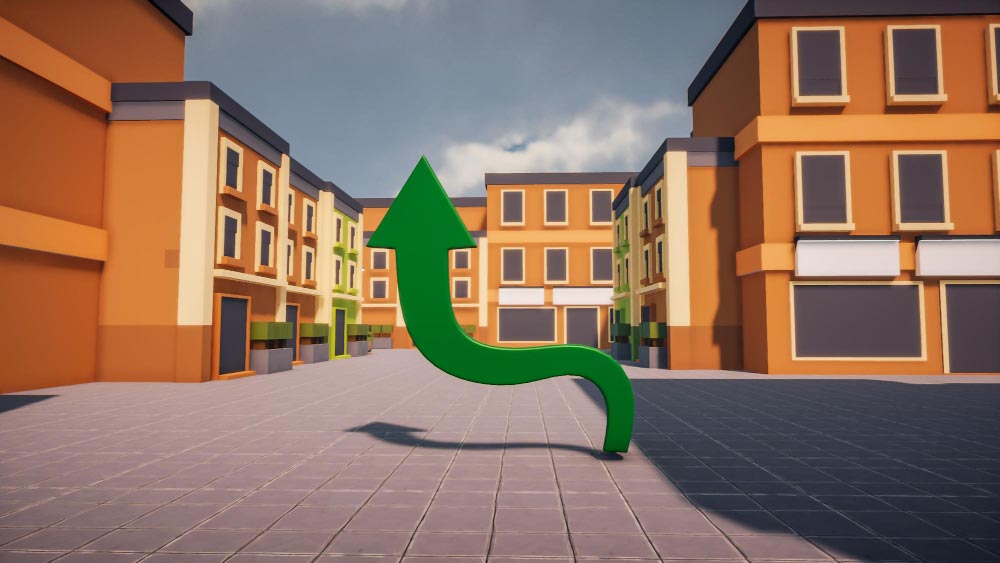
Every neighbourhood has a value range, and it is shaped by recent sales, lot sizes, and zoning limits. The key factors behind a property value increase are the improvements that push a home beyond that range often fail to return their cost, even when executed well. Focusing on upgrades that bring a property up to its local ceiling rather than exceeding it keeps investments aligned with what the market is willing to support.
The ways Appraisers Actually Evaluates a property
Appraisers don’t evaluate homes room by room the way buyers do, and therefore property value increase is not affected in this way. They look for points like verified square footage, permitted improvements, and the factors property compares to similar homes nearby. Features that can’t be clearly measured or documented tend to be discounted, no matter how useful they feel in daily life. If you understand this lens, it will certainly help explain why some upgrades move the needle on value while others barely register on paper.
Add Usable Space Without Touching the Main Home
Creating additional usable space is one of the most direct ways to increase property value without taking on a complete remodel. Focusing on areas that already exist or can be developed independently keeps the main home intact. At the same time, the property gains new function and flexibility.
For homeowners looking to formalize this kind of extra space, ADU Construction is often the best route. It allows an additional living unit to be added in a way that’s recognized by appraisers and lenders, rather than treated as a workaround. When done correctly, it helps in property value increase value while keeping the original house familiar and unchanged.
Garage Conversions
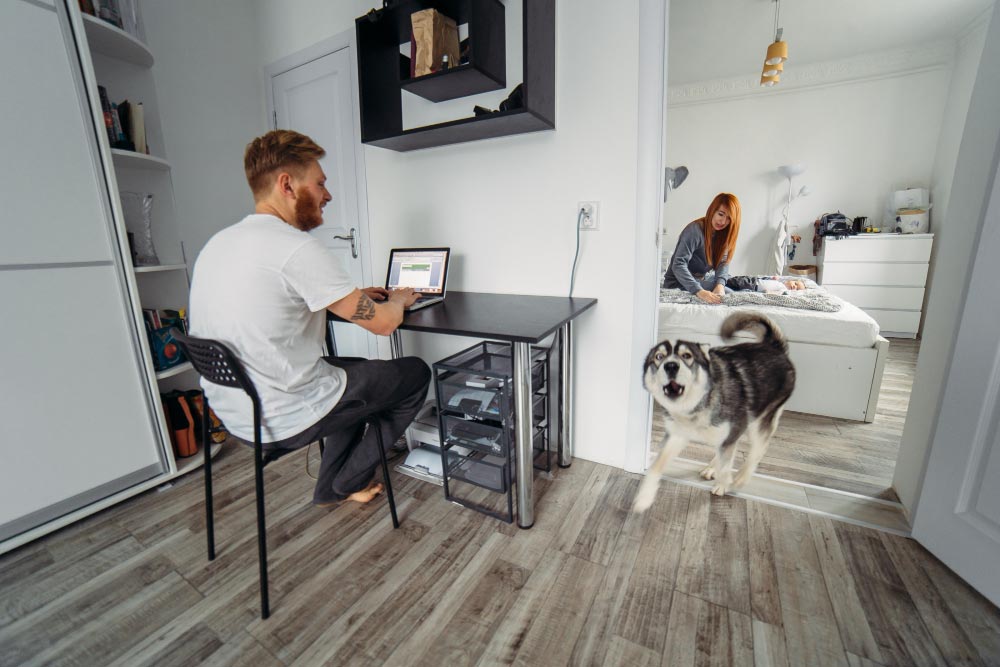
Garages are often one of the most underused parts of a property. The conversion of an existing garage into living space can add meaningful square footage without changing the home’s footprint and result in abrupt property value increase. This type of space works well as a studio, guest suite, home office, or rental unit. Buyers often view garage conversions as efficient and practical, especially in areas where flexible living space matters more than parking.
Detached Units
A detached unit acts as a clear separation point between the main home and the new space. Many buyers see it as a significant advantage. This setup works well for rental use, extended family living, or long-term guests. Working with an experienced Accessory Dwelling Units Builder helps ensure the unit is permitted, properly documented, and valued as a standalone asset rather than a compromise.
Using Underutilised Outdoor Space
In a property, the spaces like side yards, rear lots, and oversized backyards are often overlooked in sale deal. If these areas can be developed into functional space, the modification can improve land efficiency and overall appeal of the property resulting in property value increase. Even compact structures, when placed thoughtfully, can turn unused outdoor areas into assets without affecting privacy or flow.
Improve the Exterior where It Counts

First impressions are always powerful. It exerts strong influence on the viewers. Buyers form opinions before they walk through the front door. The minor exterior updates can change how the entire property is perceived.
For example, clean pathways, functional lighting, a clear entry, and low-maintenance landscaping signifies regular care and upkeep. These changes don’t need to be expensive; but these changes need to look intentional.
Make Value Decisions before Spending
The biggest mistake homeowners make is upgrading without a plan to increase property value. Not every improvement adds value in every market, and overbuilding can backfire. This stage is less about construction and more about understanding what makes sense for the property, the neighbourhood, and the likely buyer.
Working with experienced teams like DT Development can be helpful at this stage, especially when the focus is on evaluating feasibility, permits, and return on investment before spending money. A clear planning helps preventing wasted upgrades. It keeps improvements aligned with real market demand.
Think Like a Buyer

The property value is shaped by how confident a buyer feels about the future, not by how much effort went into the upgrades. Looking at the home through a buyer’s lens helps focus on changes that feel sensible, low-risk, and easy to live with, rather than overly personal or cosmetic and it helps in property value increase.
Update Systems Buyers Ask about
Some of the most impactful upgrades aren’t immediately visible during a showing. Buyers may focus on finishes first, but real decisions are shaped during inspections. When core systems are updated and clearly documented, hesitation drops and negotiations tend to go more smoothly. To increase property value, it is a proven trick.
Electrical and Plumbing Systems of a Property
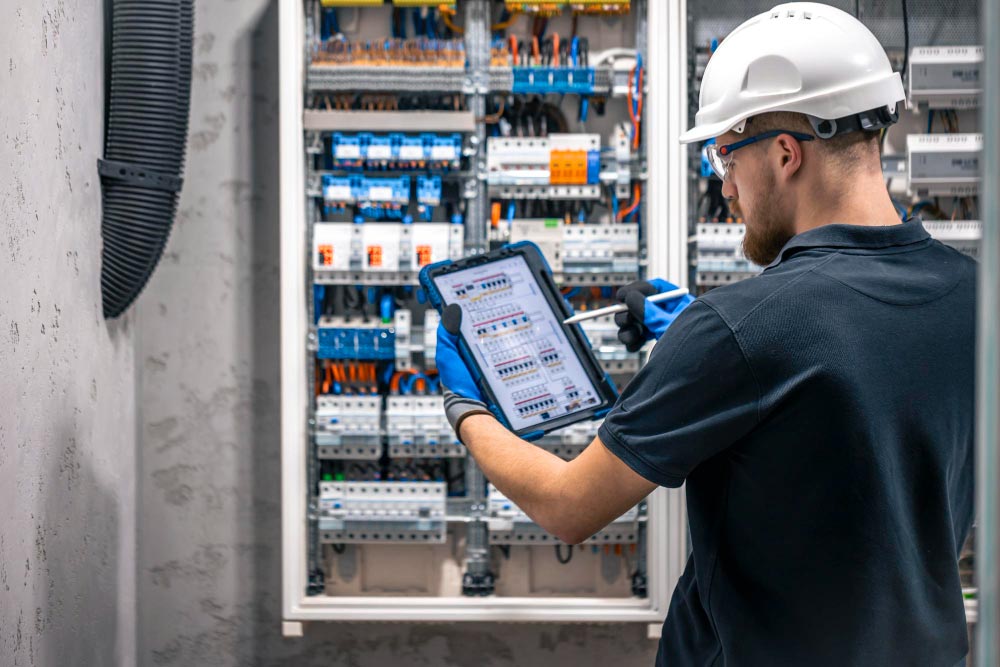
Few factors like outdated electrical panels, aged wiring, or old plumbing systems are treated as red flags for property buyers, and the factors may work as hindrance to increase property value. Even if everything is functional, buyers often think ahead to safety, insurance, and future repair costs. The problems can be tackled by updating panels, replacing old pipes, or fixing known issues in advance. These changes reduce uncertainty to a large extent and signifies responsible ownership.
Insulation and Energy Efficiency
Insulation, windows, and energy-efficient systems rarely stand out visually, but they influence comfort and long-term costs. Improved insulation, updated HVAC components, or efficient water heaters help buyers feel the home will be easier to maintain and more predictable to live in.
Documentation and Permits
Well-documented upgrades matter for their utilities. Permits, invoices, and inspection records help buyers and lenders confirm that work was done properly. When documentation is missing, uncertainty can quickly turn into price negotiations.
Conclusion: Smarter Ways to Build Value
Increasing property value does not require starting over from the scratch. When improvements are planned with an eye of the purpose, and tied to how buyers actually evaluate a home, it becomes possible to build equity through practical upgrades that make sense financially and functionally, without taking on the cost or disruption of a full remodel.
Also Read: Easy Ways to Add Value to Your Property!
FAQs on Increase Property Value without Full Remodel
1. What Upgrades Can Add the Best Value to a Home/Property?
Home- Upgrades that change the home functions usually matter most for the buyers. By adding living space, approved conversions, and updated electrical or plumbing systems tend to influence price more than surface-level finishes.
2. Is a Full Remodel Necessary to Increase Property Value?
In most cases, no, it is not required. Strategic improvements often curate better returns. Buyers respond well to sensible updates that improve usability without the cost, disruption, and risk of a full renovation.
3. Do Garage Conversions Really Increase Resale Value?
Garage conversions are viewed positively when it is legally approved. Extra living space can be used for multiple purposes. Besides extended space, it appeals to buyers looking for flexibility rather than a rarely used parking area.
4. How do Appraisers Calculate Home Value after Upgrades?
Usually, appraisers rely on documentation. They measure square footage, and other neighbouring details. Decorative features carry little weight. What matters is whether improvements are permanent, approved, and comparable to similar homes.
5. Why do Permits Matter for Upgrading A Property?
Permits are legal documents. These documents validate that the remodelling work adhere to the safety and approved building standards. Without them, buyers may worry about future issues, leading to lower offers or longer negotiations during the sale process.