









Table of Contents
Quick Summary
- Major plumbing leak signs are never seeming serious at first instance. They often start small and go unnoticed until serious damage occurs
- Early signs include higher water bills, stains, musty smells, and low pressure
- Unusual sounds, like dripping or hissing, may indicate hidden leaks
- Visible puddles or damp spots suggest active leakage
- Structural issues like cracks or warped surfaces signal long-term damage
- Mould growth is a health risk linked to excess moisture
- Ignoring leaks increases repair costs and risks
- Early detection helps prevent major damage
- Professional inspection ensures accurate diagnosis and repair
Major plumbing leak signs are serious problems. But these pplumbing problems rarely start as emergencies. Most of the time, they begin quietly—small drips, subtle changes in water pressure, or a faint smell you can’t quite place. The trouble is, those early warning signs are easy to overlook until the damage becomes understandable and expensive.
A major plumbing leak can impact negatively on your home’s structure. Also, it can increase your water bills, and even it can create health risks if mould begins to grow. Recognising the signs early gives you a chance to act before things get worse. Many homeowners turn to trusted professionals like T&T plumbing when they notice something off, but knowing what to watch for is the first step.
Below are the most common signs of a signs of hidden water leaks in home that should never be ignored.
1. Unexpected Spikes in Your Water Bill
How to detect a water leak in your house? One of the earliest signs of a hidden leak is a sudden increase in your water bill. If your usage habits haven’t changed but your bill has gone up, there’s a good chance water is escaping somewhere in your system.
Even a small, continuous leak can waste a surprising amount of water over the time. For obvious reason, larger leaks, especially those behind walls or under floors, can drive costs up quickly without any visible evidence at first.
It’s worth comparing your recent bills to previous months. If you see a noticeable jump with no clear reason, it’s time to investigate further.
2. Water Stains or Discolouration
Water doesn’t stay hidden forever. Eventually, it leaves marks, which are early warning signs of plumbing problems. Look for:
- Yellow or brown stains either on ceilings or walls
- Bubbling or peeling paint
- Warped drywall
These abovementioned signs often indicate that water is pooling behind the surfaces. Ceiling stains are especially concerning as they may point to leaks from pipes running between floors.
Even if the stain appears small, the damage behind it could be much larger.
3. Musty or Damp Odours

A persistent musty smell is often found linked to hidden moisture. When water leaks into enclosed spaces like wall cavities or under flooring, it creates an ideal environment for mould and mildew to grow and thrive.
You might notice:
- A damp smell in certain rooms
- Odors that don’t go away with cleaning
- A stronger smell after humidity increases
This isn’t just unpleasant—it can also affect indoor air quality. If you detect ongoing odours without a clear source, a plumbing leak should be on your list of possibilities.
4. Low Water Pressure
Sudden drop in water pressure is frustrating. But besides irritation, it can also indicate a deeper hidden issue. Plumbing leaks reduce the amount of water reaching your fixtures, and it leads to weak flow from faucets and showerheads.
While low pressure can also come from mineral buildup or fixture issues, a sudden or widespread change across multiple areas of your home often points to a leak in the system. It is one of the common plumbing leak symptoms to watch.
If pressure drops without explanation, it’s worth having your plumbing inspected.
5. Sounds of Running Water is Alarming
Hearing water when everything is turned off, is never a good sign.
Pay attention to:
- Hissing sounds inside walls
- Dripping noises when no fixtures are in use
- Water running through pipes at odd times
These sounds mostly indicate that water is escaping somewhere it shouldn’t be. In some cases, the leak may be small but constant. It may lead to long-term damage, if ignored.
6. Wet Spots or Puddles
Visible water is one of the clearest signs of a plumbing issue. If you notice puddles forming under sinks, around appliances, or along floors, it’s important to act quickly. Check areas like:
- Under the kitchen and bathroom sinks
- Around washing machines and dishwashers
- Near water heaters
Even minor pooling can be a signal of a larger leakage problem, apparently hidden. Water tends to travel, so the source of the leak may not be directly above the visible spot.
7. Cracks in Walls or Foundation
Cracks on the walls or on foundation are one of the more serious warning signs. Long-term leaks can weaken structural materials, leading to cracks in walls, ceilings, or even the foundation.
You may notice:
- Hairline cracks, wide-spreading over time
- Uneven flooring
- Doors or windows are not closing properly
These leakage-related issues don’t happen overnight. They often result from ongoing moisture exposure that slowly compromises your home’s integrity.
8. Mould Growth
Mould grows well in damp environments. Plumbing leaks provide exactly the conditions it needs to thrive.
Signs of mould include:
- Dark spots on walls or ceilings
- Increased allergy symptoms indoors
- A lingering musty smell
Mould can spread quickly once it starts, and removing it can be costly. Addressing the underlying leak is the only way to stop it from returning.
When to Call a Professional
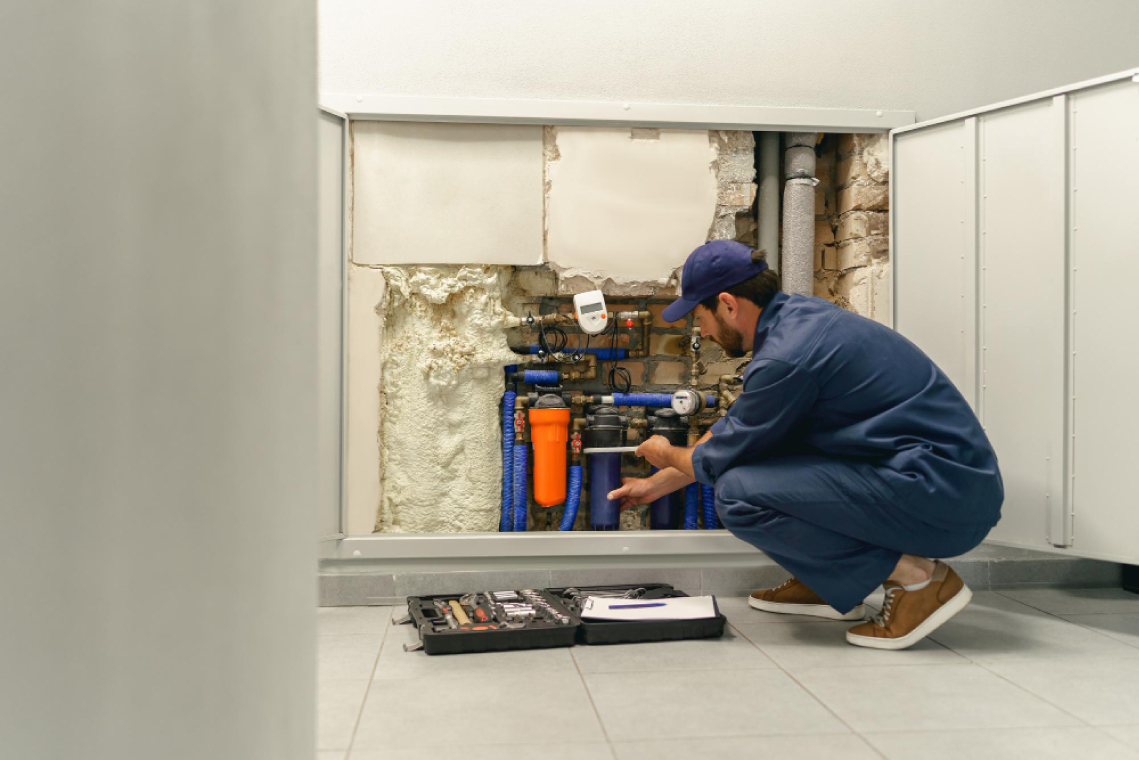
It is important to know when to call a plumber for a leak detection and restoration of the fault. Some plumbing issues are easy-to-fix; but incidents of major leaks require professional attention. If you notice more than one of these major plumbing leak signs, it’s best to act sooner rather than later.
Professionals like T&T Plumbing maintain the latest tools and hold the experience to locate hidden leaks, assess the damage, and make the necessary repairs. Waiting too long may turn a manageable repair into a much larger project.
Conclusion
Plumbing leaks rarely fix themselves—they only get worse with time. Acting early can save you from costly repairs, structural damage, and health risks. Stay alert to subtle warning signs and address them promptly. When in doubt, consulting a professional ensures your home remains safe, efficient, and protected from hidden water damage.
Also Read: 17 Plumbing Maintenance Tips for Your Home
FAQs on Major Plumbing Leak Signs
1. What Are the First Signs of a Hidden Plumbing Leak?
Early signs include rising water bills, musty odours, wall stains, low pressure, and unusual sounds from pipes or fixtures.
2. Can a Small Plumbing Leak Become a Serious Problem?
Yes, it is a mere reality. Even small leaks can worsen over time. It causes structural damage, mould growth, higher water bills, and costly repairs if left unchecked.
3. How Do I Know If a Leak Is Behind Walls or Under Floors?
Look for musty smells, bubbling paint, warped surfaces, reduced pressure, or unexplained sounds, which often indicate concealed leaks within your home.
4. When Should I Call a Professional Plumber for a Leak?
You should call a plumber immediately if you notice multiple leakage signs, persistent moisture, or unexplained water loss, etc. An early intervention will help you to prevent further damage and expenses.
5. Can Plumbing Leaks Affect Health Inside the Home?
Yes, leaks can cause mould growth and poor air quality, causing allergies and respiratory issues. An early detection can repair the problems efficiently.
Author & Expert Review
Written By:  Swagata Chatterjee | SEO Content Writer & Editor

| Credentials: MA (Calcutta University, Kolkata). Experience: Content Writer and Editor with 19 years’ experience of business content writing and editing, currently writing SEO-optimized, readers’-friendly articles for Gharpedia, part of SDCPL. Expertise: Specializes in writing well-researched content on lifestyle, home décor, , lifestyle, safety, home appliances and gadgets, on-site SEO Optimization, blending technical accuracy with general reader’s ability to learn the topics. Find her on : Linkedin |
Verified By Expert:  Ravin Desai – Co Founder – Gharpedia | Co Founder – 1 MNT | Director – SDCPL

This article has been reviewed for technical accuracy by Ravin Desai, Co-Founder of Gharpedia and Director at Sthapati Designers & Consultants Pvt. Ltd. With a B.Tech. in Civil Engineering from VNIT Nagpur and an M.S. in Civil Engineering from Clemson University, USA, and over a decade of international and Indian experience in the construction and design consultancy sector, he ensures all technical content aligns with industry standards and best practices.
Find him on: LinkedIn