Table of Contents
Quick Overview
Here is the quick summary on modern building materials:
- Engineering is not just about load calculations; material choice dictates a building’s performance, cost, and longevity.
- Modern materials like high-performance concrete, engineered timber, and smart materials are replacing or enhancing traditional options.
- Selection involves balancing technical factors like tensile strength with practical ones like constructability, transport, and fire safety.
- Modern engineers must account for embodied carbon and the full life cycle of materials, not just their initial cost.
- Deep material knowledge helps students collaborate better with architects and contractors and provides stronger logic for technical reports.
Engineering students often focus on numbers first. They study loads, stress, thermal behavior, and safety factors. All of that is essential, but materials deserve just as much attention. A strong design on paper can fail in practice if the chosen material does not match the job. In modern construction, materials are not just passive parts of a building. They shape performance, cost, sustainability, and even the speed of construction.
That is why learning about modern building materials matters so much. Today’s engineers work in a world where concrete is being improved, timber is being reimagined, and smart materials can react to heat, light, or pressure. The field is changing quickly. Students who understand these changes will be better prepared for both academic work and real projects. In simple terms, building materials are the bones and skin of any structure. If you do not know them well, the whole body of the design becomes weaker.
Why Building Materials Matter in Engineering?
Materials influence almost every part of a building’s life. They affect strength, durability, insulation, maintenance, and environmental impact. A material also changes how a building feels and functions over time. Two structures may have the same shape and dimensions, yet perform very differently because of their material choices.
Engineering students need to understand that material selection is never random. It is a technical decision with practical consequences. Steel may offer high strength, but it can also raise costs and require protection from fire. Concrete is durable and widely used, yet it carries a high carbon footprint. Timber can be lighter and more sustainable, but it needs careful design to meet safety and moisture demand.
This is where engineering becomes more than calculation. Students must connect theory with application. They need to ask important questions. Will the material last in a humid climate? Can it handle repeated loads? Is it easy to transport and install? Does it support the environmental targets of the project? A good engineer does not just design a structure that stands. A good engineer helps create one that works well over time.
Why Material Knowledge Supports Academic and Professional Success?
Material knowledge does not help only in design classes. It supports report writing, lab work, teamwork, and communication with architects, contractors, and clients. Students who understand materials well can explain decisions more clearly and defend their choices with stronger logic. This matters in university assignments too. Engineering programs often require case studies, technical reports, and project analysis. In this case PapersOwl service for college students is helpful when they need help organizing written work around technical topics, design reasoning, and research evidence while keeping up with demanding course loads.
In professional settings, the same communication skills become even more valuable. Engineers need to justify why one material is safer, cheaper, faster, or more sustainable than another. That argument must be precise and practical. It is not enough to say a material is innovative. The engineer must show why it makes sense for that project.
Students should also remember that material knowledge supports teamwork. Construction projects involve many voices. Architects may focus on visual goals. Contractors may focus on installation. Clients may focus on cost. Engineers sit in the middle of these priorities and help turn ideas into solid decisions. A strong understanding of materials makes that role much easier.
Types of Modern Building Materials Students Should Recognize
Modern building materials include both improved traditional options and completely new solutions. Some are designed to be stronger. Others are developed to reduce energy use, shorten construction time, or lower environmental harm. Students should know the main categories and understand why each one matters.
High-performance concrete is one important example. It offers better durability and strength than standard mixes. Engineers use it in bridges, towers, and structures that face severe weather or heavy loads. Engineered timber is another major development. Products made from layered wood can support large structures while reducing weight and carbon impact.
Recycled materials are also gaining attention. Recycled steel, reclaimed wood, and reused aggregates help reduce waste. These options support circular construction, where materials stay in use longer instead of ending up in landfills. In parallel, advanced insulation products improve energy efficiency and help buildings meet stricter standards.
1. Smart Materials and Their Role
Smart materials react to changes in their environment. This quality makes them especially interesting for modern construction. Some materials can respond to temperature, pressure, moisture, or light. Their behavior gives engineers new ways to improve safety, comfort, and energy performance.
A simple case is thermochromic glass, which changes its properties depending on heat or sunlight. This can reduce indoor overheating and lower cooling demand. Shape-memory alloys are another example. These metals can return to a set form after deformation, which makes them useful in some specialized structural applications.
For students, the main lesson is clear. Materials are no longer static building blocks only. In some cases, they act almost like active systems inside the structure. That shift changes how engineers think about design.
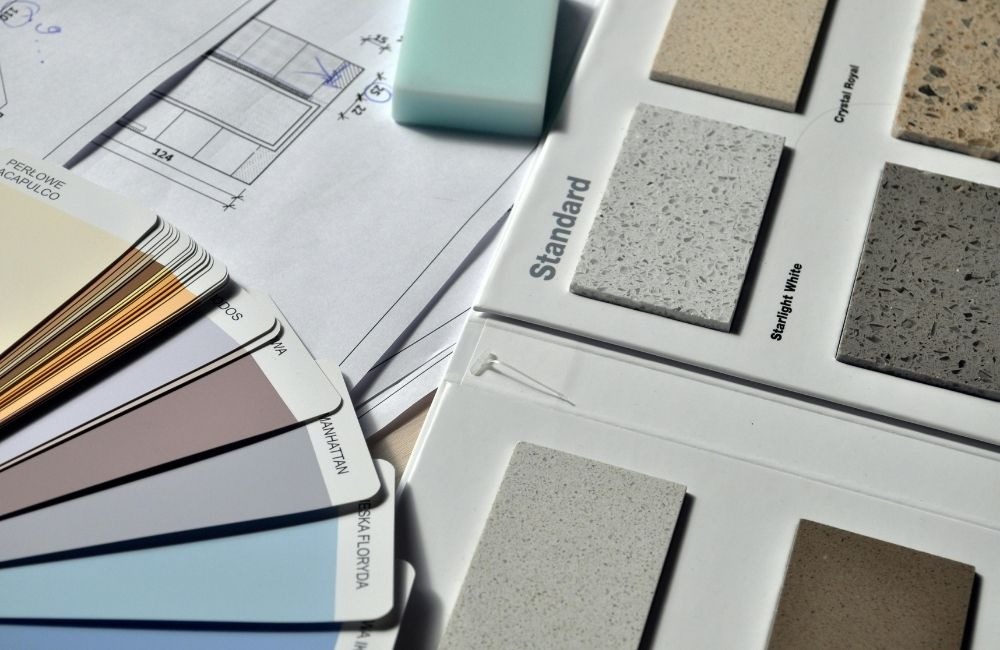
2. Sustainable Composites and Engineered Timber
Sustainability has pushed material science in new directions. Composite materials combine different substances to improve performance. Fiber-reinforced polymers, for instance, can offer high strength with lower weight. They are often used where corrosion resistance matters.
Engineered timber has also moved from a niche option to a serious structural choice. Cross-laminated timber and glued laminated timber allow larger wooden structures than many people expect. These products can perform well while storing carbon and reducing dependence on heavier materials.
Still, students should avoid simple assumptions. A material is not automatically “better” just because it sounds modern or green. Performance depends on context. The real question is whether the material fits the specific demands of the project.
What Engineering Students Should Evaluate Before Choosing a Material?
When students compare materials, they should look beyond basic strength tables. Mechanical performance matters, but it is only one part of the picture. Modern engineering demands a wider view.
First, students should consider structural behavior. This includes compressive strength, tensile strength, stiffness, and fatigue resistance. These properties determine how a material performs under load and over time. Second, durability matters. Materials face moisture, heat, corrosion, freezing cycles, and chemical exposure. A building in one environment may need very different choices than a building in another.
Third, there is constructability. Some materials are easier to cut, transport, lift, or assemble. This affects labor, equipment, and timing. A material that looks perfect in theory may create delays on site. Fourth, students should examine cost in a broad sense. Initial price is important, but long-term maintenance, repair, and replacement costs also matter.
Environmental impact is another key factor. Many projects now consider embodied carbon, energy use, and waste reduction from the start. Engineers are expected to think about a building’s full life cycle, not just its first day of use. That is why material selection today feels a bit like chess. Each move shapes the next one, and one poor choice can create problems much later.
Conclusion
Modern building materials are changing the way engineers design and think. Engineering students need to know more than the names of new products. They need to understand performance, durability, sustainability, and practical use in real conditions. From smart glass to engineered timber, these materials open new possibilities, but they also demand careful judgment. Students who build this knowledge early will be better prepared for coursework, stronger in project discussions, and more confident in future careers. In the end, materials are not just what buildings are made of. They are one of the main reasons buildings succeed or fail.
Also Read: Different Types of Building Materials Used in Construction
FAQs on Modern Building Materials
1. How do Building Materials Affect the Performance of a Structure?
Materials influence many factors such as load-bearing capacity, thermal insulation, resistance to weather, maintenance needs, and environmental impact.
2. What are Smart Materials in Construction?
Smart materials are materials that respond to environmental changes such as temperature, pressure, light, or moisture.
3. Are Modern Building Materials Better Than Traditional Ones?
Not necessarily. Each material has advantages and limitations. The best choice depends on the specific project conditions, such as climate, structural requirements, cost constraints, and sustainability goals.
Author & Expert Review
Written By:  Kinjal Mistry | Civil Engineer & Senior Content Writer
| Credentials: B.E. (Dharmsinh Desai University, Nadiad, Gujarat). Experience: Civil Engineer with 9 years of content writing experience, currently writing impactful articles for Gharpedia, part of SDCPL. Expertise: Specializes in writing well-researched content on home improvement, sustainability, building materials, home interior, DIY, and plumbing technology with everyday clarity. Find her on: LinkedIn |
Verified By Expert:  Shekhar J. Parikh – Co Founder – Gharpedia | Director – SDCPL
This article has been reviewed for technical and execution accuracy by Shekhar J. Parikh, Director and Consulting Engineer at Sthapati Designers & Consultants Pvt. Ltd. With over 40 years of experience in civil engineering, project execution, and construction management across Gujarat and Maharashtra, he ensures the content reflects practical site knowledge, quality control standards, and industry best practices, while also supporting informed decision-making for property buy, sell, and rent considerations.
Find him on : Linkdin