Table of Contents
Quick Overview
- The goal of mold remediation in Colorado is to protect indoor air quality, structural materials, and long-term property value.
- Mold can grow within 24 to 48 hours after water exposure and can affect the structure and environment of the house.
- Mold always gives indications such as musty odors, bubbling paint, allergies, etc., which should not be ignored.
- Professional mold remediation identifies the moisture source and the extent of contamination. It follows standard steps to treat the affected area efficiently.
- Professional remediation is documented and provides reassurance, which helps in real estate inspections.
- Preventive habits reduce the likelihood of mold development.
- Professional evaluation identifies hidden moisture pathways and fixes the root cause of mold.
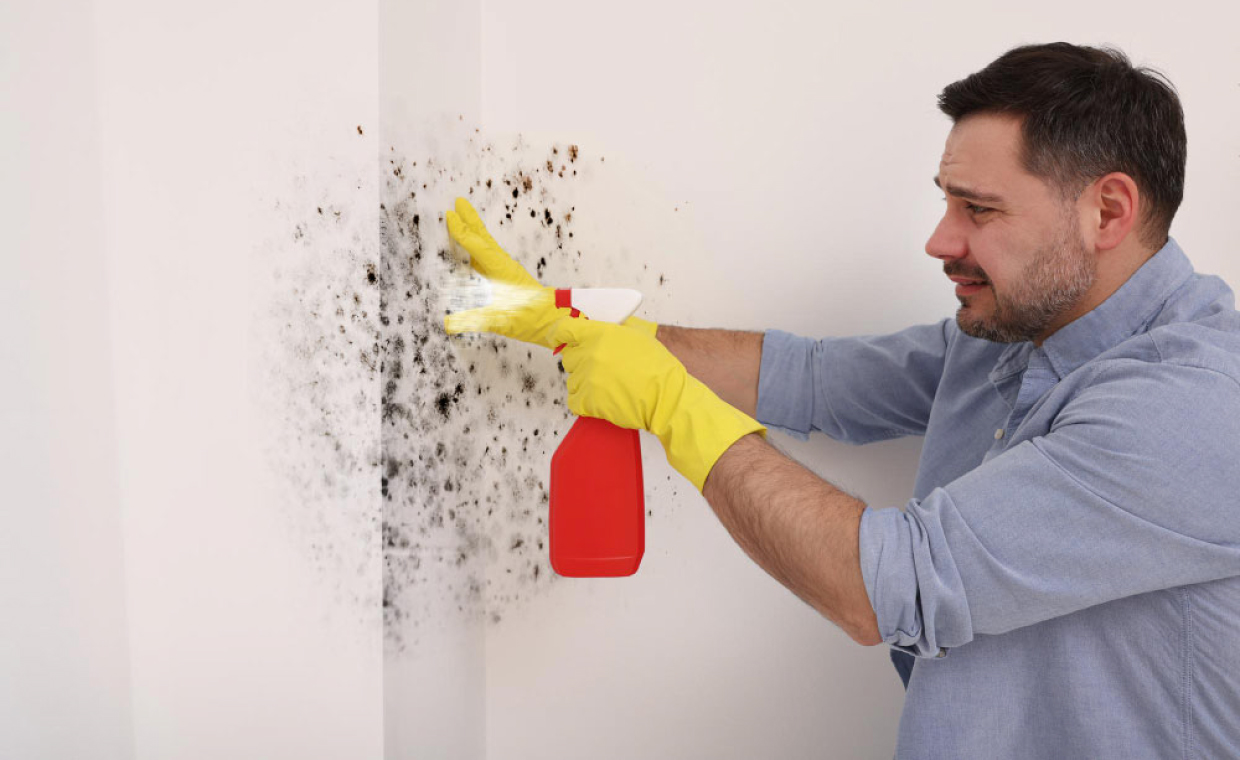
Moisture problems rarely stay small for long. A slow leak under a sink or a damp basement corner can quietly create ideal conditions for mold growth. For homeowners searching for mold remediation in Colorado, the goal is not just removing visible spots. It is protecting indoor air quality, structural materials, and long-term property value.
Here is why mold deserves careful attention.
Why Mold Develops So Quickly
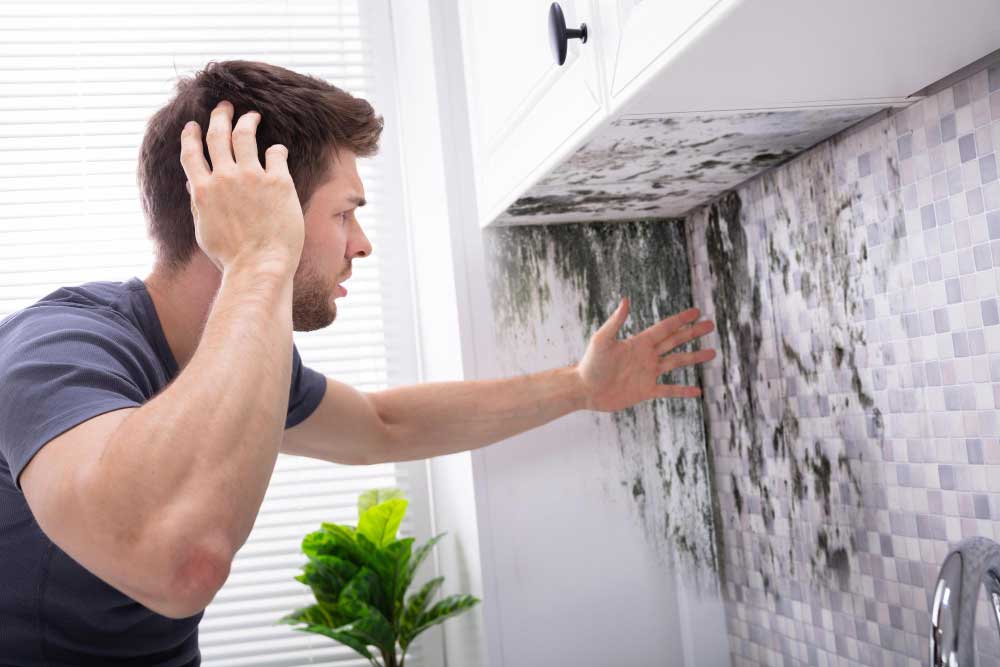
Mold spores already exist in both indoor and outdoor air. But they are a matter of concern when excess moisture lingers on organic materials such as drywall, wood, carpet, or insulation.
According to The Environmental Protection Agency mold can start growing within 24 to 48 hours after water exposure if materials remain wet. That short window turns minor leaks into larger structural and environmental issues.
Common triggers inside homes include plumbing failures, roof leaks, condensation buildup, and poor ventilation. Once moisture settles behind walls or beneath flooring, mold can spread without obvious warning.
Subtle Signs Homeowners Should Not Ignore
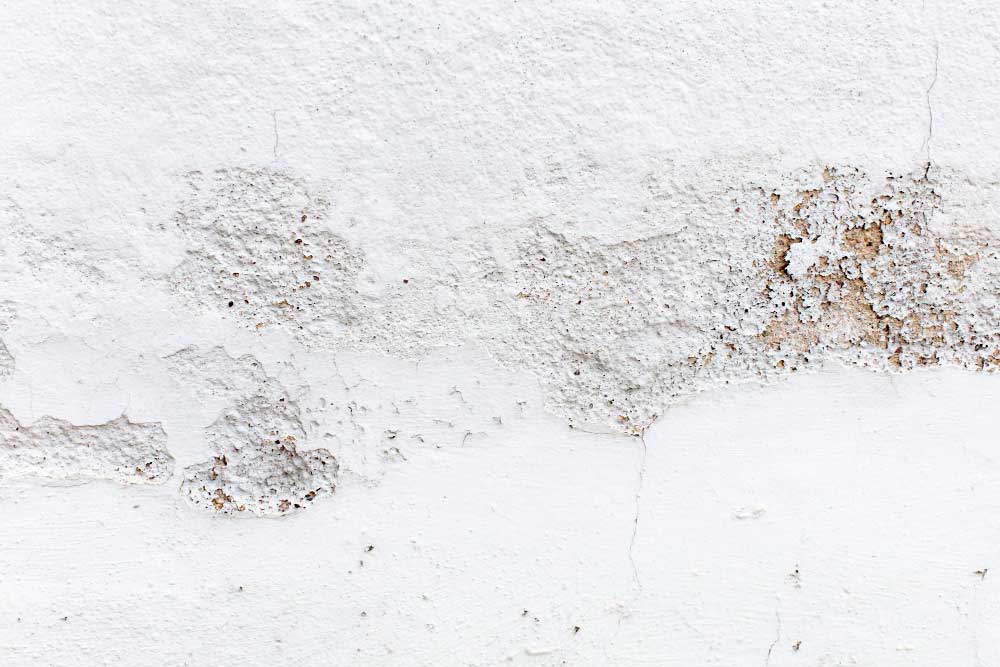
It is not always easy to identify mold because they do not always appear as dramatic black patches. Most of the times early mold growth goes unnoticed.
Following are some tips to identify mold at early stages:
- A persistent musty odor
- Bubbling paint or peeling drywall
- Warped baseboards
- Allergy symptoms that worsen indoors
Let’s break it down. When moisture remains trapped, materials begin to deteriorate. Mold feeds on organic components within building materials. Surface cleaning may remove staining, but hidden growth can continue if moisture remains.
According to The Centers for Disease Control and Prevention exposure to damp and moldy environments may cause nasal congestion, throat irritation, coughing, or wheezing in sensitive individuals. Indoor air quality matters for everyday comfort.
What Professional Mold Remediation Involves
A basic house cleaning is good to remove surface discoloration; however, they fail to resolve the underlying issue of mold spread. Professional mold remediation follows a standard and structured process to eradicate the issue of mold.
Firstly, they thoroughly inspect the area. Professionals identify the moisture source and assess the extent of contamination. Without correcting the water issue, mold will likely return.
Secondly, marking of containment. Affected areas are sealed to prevent spores from spreading. Air filtration devices capture airborne particles during the remediation process.
Thirdly they remove the mold and clean the space. Porous materials that cannot be salvaged are carefully removed. Salvageable surfaces are treated using appropriate methods.
Lastly, it is drying and verification process. Moisture levels are measured to ensure materials have returned to acceptable ranges. This final step confirms that the environment no longer supports mold growth.
Why Addressing Mold Protects Property Value
Do your house carry mold is the most common and frequently asked question during real estate inspections. Visible growth, stains, or musty odors can delay transactions and reduce buyer confidence.
If you have opted for a professional mold remediation then it is well documented and gives reassurance. It shows that the issue was handled responsibly and thoroughly.
Property managers also benefit from early intervention. Addressing moisture problems quickly reduces long term repair costs and tenant concerns.
Practical Steps to Lower Mold Risk

Preventive habits reduce the likelihood of mold development.
- Repair plumbing leaks promptly.
- Use exhaust fans in bathrooms and kitchens.
- Keep indoor humidity levels below 60 percent when possible.
- Inspect basements and attics for dampness.
- Ensure proper drainage around the foundation.
The reason theses preventative measures work is because mold thrills in moisture. Removing the moisture removes the opportunity for growth.
The Importance of Fixing the Root Cause
Once mold remediation is completed it is important to fix the root cause causing mold growth. If ventilation issues, grading problems, or plumbing defects remain unresolved, mold may return.
The Environmental Protection Agency emphasizes that fixing the water problem is the most important step in mold prevention. Cleaning alone does not eliminate the conditions that allow growth.
Professional evaluation helps identify hidden moisture pathways and structural vulnerabilities.
When to Seek Professional Help
Small, isolated areas may sometimes be managed carefully. However, expert evaluation is recommended when:
- Mold covers a larger surface area
- Growth keeps returning
- The source of moisture is unclear
- There has been prior flooding
- Occupants experience persistent respiratory irritation
Professional remediation ensures safe containment, proper removal, and thorough drying.
Next Steps
If your house encounters persistent dampness, musty odors, or visible mold inside your home, do not delay action. Early intervention protects both structural materials and indoor air quality.
Begin by identifying and correcting the moisture source. Then seek professional assessment to determine the most appropriate remediation approach. For experienced support and structured mold remediation services, HRS Restoration Services provides guidance and solutions designed to restore indoor environments safely and effectively.
Also Read: 9 Signs That Your Home Needs Mold Remediation
Mold Remediation FAQs
01. What is mold remediation?
Mold remediation is the process of remedying mold growth. It includes identifying mold growth, containing affected areas, removing contaminated materials, cleaning surfaces, and taking preventative measures.
02. How do I know if I need professional mold remediation?
You may need professional mold remediation services if mold coverage is large, repetitive mold growth, water damage, or if occupants experience persistent allergy.
03. Is mold remediation necessary even if mold is not visible?
Yes, most of the times mold grows behind walls, under flooring, or in insulation, that usually go unnoticed. Therefore, it is important to carry out mold remediation.
04. Is mold remediation safe for occupants?
Professional mold remediation services uses containment measures and air filtration to minimize spore spread, making the process safe when handled by trained specialists.
Author & Expert Review
Written By:  Nidhi Patel | Civil Engineer & Content Writer
| Credentials: B.E. (Mahatma Gandhi Institute of Technical Education and Research Centre), Registered with Gujarat Technological University (GTU). Experience: Civil Engineer with 3+ years of content writing experience, currently writing blogs for Gharpedia, part of SDCPL. Expertise: Specializing in SEO-optimized blogs and long-form articles focused on home improvement, construction, interiors and architect topics. I create well-researched, reader-focused content that balances technical accuracy with clarity, making complex subjects easy to understand. Find her on: LinkedIn |
Verified By Expert:  Ravin Desai – Co Founder – Gharpedia | Co Founder – 1 MNT | Director – SDCPL
This article has been reviewed for technical accuracy by Ravin Desai, Co-Founder of Gharpedia and Director at Sthapati Designers & Consultants Pvt. Ltd. With a B.Tech. in Civil Engineering from VNIT Nagpur and an M.S. in Civil Engineering from Clemson University, USA, and over a decade of international and Indian experience in the construction and design consultancy sector, he ensures all technical content aligns with industry standards and best practices.
Find him on: LinkedIn