








Table of Contents
Quick Overview
Here is a quick summary of mosaic floor maintenance:
- Mosaic floors are made up of decorative pieces of stone, glass, ceramic or marble arranged in beautiful patterns.
- Mosaic Floor Cleaning Techniques: Use a vacuum cleaner, mop, or microfiber cloth
- Preventive Measures – Use doormats and Furniture pads to protect the surface of the mosaic floor from damage
- Mosaic Floor Polishing – Use polishing powder or a stone sealant to restore shine.
Mosaic flooring offers timeless beauty and charm, whether put in heritage homes or modern interiors. Known for their colourful and intricate patterns, mosaic floors can dramatically enhance the appearance of any space. However, without proper mosaic flooring maintenance, these beautiful surfaces can become dull, stained, or damaged over time. With the right cleaning techniques and care, you can maintain the vibrant appearance of your mosaic flooring for many years. In this guide, we’ll explore how to clean, protect, and maintain them with some effective mosaic floor tiles maintenance practices.
Understanding Mosaic Floors and Their Durability
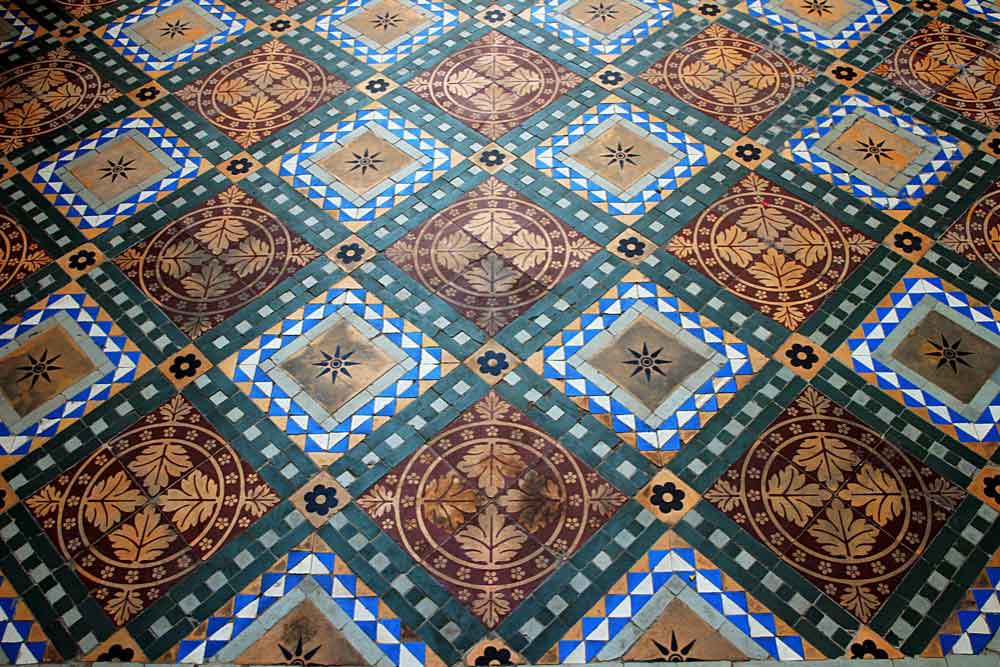
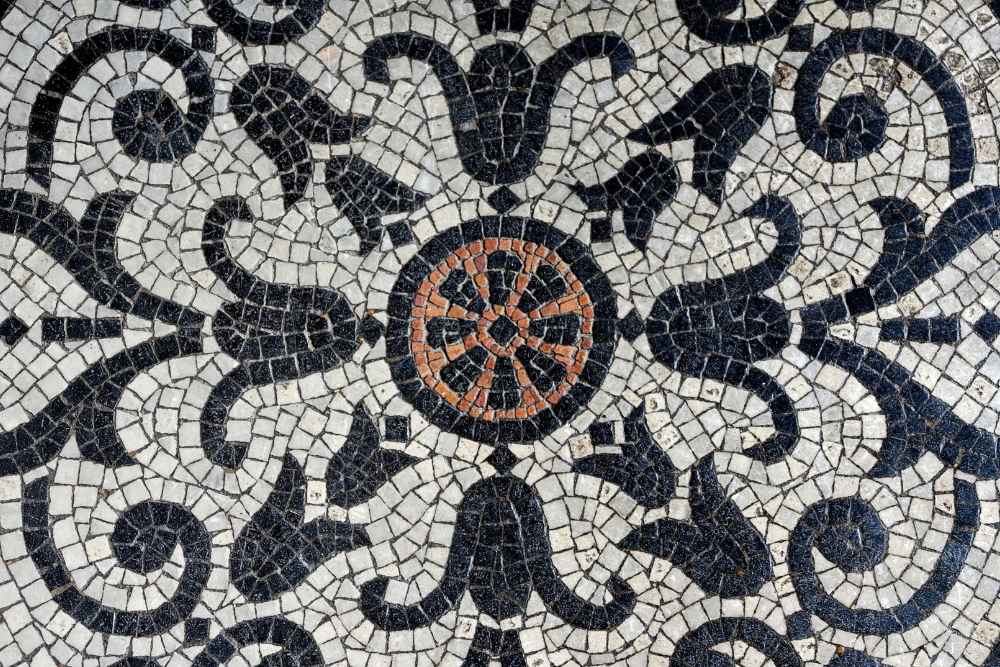
Mosaic floors are composed of small decorative stone, glass, ceramic, or marble, arranged into beautiful patterns. Homeowners appreciate them for their aesthetic appeal and their durability. Whether you have colourful patterned tiles or plain white mosaic floor tiles, the durability of your flooring largely depends on the quality of the installation and regular maintenance. While mosaic flooring is generally durable, improper surface care can lead to dullness or staining over time. Regular mosaic floor tiles maintenance regime is essential to maintaining their charm and structural integrity.
Importance of Regular Cleaning of Mosaic Floors
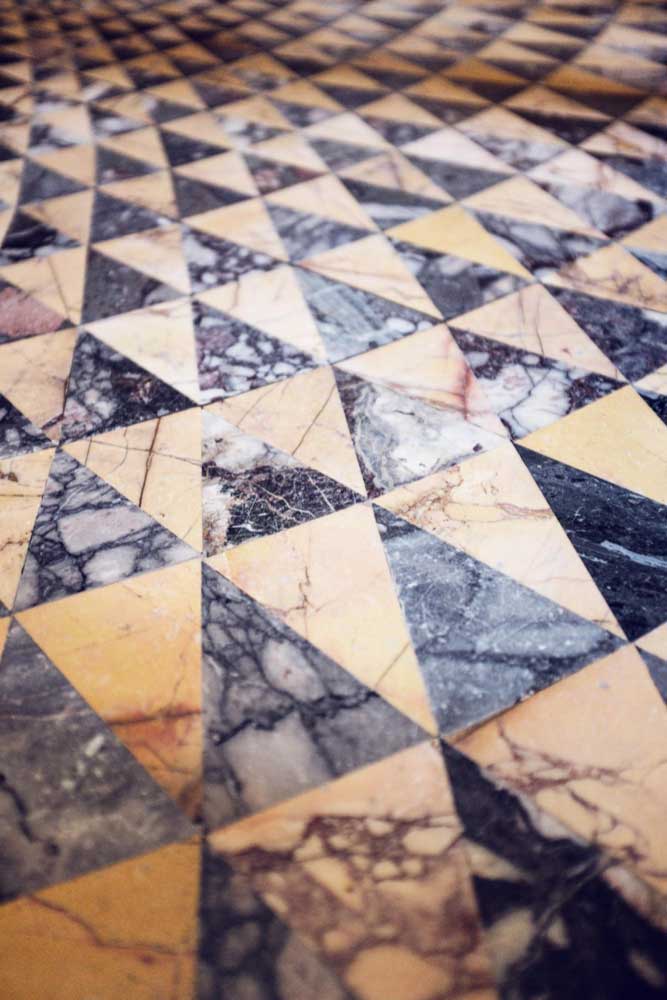
Routine cleaning plays a vital role in mosaic flooring maintenance. Daily sweeping or dry mopping helps keep abrasive particles at bay, especially in high-traffic areas. Since mosaic floor tiles often have grout lines, skipping regular cleaning can cause staining and discolouration. Mild damp mopping, done once or twice a week, is generally enough to keep the floor looking fresh. Over time, consistent maintenance reduces the need for frequent deep cleaning and polishing.
Best Cleaning Techniques for Mosaic Flooring
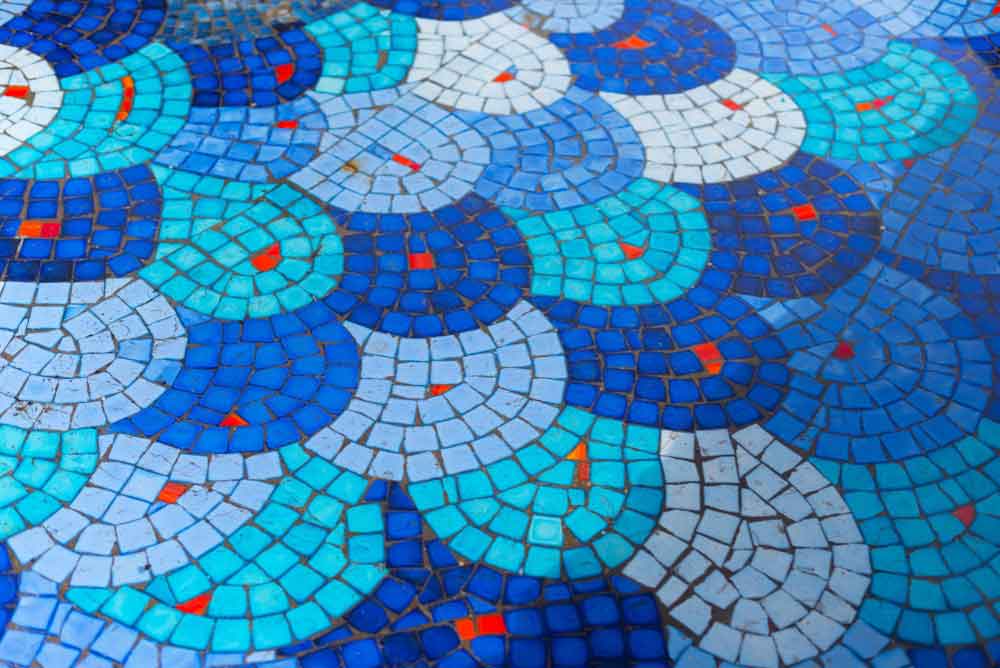
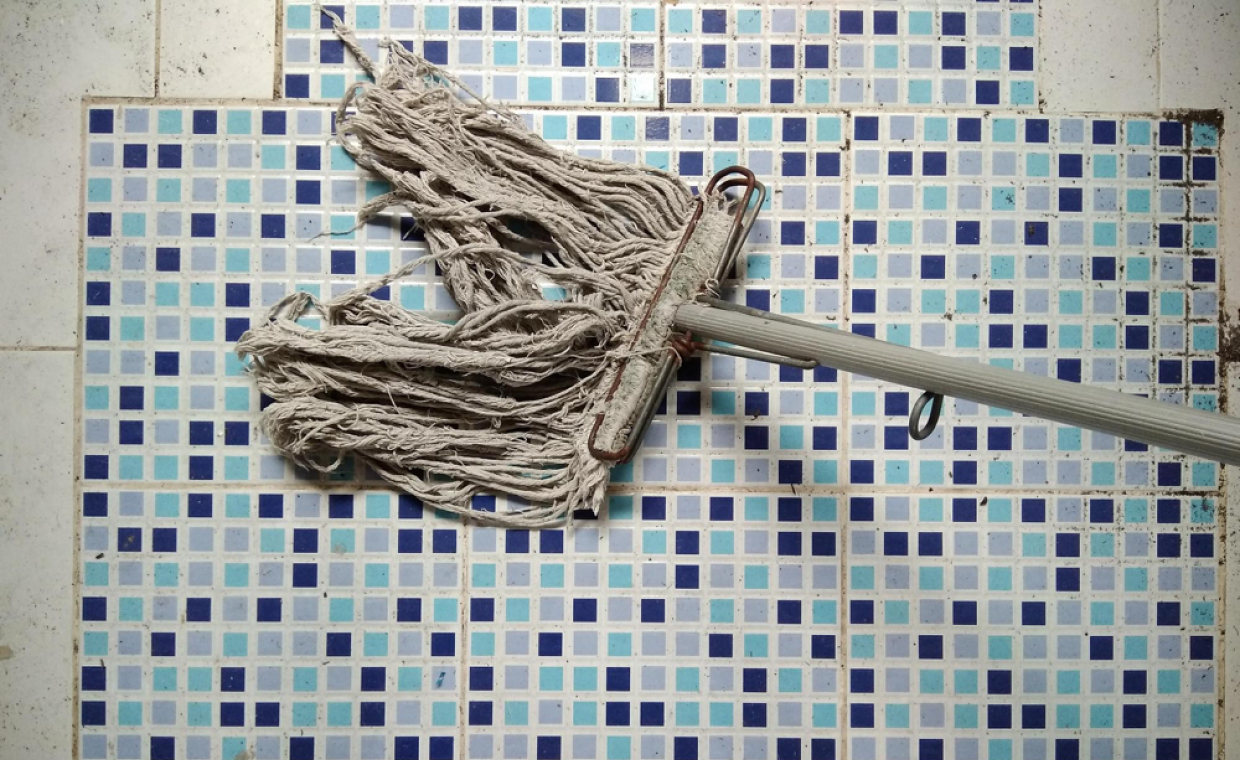
Always start by removing loose debris using a soft-bristled broom or vacuum cleaner. For mopping, use lukewarm water and a neutral pH floor cleaner. Avoid abrasive scrubbers or harsh chemicals, as they can damage the grout and surface finish. When cleaning mosaic flooring, it’s best to mop gently and wipe excess moisture immediately to prevent water spots or hazy residue. In kitchens or bathrooms, consider using microfibre cloths for targeted cleaning or explore more cleaning techniques for bathroom tiles and grout.
Choosing the Right Cleaning Products for Mosaic Floors
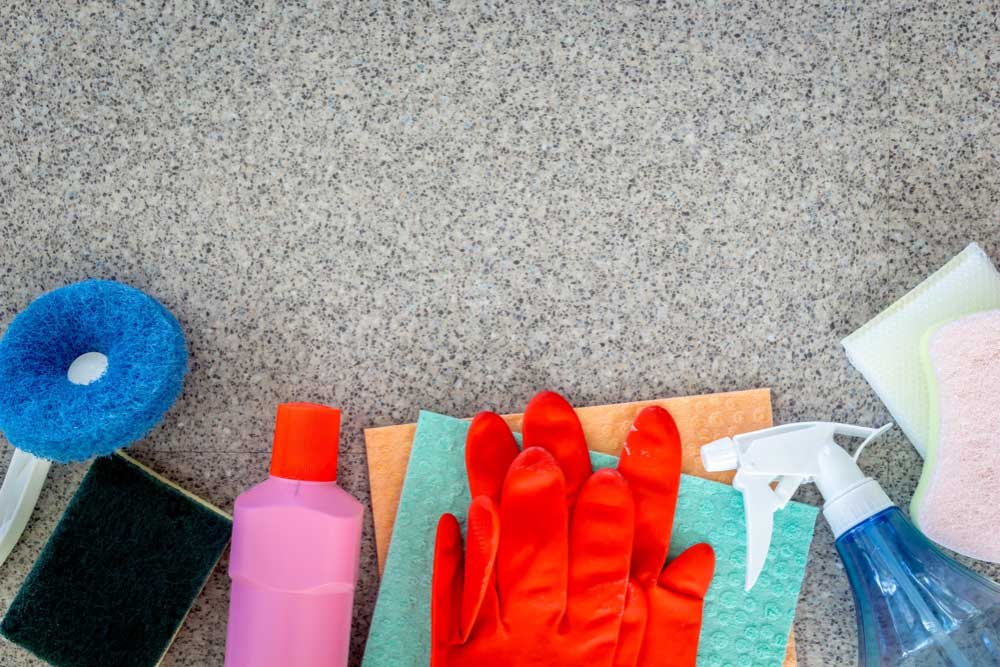
Using appropriate products is one of the most important aspects of mosaic floor tile maintenance. The wrong cleaner can dull your floors or leave behind sticky residues. Go for products specifically labelled as safe for natural stone, ceramic, or marble mosaic floor surfaces. Avoid highly acidic or bleach-based cleaners, especially if your mosaic includes limestone or marble, to prevent tile fading caused by harsh chemicals. A gentle mix of warm water and mild detergent usually works best for everyday use. This is particularly an important step in the mosaic white tiles maintenance regime, where the risk of staining or yellowing from strong chemicals is much higher.
How to Remove Stains and Tough Dirt from Mosaic Surfaces
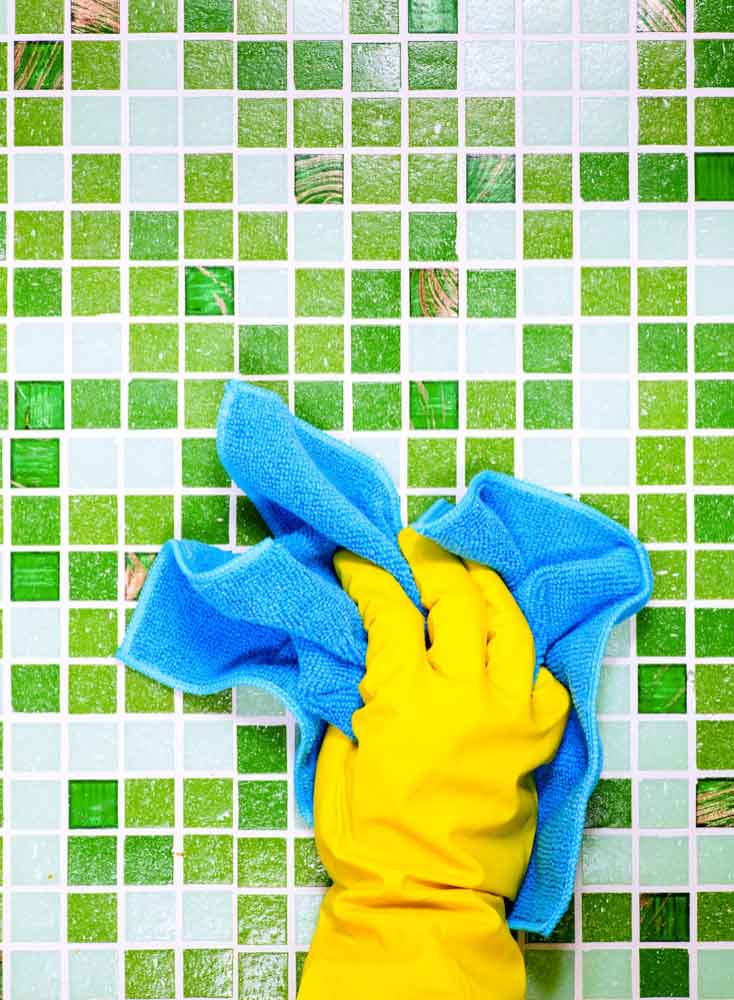
To tackle stubborn stains, create a gentle paste using baking soda and water. Apply it to the stained area, let it sit for a few minutes, and then scrub lightly with a soft brush. For greasy spots, a diluted solution of vinegar and water can help, but avoid using vinegar frequently on marble mosaic flooring.
To clean grout stains, use a toothbrush dipped in a mild cleaning solution. Always rinse and dry the surface before and after treating stains. However, some tough stains may require more than routine cleaning. White mosaic floor tile maintenance can be especially challenging, as these surfaces easily show dirt, stains, and discolouration, requiring careful and targeted treatment. Let’s take a closer look at tips for effective mosaic floor maintenance.
1. Organic Stains (coffee, tea, food):
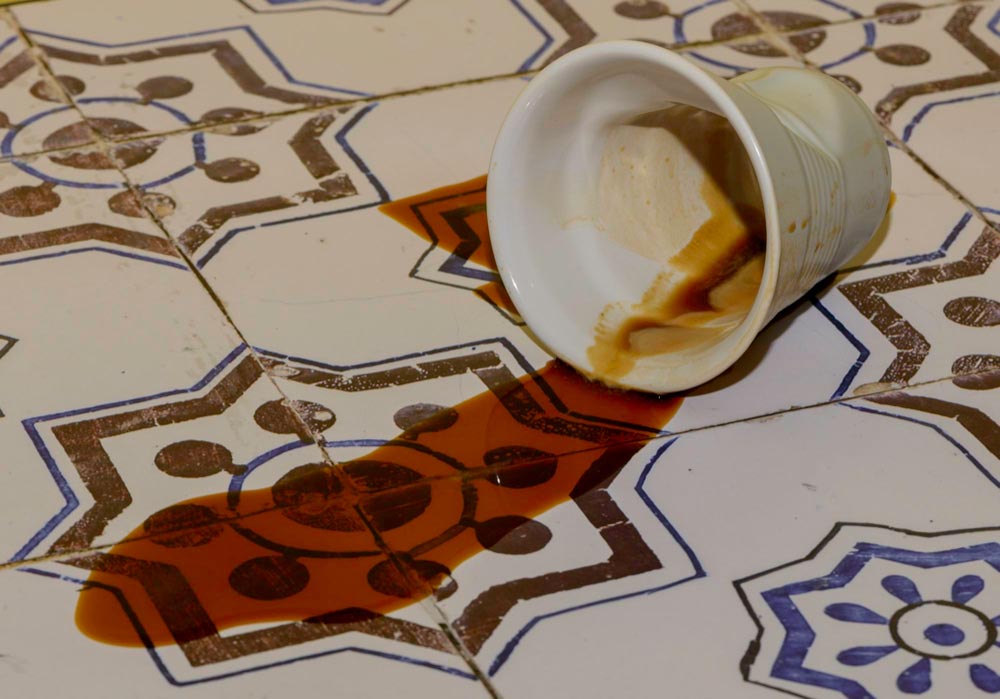
For these types of stains, a baking soda paste works like magic. For tougher organic stains, create a poultice by mixing hydrogen peroxide with flour or baking soda. Apply the mixture over the stain, cover it with plastic wrap, and tape down the edges. Let it sit for a few hours, or overnight. Remove the plastic, rinse the area, and wipe it clean the next day.
2. Oil Stains (grease, cooking oil, lotion):
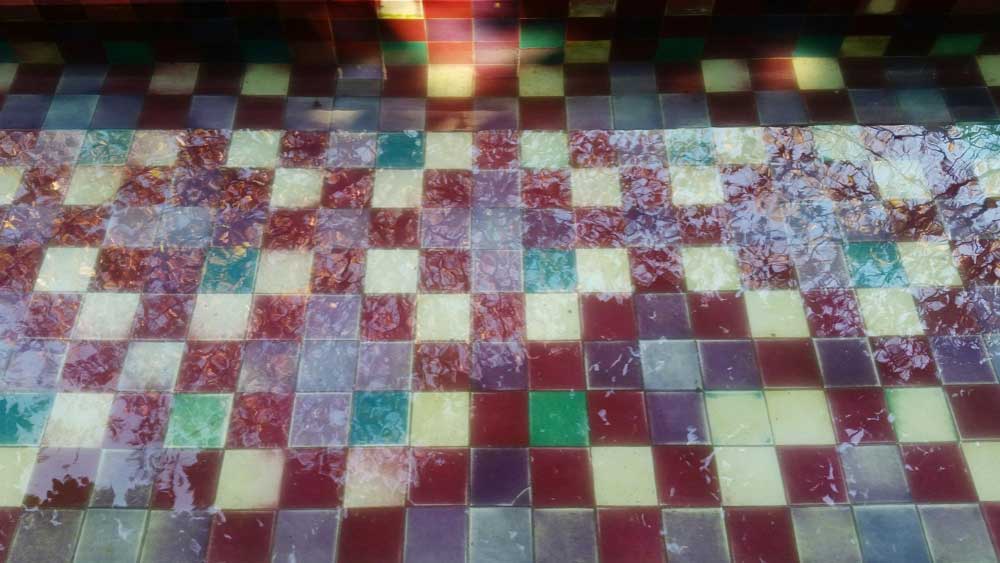
A diluted vinegar solution can work well on fresh oil stains, but if the stains are deeply set, you need an absorbent material. Apply the paste of mineral spirits or acetone, without diluted solvent, with an absorbent powder like diatomaceous earth or Porous clay. Cover it with plastic wrap, seal the edges, and let it sit overnight. The mixture will draw out the oil. Clean thoroughly afterwards.
3. Rust Stains:
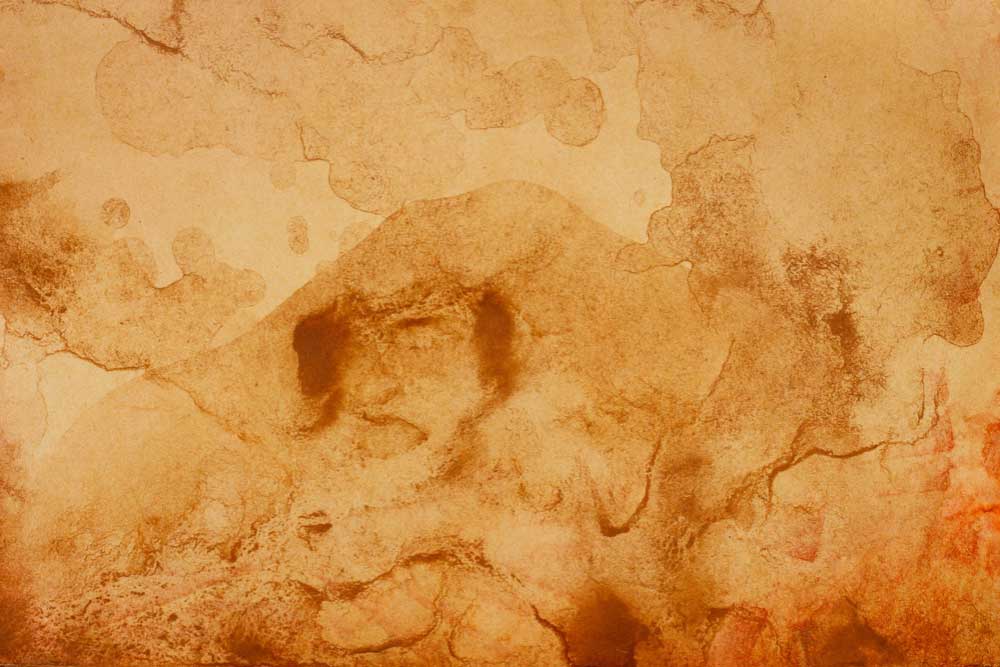
These are particularly stubborn. Never use acidic rust removers on natural stone, as they can cause etching. Instead, look for stone-specific rust removers or a poultice with a chelating agent. For severe rust stains, opt for professional treatment. You can also refer to a detailed guide on how to remove rust stains from tiles effectively for better results.
4. Ink Stains:
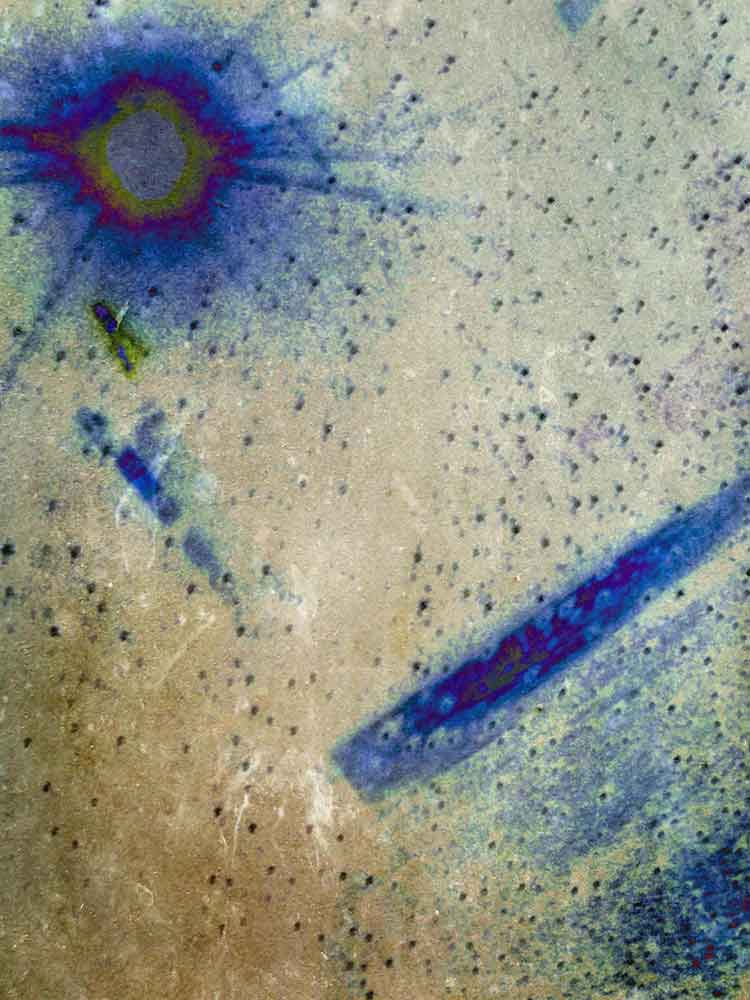
Simply apply rubbing alcohol or acetone on a cotton swab, gently dab the stain and allow it to soak. Rinse thoroughly afterwards to avoid residue.
5. Mildew and Mould Stains on Grout:
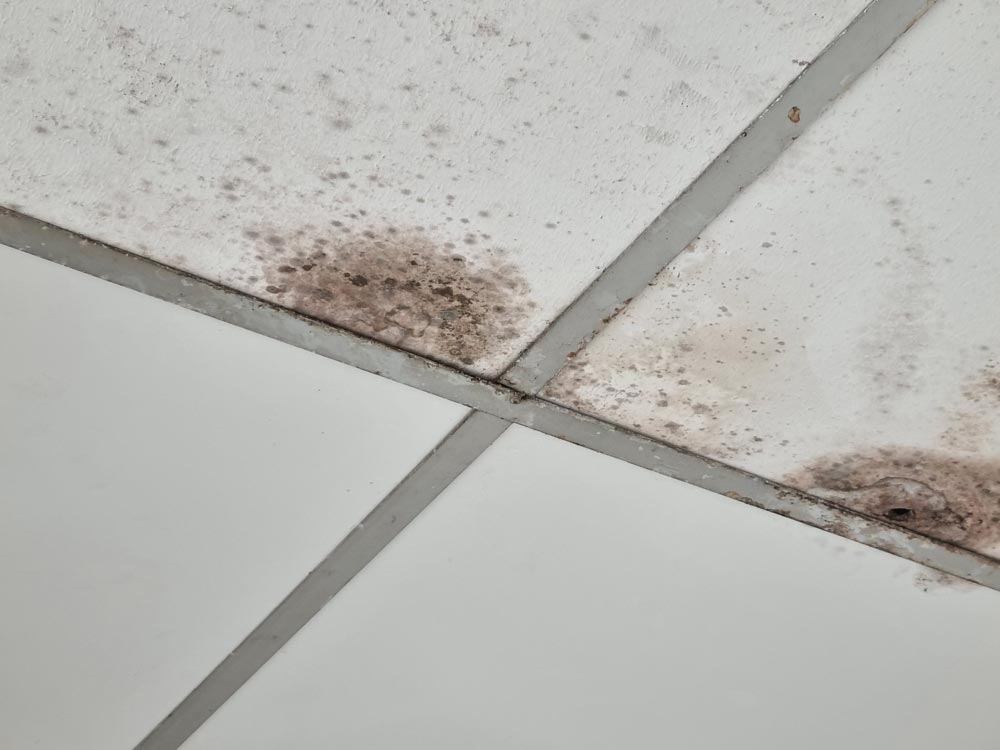
For white or light-coloured grout, use a diluted bleach solution (1 part bleach to 10 parts water) with caution, but never on natural stone mosaics, as it may cause etching. A safer alternative for coloured grout and surrounding tiles is a hydrogen peroxide solution. Apply the solution, let it sit for 10-15 minutes, scrub with a toothbrush, and rinse thoroughly.
Preventive Measures to Protect Mosaic Floors from Damage
Place doormats at entrances to trap dirt before it reaches your floors. Use furniture pads under chairs and tables to prevent scratching. Avoid dragging heavy objects directly across the floor. It’s also wise to seal the grout annually to protect it from moisture and stains. Preventive care makes a big difference in marble mosaic floor maintenance, especially in areas like kitchens or bathrooms. Regular inspections can help you identify common tile defects to watch out for before they worsen.
Polishing Tips to Maintain the Shine of Mosaic Flooring
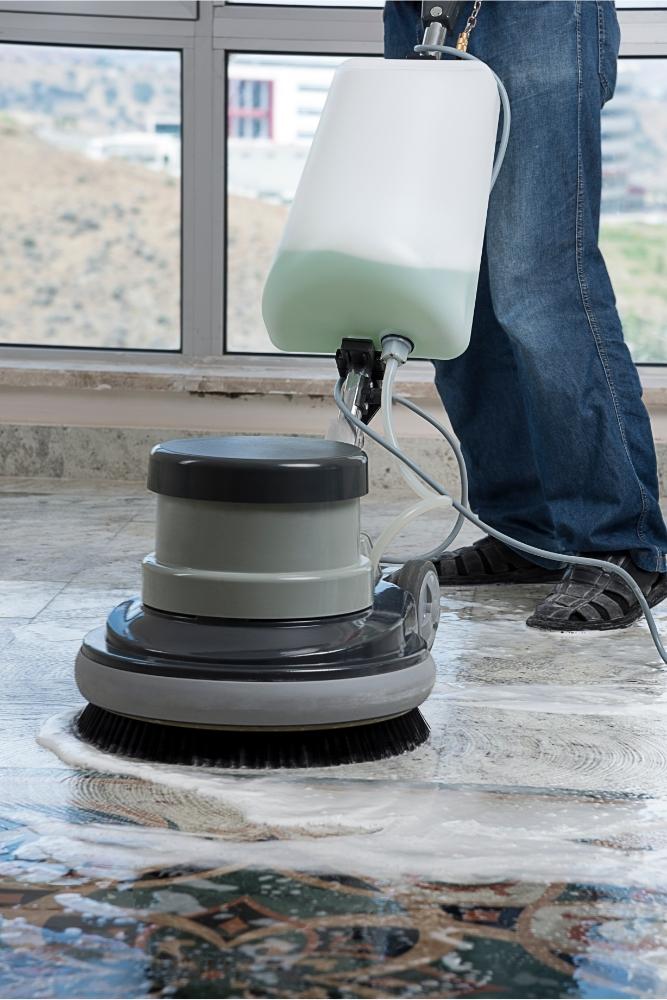
Opt for periodic polishing to restore the original shine. Use polishing powder appropriate for mosaic or stone surfaces, followed by buffing with a soft cloth or a polishing machine. If your mosaic floor tiles appear dull, consider professional polishing services to restore their gloss without damaging the mosaic designs or patterns. For long-term maintenance, apply a very thin layer of stone sealant every 12–18 months to protect the surface and preserve its appearance.
Expert Advice for Long-Lasting Mosaic Floors
Mosaic flooring experts agree that less is more when it comes to mosaic flooring maintenance. Overusing washing products and employing heavy-duty scrubbers or mop pads can damage delicate surfaces over time. Use cleaners made for soft surfaces, clean with gentle tools, and promptly remove spills.
Avoid pressure washing or high-pressure water jets, as they can damage and weaken the grout faster than traditional cleaning methods. If you have doubts, the best thing to do is test any cleaning products you may have on a small, inconspicuous area before full application. In every situation, consistency is key to preserving the beauty and integrity of your mosaic. For in-depth techniques and recommendations, refer to this step-by-step mosaic tile maintenance guide to keep your floors in top condition.
FAQs On Mosaic Flooring Maintenance
1. What Is the Best Way to Clean Mosaic Floors Without Damaging Them?
Use a soft mop and a mild pH-neutral cleaner. Avoid abrasive tools or acidic products that can erode the surface.
2. How Often Should I Polish My Mosaic Flooring to Maintain Its Shine?
Polish every 12 to 18 months, depending on foot traffic and floor usage.
3. Which Cleaning Products Are Safe for Mosaic Tile Surfaces?
Choose gentle, non-acidic cleaners designed for natural stone or tile surfaces. Avoid bleach, ammonia or harsh disinfectants.
4. How Can I Prevent Scratches and Stains on My Mosaic Floor?
Use area rugs in high-traffic zones, apply furniture pads, and clean spills promptly. Sealing grout also helps.
Also Read:
Flooring Maintenance | Caring Tips to Floor YOU!
Solutions for Old, Dull and Dirty Tiles | Shine the Floor Tiles Again