Table of Contents
Quick Overview
Here is the quick summary on house painting in Australia:
- House painting in Australia faces UV, salt air, humidity, temperature swings, and rain so choose durable paints for long lasting results.
- Some of the top paint types include acrylic, low sheen & matt finish, weather-resistant, oil and elastomeric.
- Match paints to surface, climate, and wear; avoid cheap/interior paints, outdoors or wrong finishes.
- Assess conditions for best results, saving maintenance costs.
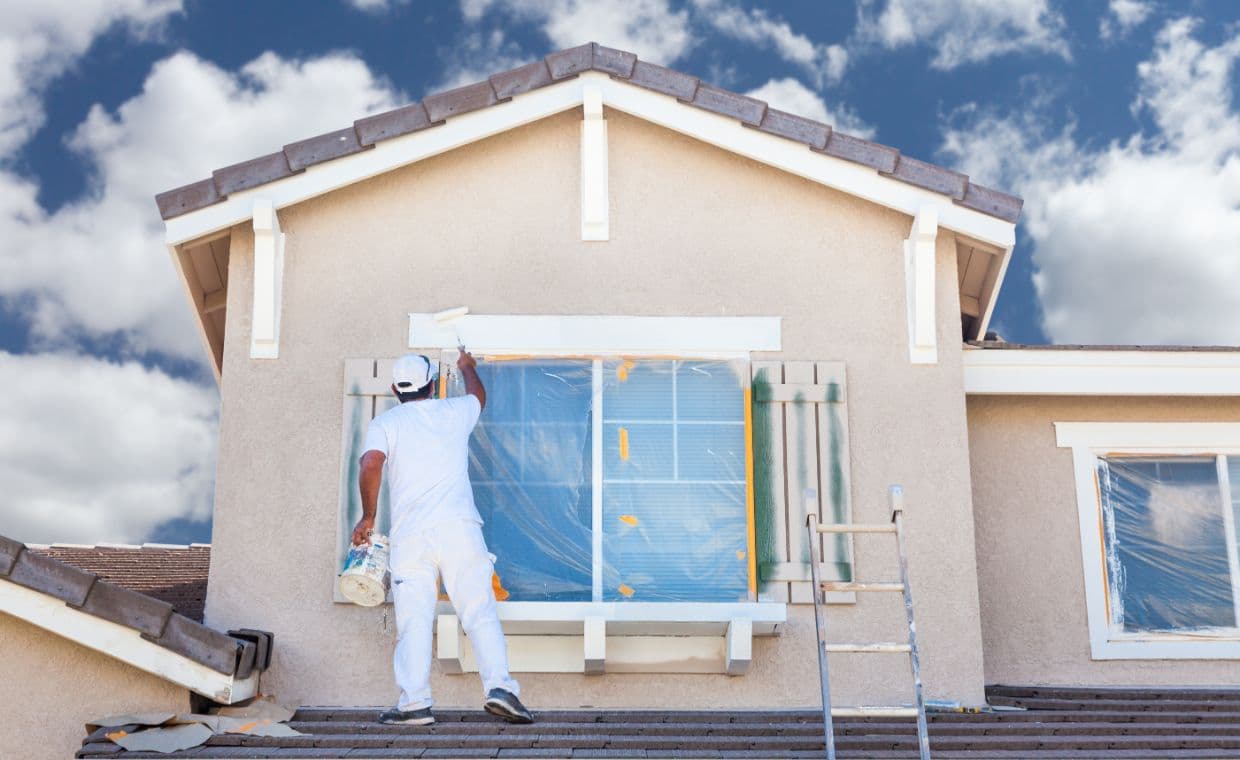
House painting in Australia comes with its own set of challenges. Harsh UV exposure, coastal salt air, high humidity, sudden temperature changes, and heavy rain can all take a toll on painted surfaces. Choosing the right paint type is just as important as good preparation and skilled application.
If you are planning a house painting project, selecting a paint that suits Australian conditions will help your finish last longer, look better, and require less maintenance over time.
Paint Types for House Painting in Australia
Below are five paint types that perform particularly well across Australian homes.
1. Acrylic Paint
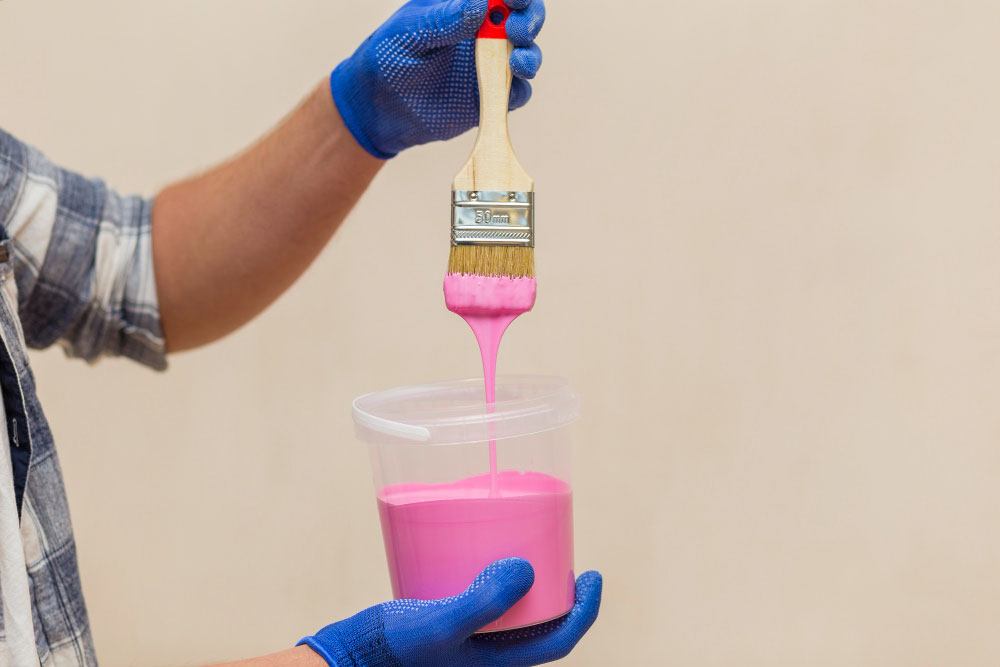
Acrylic paint is one of the most widely used options for house painting in Australia, and for good reason. It is water-based, quick-drying, and highly resistant to fading caused by UV exposure.
This paint type expands and contracts well with changing temperatures, which makes it suitable for both interior and exterior surfaces. Acrylic paint also resists cracking and peeling, even in areas with strong sunlight or fluctuating weather.
For external walls, fences, and eaves, acrylic paint offers durability without trapping moisture. Indoors, it provides a smooth finish and low odour, making it ideal for living spaces and bedrooms.
2. Low-Sheen and Matt Finishes
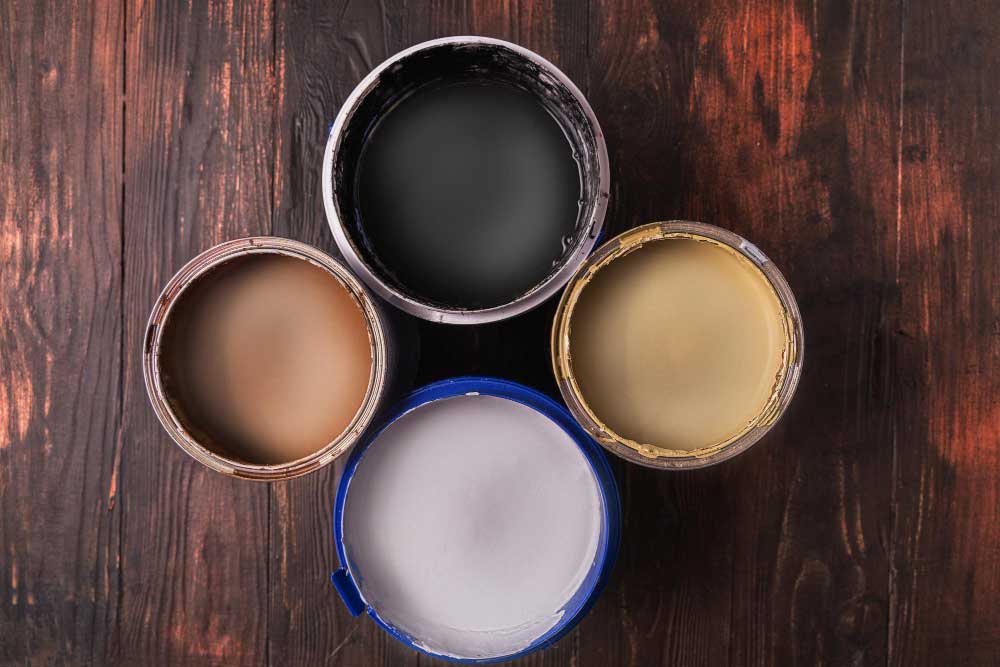
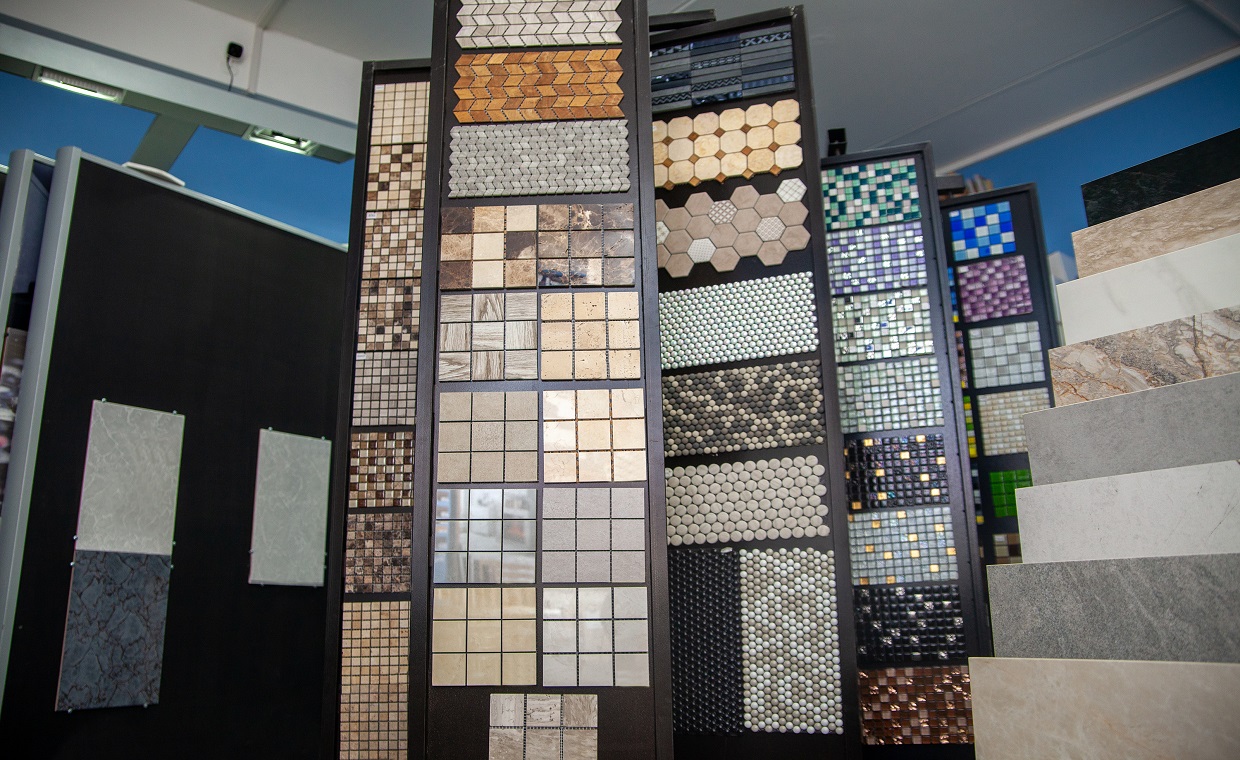
While not a paint type in the traditional sense, finish selection plays a big role in house painting outcomes. Low-sheen and matt paints are extremely popular in Australian homes, particularly for interiors.
These finishes help hide surface imperfections and reduce glare from natural light, which is important in bright Australian homes. They also create a softer, more modern look compared to high-gloss finishes.
Low-sheen acrylic paints are often used on internal walls because they strike a balance between cleanability and appearance. They are easier to maintain than full matt paints while still offering a contemporary finish.
Also Read: Types of Paint Finishes and Paint Sheens: Know Before Painting
3. Weather-Resistant Exterior Paints

Exterior paint needs to handle much more than interior paint, especially in Australian conditions. Weather-resistant exterior paints are specifically formulated to cope with heat, rain, wind, and UV exposure.
These paints often include additives that help prevent mould growth, resist moisture penetration, and reduce colour fading. They are commonly used on brick, rendered walls, weatherboards, and fibre cement cladding.
For homes in coastal or high-rainfall areas, weather-resistant exterior paints provide added protection against salt air and moisture. This makes them a strong choice for long-term exterior house painting projects.
4. Oil-Based Paint
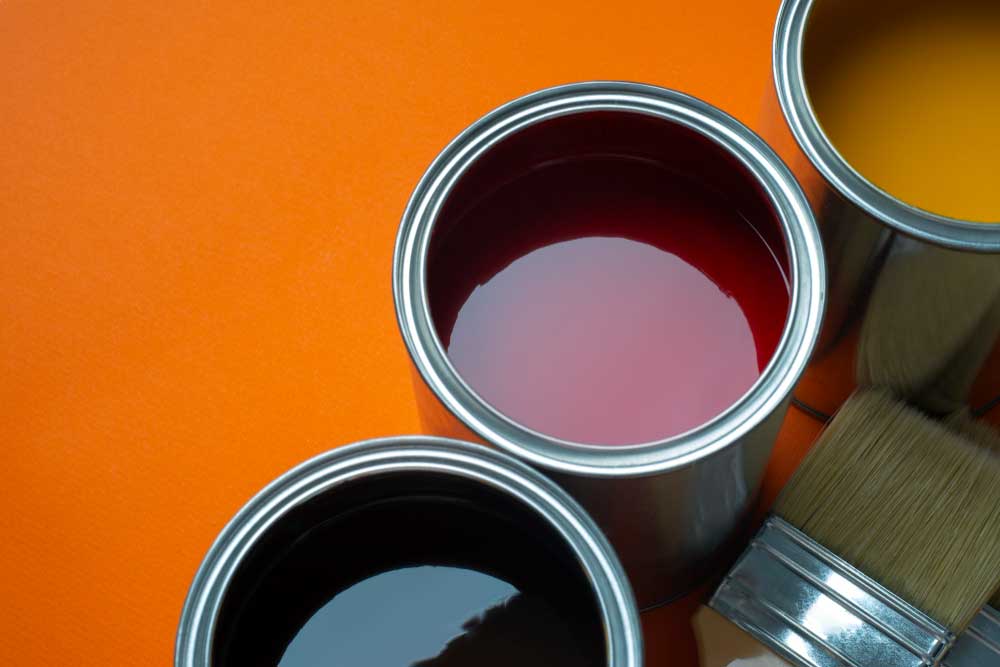
Oil-based paints are still used in specific areas of house painting, even though water-based options dominate most applications. They are known for their hard, durable finish and excellent adhesion.
This paint type is commonly used on doors, window frames, trims, and other high-wear surfaces. Oil-based paints level out well, creating a smooth finish that can handle frequent handling and cleaning.
In Australian homes, oil-based paints are often chosen for areas exposed to knocks, scuffs, or constant use. While they take longer to dry and have a stronger smell, their durability can make them worthwhile in the right situations.
5. Elastomeric and Flexible Coatings
For certain exterior surfaces, especially older homes or properties with minor cracking, elastomeric or flexible paints can be a smart option. These coatings are designed to stretch and bridge small cracks, helping prevent water ingress.
They are commonly used on rendered walls, masonry, and concrete surfaces where movement or hairline cracking is common. In Australian climates, where heat can cause materials to expand and contract, this flexibility is a major advantage.
While elastomeric paints are more expensive than standard exterior paints, they can extend the lifespan of the paint system and reduce future maintenance.
Matching Paint Type to Your Home
Choosing the right paint type for house painting is not just about colour or finish. It depends on where the paint will be applied, how much wear it will receive, and the local climate conditions.
Interior walls benefit from breathable, low-odour acrylic paints, while exterior surfaces require tougher, weather-resistant options. Trims and doors often perform better with harder finishes, and older surfaces may need flexible coatings to handle movement.
Professional painters often assess sun exposure, wall condition, and existing coatings before recommending a paint system. This approach helps avoid premature peeling, fading, or cracking.
Common Mistakes When Choosing Paint
One common mistake is selecting paint based solely on price. Cheaper paints may look fine initially but can fade or deteriorate quickly under Australian conditions. Another issue is using interior paint outdoors, which almost always leads to failure.
Incorrect finish selection can also cause problems. High-gloss paints highlight imperfections, while very flat paints may be difficult to clean in busy households.
Taking the time to choose the right paint type from the start can save money and frustration later.
Final Thoughts
Australian conditions demand paints that can handle heat, light, and weather extremes. Acrylic paints, weather-resistant exterior coatings, and carefully chosen finishes form the foundation of long-lasting house painting results.
By matching paint type to surface and environment, you set your home up for a finish that not only looks great but stands the test of time.
Also Read: Paint Types, Components & Application Guide
FAQs on House Painting in Australia
01. Why is Acrylic Paint Most Popular in Australia?
Acrylic paint is water-based, fast-drying, low-odour, and highly resistant to fading from sunlight. It expands and contracts with temperature variations, which helps prevent cracking and peeling in Australia’s varied climate.
02. When Should Elastomeric Paints can be Used?
Elastomeric or flexible coatings are best for older homes or exterior surfaces with minor cracking. They tend to stretch with surface movement and help to prevent water penetration, which is especially suitable for hot Australian climates.
03. Should You Consult a Professional Before Choosing the Right Paint?
Yes, professional painters can assess your home’s condition, sun exposure, and existing coatings. Their advice helps to ensure the paint system selected will last longer and perform well in Australian climatic conditions.
Author & Expert Review
Written By:  Kinjal Mistry | Civil Engineer & Senior Content Writer
| Credentials: B.E. (Dharmsinh Desai University, Nadiad, Gujarat). Experience: Civil Engineer with 9 years of content writing experience, currently writing impactful articles for Gharpedia, part of SDCPL. Expertise: Specializes in writing well-researched content on home improvement, sustainability, building materials, home interior, DIY, and plumbing technology with everyday clarity. Find her on: LinkedIn |
Verified By Expert:  Ravin Desai – Co Founder – Gharpedia | Co Founder – 1 MNT | Director – SDCPL
This article has been reviewed for technical accuracy by Ravin Desai, Co-Founder of Gharpedia and Director at Sthapati Designers & Consultants Pvt. Ltd. With a B.Tech. in Civil Engineering from VNIT Nagpur and an M.S. in Civil Engineering from Clemson University, USA, and over a decade of international and Indian experience in the construction and design consultancy sector, he ensures all technical content aligns with industry standards and best practices.
Find him on: LinkedIn