








Table of Contents
Quick Summary
- DIY African style cushion cover project teaches how to paint cushion covers in an African-inspired style using simple tools.
- African textile patterns embrace natural imperfections, making them ideal for hand-printing.
- Instead of wooden blocks, this method uses a potato stamp, which is easy, fun, and beginner-friendly.
- Potato printing works well because its moisture prevents excess paint absorption.
- You can use the design for cushions, curtains, borders, or throws.
- Tools required include fabric ink, a potato, lino-cutting tools, pens, a roller, and an iron.
- Steps: cut the potato, draw a motif, carve it, apply ink, test print, stamp on fabric, let dry, and iron to fix.
- Slight irregularities enhance the authentic African aesthetic.
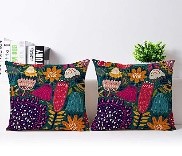
DIY African style cushion making is an interesting project indeed. Are you looking to add an African hue to your living room without making too many changes? Then Gharpedia has the perfect solution for you—a DIY project for painting cushion covers in African style.
If you love the bold prints, vibrant hues and striking patterns of African textiles, this project is for you. It is going to be a fun project because you will create your stamps using a potato! With a little creativity and patience, let’s begin our DIY painting cushion cover in African style, using a stamp made from a potato. You can try the process for pillow cover painting too.
The Unique Features of African Style on Cushion Cover
African-style cushion covers feature vibrant prints that blend geometric shapes, floral motifs, and ethnic symbols. These cushions are known for their bold expression, cultural symbolism, and handcrafted detailing. Their design language reflects regional heritage and strong visual identity with the following features.
- Vibrant Colour Palettes
- Bold Geometric Patterns
- Traditional Fabrics
- Cultural Symbolism
- Statement-Centric Design
Painting Cushion Cover Project
This DIY makes plenty of room for fun and experimentation because it does not aim to be professional or perfectly executed. That is because the charm of African textile prints lies in those slight irregularities, which are a natural and integral part of any handcrafted artwork.
These flaws only add to the character and uniqueness of the final product.
Traditionally, such patterns are stamped onto fabric using carved wooden blocks. However, in this project, we have used a half potato stamp. Potato printing has a playful and youthful quality. Many people may remember enjoying this activity during childhood, and it works particularly well for creating African-style patterns. Painting cushions and Pillow covers to paint in an easy way can be creative pass time for you and your family members.
As Francis J. Kafka (1959) mentioned in his book ‘Batik, Tie Dyeing, Stencilling, Silk Screen, Block Printing – The Hand Decoration of Fabrics,” the water in the potato prevents the paint from saturating the block. Hence, it proves to be an excellent medium for this use.”
African patterns are quite versatile; here, they are used in an all-over design, but they can also be used to create decorative borders for curtains, table runners, or throws.
A potato stamp has a limited life, but it can be stored overnight in a jug of cold water. Make sure it is dry before reusing.
Things Required For DIY Painting Cushion Cover
- Plain Cushion covers to paint
- Fabric printing ink
- Felt-tipped pen
- Iron
- Kitchen paper
- Large potato
- Lino cutting tools (scoop and V-shape gouges)
- Newspaper
- Pattern
- Plate
- Ruler
- Scalpel
- Sharp kitchen knife
- Small foam roller
Imprinting Template
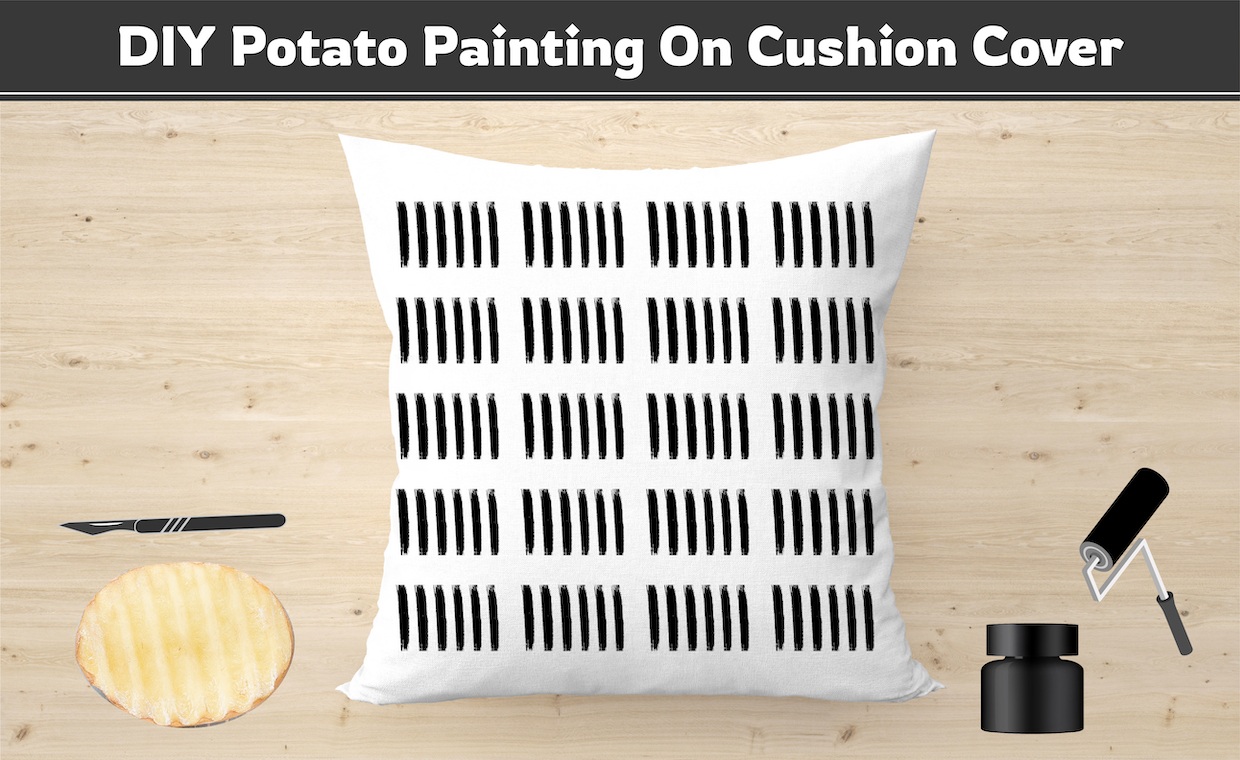
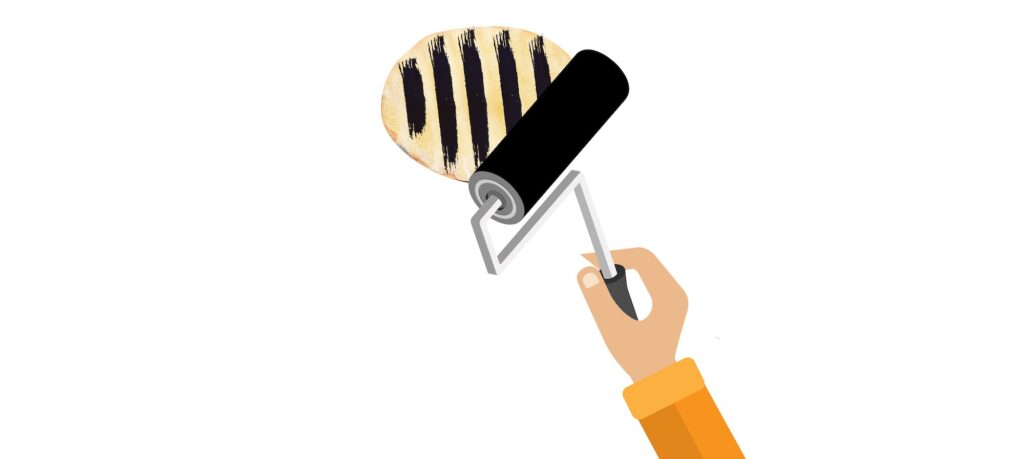
Draw the template to fit the surface of your halved potato. Keep the pattern of the template simple so that it can be easily transferred and carved on the potato half. Here, we have used a simple stripe pattern, but you can go for a heart shape, a triangle, a Christmas tree or any other shape that is easy to draw and cut.
The Step-By-Step Process
1. After collecting everything mentioned above, now is the time to get your hands dirty and paint your cushion cover. Cut the potato in half using the kitchen knife, and draw the motif onto the surface with the felt-tipped pen.

2. Cut around the motif edges using the scalpel, and then scoop away the entire background using lino-cutting tools.

3. Put a newspaper inside the cushion cover for the purpose of padding. Place the printing ink on the plate and use the roller to coat the potato stamp. Stamp once or twice onto kitchen paper to check the print. Then re-coat the stamp and stamp it onto the fabric.
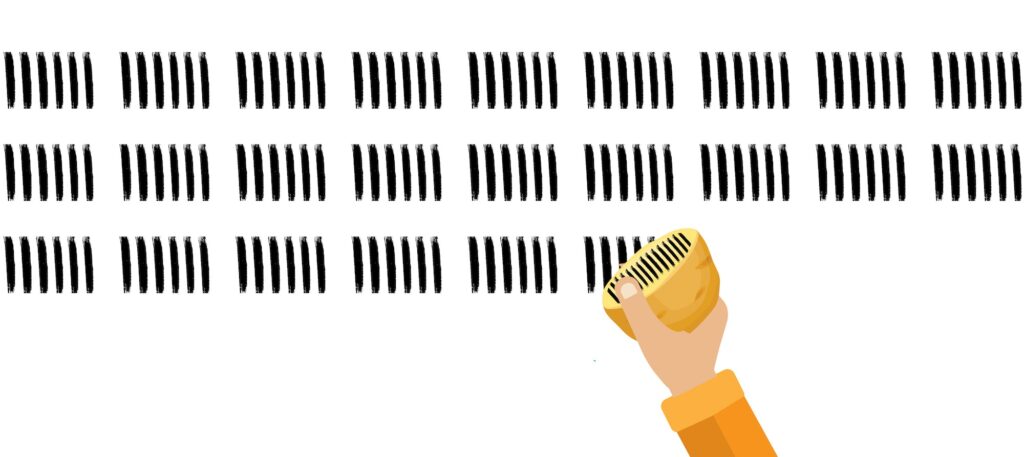
4. Stamp the pattern in rows and let it dry. Once the imprints have dried, iron over them to fix the ink, following the manufacturer’s instructions.

Bonus Tips
- Avoid using watery paint. This may bleed on the fabric.
- Do not opt for complex motifs for potato carving.
- Always test your prints on scrap clothes to see how the paint stays.
- Fix the ink with heat. Skipping this process can cause the print to fade quickly after washing.
- Avoid overcrowding the design.
How to Style African Print Cushion Covers?
Now that you have your African print cushion cover, it is time to style it.
The best way is to pair it with neutral sofas. Combine the sofa set up with a jute rug to ground the look. You may also mix this simple cushion with more ornate ones, or with solid ones for balance. These African prints are perfect for the Boho, eclectic, and ethnic-themed interiors.
Final Thoughts
On a final note, remember that the irregularities of hand printing are an essential element of the African style, so ensure that the result does not appear overly perfect! Paint your own cushion cover was never so easy.
With this, your DIY painting cushion cover project comes to an end. We hope you had fun creating your African-style cushion cover. If you have any queries, feel free to write to us. For more exciting DIY projects, explore the links below:
Bring Romany Touch to Your Home with These DIY Felt Appliqué Curtains
How To Paint Kitchen Table and Chairs to Bring in Provencal Style?
FAQs on DIY Painting Cushion Cover in African Style
1. What Is the Best Fabric for DIY Cushion Cover Printing?
Plain cotton or linen works best because they absorb ink evenly and hold stamped patterns well.
2. Can Potato Stamps be Reused?
Yes, they can be stored overnight in cold water and reused after drying thoroughly.
3. What Ink Should I Use for Fabric Stamping?
Use fabric printing ink or textile paint, as these set well with heat and remain washable.
4. How Do I Keep the Design from Fading After Washing?
Allow the print to dry fully and fix it with an iron following the ink manufacturer’s instructions.
5. What Motifs Work Best for African-Style Prints?
Simple geometric shapes such as stripes, triangles, zigzags, and tribal symbols produce the most authentic results.
References
Kafka Francis J. (1959) Batik, Tie Dyeing, Stenciling, Silk Screen, Block Printing – The Hand Decoration of Fabrics. [Online] New York, Dover Publications, INC. Available from: https://www.google.co.in/books/edition/Batik_Tie_Dyeing_Stenciling_Silk_Screen/BrdVeI1QTPEC?hl=en&gbpv=1&dq=potato+print&pg=PA91&printsec=frontcover
Author & Expert Review
Written By: Huta Raval | Guest Author
| An English Literature and Journalism Topper, Huta Raval has graduated from the L D Arts College, Ahmedabad. Post serving for 23 years in the NBFC and Public Library Sectors her desire for ‘writing the unwritten’ brought her to the creative field of content writing. Her clientele comprises of NGOs, Blogging Platforms, Newspapers, Academic Institutions, et al. |
Verified By Expert:  Ravin Desai – Co Founder – Gharpedia | Co Founder – 1 MNT | Director – SDCPL

This article has been reviewed for technical accuracy by Ravin Desai, Co-Founder of Gharpedia and Director at Sthapati Designers & Consultants Pvt. Ltd. With a B.Tech. in Civil Engineering from VNIT Nagpur and an M.S. in Civil Engineering from Clemson University, USA, and over a decade of international and Indian experience in the construction and design consultancy sector, he ensures all technical content aligns with industry standards and best practices.
Find him on: LinkedIn