







Table of Contents
Quick Overview
Here is the quick overview of paving:
- Paving can improve your outdoor appearance, functionality and provide safety.
- Common paving materials which are widely used such as asphalt, concrete, and brick/stone.
- Proper site preparation is essential.
- Paving Installation methods may vary by material but it requires precision.
- Regular maintenance increases lifespan and prevents costly repairs.
- Total cost includes materials, labour, preparation, and upkeep.
- DIY works for small projects whereas for large or complex project, hire professionals.
Paving is one of the most effective ways to enhance the functionality and appearance of outdoor spaces. Whether you are planning a driveway, walkway, patio, or commercial lot, paving provides durability, safety, and aesthetic appeal. However, if you are starting a paving project without proper knowledge, it can lead to costly mistakes and unsatisfactory results. In this blog, we have discussed the basics of paving, materials and preparation. It will ensure that your project runs smoothly and delivers long-lasting value.
Choosing the Right Paving Material
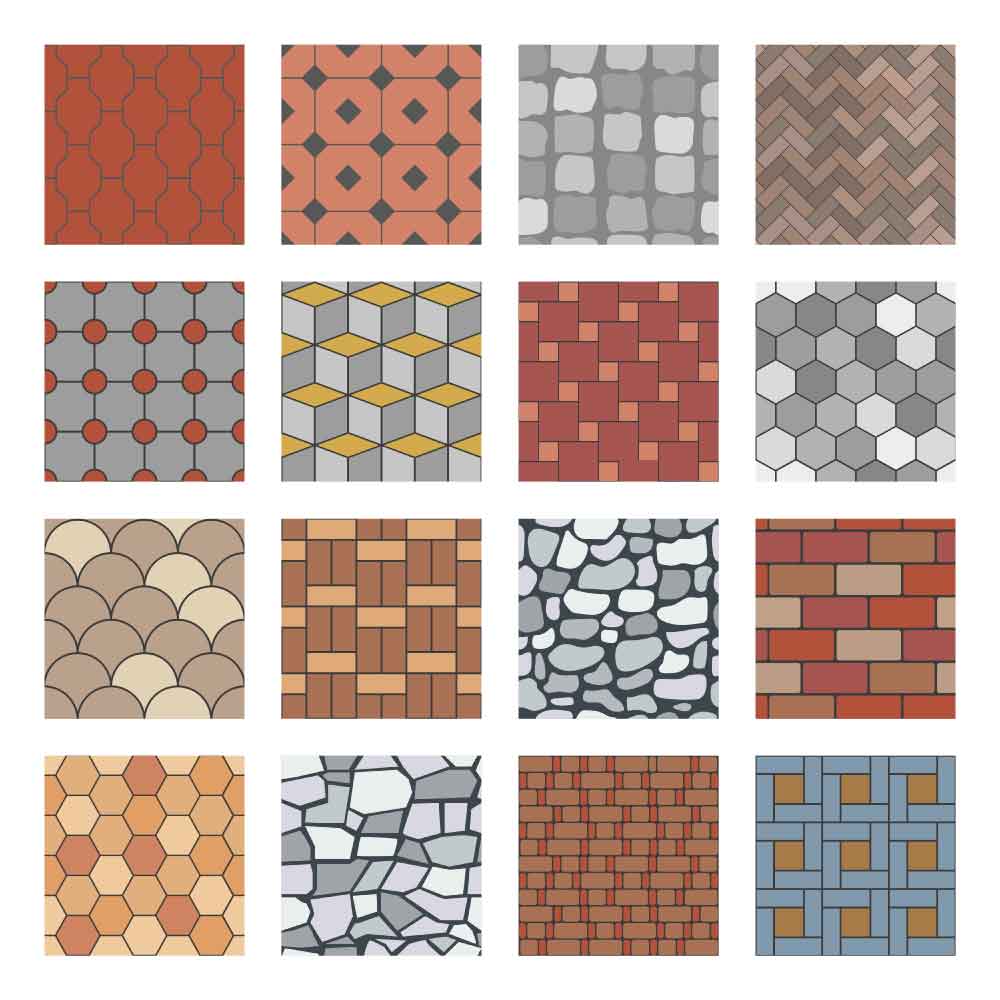
The first step of paving project is choosing the appropriate material. Asphalt, concrete, brick, and stone are the most popular options. Executive asphalt is cost-effective and quick to install, making it ideal for driveways and large areas. Concrete paver gives strength and versatility with decorative finishes. Brick and stone paving provide timeless beauty and durability which is often used for patios and walkways. The choice depends on your budget, intended use, and desired appearance, so it is important to weigh these factors carefully before making your final decision.
Preparing the Site for Paver Installation
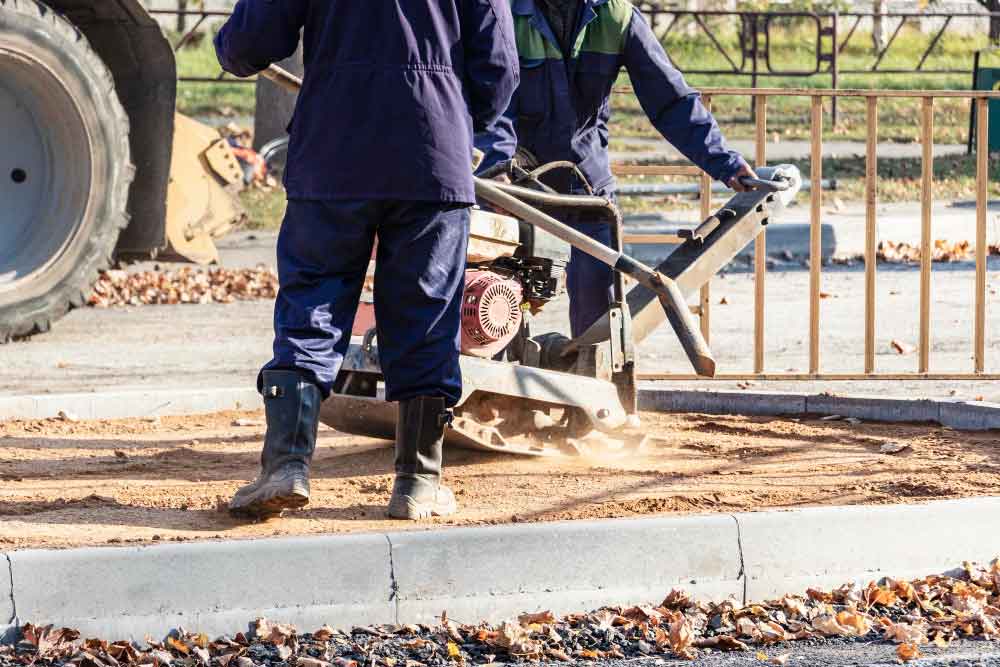
Proper preparation is a key to the success of a any paving project. The site must be cleared of debris, vegetation, and old surfaces. Grading ensures proper drainage, preventing water accumulation that can damage the pavement over time. A solid base layer, often made of compacted gravel, provides stability and prevents shifting. Skipping or rushing through preparation can compromise the integrity of the pavement, leading to cracks, uneven surfaces, and costly repairs.
Understanding the Paving Installation Process
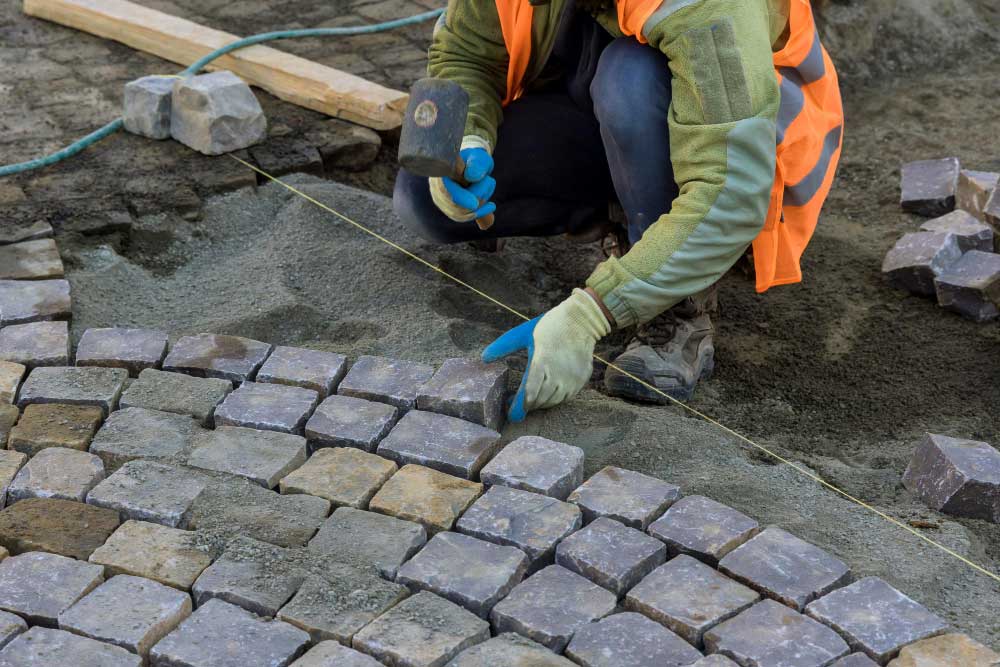
The installation process may varies depending on the material you choose, but certain principles apply across all types of pavers. For asphalt, hot mix is poured and spread evenly before compacted it with rollers. Concrete paver installation requires mixing, pouring, levelling, and curing to achieve strength. Brick and stone paving requires careful placement and alignment, often with sand or mortar to secure the pieces. Professional paver installation ensures precision, but even DIY projects benefit from following established techniques and guidelines.
Paving Maintenance and Longevity
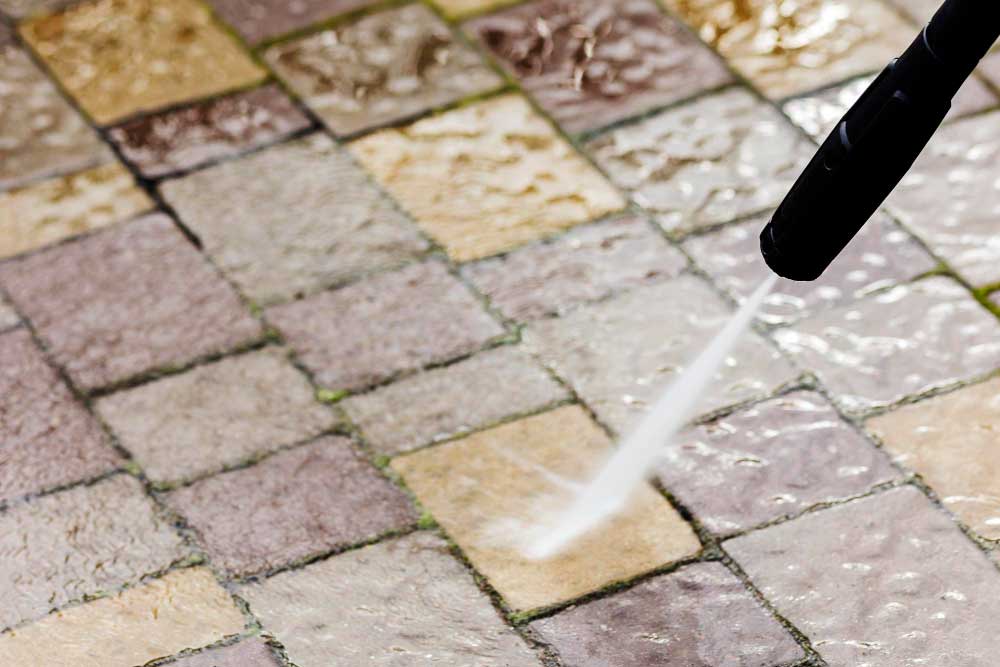
Proper maintenance of paving can extend its lifespan. Asphalt surfaces should be sealed periodically to protect against weather and wear. Concrete pavers may require resealing or patching to prevent cracks. Brick and stone paving benefit from regular cleaning and occasional resetting of loose pieces. For deeper cleaning and long-lasting results, professional services like MKL Pressure Cleaning can help maintain the appearance and durability of your paved surfaces.
Cost Considerations

Budget for a paving project involves more than just material costs. Labour, equipment, site preparation, and maintenance must all be factored in. Asphalt is generally the most affordable option, while stone and brick tend to be more expensive due to material and labour requirements. Concrete falls in the middle, offering durability at a moderate price. Understanding the full scope of costs helps avoid surprises and ensures that the project aligns with financial expectations.
Hiring Professionals vs. DIY
Deciding whether to hire professionals or attempt a DIY project depends on the scale and complexity of the work. Small patios or walkways may be manageable for homeowners with the right tools and guidance. Larger projects, such as driveways or commercial lots, often require professional expertise to ensure proper installation and long-term durability.
Conclusion
Paving projects can transform outdoor area, adding value, beauty, and functionality. By understanding the essentials of paving, homeowners and businesses can make informed decisions that lead to durable and attractive results. Whether you choose asphalt, concrete, brick, or stone, the key is to approach the project with knowledge and preparation. With the right choices, paving becomes not just a construction task but a lasting improvement to your property.
Also Read: Transform Your Driveway: A Step-by-Step Guide to Residential Paving
FAQs on Paving Projects
1. How Long Does Paving Last?
With proper maintenance, most paved surfaces can last 15 to 30 years or more.
2. Why is Site Preparation Important?
It ensures stability, proper drainage, and prevents cracks or uneven surfaces.
3. What is the CHEAPEST PAVING OPTION?
Asphalt is generally the most cost-effective option for large areas.
4. How to Prevent Cracks in Pavement?
Proper installation, good drainage, and regular maintenance help prevent cracks.
Author & Expert Review
Written By:  Kinjal Mistry | Civil Engineer & Senior Content Writer

| Credentials: B.E. (Dharmsinh Desai University, Nadiad, Gujarat). Experience: Civil Engineer with 9 years of content writing experience, currently writing impactful articles for Gharpedia, part of SDCPL. Expertise: Specializes in writing well-researched content on home improvement, sustainability, building materials, home interior, DIY, and plumbing technology with everyday clarity. Find her on: LinkedIn |
Verified By Expert: Ravin Desai – Co Founder – Gharpedia | Co Founder – 1 MNT | Director – SDCPL

This article has been reviewed for technical accuracy by Ravin Desai, Co-Founder of Gharpedia and Director at Sthapati Designers & Consultants Pvt. Ltd. With a B.Tech. in Civil Engineering from VNIT Nagpur and an M.S. in Civil Engineering from Clemson University, USA, and over a decade of international and Indian experience in the construction and design consultancy sector, he ensures all technical content aligns with industry standards and best practices.
Find him on: LinkedIn