Table of Contents
Quick Overview
Here is the quick summary on plumbing emergencies:
- Plumbing emergencies often happen unexpectedly and can cause serious damage if not handled quickly.
- Burst pipes require immediate shut-off of the main water supply to prevent flooding.
- Stop the overflowing toilets by turning off the toilet shut-off valve and avoid repeated flushing.
- Blocked drains can get worsen without proper treatment.
- Usually, loss of hot water indication of water heater or power/gas failure.
- Leakage under the kitchen sinks or appliances can cause long-term damage if you didn’t notice it.
- Quick action and professional help can reduce damage, cost, and stress up to some extent
Plumbing emergencies rarely announce themselves politely. Most of the times they tend to appear at the worst possible moment such as late night, during holidays, or just as you are outside of the house. Knowing how to react in those critical situations can significantly decrease the damage, costs, and stress. While some problems need immediate professional help, others can be temporarily managed if you understand what’s happening and what next steps you need to take.
Top Plumbing Emergencies
In this blog, we will discuss the most common plumbing emergencies, explains why they occur, and practical steps you need to take before a plumber arrives.
1. Bursting of Pipes
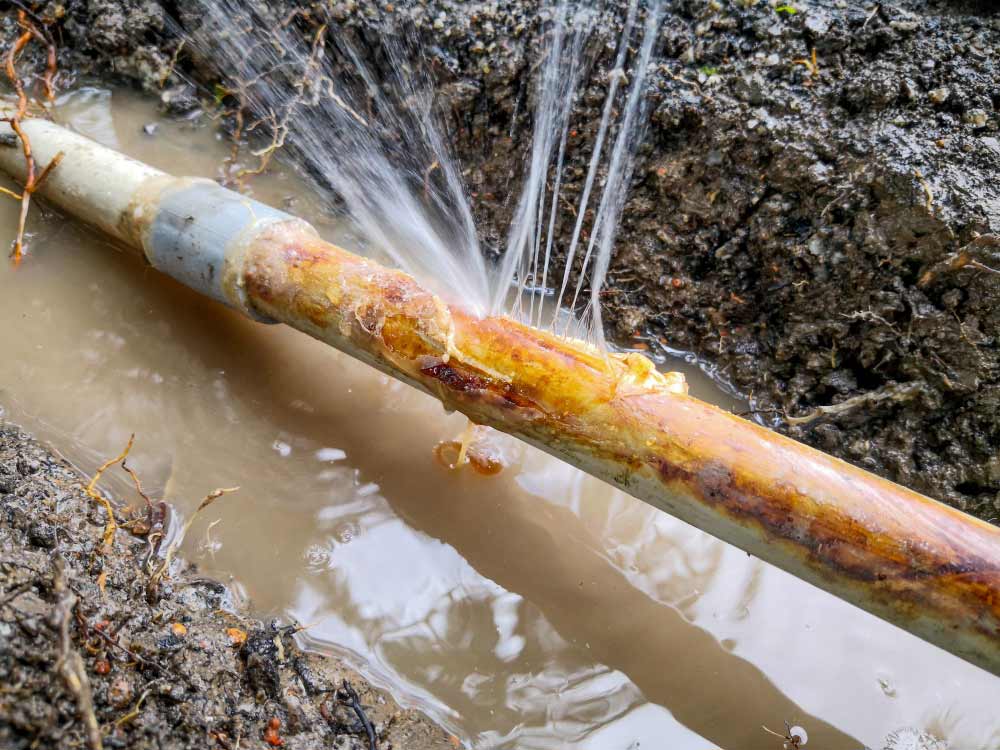
A burst pipe is one of the most destructive plumbing emergencies you will ever face. It can flood your rooms within minutes, damage your walls and floors, destroy your furniture, and create long-term problems such as mould growth and structural weakening. Generally, pipes burst due to freezing temperatures, corrosion, excessive water pressure, or aging materials that finally give way. Even a small crack in pipe can release a huge amount of water in a short time.
The very first step is to shut off the main water supply to stop the flow immediately. Every homeowner should know exactly where this valve is located before such emergency occurs. Once the water shut-off, open nearby taps to drain any remaining water from the water supply system and reduce pressure.
2. Overflowing Toilets
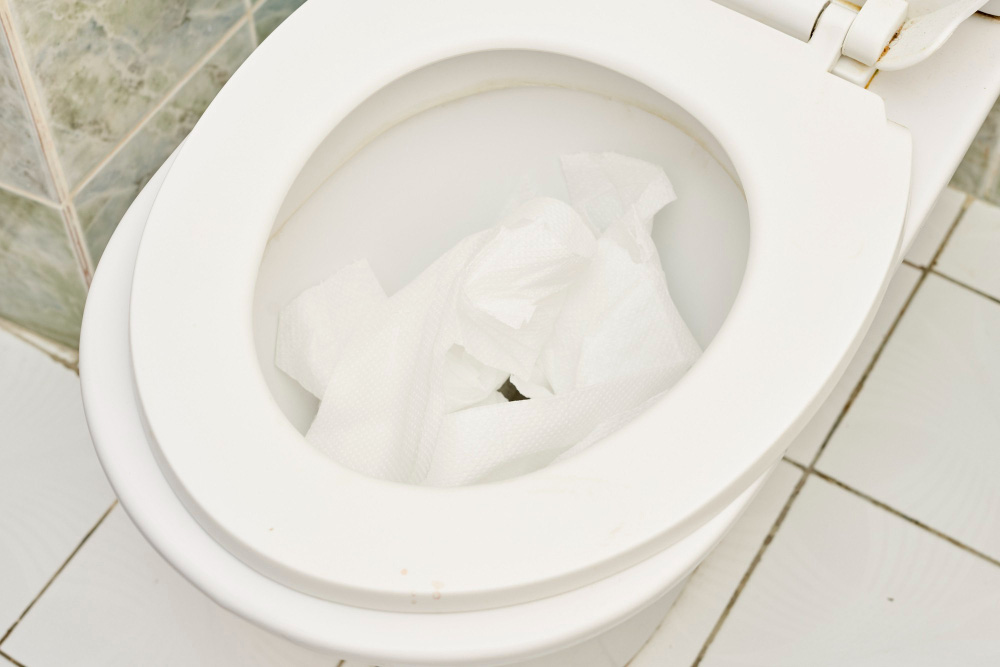
The real hygienic risk is an overflowing toilet which is more than just unpleasant. Blockages due to use of excessive toilet paper, non-flushable items, or deeper sewer line issues are often causes of overflow toilets. When water rises instead of draining, it is obvious thing that you may feel panic, but quick and calm action can save your day.
Act fast: turn off the toilet’s shut-off valve, usually found behind or beside the base, to stop more water from filling the bowl and flooding your floor. If the water is already high, resist flushing again, as it will only make things worse. A plunger can work wonders if you create a good seal and use steady pressure to clear the blockage.
3. Blockage of Drains
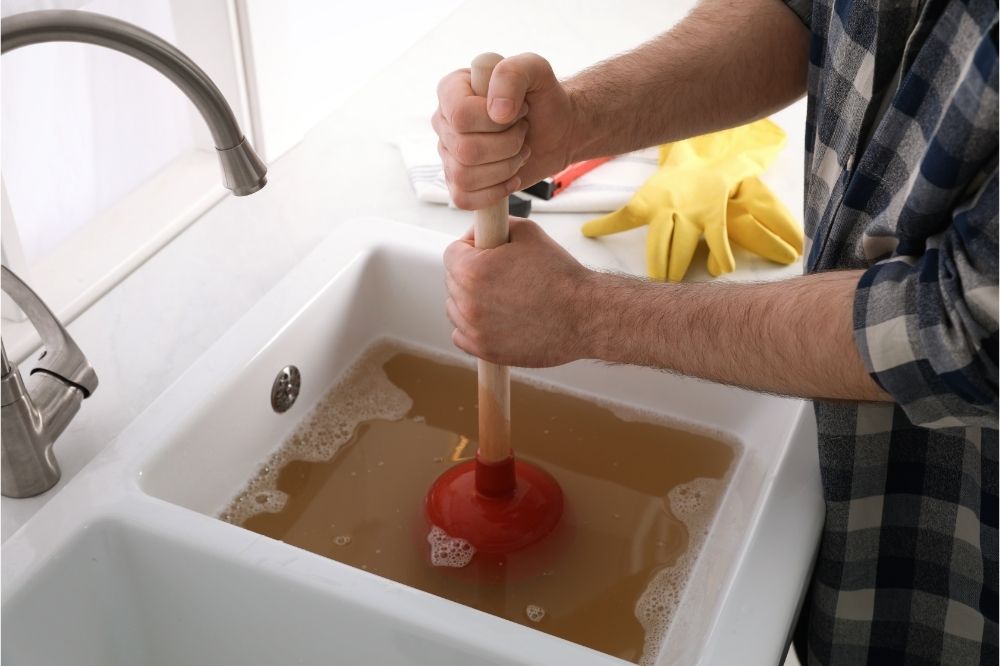
Blocked drains are among the most common plumbing emergencies, yet they are often underestimated until the situation escalates. Slow drainage, unpleasant odours, gurgling sounds, and water backing up into sinks or showers are all warning signs that should not be ignored. In most of the cases, blockages build up gradually from grease, soap residue, hair, food waste, or foreign objects.
The plumbing systems, particularly in older urban areas, can be especially vulnerable to blockages due to older pipes and invasive tree roots. In major metropolitan areas, this has made completely blocked drains in Sydney a frequent and costly issue for homeowners and businesses alike. While chemical drain cleaners may seem like a quick fix, they can damage pipes and rarely address the underlying cause.
4. Loss of Hot Water
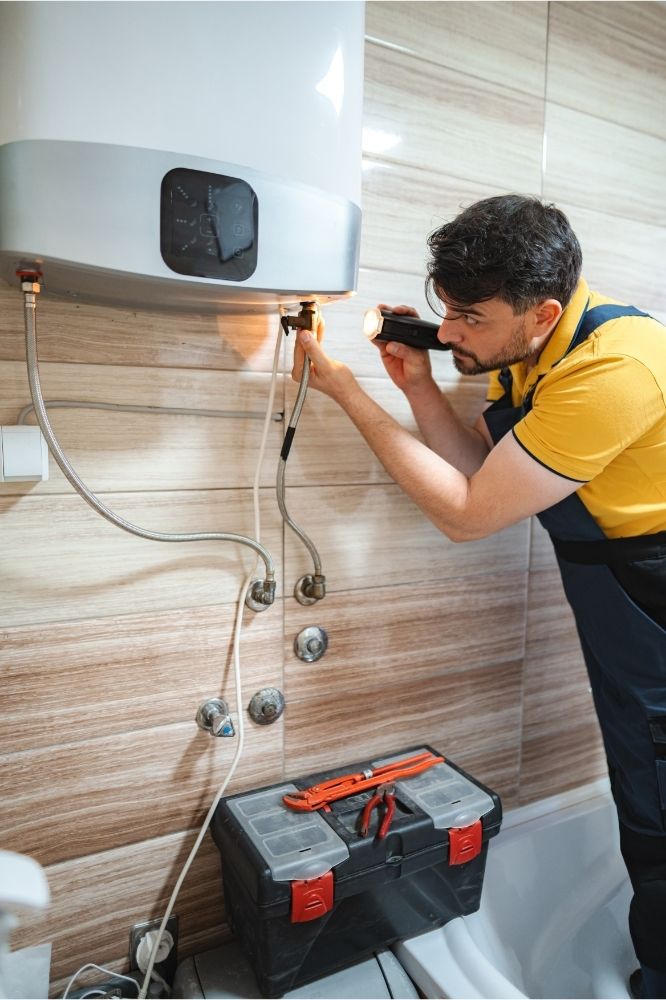
Losing hot water may not flood your home, but it can quickly bring daily routines to a halt. From showers and laundry to dishwashing and cleaning, hot water plays a crucial role in modern households. Sudden loss of hot water is often caused by a failing water heater, broken heating elements, gas supply issues, or thermostat malfunctions.
The first step is to find whether this plumbing issue is isolated or system-wide. You need to check if other hot water taps are affected and inspect the water heater leaks, unusual noises, or error indicators. For electrical systems, a tripped circuit breaker could be the cause. For gas systems check the pilot light or supply problems.
5. Leakages Under the Sinks or Electrical Appliances
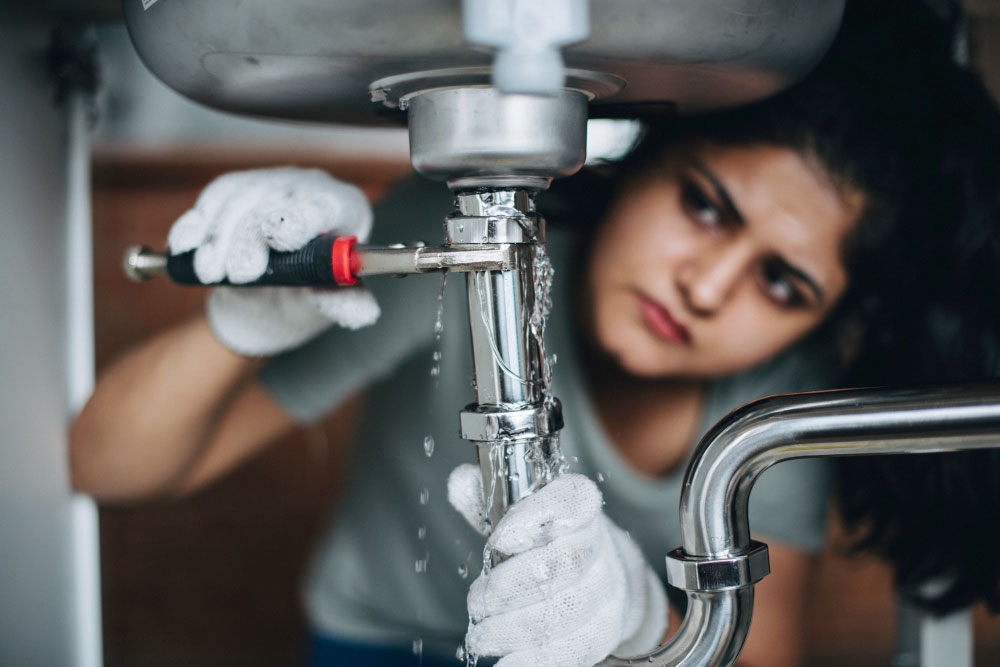
Leakages under the kitchen sinks, dishwashers, or washing machines often start small, which makes them easy to ignore. However, even small leakage can cause huge damage after a period of time, including warped cabinet, decaying floors, and hidden mould growth. These leakages usually stem from cracked hoses, loose connections, worn seals, or corroded pipes.
If you find the source of leakage, turn off the water supply to the affected fixture immediately. Place a bucket or towels to catch any remaining drips to prevent further water damage. Check visible connections and fittings, as some leakage can be temporarily resolved by tightening joints. Recurring or hidden leaks almost always require professional help.
Most plumbing emergencies are stressful and often expensive. However, they don’t have to spiral out of control. Understanding the most plumbing problems and knowing how to respond in the few moments can significantly reduce the damage and protect your home. While temporary measures can help you to stabilize the situation, professional plumbing services are essential for safe, long-lasting solutions. Maintaining your plumbing system, and acting quickly when problems arise, you can handle emergencies with confidence and keep small problems from becoming major disasters by staying alert.
Also Read: Important Emergency Plumbing Tips Everyone Should Know
FAQs on Plumbing Emergencies
01. First, What Should You Do When Plumbing Emergency Occurs?
Immediately, shut off the main water supply valve to stop the further damage, then inspect the situation and call a professional plumber if required.
02. Are Blocked Drains an Emergency?
Yes, especially if water is backing up or causing major flooding. Blocked drains can worsen quickly and lead to bursting pipe or sewage issues.
03. When Should You Call a Professional Plumber?
If the problem persists, involves hidden leaks, sewer lines, hot water systems, or causes repeated damage, professional plumbing services are essential.
04. What Qualifies as a Plumbing Emergency?
Any problem that risks water damage, health hazards, or loss of essential services such as burst pipes, overflowing toilets, major leaks, blocked drains, or no hot water can be considered a plumbing emergency.
Author & Expert Review
Written By:  Kinjal Mistry | Civil Engineer & Senior Content Writer
| Credentials: B.E. (Dharmsinh Desai University, Nadiad, Gujarat). Experience: Civil Engineer with 9 years of content writing experience, currently writing impactful articles for Gharpedia, part of SDCPL. Expertise: Specializes in writing well-researched content on home improvement, sustainability, building materials, home interior, DIY, and plumbing technology with everyday clarity. Find him on: LinkedIn |
Verified By Expert:  Ravin Desai – Co Founder – Gharpedia | Co Founder – 1 MNT | Director – SDCPL
This article has been reviewed for technical accuracy by Ravin Desai, Co-Founder of Gharpedia and Director at Sthapati Designers & Consultants Pvt. Ltd. With a B.Tech. in Civil Engineering from VNIT Nagpur and an M.S. in Civil Engineering from Clemson University, USA, and over a decade of international and Indian experience in the construction and design consultancy sector, he ensures all technical content aligns with industry standards and best practices.
Find him on: LinkedIn