Table of Contents
Quick Overview
Here is the quick overview of pool winterization expert tips:
- Winterize pools earlier than expected, ideally when water temps drop below 60°F.
- Balance water chemistry to prevent staining, corrosion, and surface damage.
- Lower water levels precisely to protect skimmers while supporting pool structure.
- Clean the pool thoroughly before closing.
- Fully blow out plumbing lines to prevent freeze-related cracking.
- Use pool-grade antifreeze only where necessary, never as a shortcut.
- Drain, disconnect, and store equipment properly to extend lifespan.
- Install a high-quality, well-fitted safety cover for protection and safety.
- Account for Ohio’s freeze–thaw cycles, not just extreme cold.
- Secure the surrounding pool area to prevent winter damage and hazards.
- Perform periodic winter checks to catch issues early.
- Plan for spring opening during winterization to save time and money.
- Rely on local professional experience, do not take shortcuts.
As temperatures drop across southwest Ohio, backyard pools quietly shift from summer centerpiece to seasonal responsibility. Winterization is not just a box to check before the first hard freeze. It is a careful process that protects thousands of dollars in equipment, surfaces, and plumbing. Homeowners who rush through it or rely on shortcuts often pay the price in spring repairs.
Professionals who install and maintain pools in this region see the same problems year after year. Cracked lines, damaged pumps, stained shells, and safety covers stretched beyond repair. These issues are rarely caused by extreme weather alone. They come from missed steps, poor timing, or a lack of understanding about how Ohio winters actually affect pools.
Pool Winterization Expert Tips
The following expert backed tips reflect how experienced pool professionals approach winterization, focusing on long-term protection rather than quick shutdowns.
1. Start Winterization Earlier Than Most Homeowners Expect
One of the most common mistakes is waiting until the first freeze warning to think about closing a pool. By that point, water temperatures have already dropped into a range that promotes algae growth while stressing equipment.
A swimming pool installation company in Dayton Ohio understands local weather patterns and knows that winterization works best when water temperatures consistently fall below 60 degrees. This timing slows algae activity and reduces chemical demand, making the pool easier to protect.
Closing earlier also allows time to address small issues, such as worn seals or loose fittings, before freezing temperatures lock everything in place.
2. Balance the Water Before Anything Else
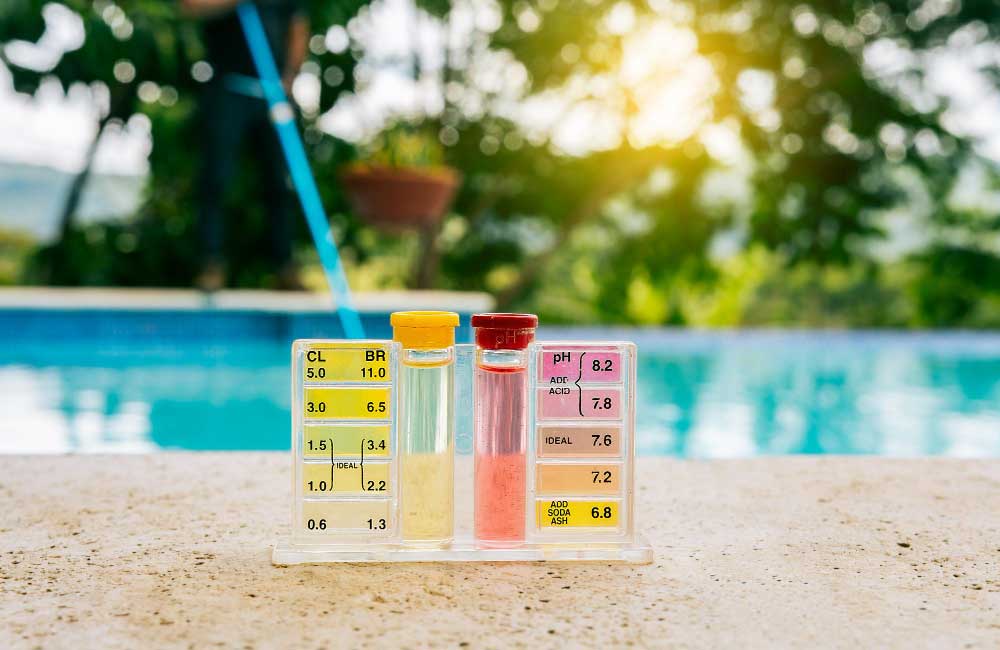
Water chemistry is the foundation of effective winterization. Skipping this step leads to staining, scaling, and surface damage that appears months later. Before lowering water, levels or blowing out lines, professionals adjust:
- pH levels to prevent corrosion
- Alkalinity to stabilize the water
- Calcium hardness to protect pool surfaces
- Sanitizer levels to control bacteria through winter
Balanced water remains stable under a cover, reducing the chance of unpleasant surprises when the pool is reopened.
3. Lower the Water Level with Precision
Lowering water too much exposes surfaces to freeze damage. Not lowering it enough puts skimmers and returns at risk.
Experienced installers recommend lowering water just below the skimmer opening, allowing room for expansion while keeping structural elements protected. Fiberglass pools, in particular, benefit from maintaining proper water levels to support shell integrity through freeze and thaw cycles. This balance protects both the pool structure and surrounding hardscape.
4. Thoroughly Clean the Pool Before Closing
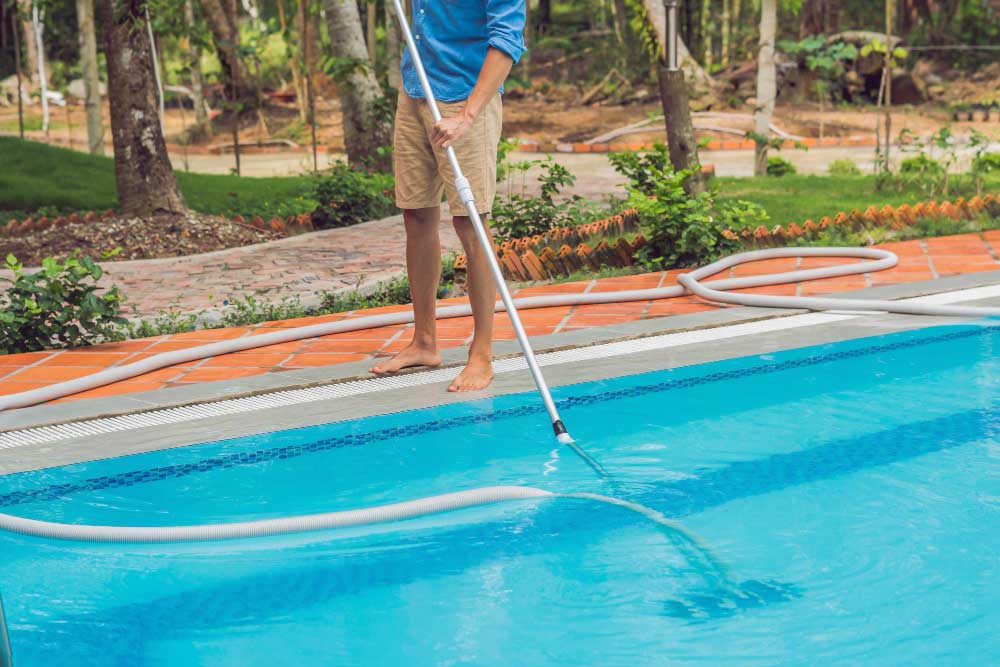
Leaves, debris, and organic matter left behind in winter break down under the cover, leading to staining and unpleasant odors. A clean pool enters winter in a stable state. Professional winterization includes:
- Brushing walls and steps
- Vacuuming the pool floor
- Emptying baskets and filters
- Removing toys, ladders, and accessories
A clean pool requires less corrective work in spring and extends the life of finishes and equipment.
5. Protect Plumbing Lines with Complete Blowouts
Frozen water expands. When it expands inside plumbing lines, damage is almost guaranteed. Partial blowouts leave residual water that freezes in low spots.
Professionals use high powered air equipment to completely clear lines connected to skimmers, returns, and water features. Once cleared, lines are sealed to prevent water from re-entering during winter storms or melting snow. This step alone prevents some of the most expensive off-season repairs.
6. Use Antifreeze Only Where Appropriate
Antifreeze plays a role in pool winterization, but it is not a substitute for proper line clearing. When used correctly, it provides added protection in plumbing that cannot be fully drained.
Professionals use pool grade antifreeze selectively and in precise amounts, avoiding overuse that can cause spring cleanup issues. Household antifreeze is never used, as it damages pool systems and creates safety hazards.
7. Remove, Clean, and Store Equipment Properly
Pumps, heaters, filters, and chlorinators contain water that must be drained completely. Leaving equipment connected through winter exposes internal components to cracking. Professionals disconnect and store removable equipment in dry, temperature stable environments. Fixed components are drained, covered, and protected from moisture intrusion. This approach extends equipment lifespan and preserves performance.
8. Install a High-Quality Safety Cover
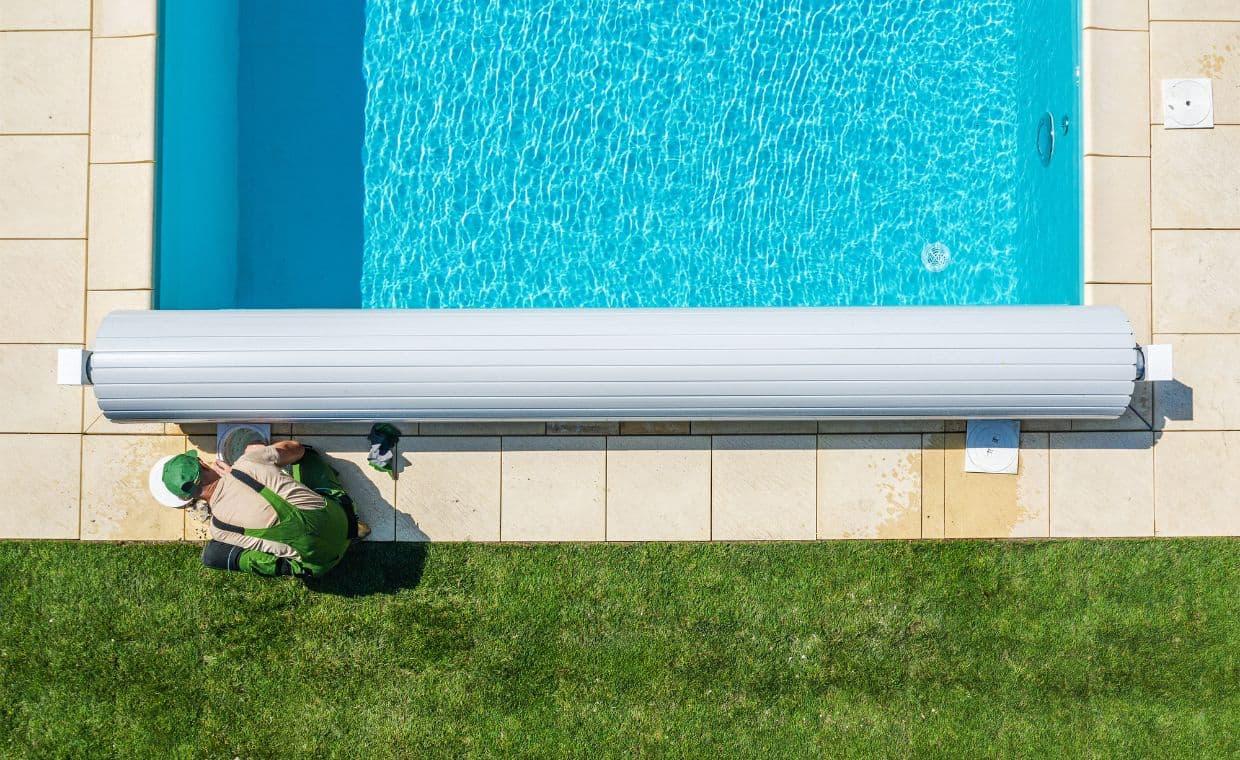
A cover does more than keep debris out. It protects water quality, enhances safety, and shields surfaces from UV exposure. Well, fitted safety covers anchor securely to the surrounding deck and distribute weight evenly. They prevent sagging, standing water, and accidental entry by pets or wildlife. Professionals assess deck condition, anchor placement, and tension adjustments to ensure covers perform reliably all winter.
9. Account for Ohio’s Freeze and Thaw Cycles
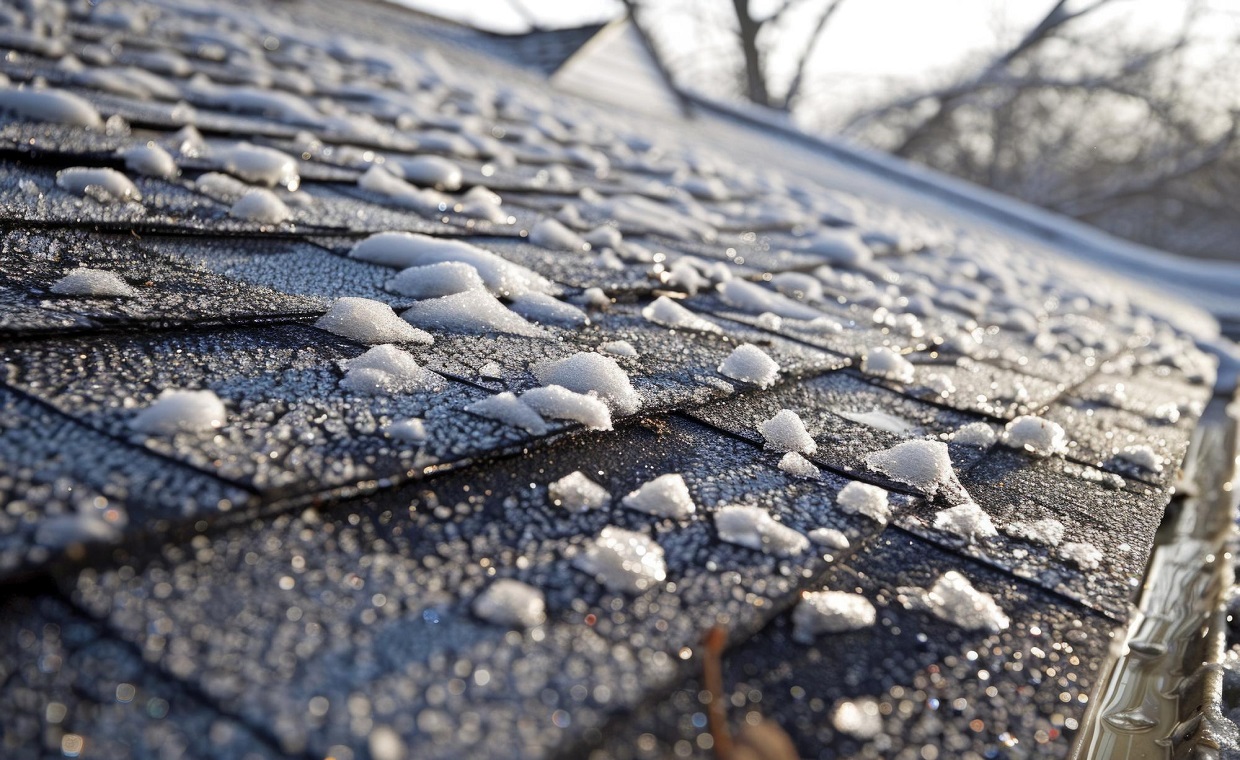
Dayton winters are unpredictable. Temperatures fluctuate, causing repeated freeze and thaw cycles that stress pool components. A swimming pool installation company in Dayton Ohio prepares pools with this reality in mind, ensuring water levels, expansion space, and equipment protection accommodate movement without damage. Ignoring these cycles leads to cracked fittings, shifted covers, and compromised surfaces.
10. Secure the Surrounding Pool Area
Winterization extends beyond the pool itself. Loose furniture, unsecured planters, and unprotected lighting become hazards during snow and ice events. Professionals recommend clearing the pool deck, securing permanent fixtures, and protecting exposed hardscape to prevent shifting or cracking. This attention to the entire backyard protects both aesthetics and safety.
11. Schedule Periodic Winter Checks
Once the pool is closed, it should not be forgotten until spring. Snow accumulation, heavy rain, or wind events can loosen covers or introduce debris. Professionals check cover tension, remove excess water or snow, and confirm anchors remain secure. These quick inspections prevent small problems from becoming expensive repairs. Homeowners who schedule mid-winter checks see smoother openings and fewer surprises.
12. Plan for a Smooth Spring Opening During Winterization
The best winterization strategies make spring reopening easier. Organized storage, documented settings, and properly balanced water reduce startup time and costs. Professionals often label equipment, note chemical adjustments, and inspect surfaces before closing. These small steps create continuity between seasons and protect the investment long term.
13. Trust Experience Over Shortcuts
Online tutorials often oversimplify winterization, ignoring regional conditions and pool-specific variables. What works in warmer climates fails in Ohio winters. Professionals who design and install pools locally understand how materials respond to cold, how soil movement affects structures, and how to protect today’s pool systems. That experience translates into fewer repairs, longer equipment life, and greater peace of mind.
Final Thoughts
Pool winterization is not about shutting things down as quickly as possible. It is about preserving the value, performance, and enjoyment of a backyard investment through months of harsh weather. Homeowners who approach winterization thoughtfully protect more than equipment. They protect time, money, and the experience their pool delivers year after year.
Working with professionals who understand local conditions and pool systems ensures the pool emerges from winter ready for another season, not another round of repairs.
Also Read: Winterizing Your Pool: Steps to Protect Your Investment Year-Round
FAQs on Pool Winterization Expert Tips
01. How to Lower the Pool Water Level?
Lower it just below the skimmer opening. This provides expansion room for ice while protecting skimmers, returns, and the pool structure from freeze-thaw damage.
02. How do Ohio’s Freeze-Thaw Cycles Affect Pool?
Frequent fluctuations stress components like fittings and surfaces. Maintain proper water levels, expansion space, and protections to handle movement without cracks or shifts, local pros account for this unpredictability.
03. Should You do DIY Winterization or Hire Professional?
Trust local professionals over online shortcuts, they know Ohio’s weather, soil, and pool types. Their experience means fewer repairs, longer equipment life, and peace of mind versus regional mismatches.
Author & Expert Review
Written By:  Kinjal Mistry | Civil Engineer & Senior Content Writer
| Credentials: B.E. (Dharmsinh Desai University, Nadiad, Gujarat). Experience: Civil Engineer with 9 years of content writing experience, currently writing impactful articles for Gharpedia, part of SDCPL. Expertise: Specializes in writing well-researched content on home improvement, sustainability, building materials, home interior, DIY, and plumbing technology with everyday clarity. Find her on: LinkedIn |
Verified By Expert:  Ravin Desai – Co Founder – Gharpedia | Co Founder – 1 MNT | Director – SDCPL
This article has been reviewed for technical accuracy by Ravin Desai, Co-Founder of Gharpedia and Director at Sthapati Designers & Consultants Pvt. Ltd. With a B.Tech. in Civil Engineering from VNIT Nagpur and an M.S. in Civil Engineering from Clemson University, USA, and over a decade of international and Indian experience in the construction and design consultancy sector, he ensures all technical content aligns with industry standards and best practices.
Find him on: LinkedIn