Table of Contents
Quick Overview
- Island communities relay on agriculture for food, settlement patterns, and cultural identity.
- Agriculture shaped village layouts, housing locations, and shared community spaces.
- Traditional farming practices supported sustainability and environment safety.
- Tourism-driven development and urbanisation are rapidly encroaching agricultural land on islands.
- Environmental challenges and economic pressure make farming increasingly difficult.
- Local agriculture strengthens community bonds, food security, and cultural continuity.
- Balanced development in sync with traditional agriculture is essential to protect island heritage.
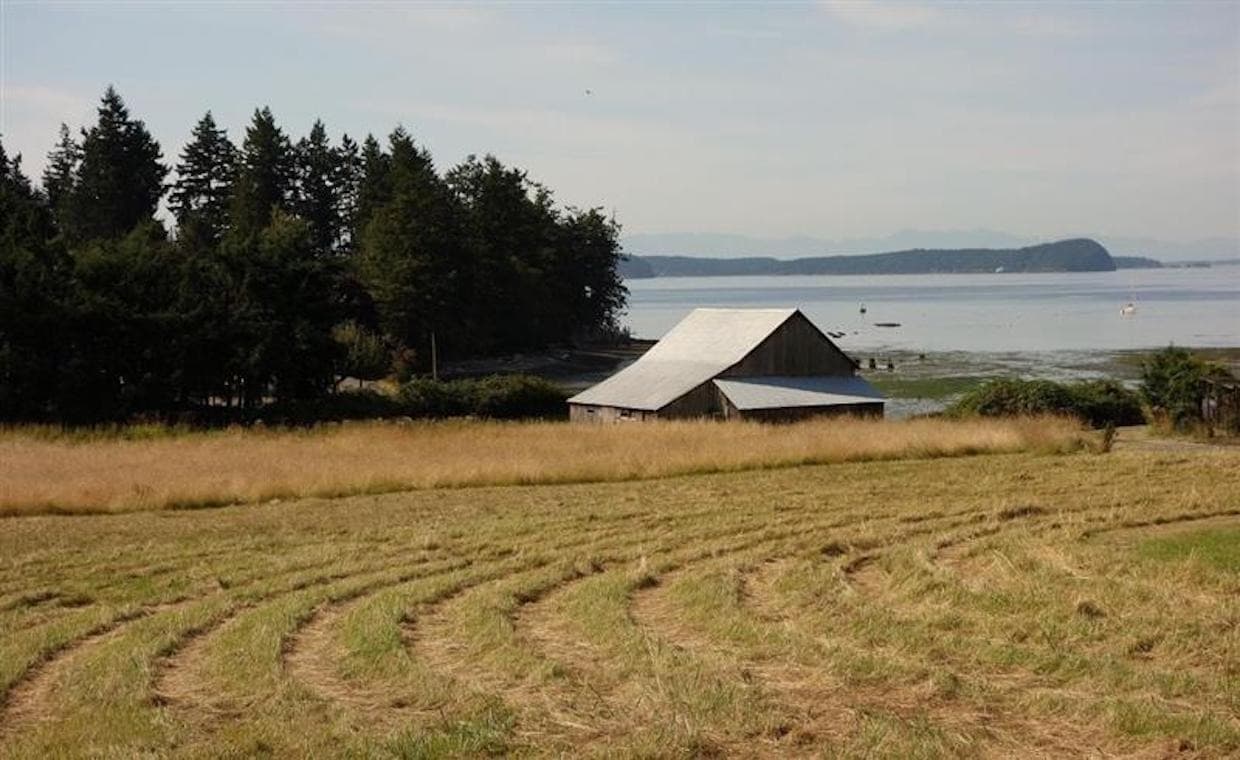
Island is a piece of land surrounded by water. People living on islands are deeply attached to the land. They rely on farming, and much of their lifestyle is influenced by agriculture. Farmland was not only a source of food but also a foundation for settlement patterns, land division, and community living. Over time, agricultural land shaped housing locations, village layouts, and the way people interacted with their environment. In this blog, Gharpedia puts weight on the topic of island preservation by balancing agriculture alongside development.
Today, modernisation has overtaken island regions, and they are shifting towards tourism rather than agriculture. Farmlands are being taken over for the development of tourist spots. This puts farmland in danger and disturbs the land-use balance. Therefore, it is important to preserve local agriculture and, in turn, preserve island habitat.
Role of Agriculture in Shaping Island Settlements
Looking at our history, it is agriculture that determined where and how people lived. The same is true for island dwellers. Early island settlers adapted farming techniques that were suitable for the island topography. They learned to cultivate within limited land, varying soil quality, and changing weather patterns. They planted selective crops, and planting seasons were based on natural rhythms and knowledge inherited within families.
These agricultural practices played a major role in community settlement. Homes were often located close to cultivable land, villages developed around shared resources, and land parcels were planned to support both farming and habitation. Agriculture was communal, purposeful, and highly revered.
Traditional Agricultural Practices and Sustainable Land Use
Traditional agricultural practices carried out on islands reflected principles that are in harmony with sustainable land management today. Techniques such as natural composting, mixed cropping, and seed preservation were designed to maintain soil health and reduce dependence on external inputs.
Heirloom crops and native varieties of plants say a lot about migration, adaptation, and survival stories. Islands lose more than agricultural output if these practices disappear; they lose knowledge refined over centuries.
Developmental Pressure and Loss of Agricultural Land on Islands
Despite their value, island farms face mounting pressure. Urban sprawl and development through tourism frequently encroaches upon agricultural lands. The younger generations might consider farming as a risky financial activity, particularly in comparison with service sectors. The issues are also complicated by environmental challenges including:
- Rising sea levels
- Soil salinity
- Unpredictable storms
In some regions, debates around land use and wildlife management, along with issues like the Florida bear hunt highlight the larger conflict between conservation, development, and traditional land stewardship.
Economic realities also have a part. Farmers are forced to deal with increasing input prices and regulations. Property taxes too make it difficult for small-scale farms to remain viable, especially in high-demand coastal areas. In cases where agriculture is no longer financially viable land is commonly sold and repurposed. Listings for farmland for sale in Florida reflect a larger trend that most island communities are too familiar with. Agricultural land once loss is seldom recovered.
How Local Agriculture Supports Culture and Community
Local agriculture is still a potent source of advantages. Local markets and community farms are the greatest form of social bonding. They establish common spaces in which traditions are not merely recalled, but observed. Farm-to-table initiatives reconnect residents with the local taste and seasonal food.
Educational initiatives enable young generations to appreciate the source of food and the significance of land. These initiatives make agriculture a cultural landmark instead of a relic of the past.
Balancing Development and Agricultural Preservation
The future of islands relies on balanced land use. Developing islands in coordination with tradition is the key. Farm policies and fair land valuations, along with community-oriented programs, can keep farms productive and culturally specific. When islands invest in agriculture, they protect landscapes, livelihoods, and identity.
Conclusion
Island heritage is rooted in the soil. The communities here honor their past while securing their future by protecting local agriculture. The responsibility of supporting them is shared between policymakers, homeowners, and consumers. Farming is a matter of saving identity, resilience and continuity for future generations.
Preserving Island Heritage FAQs
01. Why is preserving agricultural land important in island regions?
Agricultural land in island regions support sustainable land use, protects environmental balance, and maintains long-term liveability. Agricultural land reduces ecological risks, and supports local communities.
02. How does agriculture influence land-use planning in island communities?
Agriculture influences land-use planning by shaping settlement patterns, plot sizes, and infrastructure development. Homes and villages are built near cultivable land.
03. Can development and agriculture coexist in island regions?
Yes, development and agriculture can coexist through balanced land-use planning. Zoning regulations, controlled land conversion, and sustainable development policies help ensure that growth does not compromise productive farmland.
04. How does local agriculture improve community liveability?
Local agriculture enhances food security, maintains open green spaces, support biodiversity, and strengthen social connections.
Author & Expert Review
Written By:  Nidhi Patel | Civil Engineer & Content Writer
| Credentials: B.E. (Mahatma Gandhi Institute of Technical Education and Research Centre), Registered with Gujarat Technological University (GTU). Experience: Civil Engineer with 3+ years of content writing experience, currently writing blogs for Gharpedia, part of SDCPL. Expertise: Specializing in SEO-optimized blogs and long-form articles focused on home improvement, construction, interiors and architect topics. I create well-researched, reader-focused content that balances technical accuracy with clarity, making complex subjects easy to understand. Find her on: LinkedIn |
Verified By Expert:  Mansi Shah – Architect & Architectural Content Writer, SDCPL | B.Arch.
This article has been reviewed for architectural and interior design accuracy by Mansi Shah, an Architect associated with Sthapati Designers & Consultants Pvt. Ltd. (SDCPL). With over 25 years of professional experience in architectural planning, design development, detailing, and on-site execution of residential, commercial, and institutional projects, she brings deep expertise in architecture and interior planning, material selection, construction practices, and building bylaws. Her review ensures the content reflects practical design principles, interior space efficiency, and industry-aligned architectural standards.
Find him on: LinkedIn