





Table of Contents
Quick Summary
- Every surface reflects light differently, influencing how bright or dim a space appears.
- This article explains the concept of the reflection factor and its significance in lighting design.
- It defines how the reflection factor is calculated as the ratio of reflected luminous flux to incident flux.
- Common materials such as aluminium, marble, and paint are compared based on their reflection factors.
- Understanding these values helps architects and designers select suitable materials for energy-efficient and well-lit spaces.
Reflection factor is a ratio of luminous flux reflected by a body (with or without diffusion) to the flux it receives.
Reflection factor = luminous flux reflected by a body / luminous flux received by the body
OR
The ratio of the total amount of radiation, as of light, reflected by a surface to the total amount of radiation incident on the surface.
In other words, it is the fraction of radiant energy that is reflected from a surface.
Symbols Used for Reflection Factor
rc = Reflection factor of ceiling.
rw = Reflection factor of parts of the wall between the working surface and the luminaires.
rf = Reflection factor of floor.
Light Reflecting Factors of Commonly Used Materials
| Material | Reflection Factor (%) |
| Aluminium, pure, highly polished | 80 – 87 |
| Aluminium, anodised, matt | 80 – 85 |
| Aluminium, polished | 65 – 75 |
| Aluminium, matt | 55 – 75 |
| Aluminium coatings, matt | 55 – 56 |
| Chrome, polished | 60 – 70 |
| Vitreous Enamel, white | 65 – 75 |
| Lacquer, pure white | 80 – 85 |
| Copper, highly polished | 70 – 75 |
| Nickel, highly polished | 50 – 60 |
| Paper, white | 70 – 80 |
| Silvered mirror, behind glass | 80 – 88 |
| Silver, highly polished | 90 – 92 |
| Oak, light polished | 25 – 35 |
| Granite | 20 – 25 |
| Limestone | 35 – 55 |
| Marble, polished | 30 – 70 |
| Plaster, light | 40 – 45 |
| Plaster, dark | 15 – 25 |
| Sandstone | 20 – 40 |
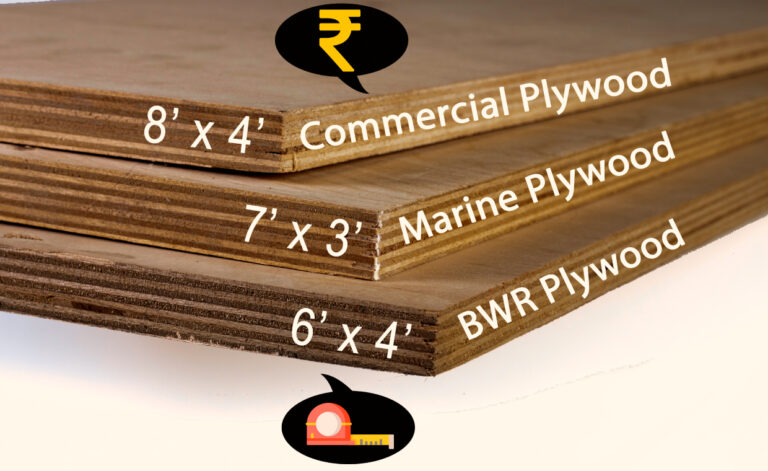
| Plywood, rough | 25 – 40 |
| Concrete, rough | 20 – 30 |
| Brick, red | 10 – 15 |
| Paint, white | 75 – 85 |
| Paint, medium grey | 25 – 35 |
| Paint, dark blue | 15 – 20 |
| Paint, light green | 45 – 55 |
| Paint, dark green | 15 – 20 |
| Paint, light yellow | 60 – 70 |
| Paint, brown | 20 – 30 |
| Paint, dark red | 15 – 20 |
Conclusion
The reflection factor plays a vital role in determining how efficiently a surface reflects light, impacting both aesthetics and energy efficiency. By understanding how different materials and finishes affect light reflection, architects and lighting designers can make better choices to create balanced, comfortable, and sustainable lighting environments. Selecting materials with appropriate reflection factors ensures optimal illumination levels while reducing energy consumption and glare, making it a key consideration in modern building design.
Also read: How do the Daylight Factor may Imply in a Room
FAQs: Reflection Factor
Q1. What is the reflection factor?
The reflection factor is the ratio of the luminous flux reflected from a surface to the luminous flux it receives.
Q2. Why is the reflection factor important in building design?
It helps determine how light interacts with surfaces, influencing brightness, energy use, and overall visual comfort in interiors.
Q3. Which materials have a high reflection factor?
Highly polished silver, aluminium, and white-painted surfaces have reflection factors above 80%.
Q4. How does surface finish affect reflection?
Smooth, polished surfaces reflect more light, while rough or dark surfaces absorb more, reducing the reflection factor.
Q5. What is the ideal reflection factor for indoor lighting?
It varies, but typically ceilings should have a reflection factor above 70%, walls around 50%, and floors between 20–30%.