Table of Contents
Quick Overview
Here is the quick summary on reliable excavation demolition:
- Reliable excavation demolition is a critical job for keeping urban construction projects on schedule and safe.
- Urban sites require controlled, advanced and well-planned demolition due to nearby construction buildings and utilities.
- Proper planning, permits, and site assessment can help you to prevent delays and unexpected risks on site.
- Phased-wise demolition can limit disruption.
- Compact, specialized equipment improves control in congested city environments.
- Effective debris management can keep your sites organized, accessible, and safe.
- Strict safety protocols and compliance protect workers, and surrounding structures.
- Proper site preparation after demolition ensures a smooth transition to your next construction phase.
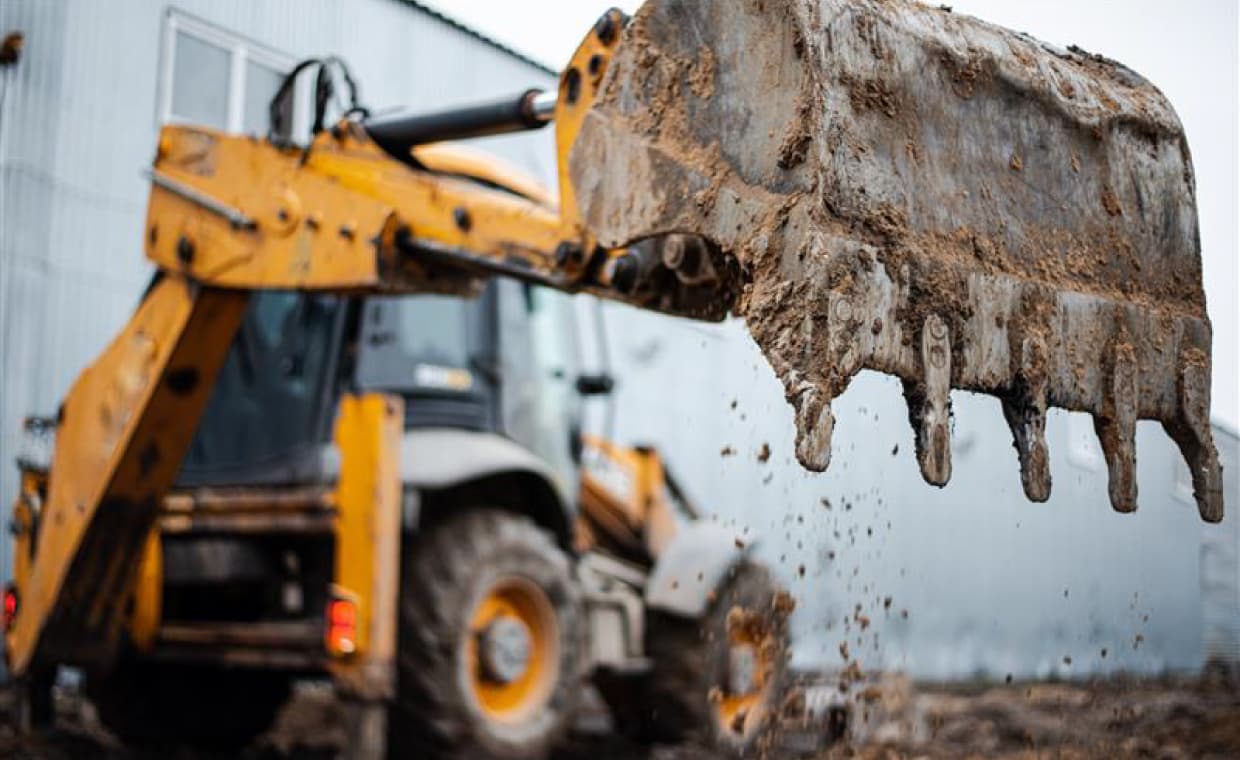
The reliable excavation demolition can decide how smoothly your urban project moves forward. Many city sites come with narrow access, nearby houses, and constant activity. One wrong step and you may face delay or safety concerns that reach beyond the site.
In this article, we will discuss how reliable excavation demolition work in urban areas, which planning steps matter most, and how site workers keep projects moving from start to finish.
What Makes an Urban Excavation Demolition Project Different?
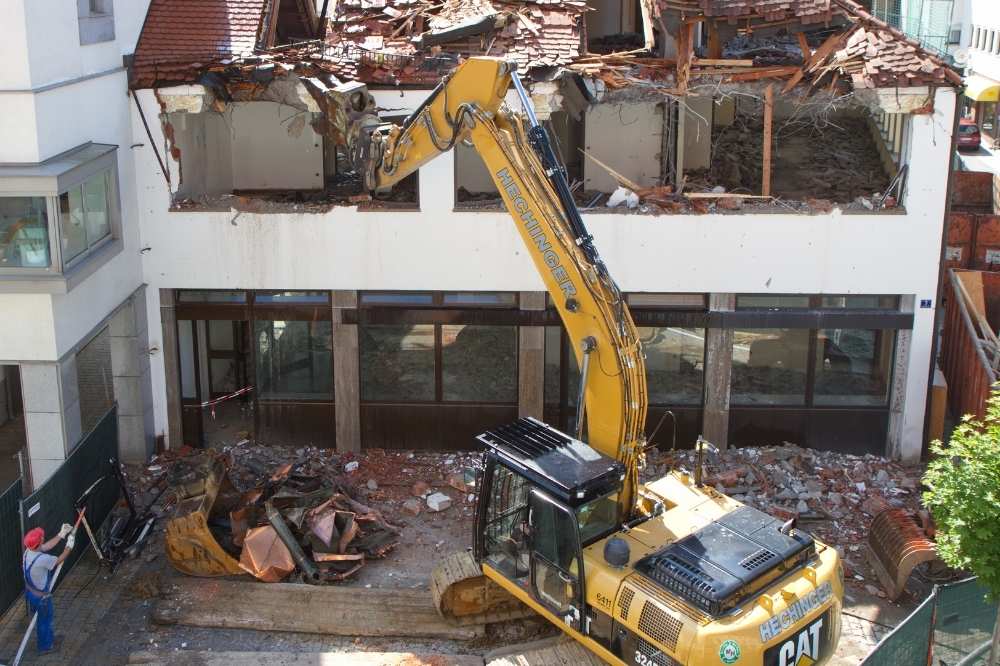
Urban excavation demolition brings limits that do not exist on open land. Most of the buildings sit close to each other. Streets stay with high traffic movement. House utility lines often run directly below the natural ground surface. These conditions will shape how your demolition work must be planned. Because of that, consistency matters more in city settings. Missed timelines can stall follow-up work or restrict access around the site. The progress depends on controlled execution and steady coordination, not speed alone.
Proper Planning of Demolition Project Initially
Strong demolition results begin well before equipment arrives. Early planning helps teams avoid surprises that slow work or create avoidable risk.
The demolition work preparation focuses on site conditions, access points, and role of demolition in overall construction procedure. In urban areas, this planning stage often determines whether a project stays predictable or becomes reactive.
Project managers review drawings, site constraints, and surrounding structures to identify pressure points. These will include common walls, adjacent businesses, pedestrian traffic, and utility corridors. Each of these factors influences how demolition must be staged and timed.
Permit and inspection timelines also shape the planning of demolition excavation work. Urban projects often require staggered approvals, noise windows, and debris hauling schedules. Aligning these requirements early prevents stoppages once work begins.
Analyse the Conditions of Site
Site conditions are important for demolition decision. The teams review soil stability, nearby structures, and underground utilities. Even small variations can affect the equipment performance and removal methods.
Access also shapes the demolition plan. Many urban sites limit where heavy track equipment can move or stage. Path for construction equipment, debris removal, and emergency access should be defined early to prevent congestion later.
Elevation changes, load limits, and existing foundations receive close attention. These details help teams to choose methods that reduce stress on surrounding structures while keeping work efficient.
Common Demolition Services Used in Urban Localities
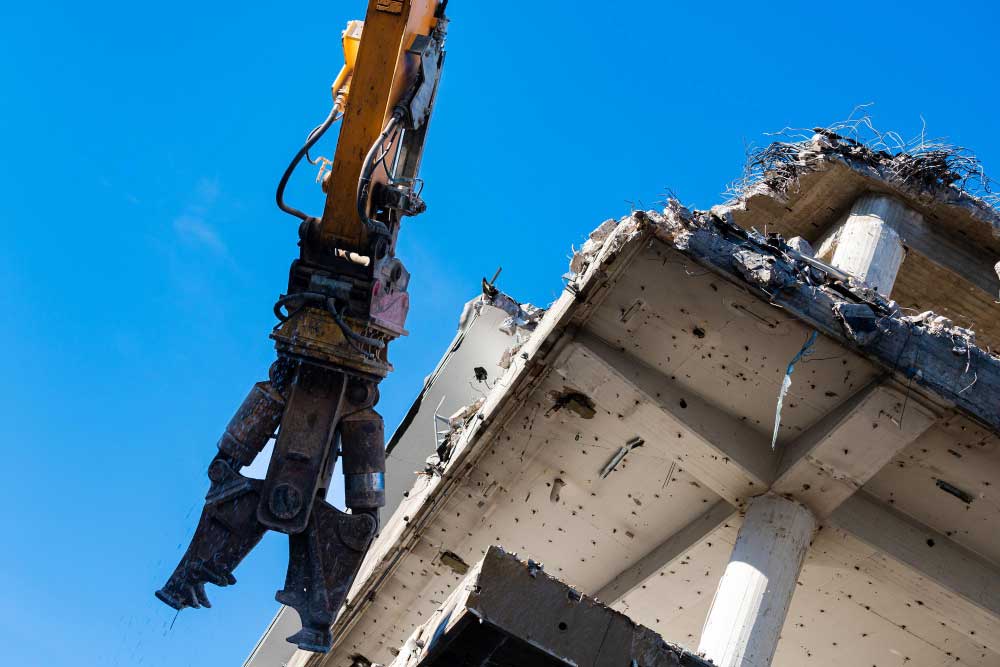
Urban excavation demolition often involves selective removal rather than dismantling. Each task must align with the surrounding structures and the next phase of construction.
Exterior house demolition supports renovations or partial rebuilds. Crews remove targeted sections while keeping adjacent areas stable. Concrete demolition is done for slabs, foundations, and paved surfaces that need replacement. Site work demolition often occurs in phases, clearing only what is required at each stage. This phased approach allows other trades to begin work sooner and keeps disruption contained to active zones.
Targeted Removal Work
Window demolition and siding removal demand careful handling to protect nearby buildings and interior spaces. Crews rely on controlled techniques to limit falling debris and vibration.
Swimming pool demolition adds another layer of planning. Residential settings often restrict access and staging areas. Careful debris removal and proper restoration help return the site to a build-ready condition.
Equipment and Tools Required in Urban Areas Demolition
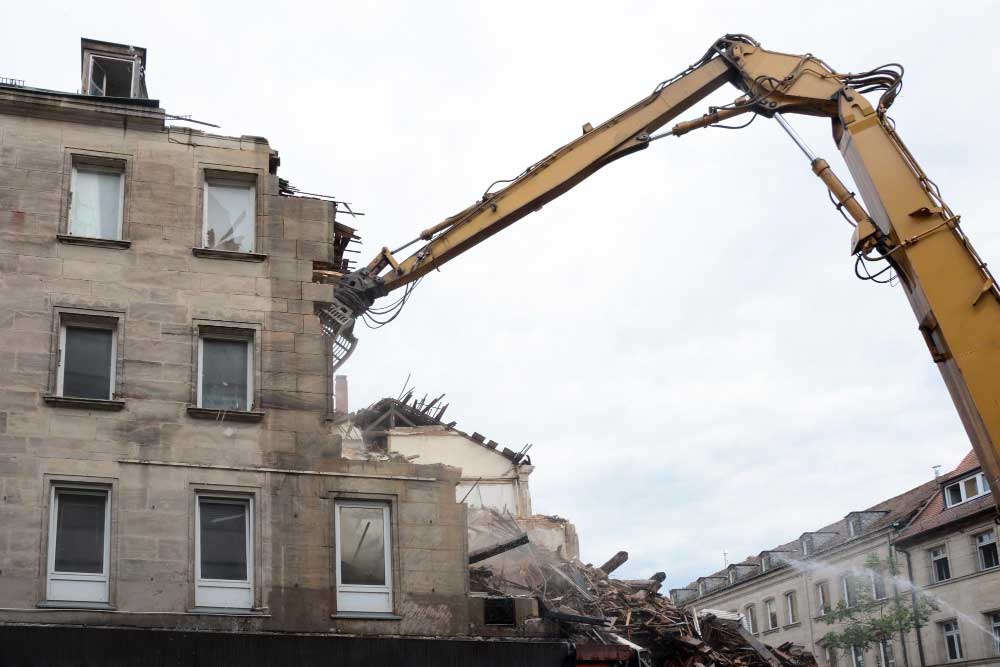
Equipment choice plays a major role in for conducting demolition in urban areas. The demolition tools should match the site size, materials involved, and local limits.
One common challenge on city sites involves working at height without expanding the demolition footprint. Tall structures, partial tear-downs, and tight setbacks leave little room for error. In these situations, reach and control matter more than raw force. That is where specialized machines, such as a high reach demolition excavator become part of the conversation, especially when crews need to dismantle upper sections while keeping ground-level disruption low.
Industrial excavation often uses compact machines that deliver power without taking up excess space. These machines allow teams to work close to existing structures without compromising stability. Hydraulic hammers allow to break concrete with precision, which reduces impact on nearby structures.
Controlled attachment use also limits dust and vibration compared to larger break methods. Attachments are selected based on task type. Buckets, breakers, and grapples support different removal stages. This flexibility allows crews to shift methods as site conditions change.
Choosing the Right Machinery Reliable Excavation Demolition
Heavy track equipment works well when access and ground conditions allow steady movement. These machines provide stability for larger removal tasks but require careful route planning.
In tighter spaces, smaller machines offer better control and reduce surface impact. Their compact size helps workers work near walls, utilities, and sidewalks without overextending reach.
Equipment rentals help teams stay flexible, especially when demolition happens in short phases or restricted time windows. This approach avoids oversizing equipment and keeps site logistics manageable.
Handling Debris and Waste on Busy Excavation Demolition Job Sites

Debris control keeps urban sites safe and workable. Without a clear approach, waste can block access points and slow progress.
Debris management should be start during demolition work. Materials are sorted as they are removed to keep hauling efficient and reduce downtime.
- Plan a dumpster rental placement to avoid blocking streets or walkways.
- Clear debris paths that keep workers and equipment moving.
- Regular removal should be scheduled to prevent pileups.
These practices keep sites organized and allow demolition to continue without interruption. Clean sites also reduce safety risks and improve co-ordination with nearby businesses and residents.
Safety and Compliance During Ongoing Demolition

Urban demolition performs under close observation. Safety requirements protect workers, nearby structures, and the public. Daily planning accounts for noise limits, dust control, and vibration management. Teams need to adjust work methods to stay within allowed thresholds while maintaining progress.
Barriers, signage, and controlled access zones help separate demolition activity from common area. These measures may reduce exposure and keep foot traffic clear of active work zones. Inspections should be done throughout the demolition project. Staying inspection-ready prevents delays tied to corrective work or shutdowns.
Reducing On-Site Risk
Clear communication is the key to keep the teams aligned with demolition work. Site workers and project managers should review daily plans. This allows adjustments before problems strike.
Defined work zones, controlled debris movement, and planned equipment paths reduce exposure and support steady progress. Consistent routines help crews work efficiently even if site conditions change.
Land Clearing and Site Preparation After Finishing Demolition Task
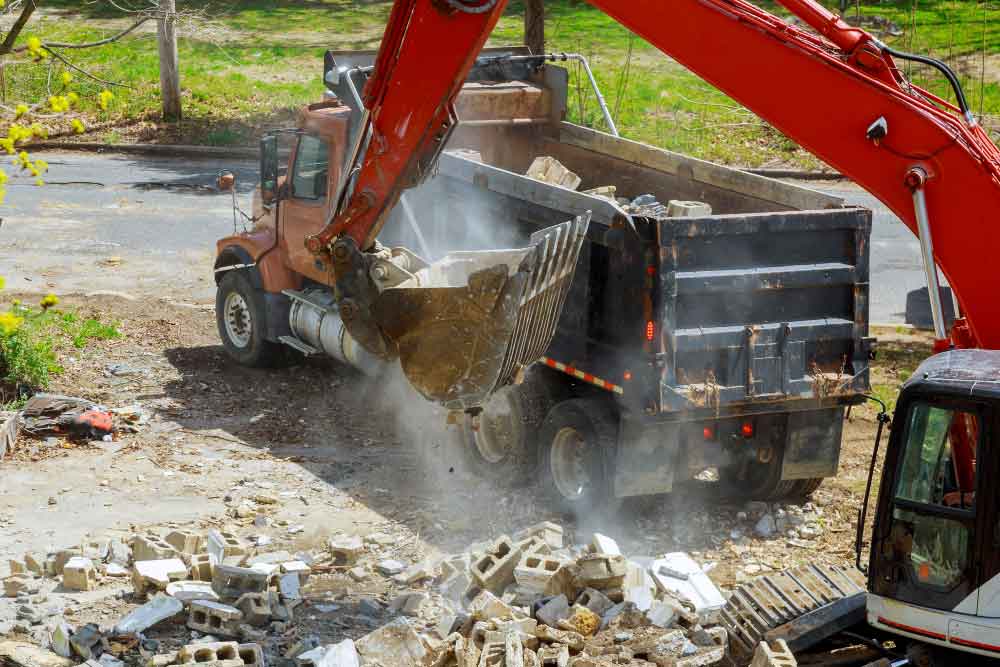
Demolition does not end when structures come down. The site must be ready for the land clearing. Land clearing removes remaining debris and other unnecessary materials and prepares the ground for new phase of work. Grading supports drainage and stable surfaces. These steps help to avoid delays, once the construction begins and allow follow-up crews to start without rework.
Co-ordinating with Other Construction Stages
Demolition sets the pace for what follows. Poor timing can stall multiple trades. Clear flow allows demolition to finish just ahead of foundation work or utility installation. Ongoing updates between teams help to keep schedules aligned and reduce idle time across the construction site.
Mistakes That Undermine Reliability on Urban Jobs
Most urban demolition problems trace back to early decisions rather than on-site effort. Not inspecting the full site can leave obstacles undiscovered. Using improper equipment leads to slows progress and raises risk during demolition work. Both problems can be avoidable if you work with proper planning and clear communication.
Conclusion
Reliable excavation demolition depends on preparation, control, and coordination. Urban sites allow little room for error. When the team of skilled workers plans carefully, select the right equipment, and manages debris and safety with discipline, demolition supports steady progress instead of causing delays.
Done well, it creates a strong starting point for every phase that follows.
Also Read: Main Demolition Hazards and How to Avoid Them
FAQs on Reliable Excavation Demolition
01. What is Excavation Demolition?
Excavation demolition is the process of removal of existing structures with earth-moving work. It involves tearing down buildings, eliminate foundations, tearing down concrete, and preparing your site for new construction.
02. What Permits are Required for Demolition Work in Urban Areas?
Most city demolitions require permits, utility disconnect approvals, environmental clearances, and scheduled inspections. Some cities also demand noise windows, dust control plans, and debris hauling regulations.
03. How is Safety Maintained in Public Areas during Demolition Work?
Safety can be managed through signage, barriers, controlled access zones, dust suppression, and noise monitoring. Site workers follow daily safety plans and adjust work methods to stay compliant with city regulations and norms.
Author & Expert Review
Written By:  Kinjal Mistry | Civil Engineer & Senior Content Writer
| Credentials: B.E. (Dharmsinh Desai University, Nadiad, Gujarat). Experience: Civil Engineer with 9 years of content writing experience, currently writing impactful articles for Gharpedia, part of SDCPL. Expertise: Specializes in writing well-researched content on home improvement, sustainability, building materials, home interior, DIY, and plumbing technology with everyday clarity. Find her on: LinkedIn |
Verified By Expert:  Ravin Desai – Co Founder – Gharpedia | Co Founder – 1 MNT | Director – SDCPL
This article has been reviewed for technical accuracy by Ravin Desai, Co-Founder of Gharpedia and Director at Sthapati Designers & Consultants Pvt. Ltd. With a B.Tech. in Civil Engineering from VNIT Nagpur and an M.S. in Civil Engineering from Clemson University, USA, and over a decade of international and Indian experience in the construction and design consultancy sector, he ensures all technical content aligns with industry standards and best practices.
Find him on: LinkedIn