Table of Contents
Quick Summary
- Explores how thoughtful restaurant design influences customer behaviour and loyalty
- Explains the importance of a strong concept and consistent branding
- Covers layout planning for comfort, accessibility, and efficient operations
- Highlights the role of lighting, acoustics, and material selection in ambience
- Discusses kitchen and back-of-house design for smooth workflow
- Shares tips on decor, cleanliness, technology, and ventilation to improve dining experience
In the highly competitive food industry, great food alone is not enough. A well-designed restaurant influences customer mood, comfort, and perception of value. Whether you’re starting a small cafe or a full-service establishment, this guide walks you through essential elements of restaurant design and valuable tips to help you craft an experience that appeals to the senses, supports efficient operations, and encourages repeat visits.
Start with a Strong Concept and Branding
Every well-designed restaurant starts with a clear concept. Your design should reflect not only your cuisine, but also your brand personality, target market, and price point. Do you want a rustic, modern, industrial, family-friendly, or traditional restaurant? Be specific and consistent when choosing a theme, as it will influence every design choice you make.
Keep in mind that different audience types require different design cues. Students, families, professionals, or upscale diners have specific preferences, so make sure your design appeals to your target clients. A strong concept becomes your visual identity, helping customers understand what to expect.
Create an Inviting Entrance and Storefront
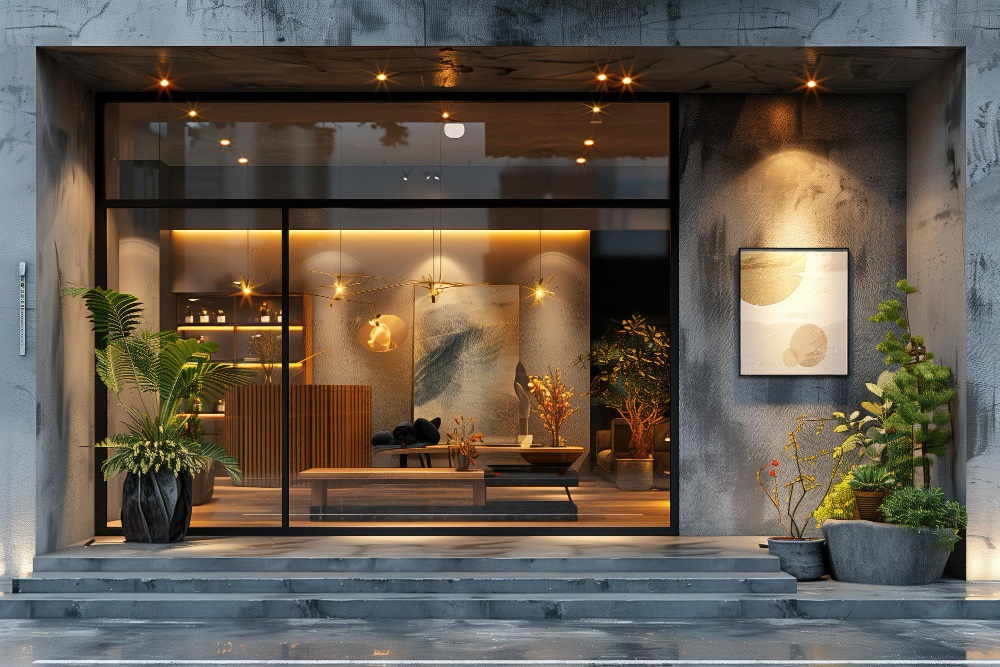
The exterior is your restaurant’s first impression. A well-designed facade can determine whether a customer steps inside or ignores your business.
Tips for an attractive entrance:
- Clear and well-lit signage
- A visually appealing door and window display
- Outdoor plants or minimal landscaping
- Clean and uncluttered pathways
- Warm lighting to create a welcoming glow
Your entrance sets the tone for the experience ahead, so make sure it’s welcoming and appealing.
Design an Efficient and Comfortable Layout
A good floor plan balances customer effort with operational flow, while a poorly laid-out space can lead to long waits, congested aisles, and an overall negative dining experience. Some key layout factors to consider include:
- Circulation flow: Ensure smooth movement for diners entering and leaving, servers carrying food, and workers moving between kitchen zones.
- Seating density: Overcrowding reduces comfort, but too much space may hurt revenue. If you plan to open a full-service restaurant, aim for a seating capacity of 12-15 sq. ft. per person. For fine dining restaurants, it should be 18-20 sq. ft. per diner.
- Table variety: Mix two-seaters, four-seaters, and booths to maximize flexibility.
- Accessibility: Wide pathways and accessible tables ensure inclusivity and increase customer satisfaction.
Use Lighting to Shape Mood and Experience
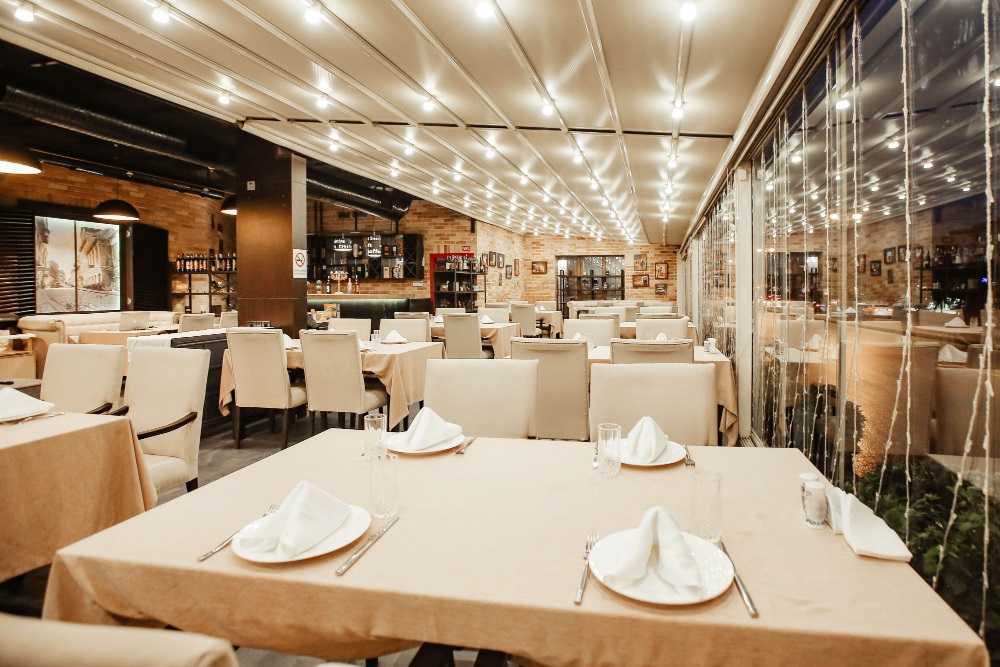
Lighting significantly affects ambiance, appetite, and even how food looks.
Recommended lighting in restaurants:
- Ambient lighting: Overall illumination
- Task lighting: For kitchen areas or cashier stations
- Accent lighting: Highlights architectural features and decor
Lighting tips:
- Warm lighting creates a cozy atmosphere.
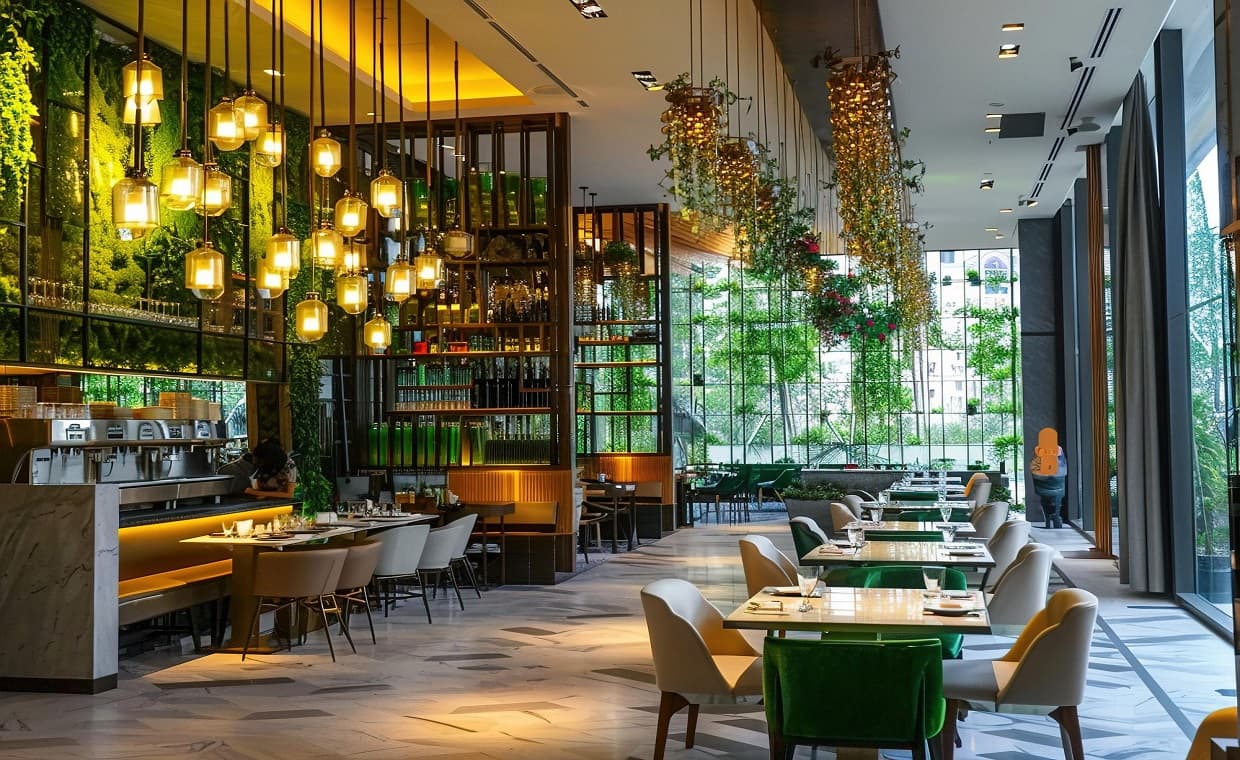
- Pendant lights can define seating areas.
- Adjustable lights allow you to shift from lunchtime brightness to evening intimacy.
Customers often remember how a restaurant felt, and lighting plays a major role in that memory.
Pay Attention to Acoustics
Noise levels influence how long customers stay and how enjoyable their visit is. Hard surfaces like tiles, glass, and metal enhance sound, while soft materials minimize it.
Acoustic solutions:
- Sound-absorbing wall panels
- Upholstered chairs or booths
- Acoustic ceiling tiles
- Decorative fabric partitions
Restaurants that strike the right balance, lively but not loud, create a pleasant environment for conversations.
Choose Durable and Attractive Materials

Restaurant interiors endure spills, messes, and high foot traffic. It’s important that you choose materials that are not only attractive but also highly durable.
Ideal material choices:
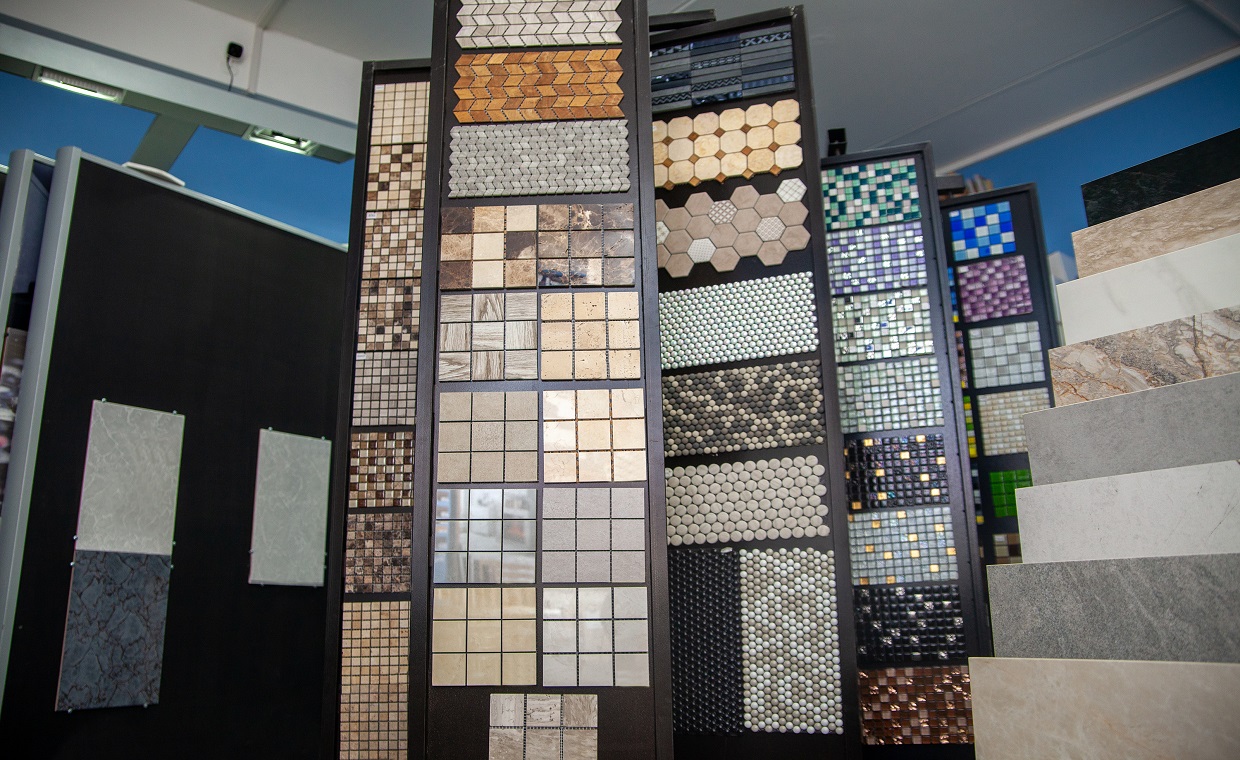
- Flooring: Vinyl, tiles, sealed hardwood, or commercial-grade laminate
- Tables: Solid wood, engineered stone, or high-pressure laminates
- Walls: Washable paint, textured panels, tiles, or treated wood
Balancing aesthetics with longevity reduces long-term maintenance costs.
Focus on Kitchen and Back-of-House Design
An efficient kitchen is the heart of any flourishing restaurant. It should be designed to support hygiene, safety, and optimal workflow.
Important elements:
- A logical work triangle for the prep, cook, and serve areas
- Proper ventilation and exhaust systems
- Heat-resistant, non-slip flooring
- Storage zones for dry goods, perishables, and equipment
- Clear segregation between raw and cooked items to maintain food safety
A well-designed kitchen minimizes delays, improves staff efficiency, and ensures consistent food quality.
Seek Professional Guidance
While many restaurant owners try to handle design in-house, working with professionals often leads to better outcomes, especially when designing complex spaces like kitchens, bars, or multi-zone dining areas.
Firms like I-5 Design Build, known for creating highly functional and visually striking commercial spaces, emphasize the importance of aligning design with brand strategy and operational efficiency. This can significantly improve both customer experience and long-term profitability, particularly for owners who are new to the industry.
Incorporate Strategic Decor and Visual Elements
Decor reinforces your brand and helps create memorable moments for customers.
Some effective decor ideas:
- Local art
- Indoor plants or green walls
- Feature walls with textures or murals
- Custom lighting fixtures
- Display shelves with thematic items like coffee beans, wine bottles, or spices
When choosing decor, be intentional and specific. Remember that every decor should contribute to your restaurant’s theme rather than clutter the space.
Prioritize Cleanliness and Visibility
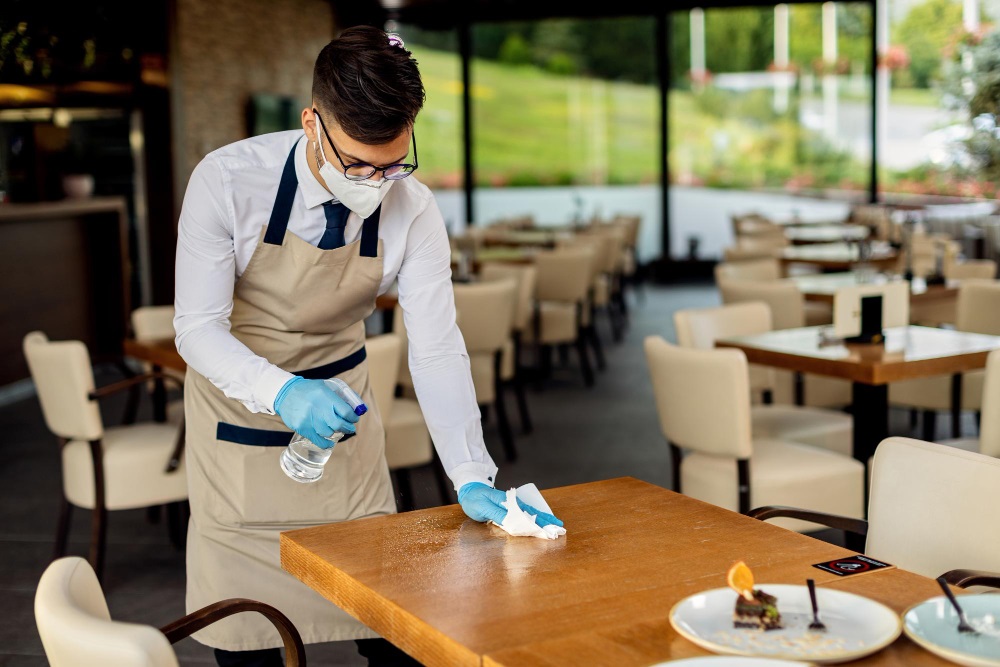
A restaurant can have great food and ambiance, but if it looks messy or unkempt, customers may not return.
Maintain cleanliness in:
- Flooring and tabletops
- Restrooms
- Entrance areas
- Visible food-prep zones
- Seating upholstery
Open kitchens have become popular because they build customer trust and highlight hygiene.
Use Technology to Enhance Customer Experience
Modern customers appreciate convenience, whether through digital menus or smart service systems.
Technology options to consider:
- Touchless menus or QR menus
- Tabletop ordering screens
- Smart POS systems
- Reservation and waitlist apps
- Digital signage for promotions and menus
These tools can streamline service and your operations, improving the overall customer dining experience.
Ensure Good Ventilation and Temperature Control
Poor ventilation can make food odors linger or cause discomfort. To ensure your restaurant is well-ventilated, make sure to:
- Install strong exhaust systems, especially for open kitchens.
- Maintain consistent air-conditioning across zones.
- Add ceiling fans in casual dining setups for natural circulation.
Endnote
A well-designed restaurant isn’t just beautiful; it improves comfort, operational flow, and the overall dining experience. When you blend aesthetic appeal with functionality, you create a space where customers enjoy spending time, making them more likely to visit again and recommend your restaurant to others.
Also Read: How To Determine Ideal Sill Level Of Your Home
FAQs – Restaurant Design
1. Why is restaurant design important for customer retention?
Restaurant design affects comfort, mood, and perception of quality, which strongly influences whether customers return.
2. How much space should be allocated per diner in a restaurant?
Casual and full-service restaurants typically allow 12 to 15 square feet per diner, while fine dining requires more space.
3. What lighting works best in a restaurant setting?
Warm, adjustable lighting works best as it creates a welcoming atmosphere and adapts to different times of day.
4. How can restaurant acoustics improve customer experience?
Using sound-absorbing materials reduces noise, making conversations easier and dining more enjoyable.
5. Should small restaurants invest in professional design services?
Yes, professional designers help optimise space, ensure compliance, and align the design with brand and operational needs.