Table of Contents
Quick Summary
- Swimming pools deteriorate over time due to prolonged exposure to water, chemicals, sunlight, and temperature changes.
- Ageing swimming pools often show signs such as stains, cracks, rough surfaces, and outdated finishes.
- These issues may not always require complete pool replacement.
- Give your ageing pool an update with pool resurfacing.
- For minor damage such as small cracks, chips, or isolated rough patches, surface repairs may be sufficient.
- When surrounding elements are worn or outdated, it is best to replace waterline tiles or coping stones.
- In older pools, there are chances of structural repairs involving reinforcing or repairing the pool shell.
- A full pool renovation can give your pool a refreshed look without the cost of a complete rebuild.
- The best restoration option depends on the pool’s condition, your budget, and long-term goals.
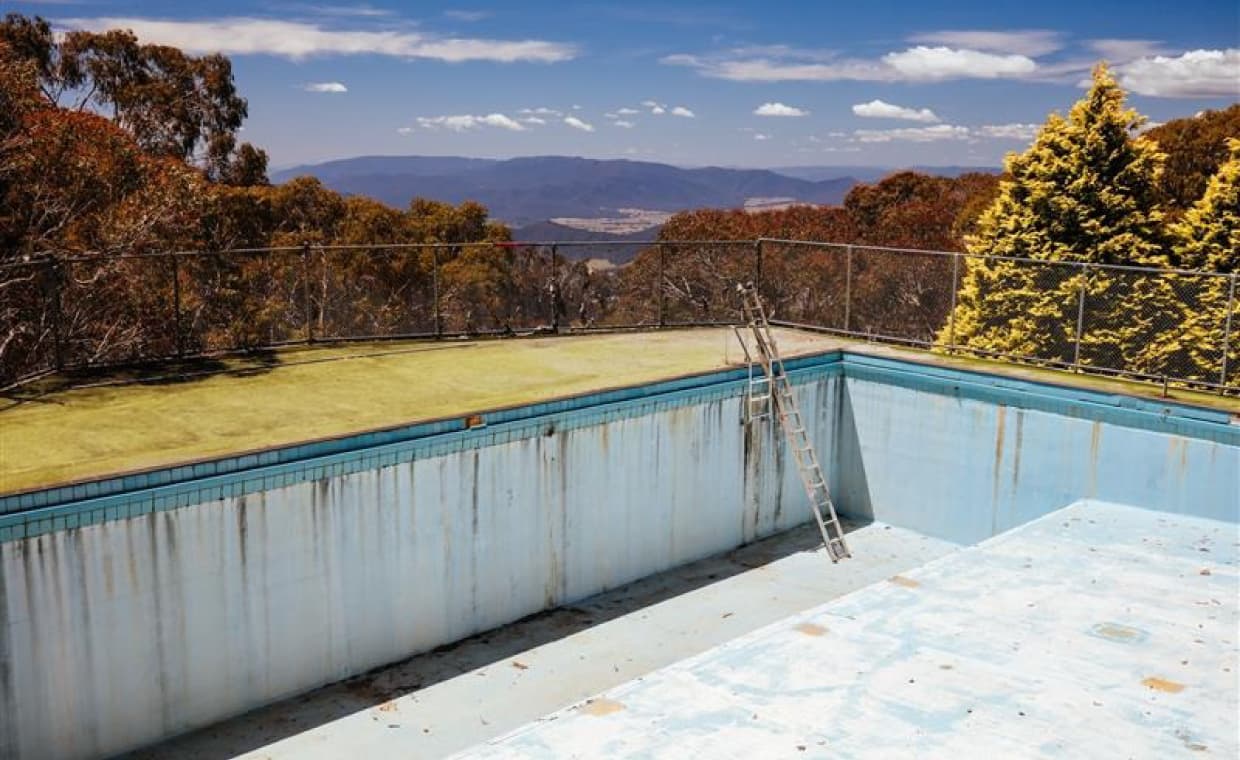
An ageing swimming pool tends to lose its appeal. What was once a sparkling centrepiece of your backyard now shows signs of wear through stains, cracks, rough surfaces, or outdated finishes. To restore its charm, the pool needs restoration. In this blog, Gharpedia shares some amazing ideas for restoring an ageing pool. These ideas are effective and practical solutions compared to full replacement.
Understanding the different ways to restore an ageing pool can help homeowners make informed decisions that balance cost, longevity, and appearance.
Understanding Why Pools Deteriorate
Pools are constantly exposed to water, chemicals, sunlight, and temperature changes. Over time, these elements wear out pool surface materials, leading to fading, discolouration, and surface damage. Additionally, incorrect water chemistry can accelerate wear, while ground movements can cause cracks.
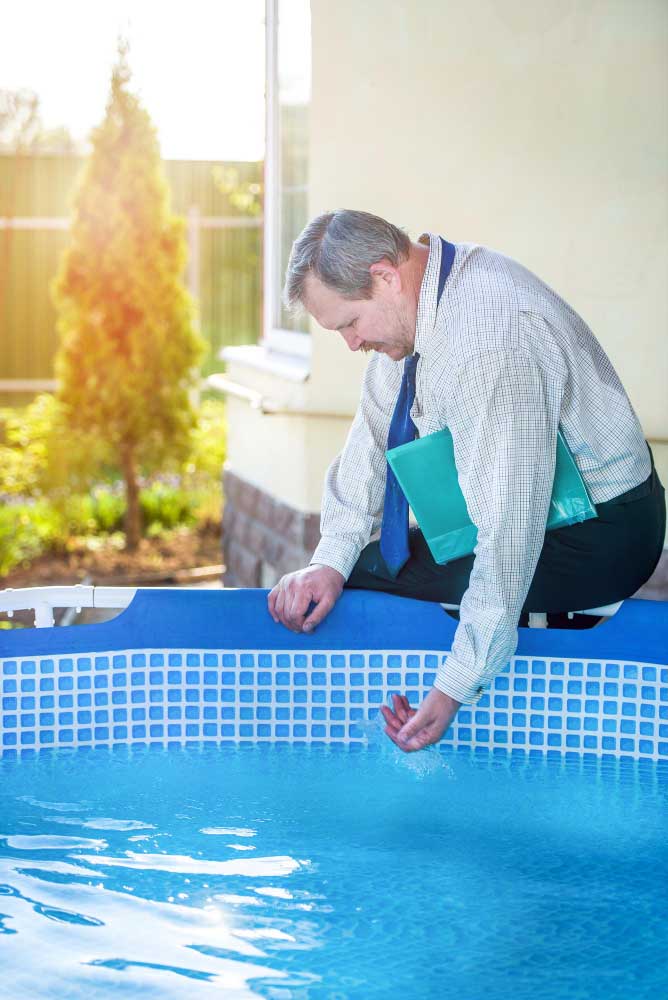
Before you choose a restoration option, it is important to identify the underlying issues affecting the pool. This is best done by a professional inspection who will determine whether the problem is cosmetic, structural, or a combination of both.
Option One: Pool Resurfacing
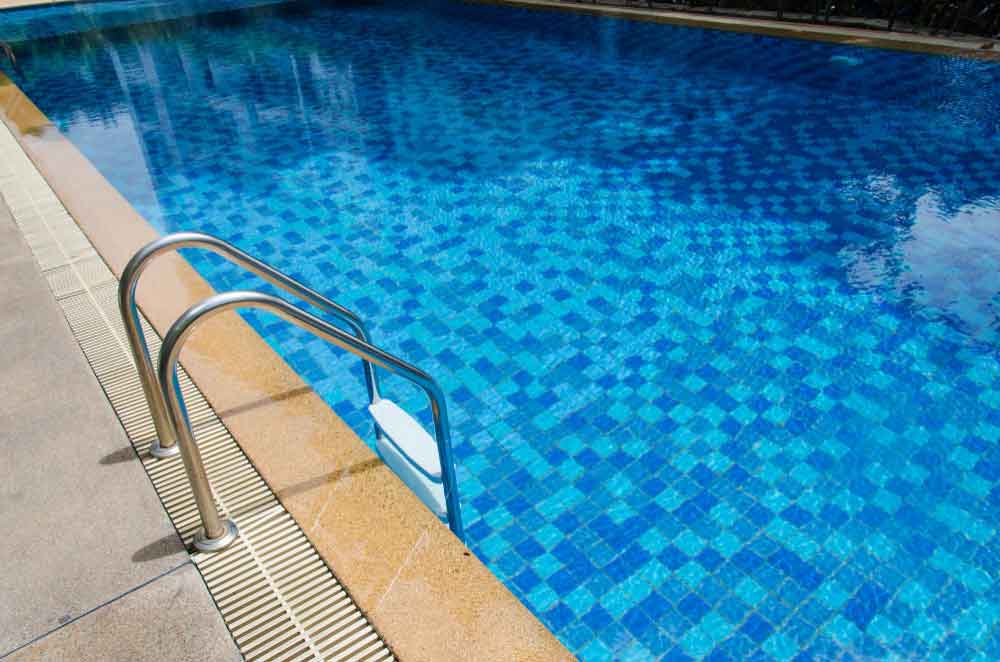
Pool resurfacing is often the most effective way to restore an ageing pool. This process involves removing or repairing the existing surface and applying a new finish. It improves both the look and feel of the pool while protecting the underlying structure.
There are several resurfacing materials available today, but traditional plaster is most preferred because it is smooth and affordable. Giving your pool a pebble finish offers a more natural look and an increased lifespan. Another option is quartz finishes, which offer both smoothness and improved stain resistance.
Pool resurfacing solves issues such as cracks, rough textures, and persistent staining. It also gives you an opportunity to update the colour or style of the pool, giving it a modern appearance without changing the pool’s shape or layout.
Option Two: Surface Repairs and Patching
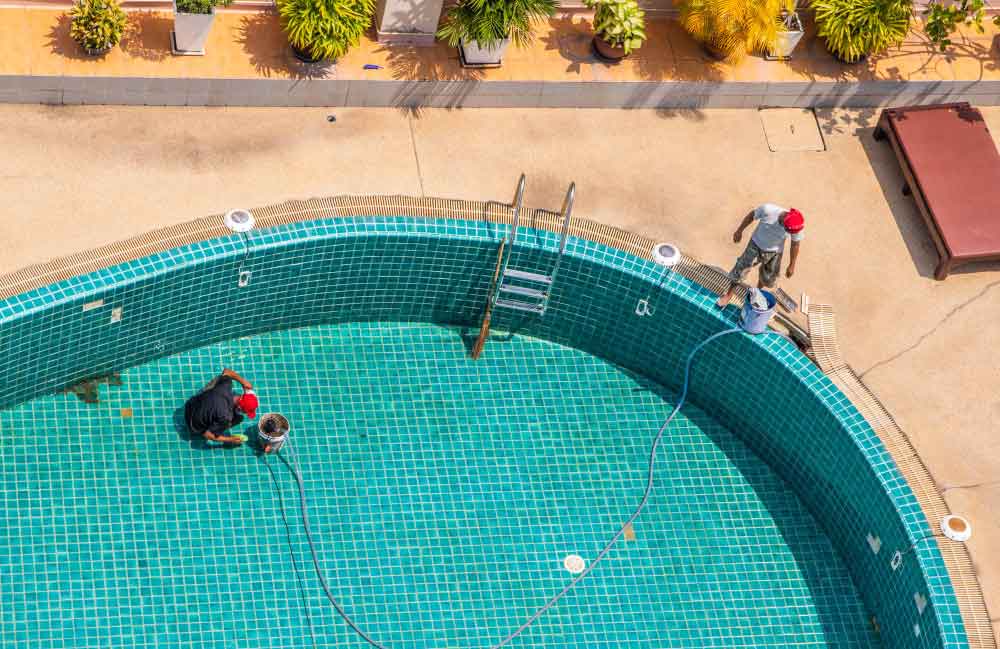
Pools having minor damage, surface repairs are more than enough. Small cracks, chips, or isolated rough patches can sometimes be patched without resurfacing the entire pool.
This option is generally more affordable in the short term but may not be a long-term solution. Patching can lead to uneven textures and colour mismatches, especially in older pools where the existing surface has faded. Over time, multiple repairs may become more noticeable and less cost-effective than a full pool resurfacing project.
Option Three: Replacing Pool Tiles and Coping
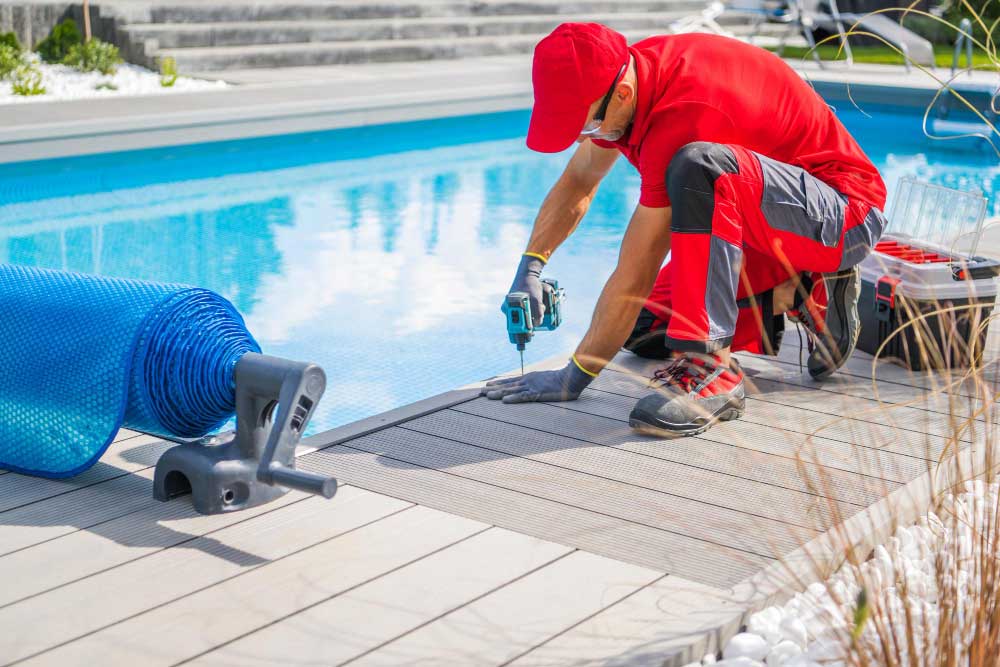
Sometimes the pool surface itself is in reasonable condition, but surrounding elements such as tiles and coping are worn or outdated. Replacing waterline tiles or coping stones can significantly improve the pool’s appearance.
This type of upgrade is often combined with resurfacing but can also be done on its own. While it enhances aesthetics, it does not address underlying surface issues such as roughness or widespread staining within the pool.
Option Four: Structural Repairs
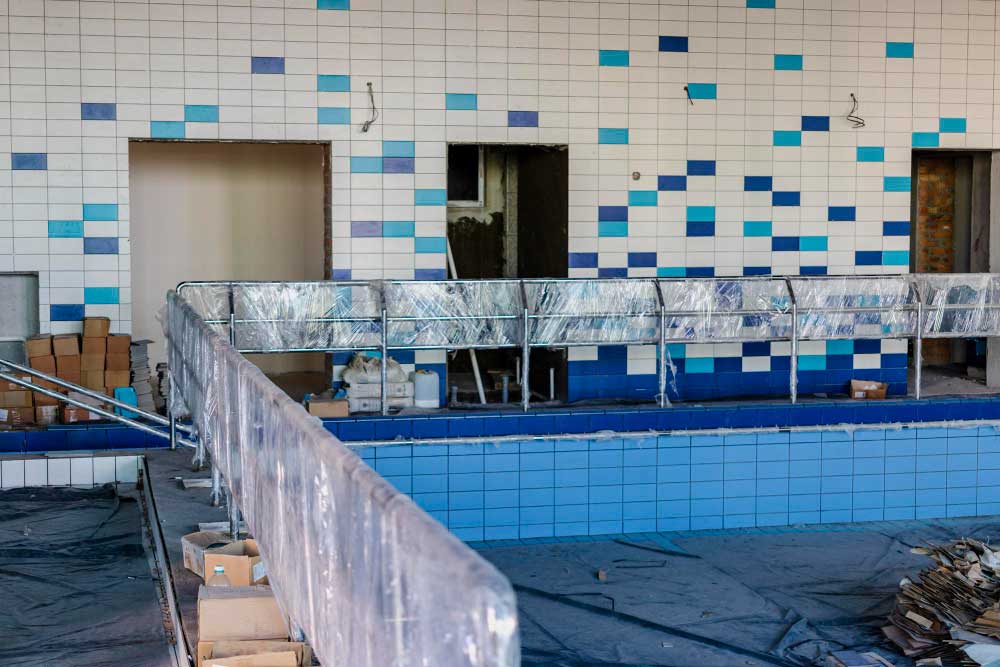
In older pools, structural issues such as major cracks or movement may be present. These problems require more than cosmetic fixes. Structural repairs involve reinforcing or repairing the pool shell to ensure long-term stability.
Once structural issues are resolved, pool resurfacing is usually required to restore the interior finish. Addressing these problems early is essential, as ignoring them can lead to water loss and more extensive damage over time.
Option Five: Pool Renovation and Modernisation
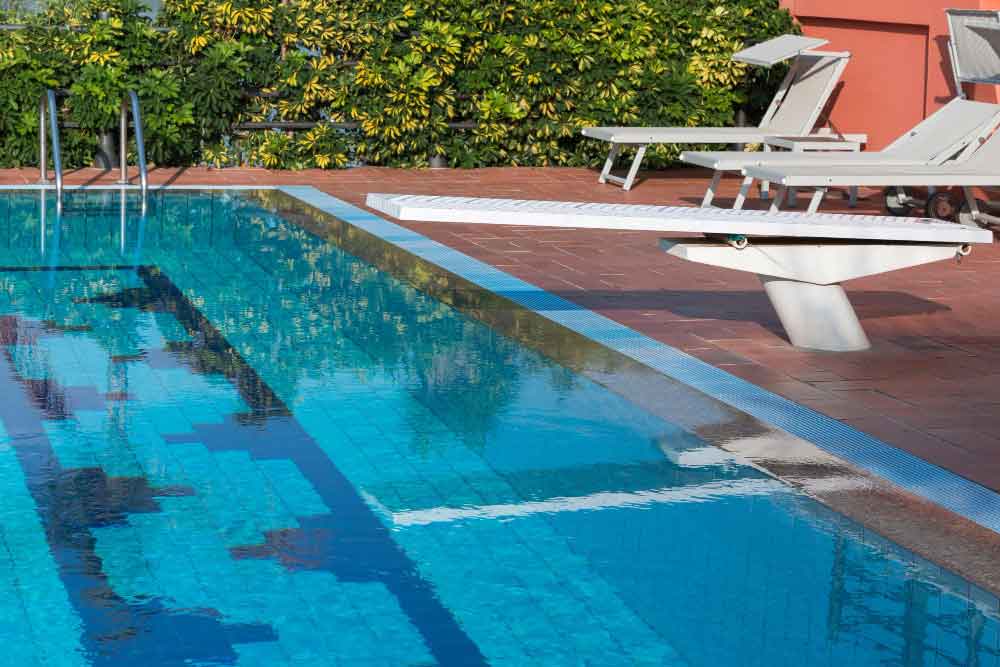
For homeowners looking to make significant changes, a full pool renovation may be an option. This can include reshaping the pool, adding steps or ledges, upgrading lighting, or installing modern filtration systems.
While renovations offer extensive customisation, they are typically more expensive and time-consuming than resurfacing alone. Many homeowners choose to combine select upgrades with pool resurfacing to achieve a refreshed look without the cost of a complete rebuild.
Choosing the Right Option for Your Pool
The best restoration option depends on the pool’s condition, your budget, and your long-term goals. If the surface is rough, stained, or deteriorating, pool resurfacing is often the most comprehensive and cost-effective solution.
If issues are minor and localised, repairs may be suitable in the short term. However, repeated patching can quickly add up and may not deliver the desired visual result.
A professional assessment is the best way to determine which approach will provide lasting value. Experienced pool specialists can identify hidden issues and recommend a solution tailored to your pool’s age and condition.
Long-Term Benefits of Pool Resurfacing
One of the key advantages of pool resurfacing is its ability to extend the life of an ageing pool. A new surface improves comfort, reduces maintenance challenges, and enhances the pool’s overall appearance. It can also increase property value and make the pool safer for swimmers.
By choosing a durable finish and maintaining proper water chemistry, homeowners can enjoy the benefits of resurfacing for many years.
Making an Informed Decision
Restoring an ageing pool does not always require starting from scratch. With options ranging from minor repairs to full pool resurfacing, homeowners have flexibility in how they approach restoration.
Understanding the available options and their long-term implications allows you to invest wisely. With the right strategy, an ageing pool can be transformed into a refreshed and inviting space that continues to deliver enjoyment for years to come.
Also Read: 7 Qualities of a Swimming Pool Service You Need to Always Consider!
Restoring an Ageing Pool FAQs
01. What is the best way to restore an ageing swimming pool?
Pool resurfacing is the best way to restore an ageing swimming pool. Resurfacing improves appearance, comfort, and durability while extending pool’s lifespan.
02. When is pool resurfacing necessary?
Pool resurfacing is necessary when the existing pool surface becomes rough, stained, cracked, or uncomfortable for swimmers.
03. Can minor pool damage be repaired without resurfacing?
Yes, small cracks or chips can be patched. However, these patches may not last long or match the existing surface.
04. Does pool resurfacing increase property value?
Yes, pool resurfacing enhances visual appeal, safety, and overall property value.
05. How do I choose the right pool restoration option?
A professional pool inspection helps identify whether cosmetic repairs, resurfacing, or structural work is needed.
Author & Expert Review
Written By:  Nidhi Patel | Civil Engineer & Content Writer
| Credentials: B.E. (Mahatma Gandhi Institute of Technical Education and Research Centre), Registered with Gujarat Technological University (GTU). Experience: Civil Engineer with 3+ years of content writing experience, currently writing blogs for Gharpedia, part of SDCPL. Expertise: Specializing in SEO-optimized blogs and long-form articles focused on home improvement, construction, interiors and architect topics. I create well-researched, reader-focused content that balances technical accuracy with clarity, making complex subjects easy to understand. Find her on: LinkedIn |
Verified By Expert:  Ravin Desai – Co Founder – Gharpedia | Co Founder – 1 MNT | Director – SDCPL
This article has been reviewed for technical accuracy by Ravin Desai, Co-Founder of Gharpedia and Director at Sthapati Designers & Consultants Pvt. Ltd. With a B.Tech. in Civil Engineering from VNIT Nagpur and an M.S. in Civil Engineering from Clemson University, USA, and over a decade of international and Indian experience in the construction and design consultancy sector, he ensures all technical content aligns with industry standards and best practices.
Find him on: LinkedIn