Table of Contents
Quick Summary
- Outlines average roof replacement time for residential and commercial properties
- Explains the full roof replacement timeline from inspection to final cleanup
- Highlights key factors that affect roof replacement time such as materials and weather
- Compares residential and commercial roof replacement durations
- Provides practical tips to reduce delays and stay on schedule
- Answers common questions homeowners have about roof replacement time
Replacing a roof is a significant investment and a major home improvement project. Whether you’re considering a residential roof replacement or a commercial roof replacement, knowing how long does it take for roofers to replace roof is crucial for planning, budgeting, and scheduling. The duration can vary widely depending on multiple factors, from the size of the roof to weather conditions and material choice.
Understanding the roof replacement process, estimated timelines, and the factors that can impact installation will help you set realistic expectations and ensure a smooth roofing experience in Colorado.
Typical Roof Replacement Timeline
The roofing project timeline varies depending on whether the project is residential or commercial:
- Residential Roof Replacement: Small to medium-sized homes typically take 1–3 days. This includes tear-off of the old roof, installation of new underlayment, shingles, flashing, and cleanup.
- Commercial Roof Replacement: Larger commercial buildings can take several days to weeks due to the size, complexity, and type of roofing system. Multiple crews may be needed to complete the project efficiently.
Other factors such as roof pitch, design complexity, and material choice can extend or shorten the timeline.
Factors That Affect Roof Replacement Duration
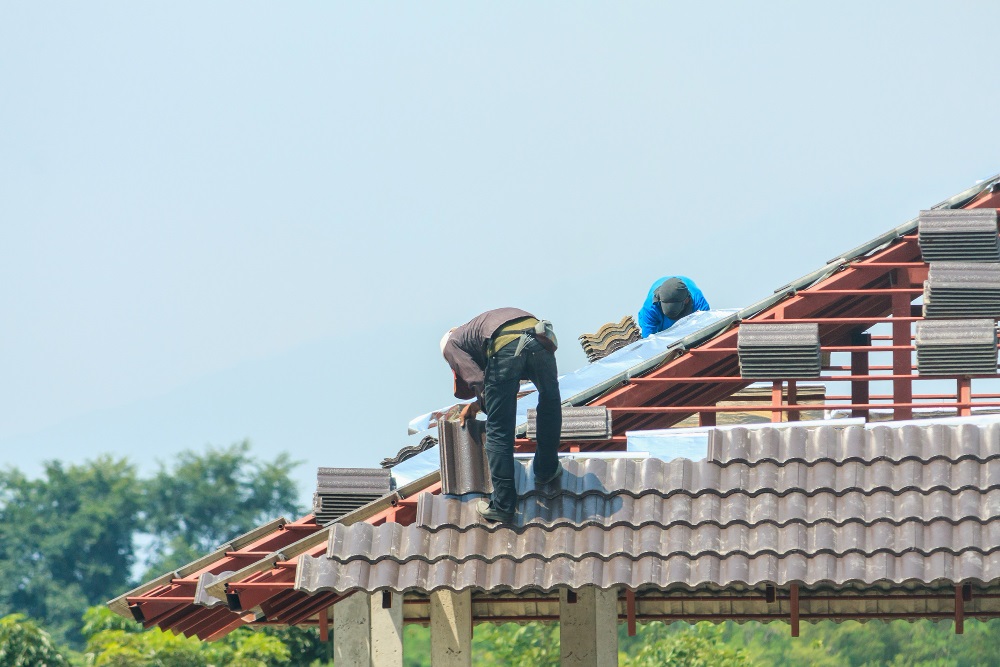
Roof Size and Complexity
The larger the roof, the longer it will take to replace. Roofs with multiple peaks, valleys, or dormers require more time to tear off old materials and install new ones.
Type of Roofing Material
Shingles, metal, tiles, and flat roofing materials all require different installation methods. For example, asphalt shingles are quicker to install, whereas tile or metal roofing can take longer due to weight and fastening requirements.
Weather Conditions
Rain, snow, and extreme heat can delay roofing projects. Unfavorable weather slows down work, affects material performance, and can extend the overall roof replacement time.
Roof Tear-Off Time
The condition of the existing roof influences how long it takes to remove. A single-layer shingle roof is faster to tear off, while multiple layers or damaged underlayment can add time to the roof tear-off time.
Crew Size and Experience
Experienced crews with sufficient manpower can complete projects faster and more efficiently. Larger teams can work simultaneously on different sections of the roof, reducing total duration.
Permits and Inspections
Some municipalities require permits and inspections, which can add days to the project timeline. Scheduling these in advance helps prevent delays.
Step-by-Step Roof Replacement Process
Understanding the roof replacement steps can clarify why the duration varies:
- Initial Assessment and Estimate – Roofers inspect the property, assess damage, and provide roof replacement estimates.
- Preparation – Protect landscaping, remove gutters if necessary, and set up safety equipment.
- Tear-Off – Remove old roofing material. The time depends on layers and roof condition.
- Repairs – Replace any damaged decking or underlayment.
- Installation of New Roof – Install shingles, metal panels, or other roofing materials.
- Flashing and Vent Installation – Ensure proper sealing around chimneys, vents, and edges.
- Cleanup and Inspection – Remove debris and conduct a final inspection to confirm quality.
Each step contributes to the overall project duration, and skipping steps can compromise roof integrity.
How Long to Replace a Roof: Residential vs Commercial
- Residential Roof Replacement: On average, 1–3 days for asphalt shingles on a single-story home. Roofs with multiple layers or steep pitches may take 4–5 days.
- Commercial Roof Replacement: Depending on size and type, 1–3 weeks is typical for flat or low-slope commercial roofs. Larger buildings with complex systems can require even longer.
Emergency or expedited projects, such as emergency roof replacement, may be faster if crews are available and conditions permit.
Tips to Minimize Roof Replacement Time
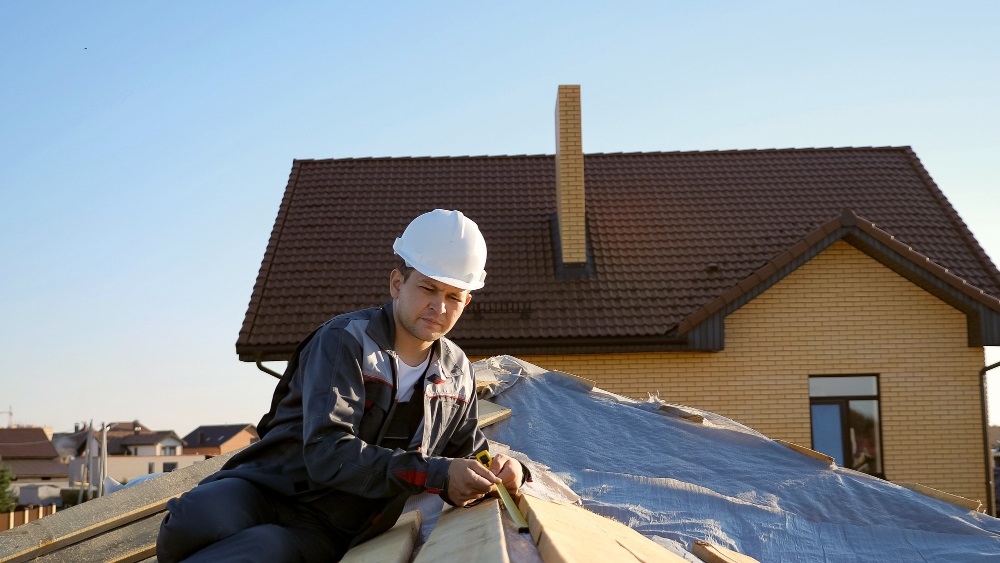
- Schedule During Favorable Weather – Avoid snow or heavy rain seasons.
- Hire Experienced Roofers – Professionals like denver roofers for roof replacement streamline the process.
- Prepare Your Property – Remove obstacles around the house or building for easy access.
- Select Efficient Materials – Some roofing materials, like asphalt shingles or spray foam roof insulation, allow faster installation while providing long-term benefits.
- Confirm Permits in Advance – Avoid waiting for approvals mid-project.
Proper preparation ensures the project stays on schedule and reduces disruptions to your daily life.
Understanding Roof Replacement Estimates
Roof replacement estimates are influenced by material cost, labor, and project duration. Knowing the estimated time helps you budget for labor costs, temporary accommodations if needed, and other related expenses. Most professional contractors provide a detailed estimate outlining both costs and expected timelines.
Common Questions About Roof Replacement Duration
01. How long does it take to replace a standard shingle roof?
A standard asphalt shingle roof on a single-story home usually takes 1–3 days, depending on size and complexity.
02. Does roof type affect replacement time?
Yes. Metal, tile, and flat roofing systems can take longer to install compared to asphalt shingles due to material handling and installation methods.
03. Can weather cause delays in roof replacement?
Absolutely. Rain, snow, or high winds can slow or temporarily halt work, extending the total project duration.
Conclusion
Knowing how long it takes for roofers to replace a roof is essential for planning your project. Residential replacements typically take 1–3 days, while commercial or complex roofs can take several weeks. Factors such as roof size, material, weather, crew experience, and permitting play a major role in the timeline. By understanding the roof replacement process and preparing your property, you can help ensure a smooth and efficient project.
Using modern solutions such as spray foam roof insulation can also improve efficiency, reduce long-term maintenance, and extend the life of your roof, making your investment worthwhile.
Also Read: What to know about roofing when doing home renovation?
Frequently Asked Questions – Roof Replacement Time
01. What is the average duration for a commercial roof replacement?
Depending on size and complexity, commercial roof replacements may take 1–3 weeks, with larger buildings requiring additional time.
02. How long does roof tear-off take?
Tear-off time varies by the number of layers and roof condition. A single-layer residential roof may take a few hours, while multi-layer or damaged roofs take longer.
03. Can roof replacement be done during winter?
It’s possible but not ideal. Cold temperatures and snow can slow down the installation process and affect material performance.
Author & Expert Review
Written By:  Gaurav Mishra | Civil Engineer & Content Writer
| Credentials: B.E. (Mahavir Swami College, Surat), Registered with Bhagwan Mahavir University (BMU). Experience: Civil Engineer with 5+ years of content writing experience, currently writing impactful articles for Gharpedia, part of SDCPL. Expertise: Specializes in writing well-researched content on residential construction, construction materials, design planning, on-site practices, and safety, blending technical accuracy with everyday clarity. Find him on: LinkedIn |
Verified By Expert:  Ravin Desai – Co Founder – Gharpedia | Co Founder – 1 MNT | Director – SDCPL
This article has been reviewed for technical accuracy by Ravin Desai, Co-Founder of Gharpedia and Director at Sthapati Designers & Consultants Pvt. Ltd. With a B.Tech. in Civil Engineering from VNIT Nagpur and an M.S. in Civil Engineering from Clemson University, USA, and over a decade of international and Indian experience in the construction and design consultancy sector, he ensures all technical content aligns with industry standards and best practices.
Find him on: LinkedIn